
13550 Walnut Trace, Chardon, OH 44024
To contact a resident: (440) 564-7443
For more information about senior living options: (866) 208-4318
Singleton's Care Costs & Pricing
Singleton's Care offers competitive pricing for its services, particularly when compared to both Lake County and the broader state of Ohio. For a semi-private room, residents at Singleton's Care pay $2,100 per month, significantly lower than the Lake County average of $3,491 and the Ohio state average of $3,965. Similarly, in the case of private rooms, Singleton's Care charges $2,400 monthly, which is again more affordable than Lake County's cost of $3,283 and Ohio's average of $4,771. This pricing structure highlights Singleton's Care as an attractive option for individuals seeking quality care without the burden of steep expenses often associated with long-term residential care.
| Floor plans | Singleton's Care | Lake County | Ohio |
|---|---|---|---|
| Semi-Private | $2,100 | $3,491 | $3,965 |
| Private | $2,400 | $3,283 | $4,771 |
Senior living communities with a similar price nearby
-
from -$125 / mo

Springwood Hudson
$1,975 to $3,000 / month21.4 miles away -
from +$414 / mo
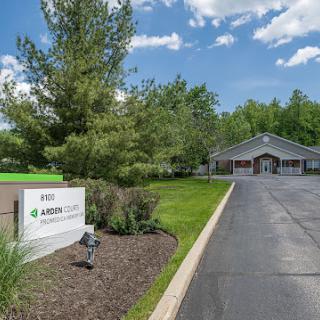
ARDEN COURTS CHAGRIN FALLS
$2,514 to $3,016 / month8.4 miles away -
About the same

Milestones Adult Group Home
$2,100 to $2,400 / month8.1 miles away -
from +$370 / mo

Vitalia Rockside
$2,470 to $4,145 / month23.5 miles away -
from -$200 / mo

Judson Park
$1,900 to $8,274 / month19.3 miles away
Overall Review of Singleton's Care
Pros
 Anna and Katie have been with the client since day one and provide great care, going above and beyond.
- MaryGrace and Billie have recently started visiting and are equally great.
- Families feel fortunate to have found First Light and its caregivers.
- Harmony is the main caregiver and delivers wonderful, hardworking, dependable care.
- Katie and Marlene are regular caregivers who treat mom like family.
- The care team keeps mom engaged, moving, and enjoying her days.
- Macy is a wonderful caregiver who has become part of the family.
- Melissa treats clients like family and helps them stay at home.
Cons
 They charge $28,000 a month for health services that many people pay out of pocket for, or use VA/Medicare.
- It is described as an extremely high-liability position that requires more education and medical experience than the company hires.
- It seems like healthcare fraud.
- They were extremely disappointed because there was poor follow-up on staffing, with four days passing and no return call.
- They would strongly encourage others to check out other agencies before contacting this company.
Review
Singleton’s Care in Chardon is best suited for families seeking a warm, highly relational in-home care model where the emphasis is on caregiver continuity, daily living support, and engaging companionship for an aging loved one. The reviews point to a setting where caregivers become familiar fixtures in a client’s routine, handling tasks from meal preparation and errands to social activities, with an expectation that these relationships carry real emotional continuity. This is a model that rewards families who prize trust built over time, practical help that keeps a senior independent at home, and a care experience that feels more like family support than a rigid, clinical arrangement.
Those who may want to consider alternatives are families prioritizing aggressive medical oversight or transparent, fixed-fee care without the premium attached to personalized caregiver teams. A noteworthy thread in the feedback highlights cost concerns tied to health services, with one reviewer describing a prohibitively high monthly charge and raising questions about staffing and medical coverage. That tension between the perceived value of individualized caregiving and the price tag is not unique to this market, but it is salient here. Prospective buyers should seek a clear, itemized breakdown of what is covered under health services and what would require out-of-pocket or external coverage, and compare that to other agencies offering more visible medical-on-call structures.
The strongest positives revolve around caregiver quality and continuity. Reviewers repeatedly spotlight long-tenured aides who “feel like family,” deliver not only basic care but genuine engagement, and go beyond the call of duty, from helping with groceries and transportation to reading, puzzles, and meaningful conversation. Names that recur, caregivers who have stayed with a client for years, underscore a core strength: reliability and a personal touch that translates into daily comfort, less agitation, and a home environment where routines and preferences are respected. When families hear that caregivers remember dietary preferences, mood patterns, and preferred activities, the value of that relationship becomes a meaningful offset to the ordinary expectations of home care.
On balance, the cons center on staffing dynamics and the opacity that can accompany private-care cost structures. Several reviews flag that staffing can be variable, with caregivers coming and going and scheduling sometimes shifting. That reality undermines the sweet spot of continuity and can force families to re-train new aides or repeat introductions. Another negative thread highlights slow responses or gaps in intake follow-up, including delayed follow-through after initial contact. While these notes may reflect some agencies’ variability, they matter enormously when a senior’s routines and safety depend on prompt communication, dependable scheduling, and a clear point of accountability. When these gaps appear, the warmth and reliability of the best caregivers may not fully compensate.
The key question becomes how the notable strengths interact with these potential drawbacks. For families able to secure a stable, long-term caregiving team at a price point that aligns with their budget, the benefits, consistent companionship, tailored activity engagement, and a home-like atmosphere, often outweigh the costs. The presence of caregivers who not only perform tasks but also help maintain a senior’s dignity and sense of normalcy can translate into reduced stress for family members and, potentially, fewer crisis moments that require higher medical intervention. Yet the counterbalance is real: if cost is prohibitive or if consistent, responsive administration is uncertain, the premium value proposition weakens and alternatives offering stronger medical oversight or more transparent fee structures may be a wiser fit.
For families moving forward with Singleton’s Care, a disciplined, practical evaluation plan is essential. Verify the exact scope of “health services”, what is included, what requires additional insurance or private pay, and whether a physician or nurse visits are on-site or on-call. Demand a concrete care plan with defined goals, activity schedules, and a dedicated care coordinator who serves as the single point of contact. Request references from current clients, and specifically ask about caregiver retention rates, how turnover is handled, and what happens when a preferred caregiver is unavailable. Finally, compare with other local home-care providers and assisted-living options in terms of cost, medical oversight, and the ability to deliver consistent, long-term caregiver teams.
In the end, Singleton’s Care appears best for households prioritizing emotional compatibility, caregiver loyalty, and a home-centered approach to daily living support. It is less ideal for those who must see rapid, predictable medical oversight as non-negotiable or for families on a constrained budget who require transparent, flat-fee pricing. The right decision will hinge on whether the family can align a premium in-home caregiving model with durable caregiver relationships and clear, responsive administration. For those who can, the result is a dignified, comfortable aging-at-home path, supported by caregivers who truly become part of the client’s daily life rather than transient workers stepping through a prescribed routine.
 Board and Care Home
 Cats allowed
 Activities off-site
 Devotional services off-site
 Indoor common areas
 Outdoor common areas
 Private
 Respite or short term stays offered
 Ambulatory care
 Diabetic care
 High acuity care
 Incontinence care
 Meals provided






 Compassionate Conversations: How to Comfort Someone Who Is Grieving
 Home Health Care Aides: Understanding Their Role and Supporting Your Family
 Urinary Tract Infections in Older Adults: Comprehensive Insights on Symptoms, Treatment, and Prevention