

10910 Pine Grove Trail, Chardon, OH 44024
For more information about senior living options: (866) 208-4318
Overall Review of Jennings at Notre Dame Village
Pros
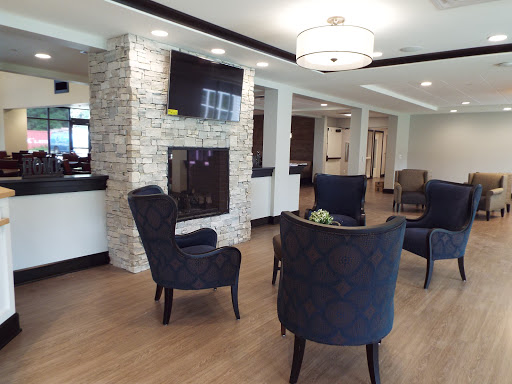
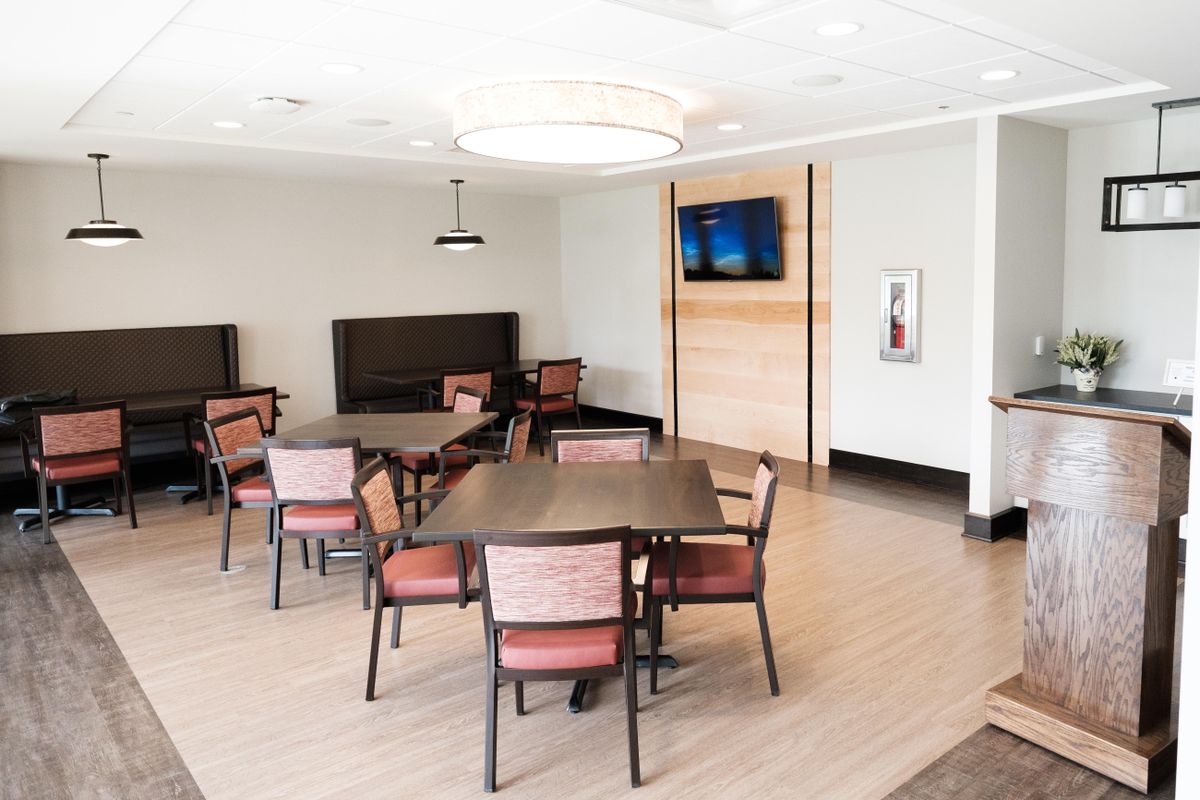
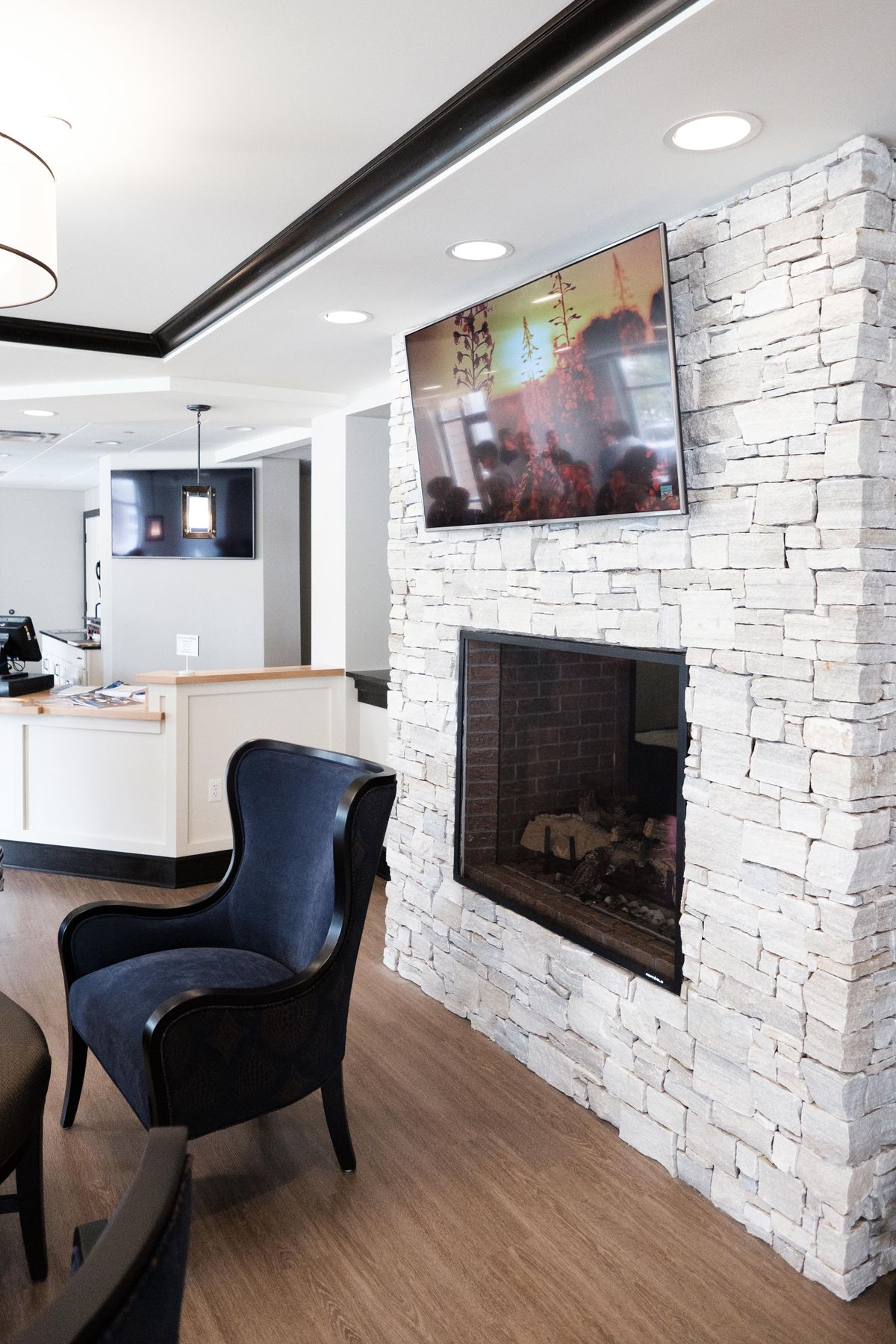
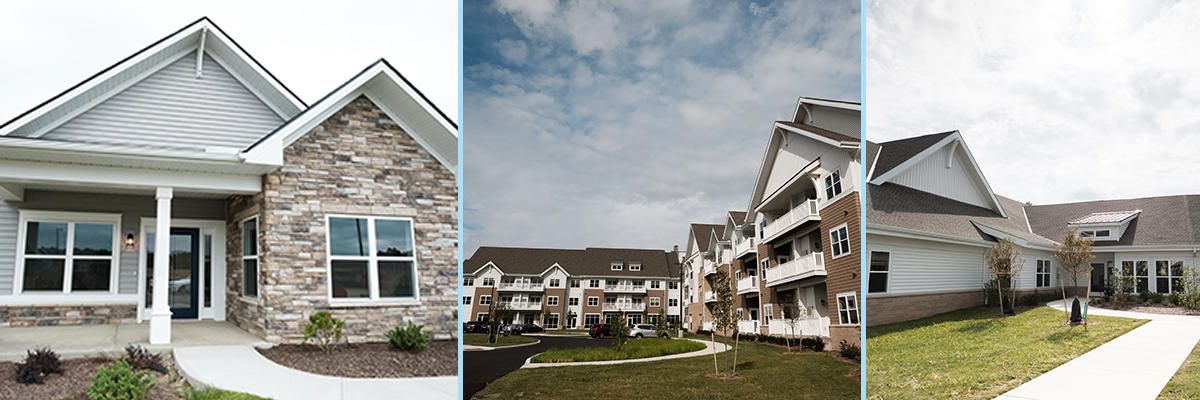
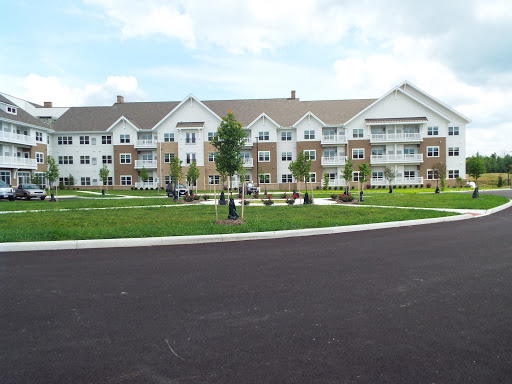
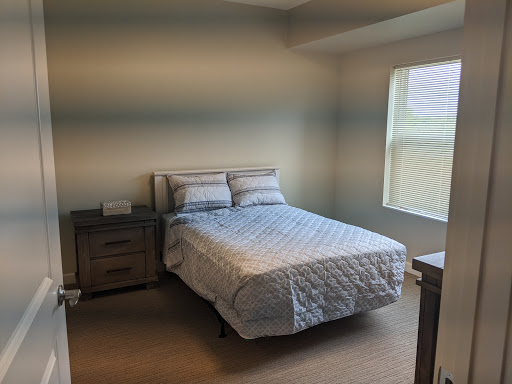
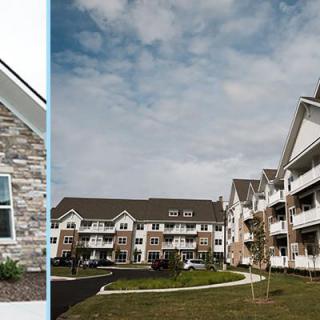
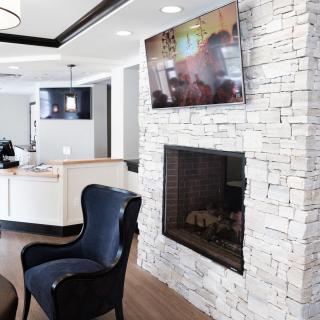
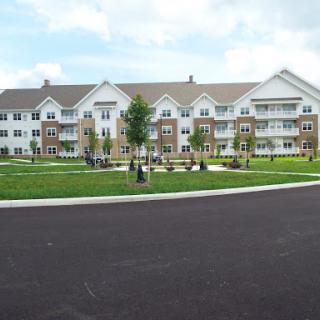
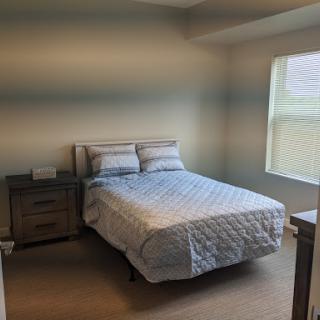
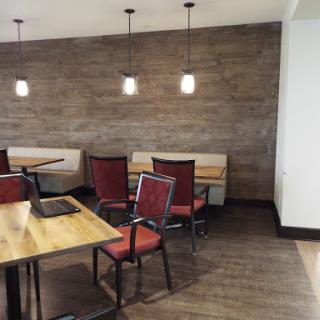
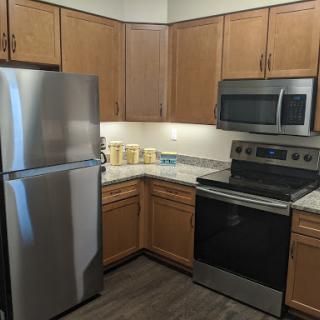
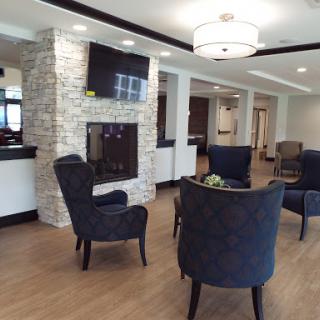
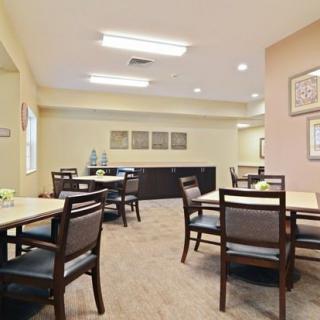
 The establishment is beautifully built.
- The staff are kind and attentive to elderly residents, providing them with fresh air on quiet strolls outside.
- The residents are cared for with evident compassion.
- The facility is beautiful, and the community is excited to join it.
- The Sisters of Notre Dame built a wonderful senior living campus.
- The small homes are a blessing for those with memory loss.
- The facility is highly recommended by visitors to others.
Review
Jennings at Notre Dame Village is best suited for seniors who need a memory-aware, homelike living environment and for families who place a premium on quiet dignity, compassionate caregiving, and a faith-based setting. The campus presents itself as beautifully built, with purposefully designed small home neighborhoods that can feel more like a private residence than an institution. Reviewers point to attentive staff who offer patient interaction, outdoor time, and steady supervision, all of which matter for dementia care. The Sisters of Notre Dame heritage underpins daily life here, lending a reassuring tone of community values and steady, respectful routines that many families associate with security and trust.
Alternatives become more appealing for residents whose needs exceed what an assisted-living/memory-care model on a single campus can deliver. If a resident requires intensive medical oversight, more aggressive therapy schedules, or a bustling, activity-rich calendar, other communities may provide the depth and pace sought. Similarly, families seeking a more urban setting with broader hospital access, or those who want a facility with a larger, more varied dining and programming lineup, may find different options more satisfying. In short, the calm, intimate campus design is a strength, but it may not align with every care plan or lifestyle preference.
On the upside, the top strengths are tangible: the facility is described as beautiful, with a sense of calm that permeates daily life. The staff are frequently praised for their warmth and competence with elderly residents, especially those facing memory challenges. The small-home format is repeatedly called a blessing for memory care because it supports familiar routines, easier navigation, and more personalized attention. Outdoor time and fresh air are structured into residents’ days, which helps mood and behavior. The faith-based orientation and the sense that a dedicated caregiving culture underpins operations emerge as meaningful differentiators for families weighing the environment and the daily experience of residents.
Yet no community is flawless, and a solitary one-star review surfaces as a reminder that experiences can diverge. While the overall rating remains strong, evaluators should acknowledge that expectations around pace, programming variety, or medical oversight can color impressions differently. The strongest offset to these potential concerns is the combination of a beautifully designed, dementia-friendly setting with highly engaged staff who know residents well and deliver consistent daily care. In this light, the campus’ calm, reliable routines, plus the reassurance of a faith-guided mission, tend to offset the opacity that can accompany memory-care environments when individual needs shift.
For families comparing options, key questions should center on whether memory-care neighborhoods or small-home layouts align with their loved one’s needs, and what the staffing ratios look like during peak hours. Prospective residents should tour specifically the memory-care areas, talk with staff about how daily activities balance safety with independence, and ask how outdoor time is scheduled across seasons. It’s wise to inquire about transition support from independent living or from another setting, and to obtain a clear sense of what is included in the monthly fee versus add-ons. A candid discussion about expectations now can prevent mismatch later.
Overall, Jennings at Notre Dame Village emerges as an excellent choice for families prioritizing a serene, home-like memory-care environment with consistently caring staff and a faith-driven, values-led approach. It is especially well-suited for residents who thrive on predictability, personalized attention, and a setting in which small, neighborhood-like homes support memory loss. It may be less suitable for those needing intensive medical services, high-energy programming, or urban convenience. For families ready to explore, a targeted tour followed by conversations with the administrator will confirm memory-care options, care schedules, and the true alignment with the loved one’s care goals.
 72 resident community capacity
 Assisted Living
 Independent Living
 Activities on-site
 Air-conditioning
 Beauty salon
 Cable or satellite TV
 Computer center
 Devotional services off-site
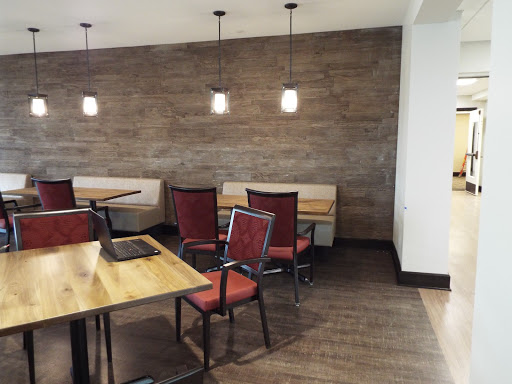
 Dining room
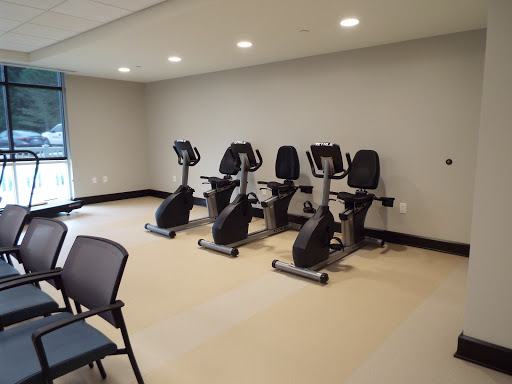
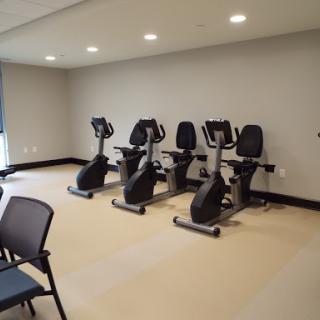
 Fitness room
 Fully furnished
 Gaming room
 Garden
 Housekeeping services
 Indoor common areas
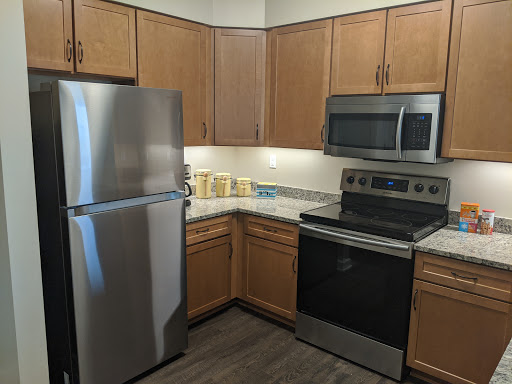
 Kitchenette
 Move-in coordination
 Outdoor space
 Private bathrooms
 Restaurant-style dining
 Small library
 Telephone
 Wellness center
 Wi-Fi/high-speed internet available
 Community operated transportation
 12-16 hour nursing
 24-hour call system
 Ambulatory care
 Assistance with bathing
 Assistance with dressing
 Assistance with transfers
 Diabetic care
 Medication management
 Mental wellness program
 Transportation arrangement (medical)
 Diabetes diet
 Special dietary restrictions
 Concierge services
 Planned day trips



 8 Key Indicators That Suggest It May Be Time to Transition from Assisted Living to Skilled Nursing Care
 Vibrant Senior Living: A Comprehensive Guide for Active Older Adults
 When to Transition from Assisted Living to Memory Care: Key Indicators, Steps, and Finding the Right Community