
310 S Grand Blvd # Lobby, St. Louis, MO 63103
To contact a resident: (314) 531-5701
For more information about senior living options: (866) 208-4318
Overall Review of Council Tower Apartments
Pros
 Avis and Alisa are very friendly and helpful.
- Avis, the property manager, is very nice and very helpful when it comes to residents’ needs.
- The management is very helpful.
- The building is extremely safe and secure.
- The location is centrally located near bus routes, Metro, hospitals, groceries, and downtown attractions.
- The apartment offers a nice view.
- The neighbors are sweet.
Cons
 There has been no communication to residents since the new owners took over.
- The elevators aren’t working.
- The manager hasn’t introduced himself or addressed the many issues in the building.
- The building is described as in shambles and likely to close soon.
- Management is described as very poor, with only one working elevator for 226 apartments.
- Exit stairwell doors are locked during emergencies.
- There are mice, roaches, bed bugs, and rats, with no security, making parking unsafe.
- There is no security and people sleep on the stairwells; this is sad for senior citizens.
- The daily announcements are so loud they give residents headaches.
Review
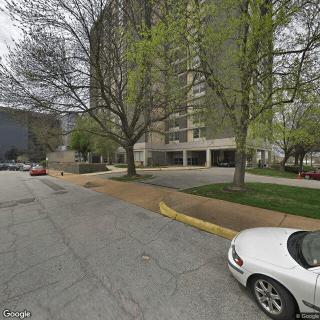
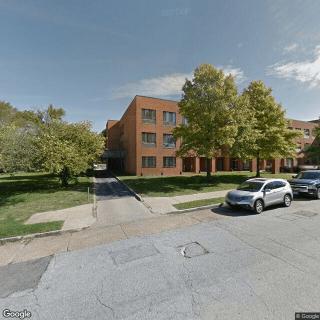
Council Tower Apartments in downtown St. Louis is best suited for independent seniors who prize location and city access, and who can tolerate ongoing maintenance and safety gaps. This building rewards residents who want easy proximity to bus routes, Metro access, hospitals, groceries, and downtown attractions, and who enjoy high-rise city living with a view. It is not a fit for anyone seeking a flawlessly run, security-forward environment or for residents with significant mobility or health needs that require dependable building systems, continuous management oversight, and rigorous pest and safety controls. In short, it serves a subset of urban seniors who can advocate for themselves and endure a rough-around-the-edges operating reality.
The strongest positives lie in the location and the basics that support daily life. Several residents highlight the convenience of living steps from transit, medical facilities, and groceries, with the added perk of a nice view from upper floors. A few residents praise helpful staffers, particularly Avis and the assistant manager, and point to functional in-unit or building amenities such as a dishwasher, microwave, and a downstairs laundry area as meaningful conveniences. The community room and pavilion offer social and practical value, and for some, the overall apartment feel remains cozy and pleasant despite the surrounding chaos. These elements create a lived-in appeal that can keep a resident engaged and content when the core building operations hold steady.
Yet the baseline realities of operation overshadow the positives in a meaningful way. The most consequential drawbacks are persistent: only one elevator available in a 226-unit building, with ongoing maintenance challenges that render mobility and evacuation risky. Communication from new ownership has been poor, leaving residents feeling unheard and ill-informed about what’s happening inside the building. Emergency egress concerns surface loudly in several reviews, including locked exit stairwells, which is unacceptable for seniors who may need quick, reliable routes out during a crisis. Pest problems, mice, roaches, bed bugs, and even rats outside, undercut comfort and perceived safety. Compounding these issues are sporadic security lapses and loud in-unit announcements that intrude on sleep and daily routines, creating a sense of instability that many do not want to tolerate long term.
These pros and cons interact in a way that makes the decision sharply situational. For a resident who thrives on urban energy, customizes their living routine around a strong support network, and can tolerate ongoing maintenance churn, the location, apartment features, and occasional friendly staff interactions can still create a livable, even appealing, environment. For others, especially those with mobility limitations, differing health needs, or a priority on predictable safety and service continuity, the drawbacks overwhelm the upside. The contrast between “nice view” and “dangerous shortcuts for exits” is not a small one in senior living; it defines whether this community remains a comfortable home or a source of chronic concern.
Prospective residents who should consider alternatives are those who cannot tolerate unreliable elevators, closed or mismanaged emergency routes, or pest-related health risks. Families and seniors who require steady, professional on-site management, robust security, and a transparent remediation plan will likely look elsewhere. Those who value peace of mind, a predictable maintenance schedule, and a pest-free, clearly communicated environment should seek a community with stronger oversight and more consistent operations. If choosing Council Tower, it is wise to enter with a plan: insist on documented elevator uptime, a concrete pest-control regimen, an active security protocol, and a remediation timetable from the new ownership before commitment.
In the end, the verdict is decisive. Council Tower is a viable urban home for self-reliant seniors who prize centrality and skyline living and who are prepared to tolerate significant management and safety gaps. It is not the right choice for those who need unwavering reliability, comprehensive on-site security, or pest-free tranquility. For risk-averse residents and families seeking a straightforward, well-run environment, alternatives that offer stronger governance and clearer emergency procedures will be the wiser path. If the decision is to stay, the path forward requires proactive engagement, vigilance about building conditions, and a readiness to press for timely fixes and clear communications.
 Independent Living
 Lambert-St Louis International (11 miles away)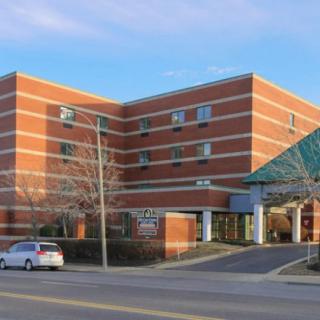


 Understanding Hospice Care at Home: Comprehensive Services, Key Benefits, and Eligibility
 Understanding the Full Cost of 24/7 In-Home Care: A Detailed Overview
 Exploring the World of Home Health Nurses: Qualifications, Roles, and Hiring Tips