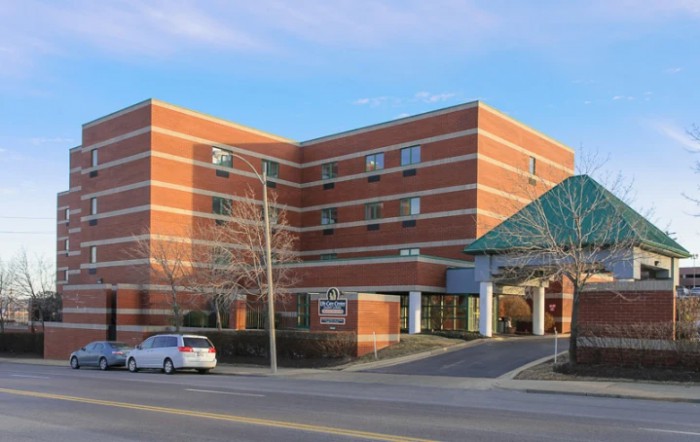
Life Care Center Of St Louis

Save

Life Care Center Of St Louis

3520 Chouteau Avenue, Saint Louis, MO 63103

For more information about senior living options: (844) 490-3973

3.7 from 73 reviews
5 stars
43
4 stars
6
3 stars
2
2 stars
2
1 stars
20

Skilled Nursing Facility

Overall Review of Life Care Center Of St Louis

Pros

  • pro The staff are described as friendly, attentive, and courteous.
  • pro The facility is clean, accessible, and well-maintained.
  • pro Families feel welcomed and supported; staff feel like family and make patients feel at home.
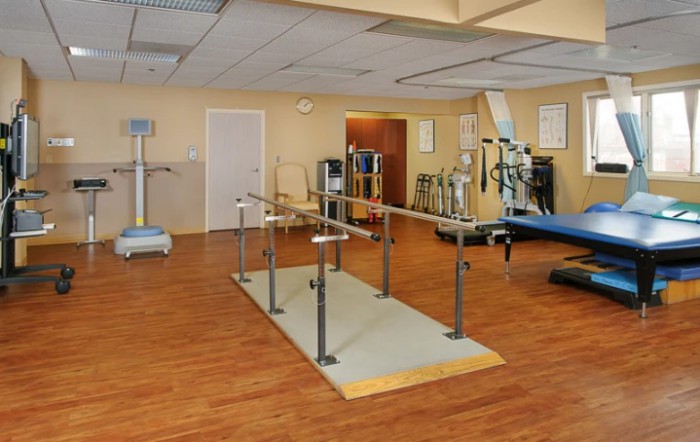
  • pro PT and OT services are wonderful and help patients reach their goals.
  • pro Administrators and social services staff are praised for coordinating care and communicating with families.
  • pro The front desk is pleasant, and visitors feel welcome.
  • pro Food is excellent.
  • pro Upgrades and improvements are underway, indicating ongoing potential for the facility.

Cons

  • pro They described the facility as horrible and under-staffed, with unprofessional, rude nursing staff who did not care for residents.
  • pro They alleged neglect that nearly led to the aunt's death.
  • pro They claimed there were not enough nurses and that staff were lazy and passing the buck.
  • pro They reported a nurse hung up on them and overall poor communication.
  • pro They said the building smelled and needed repairs.
  • pro They noted the toilet in the room was broken for several days.
  • pro They complained about insufficient visitor parking, forcing them to park in the employees' area.
  • pro They claimed another patient's information appeared in their aunt's chart, a privacy violation.

Review

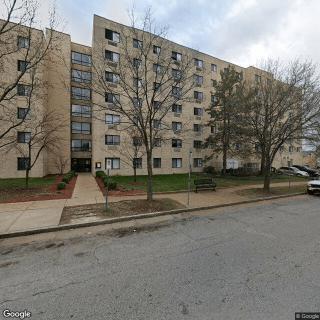
Across the collected impressions, Life Care Center of St. Louis emerges as a place that many people remember for warmth, accessibility, and a sense of being cared for like family. A number of reviewers highlight very positive experiences: staff who are friendly, courteous, and helpful; a welcoming atmosphere that makes patients and families feel at home; and therapists who are described as attentive and capable in guiding recovery. Several reviewers talk about the facility being clean and well-kept, with upgrades in progress that signal ongoing investment in the environment. The consensus among these voices is that, when things go well, the care is practical, patient-centered, and reassuring for families navigating rehab and discharge planning.

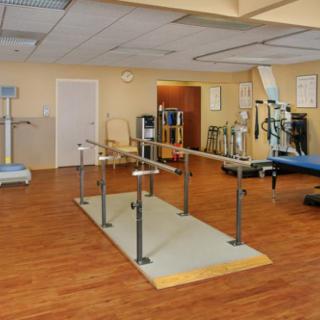
On the rehabilitation side, there are favorable notes about the effectiveness of physical therapy and occupational therapy. Several patients credit the PT and OT teams with helping them reach personal goals and regain independence, with several mentions of specific improvements that enabled people to return home. The staff routinely described as professional, knowledgeable, and patient contribute to a sense of progress and optimism. The social work and administration teams are also remembered positively by some families, who speak about multi-disciplinary conferences and proactive planning that help families understand care options and the path forward.

Food and daily living logistics are also mentioned positively in many reviews. Some patients praise the quality of meals as well-prepared or enjoyable, and there's appreciation for attentive service and clean, quiet rooms. A number of reviewers describe the staff as making an extra effort to ensure comfort and safety, and several accounts emphasize the compassionate, even spiritual, support that helped patients feel cared for beyond the physical aspects of rehab.

However, the breadth of experiences includes significant concerns that color the overall impression. A common thread among negative reviews is about staffing levels and responsiveness. Critics describe scenarios where the facility felt understaffed, with call buttons not answered promptly and essential tasks left undone. In some cases, families report frustration with inconsistent communication from leadership or a lack of timely updates about plans of care, discharge timelines, or room changes. These concerns extend to administrative processes, where families report difficulty obtaining information or feeling sidelined when decisions about care and placement were being made.

Specific safety and care issues are cited in several accounts. One reviewer mentions a broken toilet that persisted for days, another notes a misplacement or mishandling of wheelchair foot rests, and a lactose-intolerant family member reports multiple lapses in dietary accommodations. One particularly severe review describes a chain of events involving alleged neglect, alleged HIPAA violations, and administrative turnover, with a strong warning to others about putting loved ones in the facility. The intensity of that account contrasts sharply with the more positive experiences; while it is one voice among many, it raises alarm bells about patient safety, privacy, and the effectiveness of oversight.

Parking and facility logistics also come up in the critiques. A reviewer points out insufficient visitor parking, especially in handicapped spaces, and the frustration of having to park in the employee area. These logistical concerns may seem minor compared to access to care, but they contribute to a larger sense of inconvenience and lack of coordination for families visiting loved ones.

In sum, the Life Care Center of St. Louis is seen by many as a place with genuine strengths: a friendly, caring staff; clean facilities; strong rehabilitation services; and a supportive atmosphere that helps patients feel understood and encouraged. Yet there are equally forceful reports of systemic problems - staffing shortages, communication gaps, and occasional safety or privacy concerns - that undermine confidence for some families. The range of experiences suggests that the location has real potential and many success stories, but it also requires ongoing attention to staffing, administrative communication, patient safety practices, and consistent adherence to care plans. For families considering the facility, a careful, in-person review of the current staff, care processes, and the specific needs of the patient is advisable, along with direct conversations with administrators about how concerns will be addressed and what steps are in place to ensure timely communication and reliable care.

Features

Housing

  • 100 resident community capacity 100 resident community capacity

Types of Care

  • Skilled Nursing Facility Skilled Nursing FacilitySkilled Nursing Facilities are crucial for seniors as they provide round-the-clock medical care, rehabilitation services, and assistance with daily activities. These facilities ensure that seniors receive the specialized care they need to maintain their health and well-being as they age.

Amenities

  • Air-conditioning Air-conditioningAir conditioning is important for seniors as they are more vulnerable to heat-related illnesses and may have underlying health conditions that make it difficult for them to regulate their body temperature. It helps to keep them comfortable, safe, and healthy in hot weather.
  • Beauty salon Beauty salonBeauty salons are important for seniors because they provide a space for them to feel pampered, socialize, and maintain their personal grooming and hygiene. Regular visits to a beauty salon can help boost seniors' self-esteem and overall well-being.
  • Cable or satellite TV Cable or satellite TVCable or satellite TV is important for seniors because it provides entertainment, news, and companionship, helping to combat loneliness and boredom. It also offers a wide range of programming options tailored to different interests and preferences.
  • Computer center Computer centerA computer center is essential for seniors as it provides access to technology, communication tools, and resources that can enhance their daily lives. It allows them to stay connected with loved ones, engage in online activities, and learn new skills, ultimately promoting socialization and mental stimulation.
  • Dining room Dining roomDining rooms are important for seniors as they provide a space for socialization, connection, and nutritious meals. They offer opportunities for residents to bond over shared meals, foster a sense of community, and promote healthy eating habits. Dining rooms also ensure that seniors have access to well-balanced meals tailored to their dietary needs and preferences.
  • Fitness room Fitness roomHaving a fitness room in a senior living community is essential for seniors to stay active, maintain their physical health, and improve their overall well-being. Regular exercise can help prevent falls, reduce the risk of chronic diseases, and promote mental sharpness. It also provides social opportunities for residents to connect with others and enjoy a sense of community.
  • Fully furnished Fully furnishedFully furnished senior living communities are important for seniors because they provide convenience, comfort, and a hassle-free moving experience. Seniors can easily settle into their new living space without the stress of having to buy and move furniture. This allows them to focus on enjoying their new home and community.
  • Gaming room Gaming roomGaming rooms are important for seniors as they provide a fun and engaging environment for socializing, cognitive stimulation, and physical activity. Games can improve memory, problem-solving skills, and overall mental well-being while fostering friendships and reducing feelings of isolation.
  • Garden GardenGardens are important for seniors as they provide a peaceful and therapeutic environment for relaxation, physical activity, and socialization. Being in nature has been shown to reduce stress, improve mood, and promote overall well-being. Gardens also offer opportunities for seniors to engage in gardening activities, which can improve mobility, flexibility, and cognitive function. Additionally, gardens create a sense of community and connection with others who share a passion for plants and outdoor spaces.
  • Housekeeping services Housekeeping servicesHousekeeping services are important for seniors because they help maintain a clean and safe living environment, promote independence, and reduce the risk of accidents or illnesses. Additionally, having assistance with household chores can alleviate physical strain and allow seniors to focus on other aspects of their well-being.
  • Kitchenette KitchenetteKitchenettes are important for seniors living in senior living communities because they provide the convenience and independence of being able to prepare simple meals and snacks in the comfort of their own living space. This can help promote a sense of autonomy and well-being for seniors, allowing them to maintain some level of control over their dietary choices and daily routines.
  • Move-in coordination Move-in coordinationMove-in coordination is important for seniors because it helps ease the transition into their new living environment. It ensures that all logistics, such as packing, organizing movers, and setting up utilities are taken care of, allowing seniors to focus on settling in and adjusting to their new home. Having a smooth move-in process can alleviate stress and anxiety, making the transition smoother and more enjoyable for seniors.
  • Outdoor space Outdoor spaceOutdoor spaces are important for seniors as they provide opportunities for physical activity, social interaction, exposure to natural light and fresh air, and a sense of connection to nature. Having access to outdoor spaces can improve overall well-being and quality of life for older adults living in senior communities.
  • Private bathrooms Private bathroomsPrivate bathrooms are important for seniors in senior living communities because they provide independence, dignity, and comfort. Having a private bathroom allows seniors to maintain their personal hygiene routines without the need for assistance, promoting a sense of autonomy and privacy. Additionally, private bathrooms help prevent the spread of infections and provide a safe and clean environment for seniors to navigate safely.
  • Restaurant-style dining Restaurant-style diningRestaurant-style dining is important for seniors because it allows them to enjoy delicious, nutritious meals in a social and upscale setting. This enhances their dining experience, promotes healthy eating habits, and fosters socialization with fellow residents, ultimately contributing to their overall well-being and quality of life.
  • Small library Small librarySmall libraries are important for seniors as they provide access to a variety of reading materials, including books, newspapers, and magazines. This can help stimulate their minds, keep them engaged, and provide a sense of community through book clubs and other social activities. Additionally, reading has been shown to improve cognitive function and overall mental well-being in older adults.
  • Telephone TelephoneTelephones are important for seniors as they provide a lifeline for communication with loved ones, emergency services, and healthcare providers. They offer a sense of security and independence, enabling seniors to stay connected and access assistance when needed.
  • Wellness center Wellness centerWellness centers are important for seniors because they offer a variety of programs and services that promote physical, mental, and emotional well-being. These centers provide opportunities for exercise, socialization, education, and relaxation, helping seniors maintain their overall health and quality of life.
  • Wi-Fi/high-speed internet available Wi-Fi/high-speed internet availableWi-Fi/high-speed internet is important for seniors to stay connected with loved ones, access online resources, and participate in virtual activities to combat feelings of loneliness and isolation. It also allows them to easily manage healthcare needs, access entertainment, and engage in lifelong learning opportunities.

Transportation

  • Lambert-St Louis International (11 miles away) Lambert-St Louis International (11 miles away)
  • Community operated transportation Community operated transportationCommunity operated transportation is crucial for seniors as it provides them with the means to access essential services, social activities, and medical appointments. It allows seniors to maintain their independence and quality of life by ensuring they can participate in activities outside of their homes. Additionally, community-operated transportation services offer a safe and reliable way for seniors to travel without having to rely on family or friends for assistance.
  • Transportation arrangement Transportation arrangementTransportation arrangements are crucial for seniors as they may face challenges with driving, mobility, or access to public transportation. Having reliable transportation services ensures that seniors can easily attend appointments, social activities, and maintain their independence and quality of life.

Care Services

  • 24-hour call system 24-hour call system24-hour call systems are important for seniors because they provide peace of mind and immediate assistance in case of emergencies. This technology ensures that help is always available, promoting safety and security for elderly individuals living alone or in assisted living facilities.
  • 24-hour supervision 24-hour supervision24-hour supervision is important for seniors to ensure their safety, well-being, and access to immediate assistance in case of emergencies or health issues. This constant support provides peace of mind for both seniors and their loved ones, allowing them to age in place with dignity and security.
  • Activities of daily living assistance Activities of daily living assistanceActivities of daily living assistance are important for seniors because they provide essential support with tasks such as eating, bathing, dressing, and mobility. This assistance helps seniors maintain their independence, dignity, and overall quality of life as they age.
  • Assistance with bathing Assistance with bathingAssistance with bathing is crucial for seniors as it helps maintain personal hygiene, prevents infections, and ensures their overall well-being and comfort. It also provides a sense of dignity and independence for seniors who may struggle with this task on their own.
  • Assistance with dressing Assistance with dressingAssistance with dressing is important for seniors because it helps maintain their independence, promotes personal hygiene, prevents accidents and injuries, and improves overall quality of life. This service ensures that seniors can continue to dress comfortably and confidently, despite any physical limitations they may have.
  • Assistance with transfers Assistance with transfersAssistance with transfers is crucial for seniors as it helps prevent falls and injuries, maintains their independence, and ensures they can safely navigate their living environment. It also provides peace of mind for both seniors and their loved ones.
  • Diabetes diet Diabetes dietA diabetes diet is crucial for seniors as it helps manage blood sugar levels, reduce risks of complications, and improve overall health and well-being. By following a balanced and nutritious diet tailored to their specific needs, seniors can better control their diabetes and enhance their quality of life.
  • Meal preparation and service Meal preparation and serviceMeal preparation and service are crucial for seniors as they may have limited mobility or energy to cook nutritious meals. Having access to healthy and convenient food options can ensure they are getting the proper nutrition needed to maintain their overall health and well-being.
  • Medication management Medication managementMedication management is crucial for seniors to ensure they are taking the right medications at the correct dosages and times. This helps prevent adverse drug interactions, reduces the risk of medication errors, and promotes overall health and well-being. Proactive management also allows for adjustments as needed based on changing health conditions or new prescriptions.
  • Special dietary restrictions Special dietary restrictionsSpecial dietary restrictions are important for seniors because age-related changes in metabolism and health conditions can make it difficult for their bodies to process certain foods. By following a diet tailored to their specific needs, seniors can maintain their overall health and well-being, manage chronic conditions, and reduce the risk of complications such as malnutrition or food interactions with medications.

Dining

  • Diabetes diet Diabetes dietA diabetes diet is crucial for seniors as it helps manage blood sugar levels, reduce risks of complications, and improve overall health and well-being. By following a balanced and nutritious diet tailored to their specific needs, seniors can better control their diabetes and enhance their quality of life.
  • Special dietary restrictions Special dietary restrictionsSpecial dietary restrictions are important for seniors because age-related changes in metabolism and health conditions can make it difficult for their bodies to process certain foods. By following a diet tailored to their specific needs, seniors can maintain their overall health and well-being, manage chronic conditions, and reduce the risk of complications such as malnutrition or food interactions with medications.

Activities

  • Community-sponsored activities Community-sponsored activitiesCommunity-sponsored activities are important for seniors as they provide opportunities for social interaction, mental stimulation, and physical activity. These activities can help improve overall well-being, combat loneliness and isolation, and promote a sense of belonging and purpose among older adults.
  • Concierge services Concierge servicesConcierge services are essential for seniors as they provide assistance with daily tasks and errands, enhance their quality of life by offering convenience and personalized care, and promote a sense of safety and security.
  • Fitness programs Fitness programsFitness programs are crucial for seniors as they help improve strength, flexibility, balance, and overall well-being. Staying active can reduce the risk of chronic diseases, improve mental health, and enhance quality of life in older adults.
  • Planned day trips Planned day tripsPlanned day trips are important for seniors because they offer opportunities for socialization, mental stimulation, and physical activity. They provide a change of scenery and help seniors stay engaged and connected to their community, promoting overall well-being and quality of life.
  • Resident-run activities Resident-run activitiesResident-run activities are important for seniors as they encourage social interaction, creativity, and a sense of autonomy. These activities empower seniors to stay engaged and active in their community while fostering meaningful connections with their peers.
  • Scheduled daily activities Scheduled daily activitiesScheduled daily activities are important for seniors because they provide structure, socialization, mental stimulation, and physical activity. Engaging in regular activities can improve overall well-being and quality of life for seniors living in a community setting.

Description

Life Care Center of St. Louis in Saint Louis, MO is an exceptional assisted living community that provides a wide range of amenities and care services for its residents. Our goal is to create a comfortable and enriching environment where seniors can enjoy their golden years.

Residents at Life Care Center of St. Louis have access to various amenities designed to enhance their quality of life. Our beauty salon allows residents to pamper themselves and maintain their grooming routines. They can also relax and unwind with cable or satellite TV in the privacy of their own rooms. Community-operated transportation is available for outings and appointments, ensuring that residents can remain active and engaged in the wider community.

Our computer center allows residents to stay connected with loved ones and explore the digital world. The dining room offers restaurant-style dining, where delicious meals are prepared by our experienced chefs, taking into consideration any special dietary restrictions or diabetes diets. Housekeeping services ensure that residents have a clean and tidy living space, while move-in coordination makes the transition seamless.

Outdoor spaces including gardens provide opportunities for residents to spend time in nature and enjoy fresh air. Private bathrooms offer convenience and privacy, while small library spaces allow for reading and quiet contemplation. Telephone access ensures that residents can stay connected with family and friends, while Wi-Fi/high-speed internet keeps them connected to the wider world. A wellness center is available for staying fit and healthy, and a fitness room provides exercise equipment for physical activity.

At Life Care Center of St. Louis, our dedicated staff provides 24-hour supervision to ensure the safety and well-being of our residents. We offer assistance with activities of daily living such as bathing, dressing, transfers, meal preparation, medication management, transportation arrangements, and more. Special dietary restrictions are taken into consideration when planning meals.

In addition to providing exceptional care services and amenities, we also offer a variety of activities to keep our residents engaged and fulfilled. Concierge services are available to cater to individual needs and preferences. Fitness programs and scheduled daily activities offer opportunities for physical exercise and mental stimulation. Planned day trips allow residents to explore the local area, and resident-run activities encourage social interaction.

Life Care Center of St. Louis is conveniently located near several cafes, parks, pharmacies, physicians, restaurants, transportation options, places of worship, theaters, and hospitals.

In summary, Life Care Center of St. Louis provides a warm and inviting environment where seniors can receive personalized care and enjoy a range of amenities. Our dedicated staff strives to make every resident feel at home while promoting their overall well-being and independence.

Nearby Places of Interest

Hospitals

  • SSM Cardinal Glennon Children's Medical Center (0.4 miles)
  • VA Medical Center Spinal Cord Injury Program (1.2 miles)
  • The Rehabilitation Institute of St Louis (1.5 miles)
  • St Louis Children's Hospital (1.8 miles)
  • St Alexius Hospital (2.9 miles)
  • Metropolitan St Louis Psychiatric Center (3 miles)

Restaurants

  • Salt + Smoke (0.9 miles)
  • McDonald's (1.1 miles)
  • The Gramophone (1.1 miles)
  • Schlafly Tap Room (1.5 miles)
  • John D. McGurk's Irish Pub (1.8 miles)
  • Tucker's Place (1.8 miles)
  • Duke's (1.9 miles)

Cafes

  • Starbucks (1 miles)
  • Starbucks (2.4 miles)
  • Starbucks (2.5 miles)
  • Blueprint Coff (4.1 miles)
  • Starbucks (4.4 miles)

Pharmacies

  • CVS Pharmacy (1 miles)
  • Walgreens (1.3 miles)
  • Walgreens (1.6 miles)
  • Walgreens (2 miles)
  • Globe Drug (2.2 miles)
  • Schnucks (2.2 miles)
  • Walgreens (3.1 miles)

Parks

  • Lafayette Park (1.3 miles)
  • Bar K (1.4 miles)
  • Tower Grove Park (1.7 miles)
  • Citygarden (2.2 miles)
  • Gateway Arch National Park (2.6 miles)
  • Fairground Park (2.9 miles)
  • Wohl Recreation Center / Sherman Park (3.1 miles)

Transportation

  • Amtrak (1.7 miles)
  • Zooline Railroad The Wild (3 miles)
  • MetroLink - Emerson Park Station (5.3 miles)
  • Jet Aviation (5.3 miles)

Physicians

  • Barnes-Jewish Hospital (1.7 miles)
  • BJC Behavioral Health Service - Dinu Petru Gangure MD (1.9 miles)
  • Southwest Medical Center (5.6 miles)
  • University Club Medical (6 miles)

Places of Worship

  • St Ambrose Church (2.1 miles)
  • St Johns Lutheran Church (2.8 miles)
  • Macedonia Baptist Church (4.5 miles)
  • St Raphael the Archangel Church (4.9 miles)
  • Old Orchard Church (5.9 miles)

Theaters

  • AMC Esquire 7 (4.5 miles)

Frequently Asked Questions

Where is Life Care Center Of St Louis?
What photos are available for Life Care Center Of St Louis in Saint Louis, Missouri?

Nearby Communities

Related Resources

  • best dog for seniorsTop Canine Companions for Older Adults

    Dogs can greatly improve the lives of older adults by offering emotional support and encouraging physical activity, with factors such as size, temperament, and grooming needs being crucial in selecting a suitable breed. Senior dogs often make ideal companions for this demographic, promoting social connections and requiring care routines that align with seniors' capabilities.

  • elderly blood pressure chartComprehensive Guide to Blood Pressure Charts for Older Adults: Understanding Normal and High Readings by Age

    The guide on blood pressure charts for older adults stresses the importance of understanding normal and high blood pressure readings influenced by age, genetics, and lifestyle, while emphasizing regular monitoring and lifestyle modifications to prevent serious health issues. It provides insights into blood pressure categories, dietary recommendations, medication considerations, and the role of caregivers in supporting healthy habits.

  • how to pay for nursing home care with social securityFinancing Long-Term Nursing Home Care Through Social Security: A Thorough Exploration


    The article explores the complexities of using Social Security to finance long-term nursing home care in the U.S., detailing eligibility requirements and misconceptions, while emphasizing that these benefits often do not cover full costs and highlighting the need for strategic financial planning and professional guidance.