Vineyard Community Living - Plymouth Costs & Pricing
Vineyard Community Living in Plymouth offers competitive pricing for its accommodations compared to both Plymouth County and the wider Massachusetts region. For a one-bedroom unit, residents can expect to pay $4,000 per month, which represents a significant savings compared to the county average of $5,394 and the state average of $5,349. Similarly, the cost for a two-bedroom apartment is set at $5,000, again lower than the county's average of $5,799 and Massachusetts' average of $6,151. These pricing metrics suggest that Vineyard Community Living provides not only quality living options but also affordability within a desirable community setting.
Floor plans
Vineyard Community Living - Plymouth
Plymouth County
Massachusetts
1 Bedroom
$4,000
$5,394
$5,349
2 Bedrooms
$5,000
$5,799
$6,151
Independent Living communities with a similar price nearby
Overall Review of Vineyard Community Living - Plymouth
caveat4 reviews mention this
Noise and barking come up
Noise levels and dog barking are recurring concerns in the reviews.
Some residents say they can hear a lot from nearby apartments, including footsteps and day-to-day sounds. A separate concern is barking or howling from an individual dog, which affected the resident’s rating. Even when overall upkeep is praised, noise shows up often enough that it limits the experience for a subset of residents.
common18 reviews mention this
Management and maintenance responsiveness
Residents consistently describe responsive, helpful staff and maintenance.
Across many reviews, residents describe getting help quickly when they need something, with maintenance and management addressing issues in a timely way. Several people mention repairs being handled promptly and the property feeling well run. A few reviews also note breakdowns in follow-through for specific maintenance concerns, but the dominant theme is that the staff is generally attentive and efficient.
common10 reviews mention this
Activities help build community
On-site events and off-site outings give residents regular ways to connect.
Residents often point to the variety of community activities, including weekly groups and social events that make it easier to meet neighbors. The reviews also mention outings and things to do nearby, which supports the sense that there’s always something happening. This lines up with the community offering both on-site and off-site activity programming.
common5 reviews mention this
Pet-friendly, with some caveats
The community is described as pet-friendly by multiple residents.
Several residents say they enjoy living there with pets, including dogs, and describe the community as a good fit for animal-friendly living. At the same time, at least one review flags barking from a specific dog as a problem that lowered their rating. Overall, pet-friendliness appears to be a real draw, but it doesn’t eliminate concerns about individual animal behavior or apartment sound transmission.
caveat2 reviews mention this
Pricing feels like value for some
Some residents mention affordability concerns alongside positive value comments.
A couple of residents frame the community as good value for what’s included, while another notes they may not be able to continue due to higher costs and utilities. Those mixed comments suggest pricing can feel manageable for some, but it can be a deciding factor for others depending on personal budget pressure. The listing’s pricing positioning also indicates rents are not consistently framed as the cheapest option.
How we summarize
Counts show how many written reviews mention each theme; a review can touch several themes, and only frequently mentioned themes are displayed.
Features
Types of Care
Independent Living
Pets
Cats allowed
Dogs allowed
Amenities
Activities off-site
Activities on-site
Air-conditioning
Bath tubs
Beautician on-site
Fireplaces
Full kitchen
Ground floor units
Handicap accessible
Indoor common areas
Outdoor common areas
Swimming pool / hot tub
Wheelchair accessible showers
Care Services
Medication management
Dining
Gluten-free
International cuisine
Kosher
Low / no sodium
Meals provided
No Sugar
Organic
Professional chef
Room service
Vegan
Vegetarian
Activities
Activities off-site
Activities on-site
Art classes
Community service programs
Day trips and outings
Educational speakers / life long learning
Happy hour
Live dance or theater performances
Live musical performances
Tai Chi
Yoga / chair yoga
Nearby Places of Interest
This area of Plymouth, Massachusetts offers a variety of amenities and services that could be appealing for senior living. With several physicians, pharmacies, and hospitals nearby, residents have easy access to medical care. There are also a number of restaurants and cafes within a short distance, providing dining options for convenience and enjoyment. Additionally, the proximity to parks allows for opportunities to enjoy the outdoors and stay active. The presence of transportation options like Plymouth Municipal Airport may be beneficial for those who need to travel or have visitors coming from out of town. Overall, this area provides a well-rounded mix of resources that could support a comfortable and convenient lifestyle for seniors.
Physicians
Fresenius Medical Care (0.2 miles)
Plymouth Dermatology Associates (0.4 miles)
Post O'Connor and Kadrmas Eye Centers (1.6 miles)
All Ears Hearing Center (1.7 miles)
Plymouth Internal Medicine (1.7 miles)
Pulmonary & Primary Care Associates PC (1.7 miles)
Asthma & Allergy Physicians (1.8 miles)
Pharmacies
CVS Pharmacy (0.5 miles)
Balboni's Drug Store (0.7 miles)
Health Mart Pharmacy (0.7 miles)
Walgreens (2 miles)
CVS Pharmacy (2.1 miles)
Masciantonio, Richard A - Richard A Masciantonio (2.1 miles)
CVS Pharmacy (3 miles)
Restaurants
3A Cafe & Bakery (0.7 miles)
Cancun Family Mexican Restaurant (1.5 miles)
Pinz (1.5 miles)
Waterfront Bar and Grill (1.7 miles)
East Bay Grille (1.7 miles)
Lobster Hut (1.7 miles)
CabbyShack (1.8 miles)
Parks
Nelson Street Park (1.4 miles)
Plymouth Waterfront State Park (2.2 miles)
Brewster Gardens (2.3 miles)
Off the Wall Kidz (7.1 miles)
Halifax Town Playground (8.7 miles)
Cafes
Starbucks (2.2 miles)
Water Street Cafe (2.3 miles)
Starbucks (3.1 miles)
Panera Bread (4 miles)
Plane Jane's Place (5.2 miles)
Coffee Shack (7.4 miles)
Hospitals
Rehabilitation Hospital Of The Cape And Islands (2.4 miles)
Beth Israel Breast Center (3.5 miles)
Beth Israel Deaconess Hospital Plymouth (3.5 miles)
Vineyard Community Living in Plymouth offers competitive pricing for its accommodations compared to both Plymouth County and the wider Massachusetts region. For a one-bedroom unit, residents can expect to pay $4,000 per month, which represents a significant savings compared to the county average of $5,394 and the state average of $5,349. Similarly, the cost for a two-bedroom apartment is set at $5,000, again lower than the county's average of $5,799 and Massachusetts' average of $6,151. These pricing metrics suggest that Vineyard Community Living provides not only quality living options but also affordability within a desirable community setting.
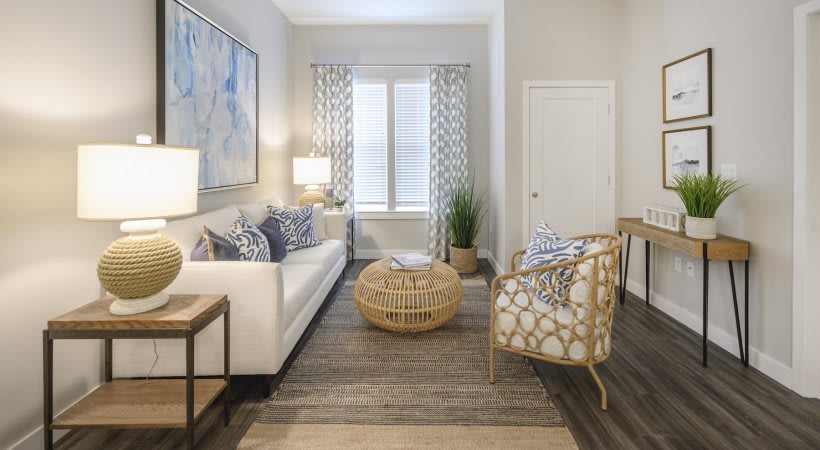
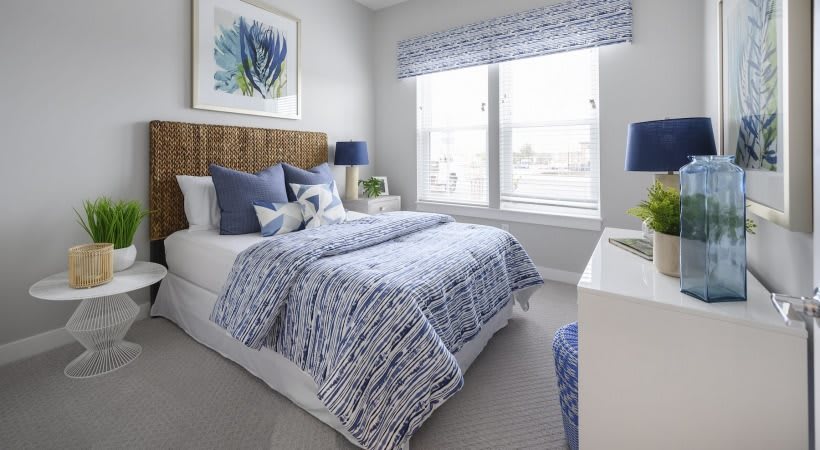
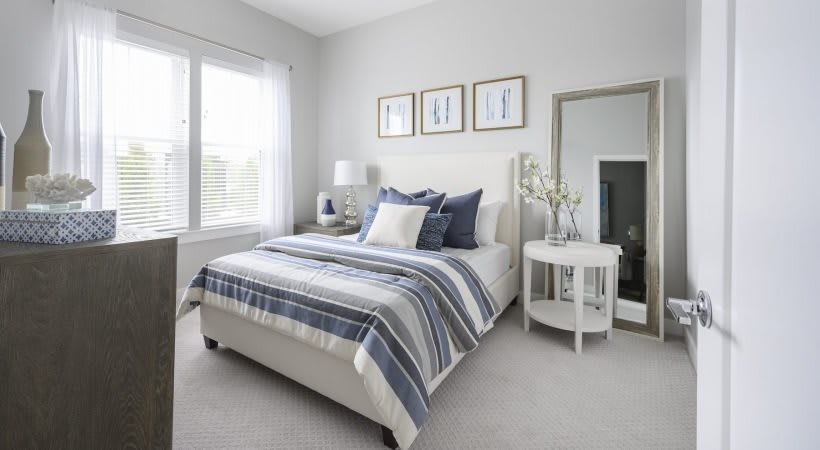
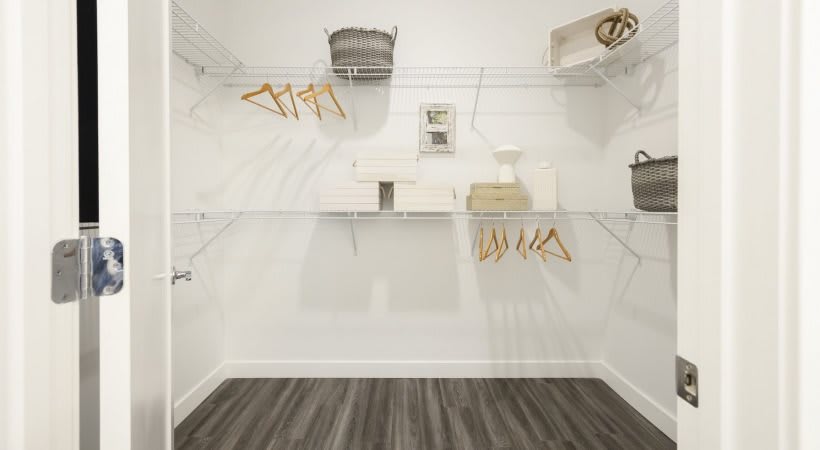
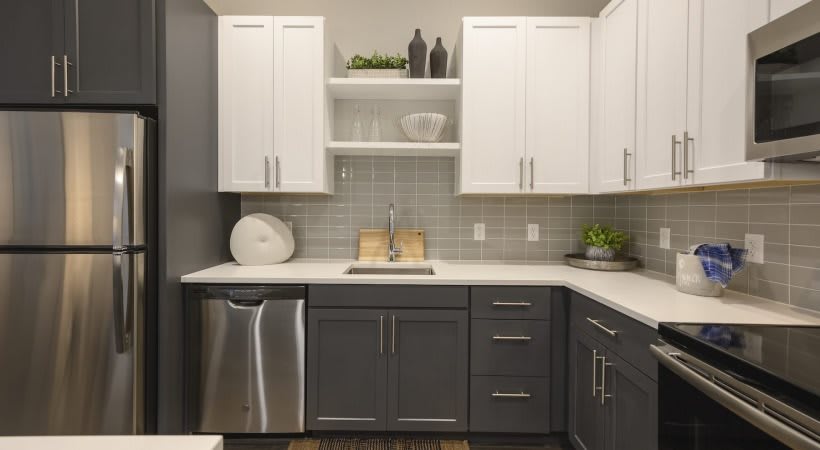
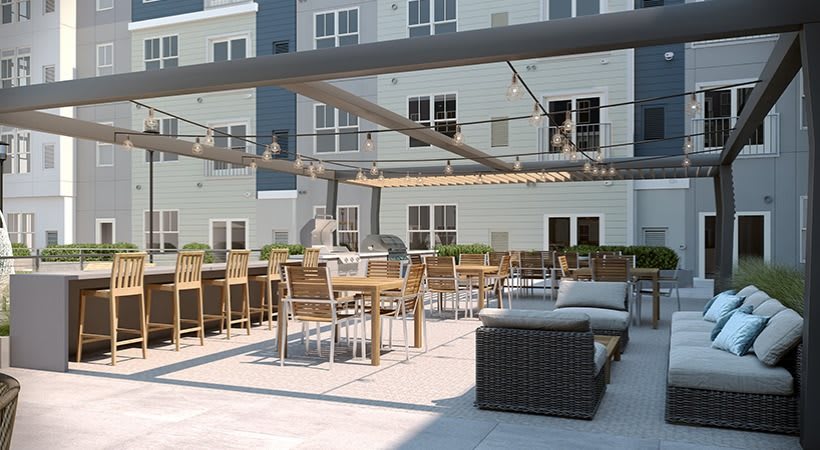
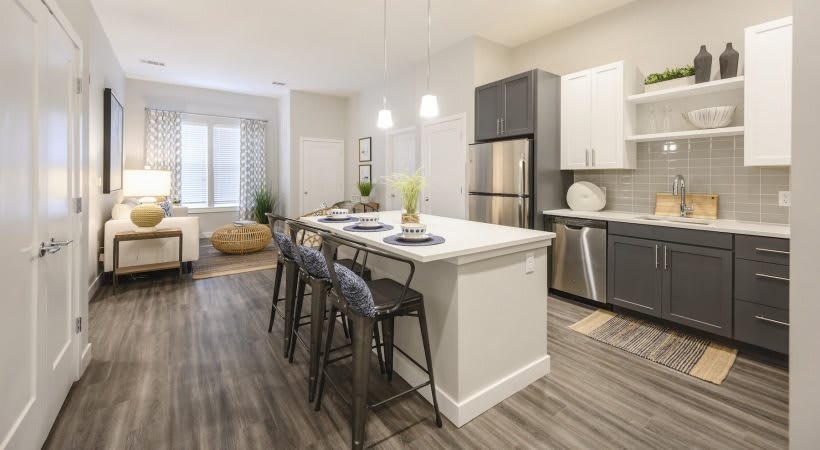
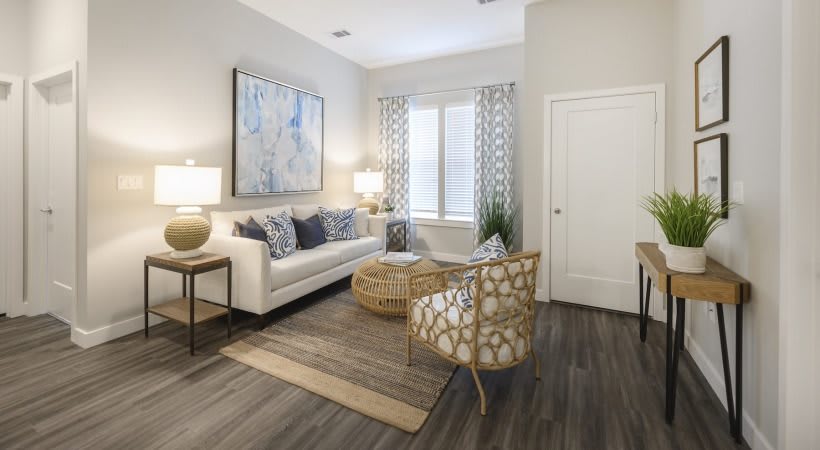
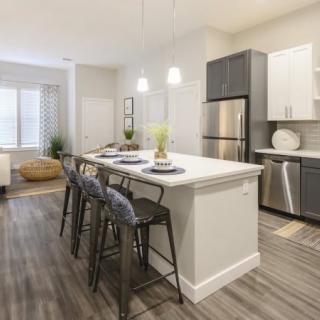
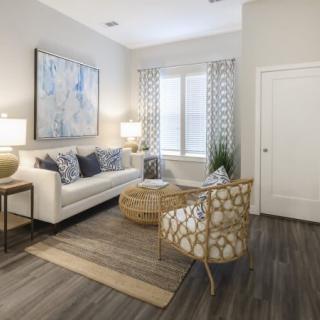
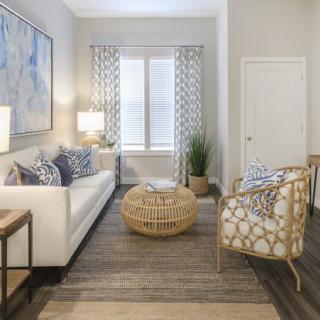
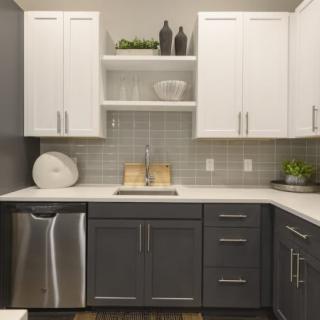
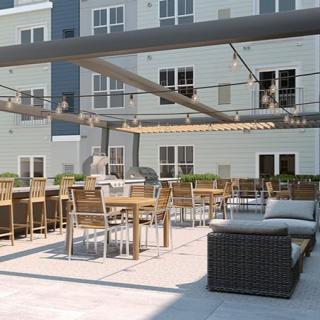
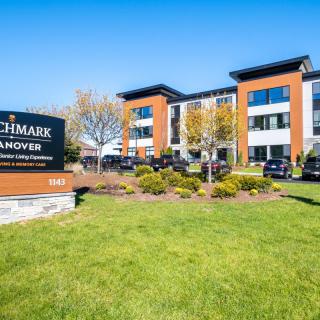
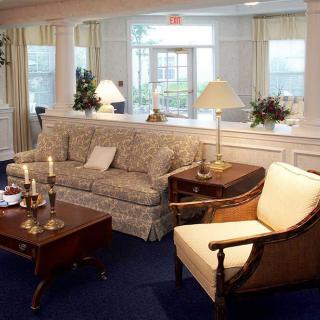
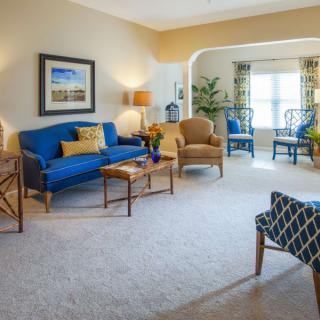
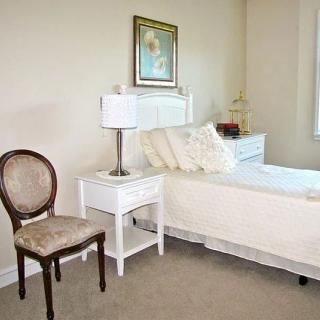
Vineyard Community Living - Plymouth on seniors.fyi includes 11 photos including images showing interior, decor, bedroom, patio, seating area, kitchen, appliances, living room, and more.
Nearby Communities
Comfort Keepers
Plymouth, MA
4.6 from 47 reviews
Great access to nearby healthcare, dining, parks, and shops.
Bayada Nurses - Plymouth
Plymouth, MA
Personalized care in a peaceful, amenity-rich area
Chilton House Inc
Plymouth, MA
2.9 from 9 reviews
$3,000 / month
Prime waterfront location with nearby shops and restaurants.
Guided Living Senior Home Care
Plymouth, MA
4.9 from 49 reviews
Excellent access to nearby amenities and healthcare.
Summer Reach
Plymouth, MA
4.2 from 16 reviews
Intimate, small-capacity community with meal service/dietary accommodations and strong local medical access.
Newfield House
Plymouth, MA
4.5 from 21 reviews
Caring, attentive staff in a bright, intimate setting with private rooms and well-kept grounds.
Stafford Hill
Plymouth, MA
4.8 from 97 reviews
$4,190 to $8,070 / month
Friendly staff and a wide range of engaging activities.
The Residences at Stafford Hill
Plymouth, MA
4.9 from 65 reviews
$5,000 / month
Attentive staff, engaging activities, and a well-maintained, home-like setting.
Plymouth Harborside Healthcare
Plymouth, MA
2.4 from 26 reviews
$6,450 to $7,050 / month
Restaurant-style dining with extensive amenities and 24/7 care.
The guide outlines the eligibility criteria for home health care services, emphasizing clinical requirements, insurance options, and application processes. It distinguishes between Medicare's strict and Medicaid's flexible qualifications while addressing challenges families may face in securing necessary care at home.
Elder abuse affects many older adults worldwide and includes physical, emotional, neglectful, and financial harm, with about one in six individuals over 60 experiencing abuse annually. Prevention and intervention strategies focus on awareness, support for caregivers, and mandatory reporting, while recovery necessitates comprehensive support for both physical and emotional needs.
The guide details ten essential responsibilities of senior caregivers, including personal care, mobility assistance, medication management, and emotional support, while emphasizing the importance of safety, nutrition, and maintaining a safe living environment to enhance seniors' quality of life and independence.
Get PricingAsk A QuestionSchedule A TourContact Senior Advisor
By clicking submit, you agree to our Partner's Terms of Use. You
also consent to receive calls and texts, which may be autodialed, from our Partner. Your consent is not a condition to
using our Partner's service. Please visit our Partner's Privacy Policy for information about their privacy practices.









 Independent Living
 Cats allowed
 Dogs allowed
 Activities off-site
 Air-conditioning
 Bath tubs
 Beautician on-site
 Fireplaces
 Full kitchen
 Ground floor units
 Handicap accessible
 Indoor common areas
 Outdoor common areas
 Swimming pool / hot tub
 Wheelchair accessible showers
 Medication management
 Gluten-free
 Art classes
 Day trips and outings
 Educational speakers / life long learning
 Happy hour
 Live dance or theater performances
 Live musical performances
 Tai Chi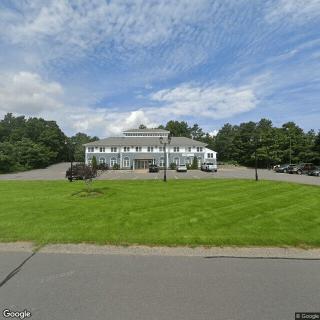
 Great access to nearby healthcare, dining, parks, and shops.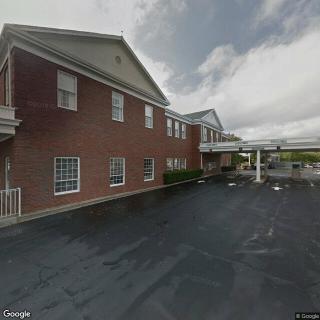


 Comprehensive Guide to Qualifying for Home Health Care Services
 Powerful Realities of Elder Abuse and the Most Effective Ways to Report It
 Ten Vital Duties of a Senior Caregiver: A Comprehensive Guide