
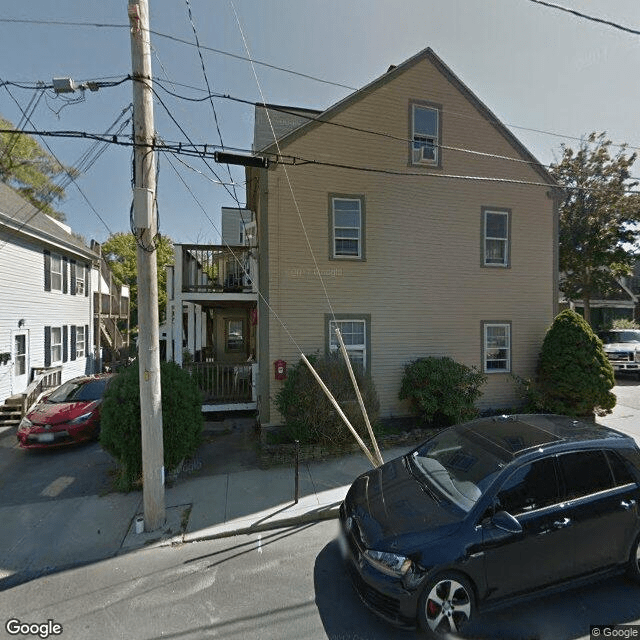
3 Chilton St, Plymouth, MA 02360
To contact a resident: (508) 746-9406
For more information about senior living options: (866) 208-4318
Chilton House Inc Costs & Pricing
Chilton House Inc offers a competitive pricing structure for its studio accommodations, with a monthly cost of $3,000. This figure stands in stark contrast to the averages in Plymouth County and the broader Massachusetts area, where monthly costs soar to approximately $6,307 and $5,312, respectively. By providing such an affordable option, Chilton House Inc not only positions itself as an attractive choice for potential residents but also highlights its commitment to delivering high-quality living arrangements at significantly reduced prices compared to regional standards. This makes Chilton House Inc a compelling option for those seeking comfortable and economical housing solutions without compromising on quality.
| Floor plans | Chilton House Inc | Plymouth County | Massachusetts |
|---|---|---|---|
| Studio | $3,000 | $6,307 | $5,312 |
Assisted Living communities with a similar price nearby
-
from +$450 / mo
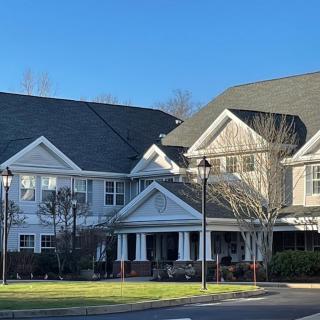
Sunrise of Plymouth Beach
$3,450 to $5,550 / month2.1 miles away -
from +$550 / mo
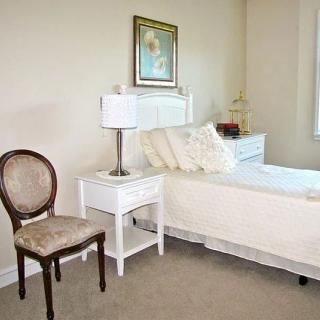
Grove Manor Estates
$3,550 to $7,265 / month23.2 miles away -
from +$550 / mo
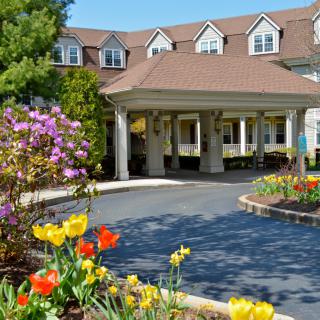
The Glen at Grove Manor
$3,550 to $5,720 / month23.2 miles away -
from -$505 / mo
Connemara Senior Living
$2,495 to $3,895 / month19.4 miles away -
About the same

Allerton House At Duxbury
$2,995 to $3,995 / month6.1 miles away
Overall Review of Chilton House Inc
Pros
 The staff shows care and concern.
 - The facility is clean and well maintained.
- Upgrades inside include hardwood floors, oriental rug runners, and flat-screen TVs mounted to walls.
- The cafeteria is homey with fancy wood dining chairs and wood tables.
- These touches help residents feel at home.
- The owner, Tom, is often present and takes pride in keeping the facility running smoothly, with residents happy and safe.
- The location is great, being one block from the waterfront park and close to many shops and restaurants.
Cons
 The staff treat residents like dirt.
- The place is dirty and filthy.
- The staff take advantage of residents' lack of family and neglect them.
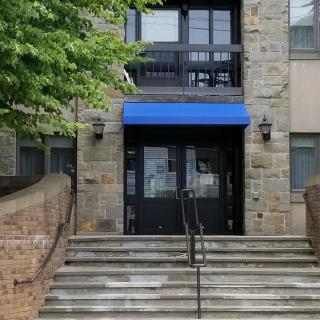
- The exterior is plain and the back lawn is unappealing.
- There are stairs to the dining area that would be difficult for someone using a walker.
- The reviewer would not leave their cats with the staff.
Review
Chilton House Inc in Plymouth is best suited for seniors who want a small, home-like setting with dependable supervision but do not yet require high-acuity medical care. The community reads as a traditional group-home environment where independence is still feasible for ambulatory residents, while daily routines, safety checks, and social contact provide a可靠 safety net. The presence of a hands-on owner on site adds a level of accountability that families value when weighing risk and peace of mind. For families prioritizing familiarity, predictable routines, and proximity to local amenities, Chilton House offers a practical, low-stress option that can feel like a true home rather than a sterile institution.
Those needing around-the-clock medical oversight, memory care, or intensive personal assistance will want to consider alternatives. Several reviews flag inconsistencies in cleanliness and caregiving, suggesting experiences can vary and that neglect can surface if staffing is stretched. The facility’s layout includes stairs leading to the dining area, which poses real challenges for residents who rely on walkers or wheelchairs. Exterior simplicity and an older-feel campus may also deter families seeking a more polished or modern atmosphere. In short, Chilton House functions best when mobility remains reasonably strong and the aim is steady routines and social warmth rather than top-tier medical support.
The strongest evident pro is genuine staff care and ongoing maintenance. Long-tenured residents and their families describe attentive, responsive caregivers who know residents’ preferences and monitor their safety. The interior has seen upgrades, hardwood floors, tasteful rug runners, and wall-mounted televisions, that contribute to a warmer, more homelike ambiance. The cafeteria area and common spaces reinforce a sense of community and comfort, reinforcing dignity through familiar surroundings. When staff accountability is visible and the environment is kept up, the benefit of a small-scale, personally supervised setting can meaningfully offset limitations tied to a more clinical model of care.
Location adds practical value. A short walk to waterfront parks, shops, and dining options makes routine outings feasible without heavy transportation needs, supporting social engagement and a sense of normalcy. The fact that some residents have stayed for many years signals stability and continuity, which can be a powerful antidote to the frustrations of aging in place. A well-maintained interior and a staff-driven culture of safety create a comforting atmosphere where daily life flows with less disruption than might be found in larger facilities. For families seeking reassurance that a resident won’t be overlooked, this combination of locale, stability, and homey feel matters.
Nevertheless, the negative reports cannot be dismissed. Accounts describing dirtier conditions or neglect point to a serious risk that care quality may be uneven. Families evaluating Chilton House should push for concrete answers about housekeeping protocols, frequency of cleaning, and how personal grooming needs are handled, nails, hair, and ear care are examples of tasks residents may rely on staff to provide. Accessibility gaps, notably stairs to dining areas, remain a practical red flag for anyone with mobility limitations. The rating pool is small and opinions are mixed, which amplifies the importance of an in-person assessment to verify current standards and ensure expectations align with reality.
The decision process should hinge on a structured, on-site evaluation. Tour living spaces, observe cleanliness, and speak with multiple staff members about daily routines, response times, and incident handling. Ask for recent resident references and a transparent picture of how activities are tailored to energy levels and interests. Compare Chilton House with alternatives that offer barrier-free access or more comprehensive care services, such as memory-support options or higher staff ratios. For families seeking a stable, home-forward environment where caregivers are present, engaged, and accountable, Chilton House can be a strong fit, yet for anything beyond low-to-moderate care, it is prudent to explore options that clearly address higher levels of medical and grooming needs and guarantee consistently clean, well-staffed conditions.
 Assisted Living
 Independent Living
 Activities on-site
 Beautician on-site
 Devotional services off-site
 Indoor common areas
 Respite or short term stays offered
 Ambulatory care
 Incontinence care
 Medication management
 Meals provided





 Exploring the Contrasts Between Assisted Living and Skilled Nursing
 8 Key Indicators That Suggest It May Be Time to Transition from Assisted Living to Skilled Nursing Care
 Vibrant Senior Living: A Comprehensive Guide for Active Older Adults