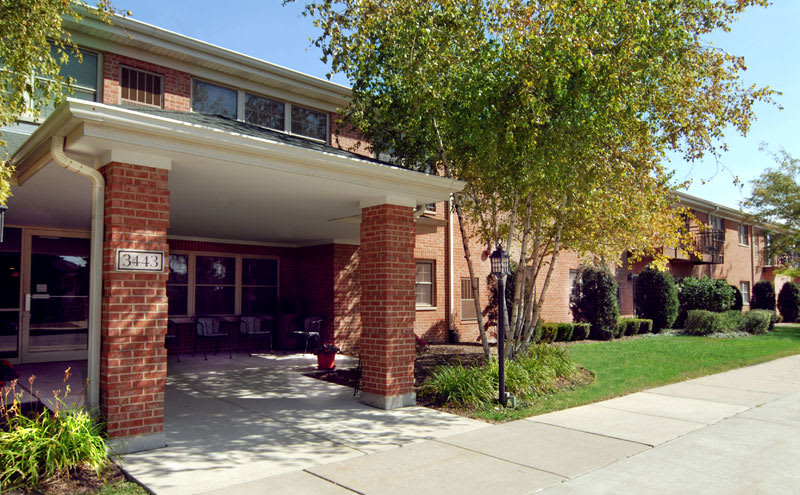
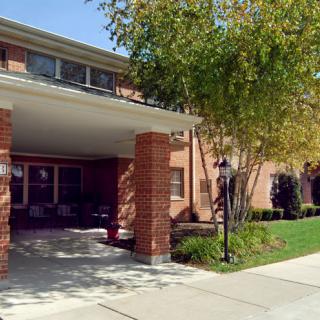

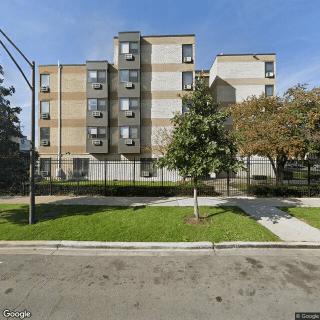
3443 S 55th Avenue, Cicero, IL 60804
To contact a resident: (708) 780-0822
For more information about senior living options: (866) 208-4318
Drexel Horizon Costs & Pricing
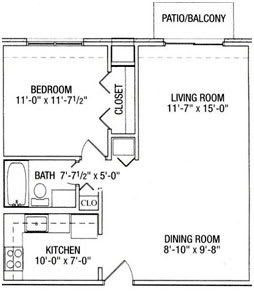
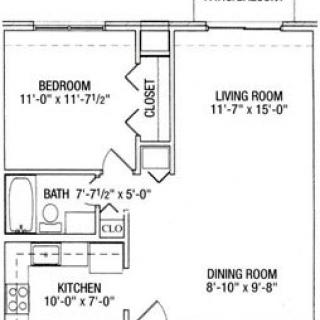
Drexel Horizon offers an appealing and cost-effective option for those seeking a one-bedroom apartment, with monthly rent set at just $750. In comparison to the broader market, residents can enjoy significant savings; similar accommodations in Cook County average around $3,256, while the state of Illinois sees figures soar to approximately $3,527 per month. This stark contrast underscores Drexel Horizon's commitment to providing quality living spaces at a fraction of the typical costs found within the county and state, making it an attractive choice for individuals looking for both affordability and convenience.
| Floor plans | Drexel Horizon | Cook County | Illinois |
|---|---|---|---|
| 1 Bedroom | $750 | $3,256 | $3,527 |
Independent Living communities with a similar price nearby
-
About the same
Anathoth Gardens
$750 / month3.9 miles away -
About the same
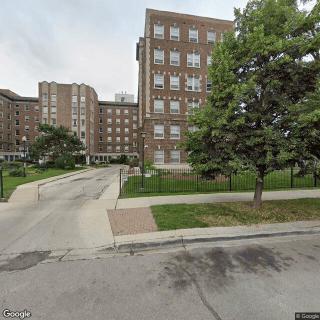
Beth Anne Residence
$750 / month4.9 miles away -
About the same
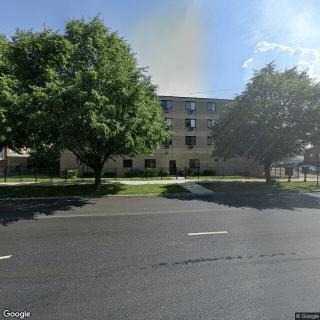
PACE Senior Residence
$750 / month3.8 miles away -
from -$45 / mo
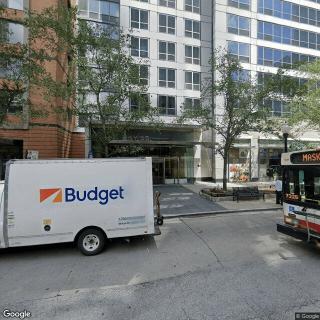
SKY 55 AT CENTRAL STATION
$705 to $755 / month7.5 miles away -
from -$65 / mo
Village Grove Apartments
$685 to $830 / month17.3 miles away
Overall Review of Drexel Horizon
Pros
 The place is beautiful.
- Laura, the manager, is competent, kind, and compassionate.
- The great aunt's experience has been wonderful.
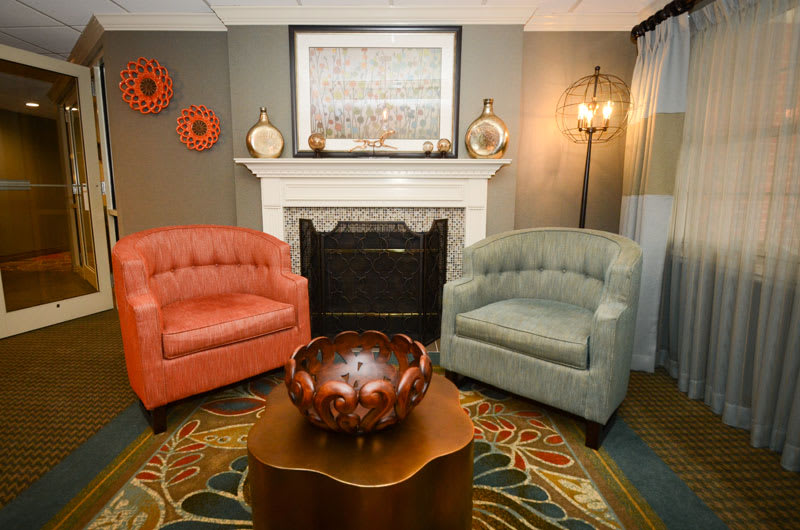
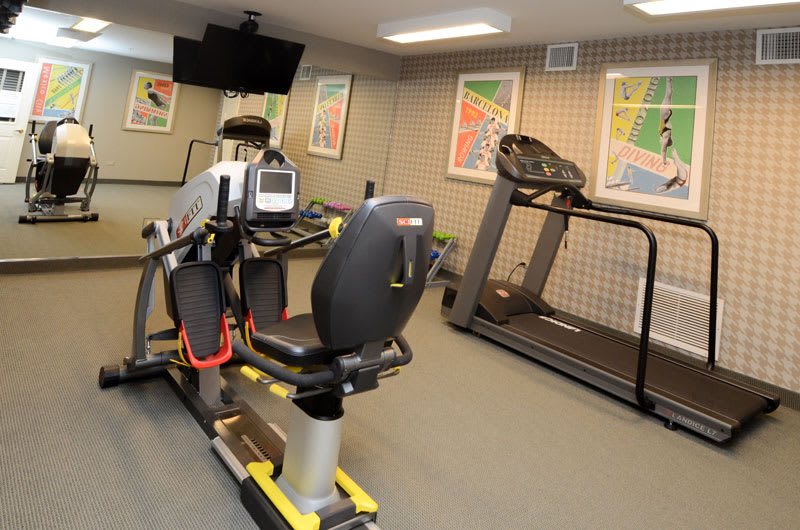
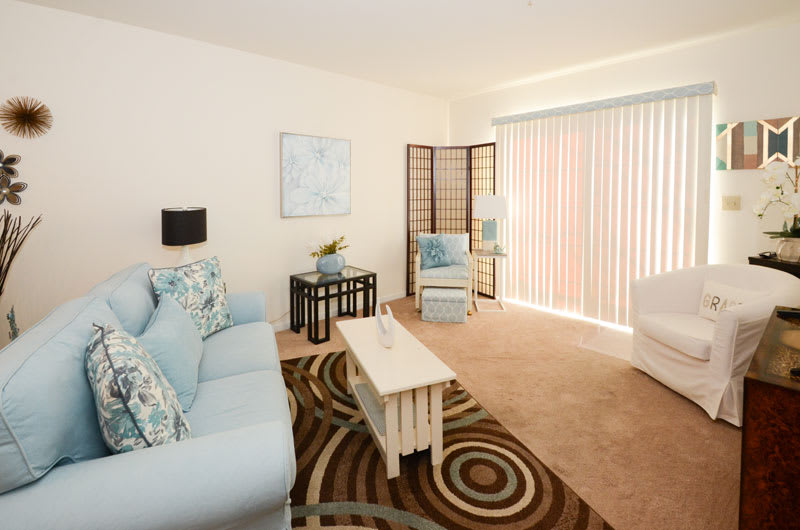
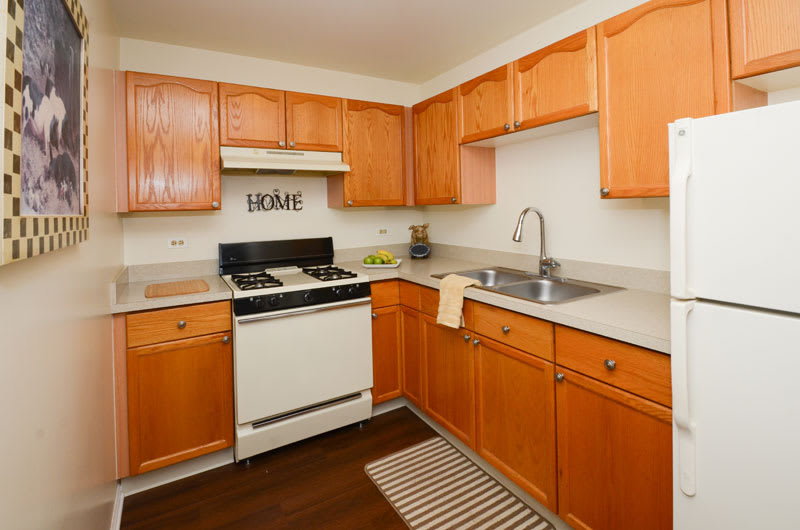
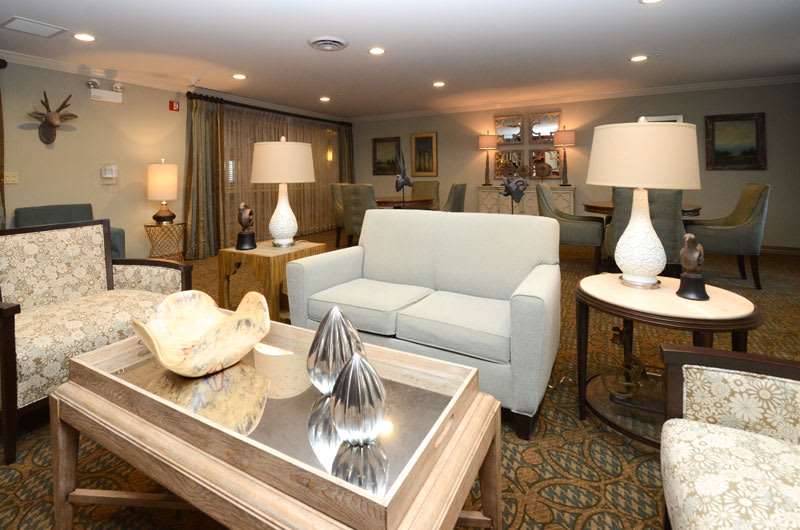
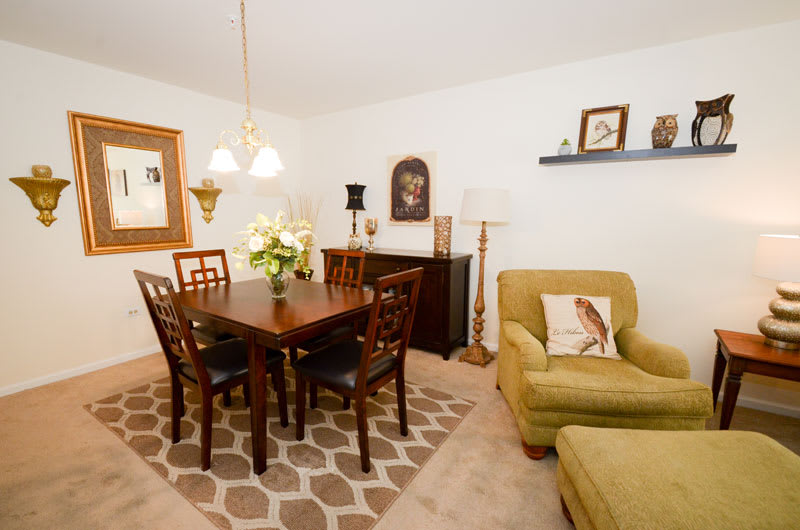
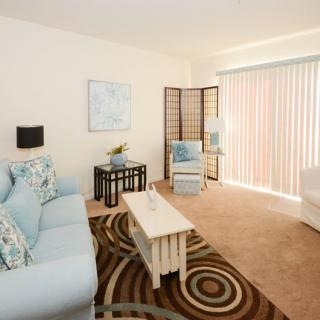
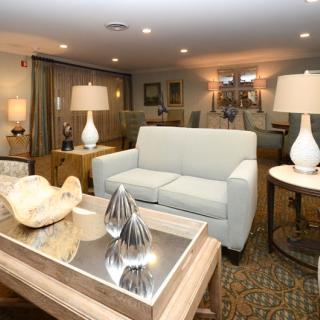
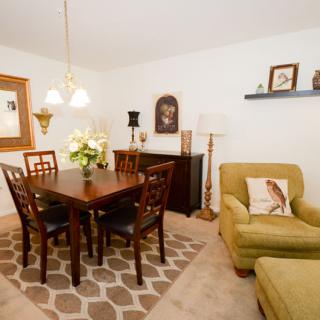
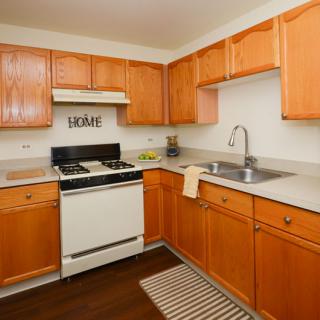
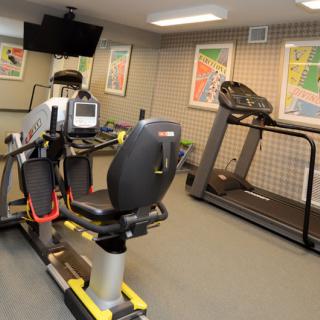
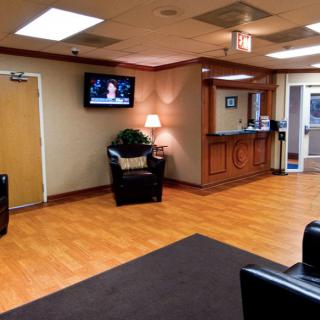
- The apartment is very cute, with a modern lobby, library, exercise room, and theatre.
- She has made a ton of friends and stays active.
- The community is definitely a 5 and a good fit for her budget.
Cons
 There are too many rules.
Review
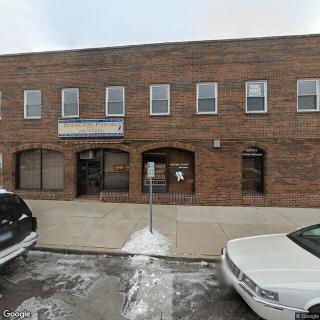
Drexel Horizon in Cicero is best suited for active seniors who want a vibrant social scene, attractive living spaces, and predictable, moderate pricing supported by hands-on management. The community rewards residents who prioritize daily interaction, organized activities, and a well-maintained campus over those seeking expansive medical oversight or a looser, more independent lifestyle. Families weighing options should explicitly consider alternatives if independence must be highly unstructured, or if a setting with deeper on-site medical support and memory care is a priority.
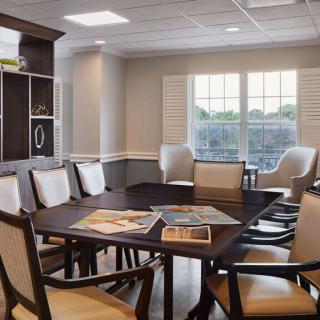
The standout positives center on atmosphere and leadership. The facility’s aesthetic is welcoming, a modern lobby, comfortable apartments, and built-in social spaces such as a library, exercise room, and theatre that invite ongoing engagement. The staff dynamic is a clear differentiator, with Laura, the manager, described as competent, kind, and compassionate. That combination translates into real-life benefits: residents report strong social connections, frequent activity participation, and a sense that the community genuinely supports staying active rather than simply existing in place.
For families following long-run outcomes, the experience shared by current residents reinforces the appeal. A great-aunt’s tenure there is cited as a model of success, an active social life, regular interaction with peers, and continued participation in purposeful routine. A daughter notes her mother is settled and comfortable, with the space and layout contributing to a sense of normalcy and budget friendliness. These anecdotes point to a coherent, person-centered environment where independence can be preserved within a structured framework, and where the day-to-day rhythm reinforces belonging.
Yet, no community is without friction. The most frequently voiced caveat is a sense of too many rules. The critiques hint at a governing philosophy that prioritizes safety and predictability over flexibility, which can feel restrictive to residents who prize spontaneity or require a more autonomous pace. While these rules appear to support a stable, well-managed setting, they may not align with every resident’s tolerance for structure. In at least a couple of reviews, this rigidity stands in as the primary tension, signaling the need for careful expectations-management before moving in.
Despite the potential rhythm constraints, the key advantages largely offset the drawbacks for the target audience. The combination of a beautiful, well-kept property; robust social programming; and a responsive leadership team creates tangible value for families seeking an active, sociable environment on a reasonable budget. The presence of a compassionate manager who engages residents and families builds trust and reduces the stress of transition, making Drexel Horizon a practical choice for those who view social stimulation and routine as essential components of well-being. For seniors whose needs are unlikely to require intense medical intervention, the positives prevail.
Bottom line: Drexel Horizon is a pragmatic, experience-tested option for residents who want activity, companionship, and budget-conscious living under steady, attentive supervision. It is less well-suited for those who insist on maximal independence with minimal rules or who anticipate requiring high levels of on-site medical care, memory support, or highly flexible scheduling. Prospective movers should schedule a detailed tour, meet Laura, and scrutinize the activity calendar and rule framework. Assess how well the daily cadence, social opportunities, and apartment layout align with personal preferences and care needs, and verify that the surrounding community rhythms match expectations before deciding.
 Independent Living
 Cats allowed
 Activities on-site
 Bath tubs
 Indoor common areas
 Outdoor common areas
 Chicago Midway (3 miles away)
 BBQs or picnics
 Holiday parties
 Live well programs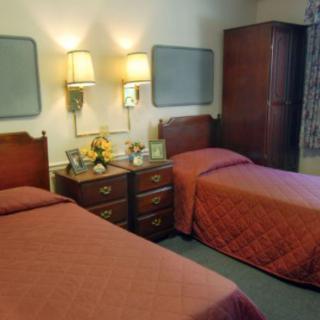


 Compassionate Conversations: How to Comfort Someone Who Is Grieving
 Home Health Care Aides: Understanding Their Role and Supporting Your Family
 Urinary Tract Infections in Older Adults: Comprehensive Insights on Symptoms, Treatment, and Prevention