For more information about senior living options: (866) 208-4318
4.1 from 64 reviews
5 stars
31
4 stars
19
3 stars
7
2 stars
4
1 stars
3
Belmont Village Senior Living Oak Park Costs & Pricing
Belmont Village Senior Living Oak Park offers competitive pricing in the context of its local and state landscape. The monthly cost for a semi-private room is $3,450, which is significantly lower than the average rates for both Cook County ($5,192) and the broader state of Illinois ($5,146), making it an attractive option for budget-conscious residents. However, when it comes to studio apartments, Belmont's rate of $4,700 exceeds the county's average of $3,762 and Illinois' $4,028, suggesting that this type of accommodation may be positioned as a premium offering. In contrast, the one-bedroom option at Belmont Village stands out with a price of $6,565 - considerably higher than both county ($3,256) and statewide averages ($3,527), indicating a potential focus on luxury amenities or services for those seeking more spacious living arrangements. Overall, Belmont Village balances affordability in some areas with higher-end offerings in others.
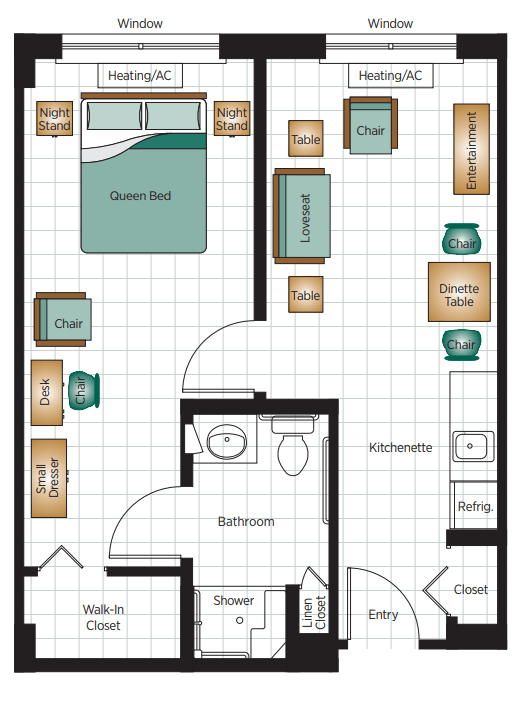
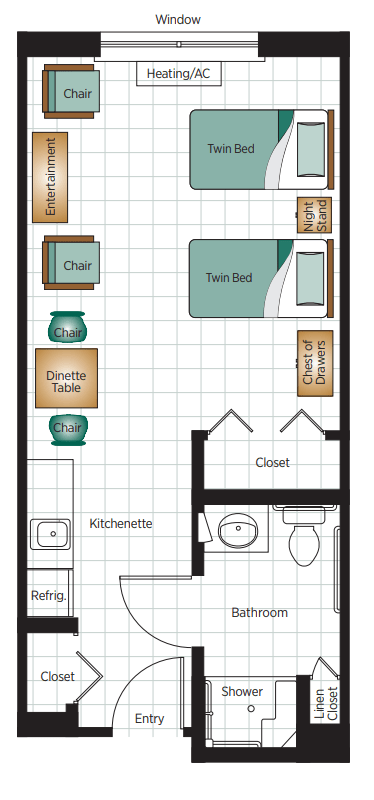
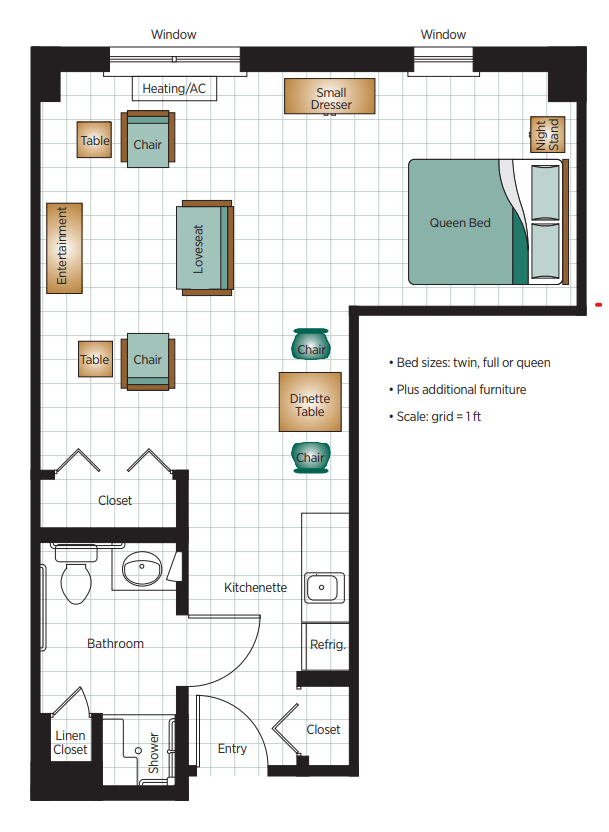
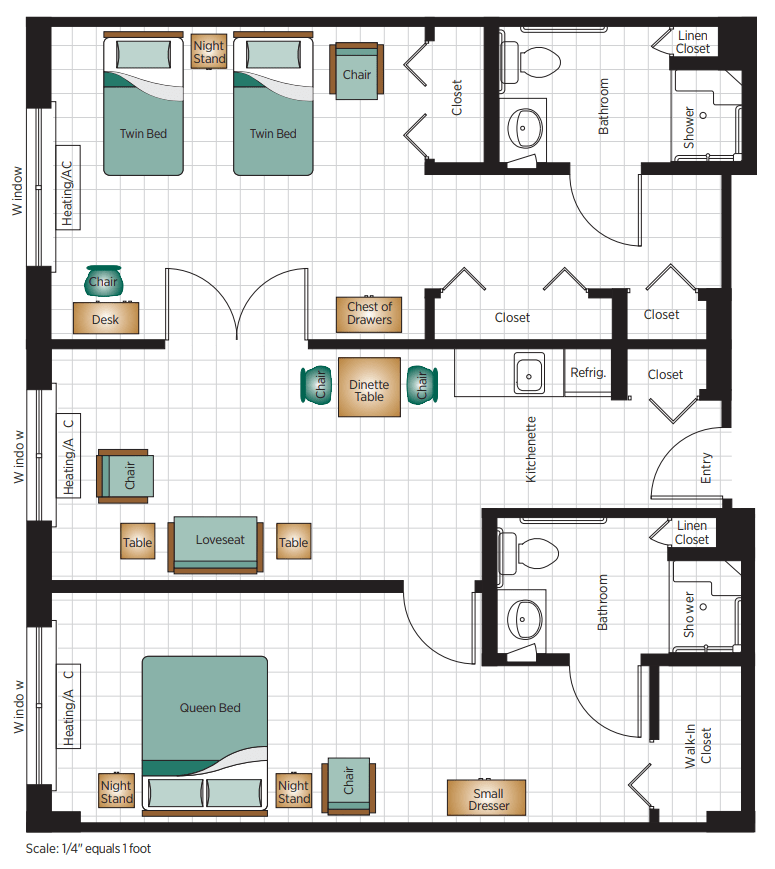
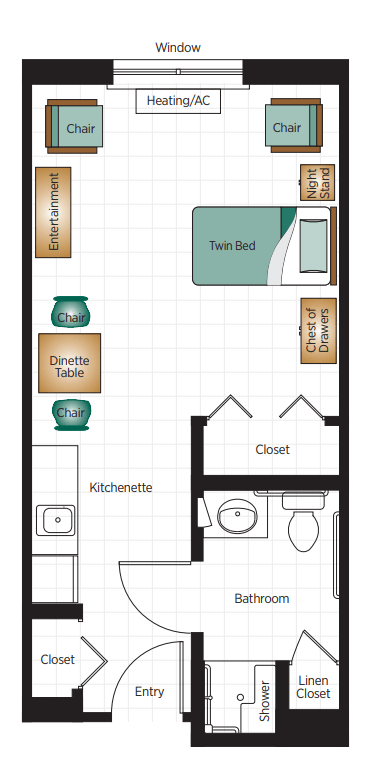
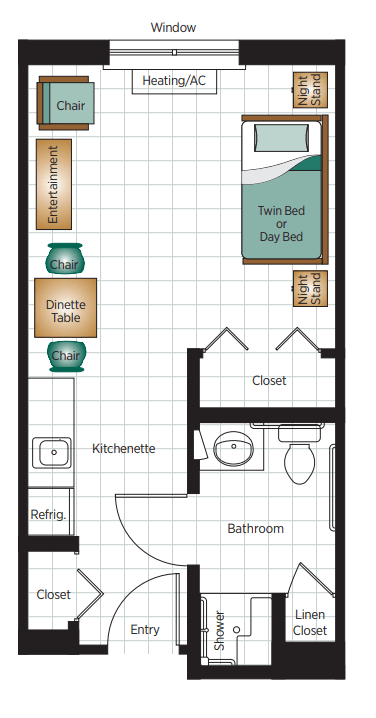
Floor plans
Belmont Village Senior Living Oak Park
Cook County
Illinois
Semi-Private
$3,450
$5,192
$5,146
Studio
$4,700
$3,762
$4,028
1 Bedroom
$6,565
$3,256
$3,527
Skilled Nursing Facilities with a similar price nearby
Overall Review of Belmont Village Senior Living Oak Park
differentiator18 reviews mention this
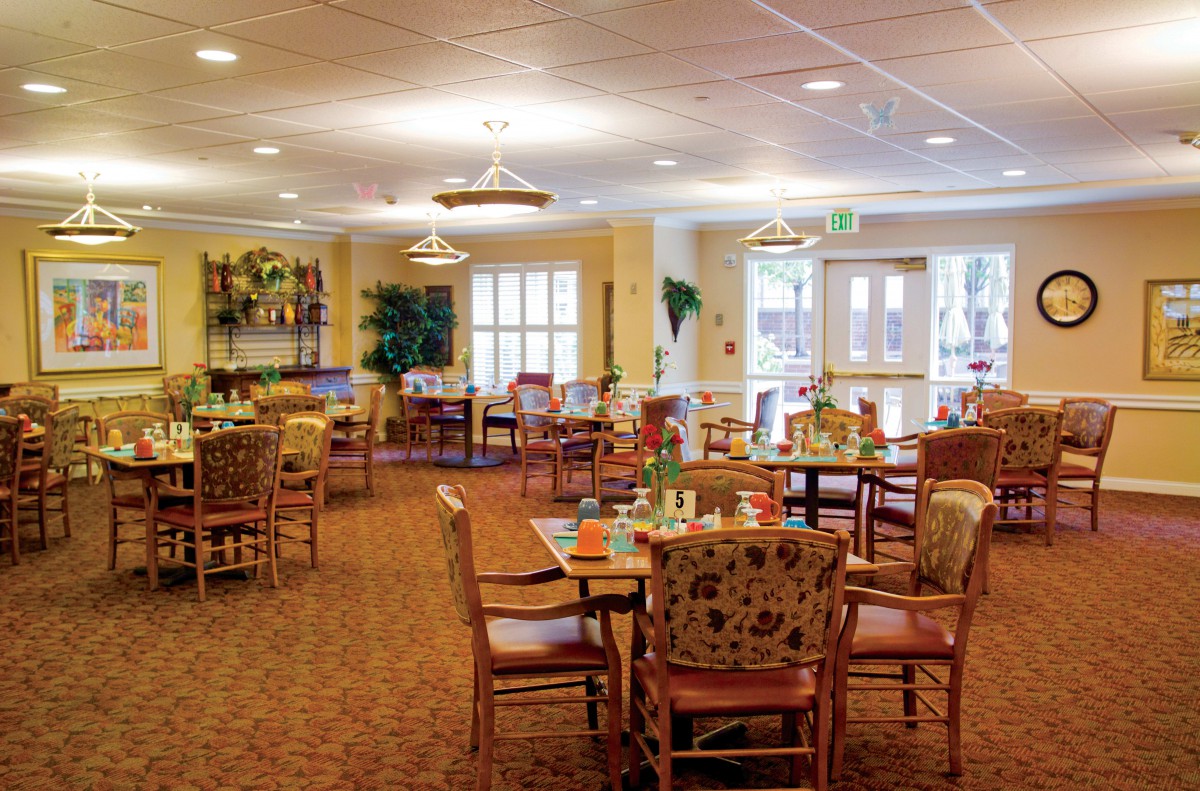
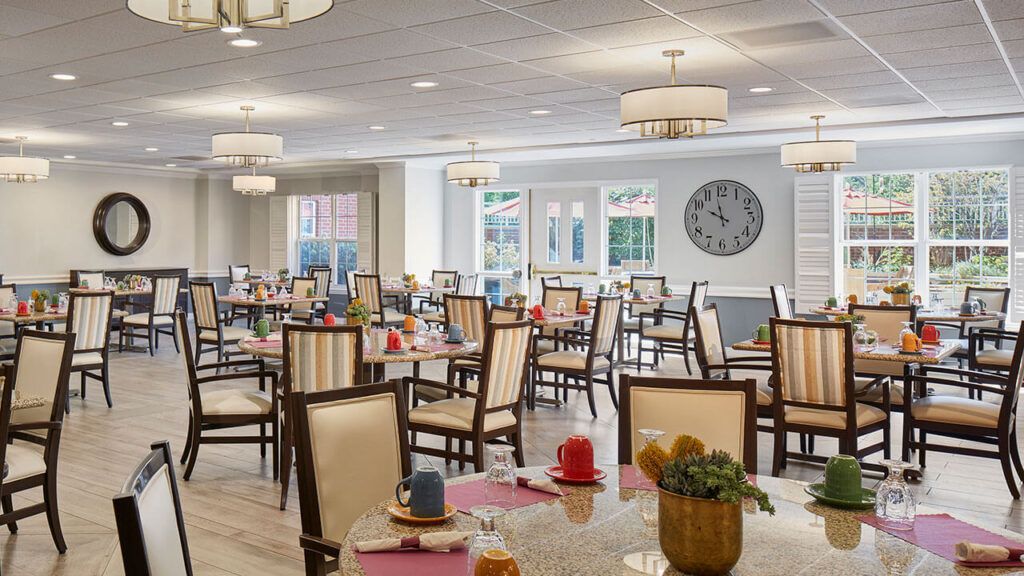
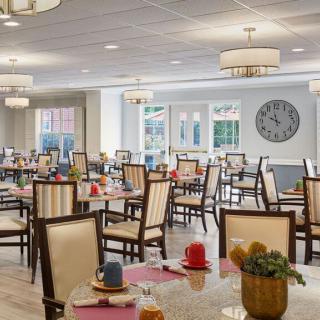
Dining is restaurant-style and varied
Meals are repeatedly described as restaurant-style, with wide daily variety.
A consistent theme across reviews is that the food feels more like dining out than cafeteria-style meals, with residents and families noting restaurant-style service and lots of choice. Several people mention variety across the day and that special diets are handled, including mentions of diet-related monitoring for specific needs. Even when individual reviewers had mixed experiences overall, they still often point to the meals as a standout part of the day.
common22 reviews mention this
Staff friendliness and responsiveness
Many residents and families describe staff as friendly, warm, and responsive.
Across many reviews, families describe staff as outgoing, kind, and attentive, with good follow-through on concerns. Multiple reviewers specifically call out timely communication—such as returning calls, keeping families informed, and coordinating supports like therapy and appointments. At the same time, a smaller set of reviews raises concerns about training, rudeness, and communication breakdowns, especially in memory care and when staffing feels tight.
common14 reviews mention this
Clean, well-kept spaces
The building is repeatedly described as spotless, bright, and well maintained.
Even reviews that were otherwise critical often return to cleanliness as a saving grace, describing spotless conditions and a bright, cheery environment. Multiple residents and families also mention well-kept rooms and attention from maintenance. Where reviews were negative, the complaints tend to focus more on staffing, care approach, or communication than on the physical upkeep of the community.
differentiator10 reviews mention this
Memory care has structured support
Memory care is described as having specialized programming and separate spaces.
Several reviews describe dementia-focused programming with activities tailored for memory care residents, along with separate areas and locked floors for more advanced needs. Families also mention 24-hour nursing support in this setting and safety-focused staffing structures like call alerts. There are also complaints that outings and activity engagement can be limited for some residents, and that training quality may vary for dementia care.
caveat13 reviews mention this
Staffing and training concerns come up
Some reviews report understaffing or uneven dementia caregiving.
A recurring caveat is staffing levels and consistency, with multiple reviewers describing short staffing during certain periods and resulting impacts on care. Several reviews specifically mention concerns about staff training for dementia residents and difficulty getting residents the support that was expected. Others counterbalance this by saying caregiving staff stay longer and provide good rapport, but the complaints are frequent enough that families should plan to ask detailed questions about coverage and dementia training.
caveat5 reviews mention this
Billing can take extra work
Multiple families describe billing delays or needing repeated follow-up.
Some reviewers report challenges getting billing straightened out, including going back and forth with accounting and dealing with charges not being timely. There are also mentions of added costs for certain support levels, including 2-person assist pricing concerns. On the other hand, at least one review praises how pricing was presented as clear during a transitional stay, suggesting the experience may vary by situation or unit.
How we summarize
Counts show how many written reviews mention each theme; a review can touch several themes, and only frequently mentioned themes are displayed.
Features
Housing
129 resident community capacity
1-bedroom apartments
2-bedroom apartments
Studio apartments
Types of Care
Assisted Living
Memory Care
Skilled Nursing Facility
Pets
Cats allowed
Dogs allowed
Amenities
Activities off-site
Activities on-site
Air-conditioning
Beautician on-site
Beauty salon
Cable or satellite TV
Cafe
Computer center
Devotional services off-site
Devotional services on-site
Dining room
Financing advice
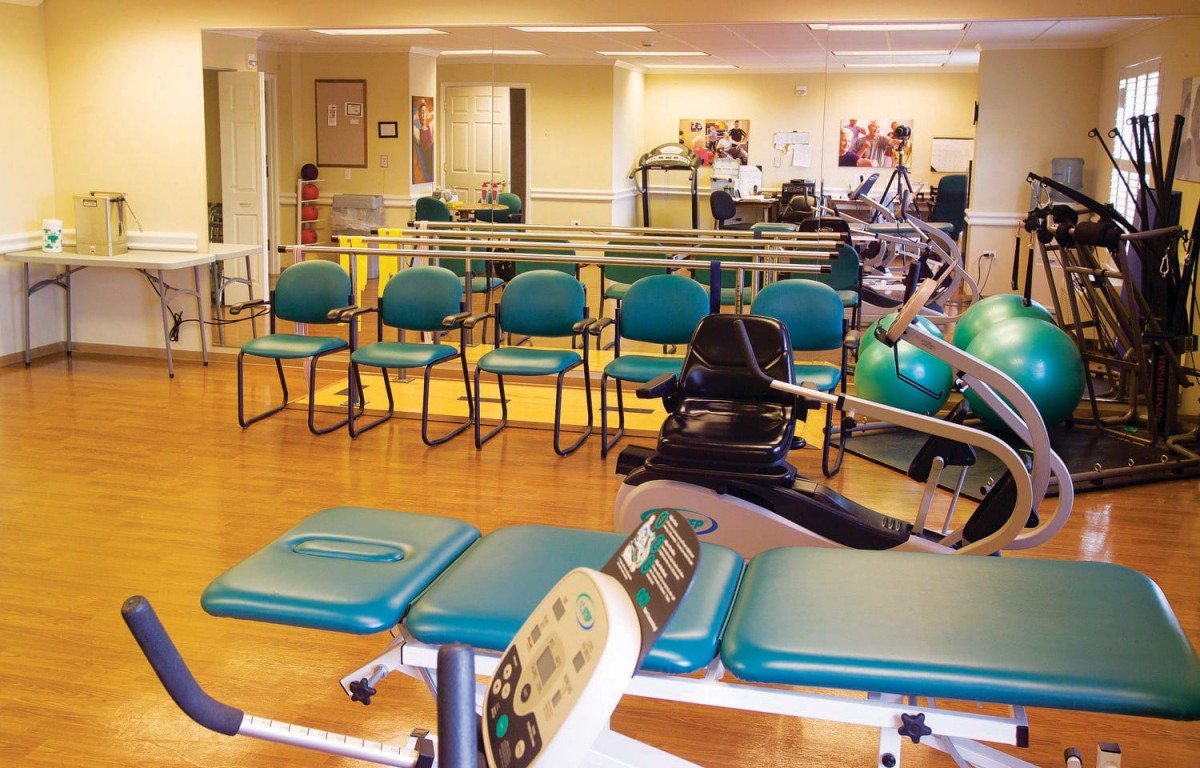
Fitness room
Fully furnished
Gaming room
Garden
Ground floor units
Guasts at mealtime
Guest parking
Handicap accessible
Housekeeping services
Indoor common areas
Kitchenette
Laundry
Move-in coordination
Outdoor common areas
Outdoor space
Party space
Pet friendly
Private bathrooms
Private cleaning services
Resident parking
Respite or short term stays offered
Restaurant-style dining
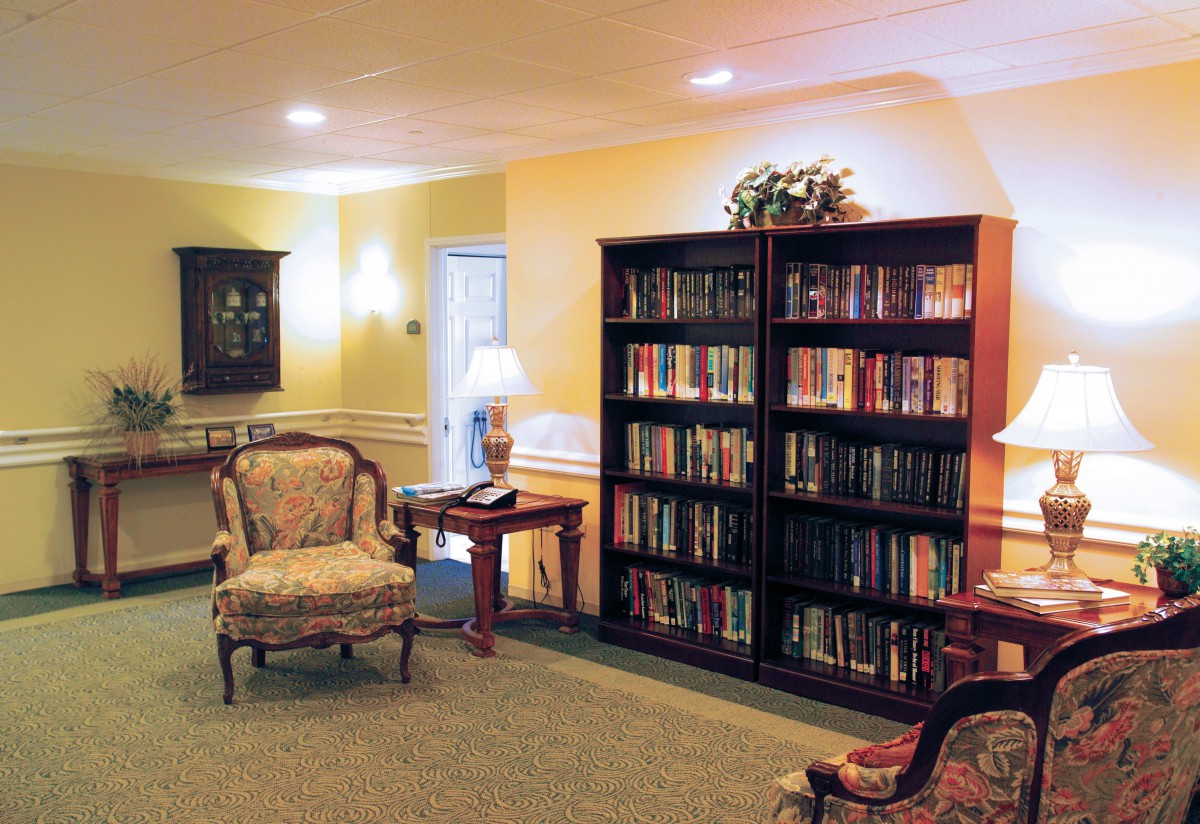
Small library
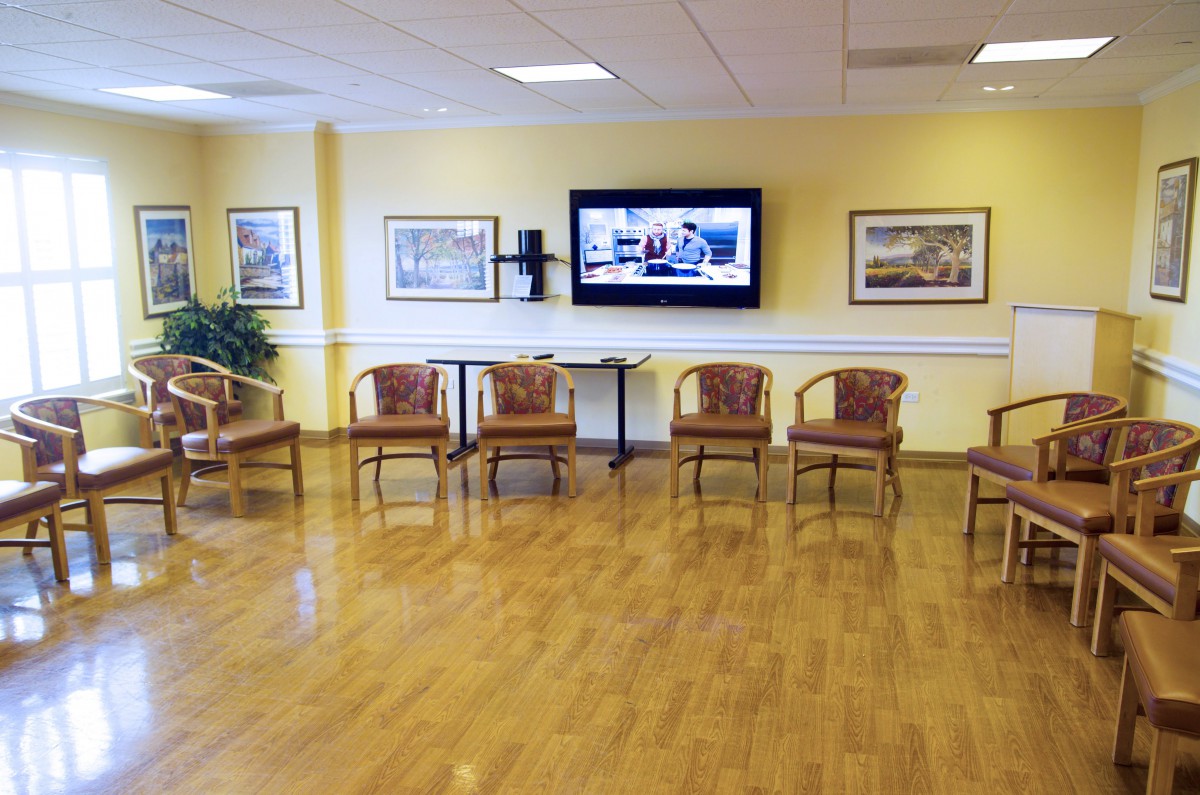
TV room
Telephone
VA Benefits Consultation
Wellness center
Wheelchair accessible showers
Wi-Fi/high-speed internet available
Transportation
Chicago Midway (7 miles away)
Chicago O'Hare International (9 miles away)
Community operated transportation
Transportation & parking
Transportation arrangement
Transportation arrangement (non-medical)
Care Services
12-16 hour nursing
24-hour call system
24-hour supervision
Activities of daily living assistance
Ambulatory care
Assistance with bathing
Assistance with dressing
Assistance with transfers
Coordination with health care providers
Dementia waiver
Diabetes diet
Diabetic care
High acuity care
Hospice waiver
Incontinence care
Meal preparation and service
Medication management
Mental wellness program
Mild cognitive impairment
Physical therapy
Special dietary restrictions
Specialized memory care programming
Transportation arrangement (medical)
Transportation to doctors appointments
Dining
Diabetes diet
Guest meals
Low / no sodium
Meals provided
No Sugar
Professional chef
Restaurant style dining
Room service
Special dietary restrictions
Vegetarian
Activities
Activities off-site
Art classes
Arts and crafts
Book club
Catholic services
Community-sponsored activities
Concierge services
Day trips and outings
Devotional activities offsite
Devotional activities on-site
Educational speakers / life long learning
Fitness programs
Games
Gardening club
Jewish services
Live musical performances
Other religious services
Planned day trips
Protestant services
Religious services
Resident-run activities
Scheduled daily activities
Stories
Visiting Rabbi
Visiting chaplain or priest
Yoga / chair yoga
Languages Spoken
English
Nearby Places of Interest
This part of Oak Park, Illinois, offers a convenient location with access to several pharmacies such as Walgreens and CVS within a short distance. There are also a variety of dining options nearby including Portillo's Hot Dogs and Chick-Fil-A. For medical needs, there are several hospitals in close proximity including Loyola University Medical Center and Edward Hines, Jr Veterans Hospital. Additionally, there are parks for outdoor recreation like Norfolk Park and Douglas Park. Transportation options are easily accessible with bus terminals and the Chicago Midway International Airport within a reasonable distance. Overall, this area provides convenience, amenities, and healthcare resources that may appeal to individuals considering senior living in Oak Park.
Pharmacies
Walgreens (0.7 miles)
CVS Pharmacy (0.9 miles)
Walgreens (1.3 miles)
Walgreens (2 miles)
Walgreens (2.1 miles)
CVS Pharmacy (2.3 miles)
Walgreens (3.6 miles)
Restaurants
Portillo's Hot Dogs (1.4 miles)
Chick-Fil-A (2 miles)
Raising Cane's Chicken Fingers (2.4 miles)
Culver's (5.7 miles)
Parson's Chicken & Fish (5.8 miles)
Longman & Eagle (6 miles)
The Barrel (6.7 miles)
Hospitals
Loyola University Medical Center (2.2 miles)
Loyola Outpatient Center (2.3 miles)
Edward Hines, Jr Veterans Hospital (2.7 miles)
Building 217, Hines VA Hospital (2.7 miles)
Gottlieb Memorial Hospital (3 miles)
Loyola Medicine Transport (3.1 miles)
MacNeal Hospital (3.3 miles)
Parks
Norfolk Park (3.9 miles)
The 606 — Western Terminus (4.8 miles)
Douglas Park (5.4 miles)
Humboldt Park (5.4 miles)
Portage Park (5.6 miles)
Unity Playlot Park (5.8 miles)
Logan Boulevard (5.8 miles)
Transportation
CTA - Kedzie-Homan (4.9 miles)
Jefferson Park Bus Terminal (6.6 miles)
Cta (6.6 miles)
Cta (6.9 miles)
Concourse B (7 miles)
Chicago Midway International Airport (MDW) (7.1 miles)
Cta (7.2 miles)
Physicians
University of Illinois Mile Square Health Center: Near West Side (6.3 miles)
Resurrection Medical Center Professional Building (7.5 miles)
Belmont Village Senior Living Oak Park offers competitive pricing in the context of its local and state landscape. The monthly cost for a semi-private room is $3,450, which is significantly lower than the average rates for both Cook County ($5,192) and the broader state of Illinois ($5,146), making it an attractive option for budget-conscious residents. However, when it comes to studio apartments, Belmont's rate of $4,700 exceeds the county's average of $3,762 and Illinois' $4,028, suggesting that this type of accommodation may be positioned as a premium offering. In contrast, the one-bedroom option at Belmont Village stands out with a price of $6,565 - considerably higher than both county ($3,256) and statewide averages ($3,527), indicating a potential focus on luxury amenities or services for those seeking more spacious living arrangements. Overall, Belmont Village balances affordability in some areas with higher-end offerings in others.
Belmont Village Senior Living Oak Park offers a comprehensive array of features designed to enhance the quality of life for residents facing memory challenges. The provision of 24-hour supervision ensures safety and security, allowing staff to promptly address needs as they arise. Assistance with activities of daily living, including bathing, dressing, and transfers, empowers residents to maintain dignity while receiving necessary support. Coordination with healthcare providers facilitates comprehensive care tailored to individual health needs, while the dementia waiver ensures compliance with specialized care requirements. Incontinence care and meal preparation services contribute to overall comfort and nutrition, pivotal for cognitive well-being. Medication management helps ensure timely compliance with prescribed treatments, and engagement in a mental wellness program can alleviate symptoms of anxiety or depression often associated with cognitive decline. The inclusion of physical therapy promotes mobility and strength, essential for maintaining independence. Additionally, specialized memory care programming offers cognitive stimulation through structured activities that cater specifically to individuals with mild cognitive impairment or advanced dementia. Finally, transportation arrangements for medical appointments help residents access critical healthcare resources without stress or confusion.
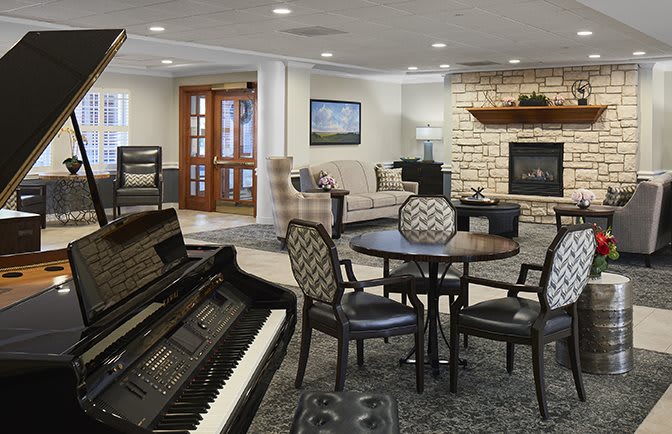
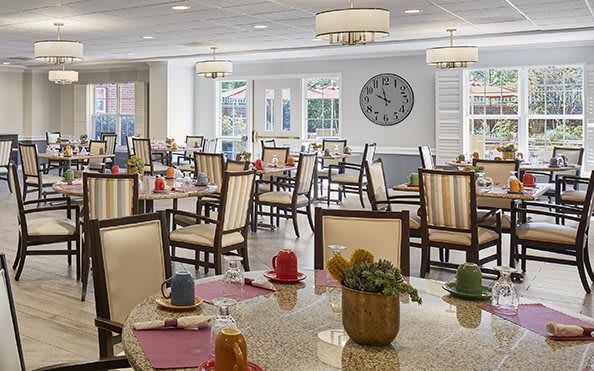
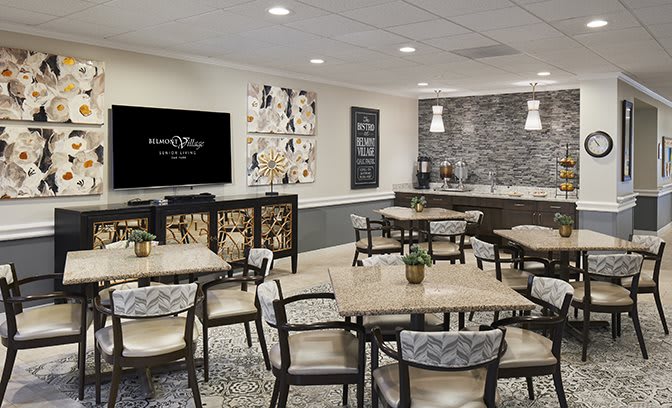
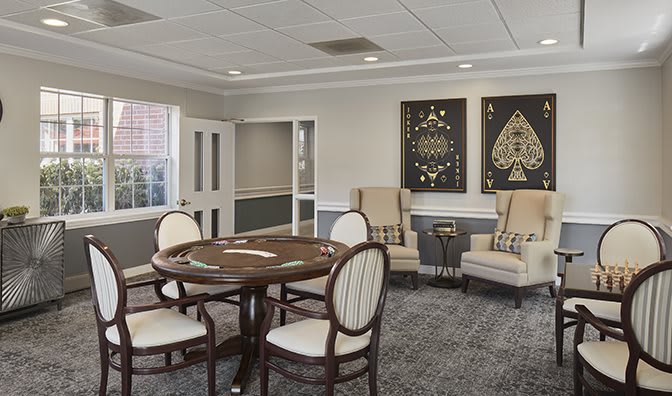
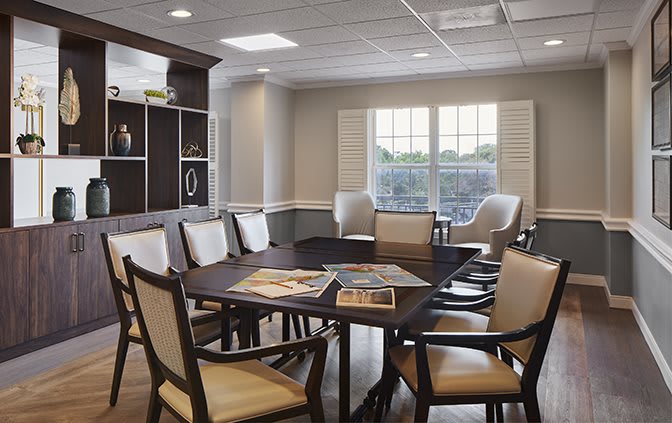
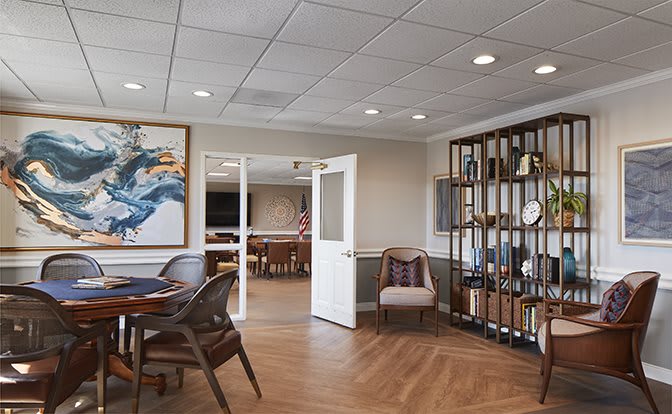
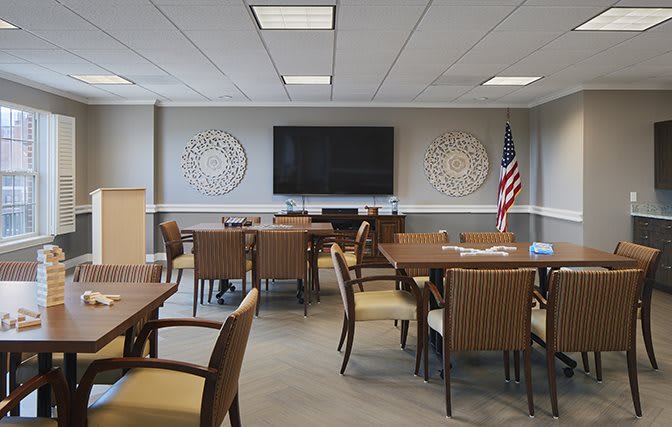
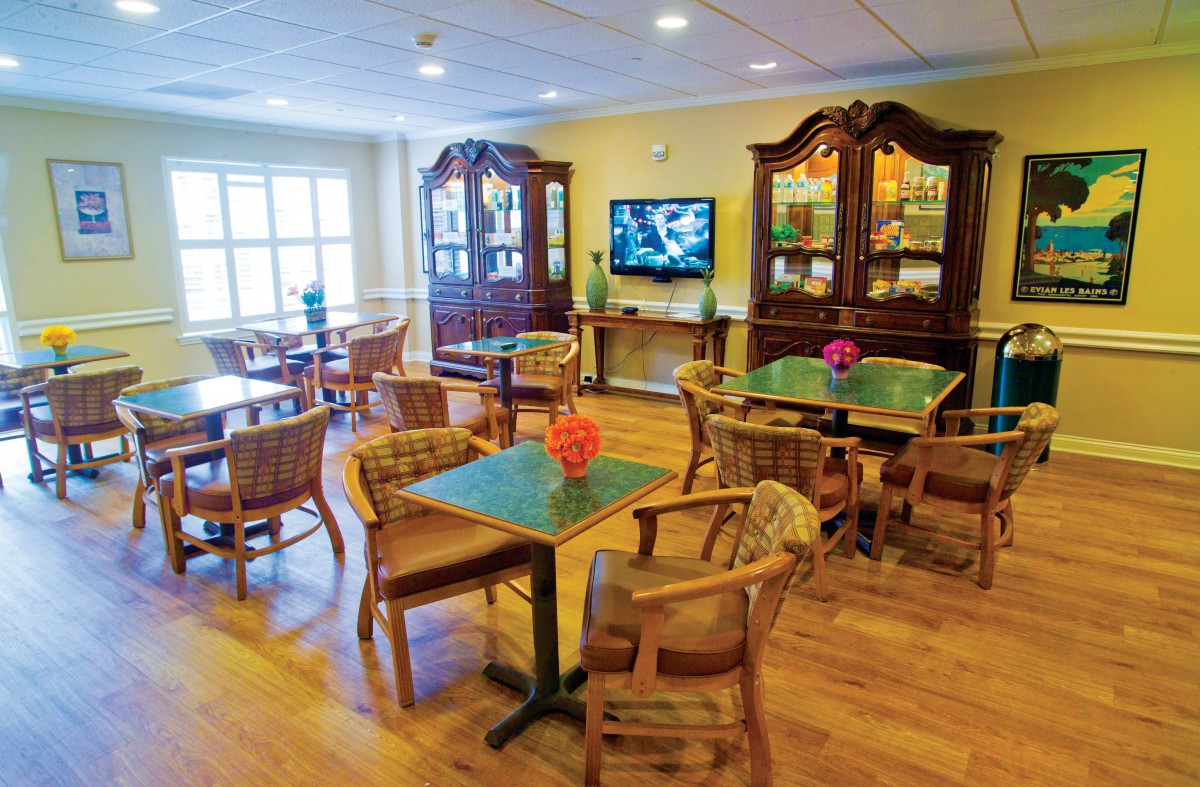
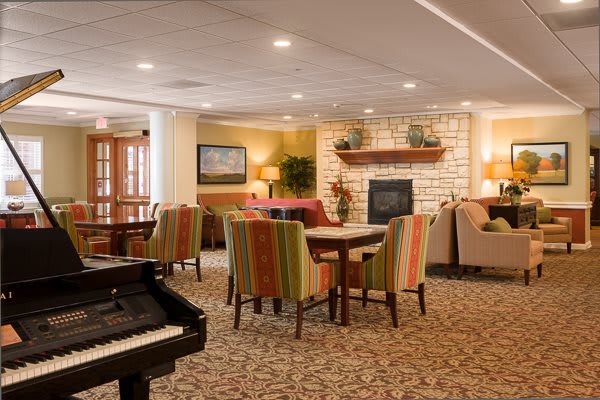
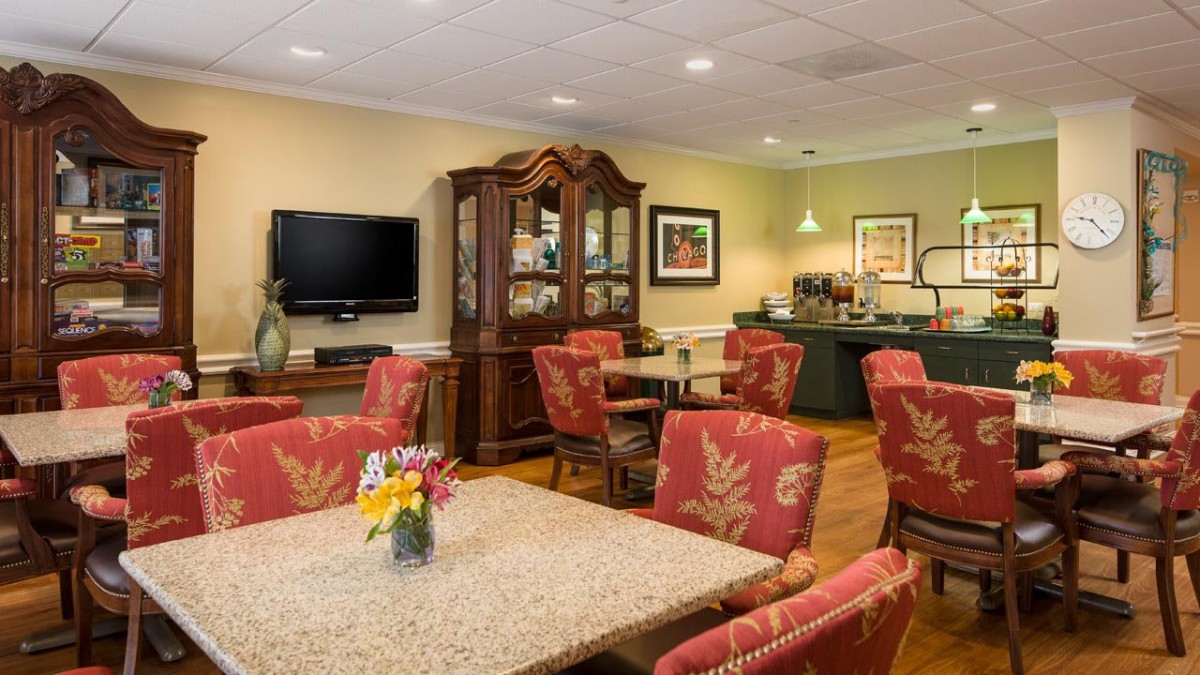
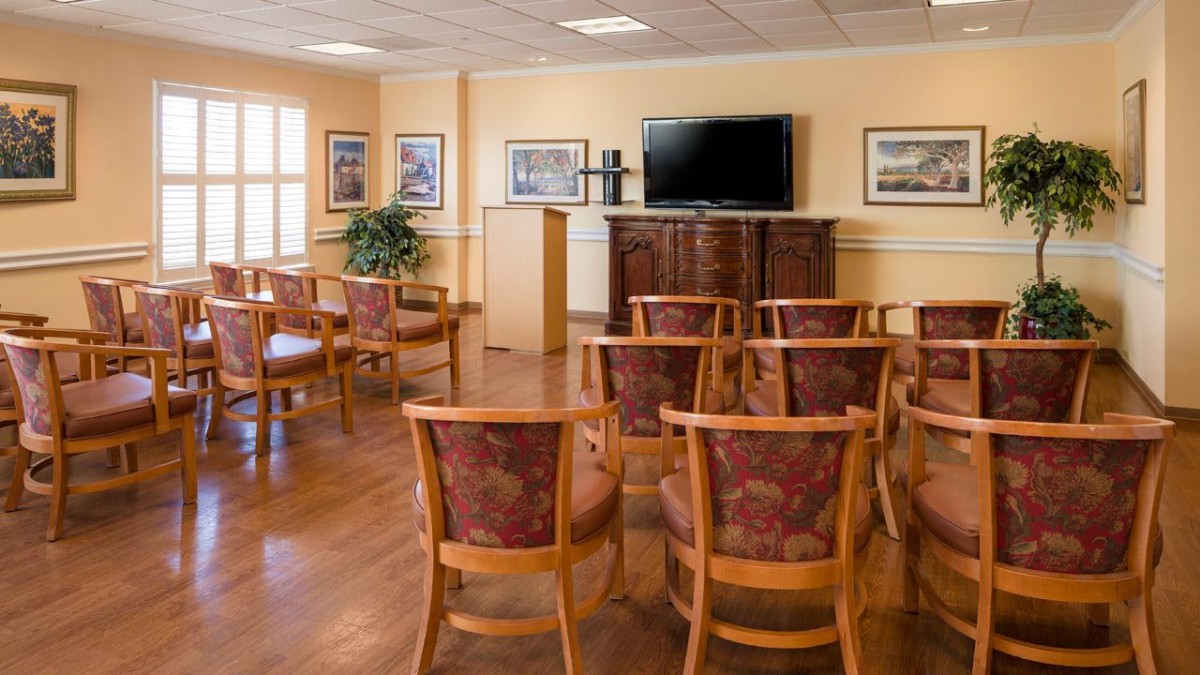
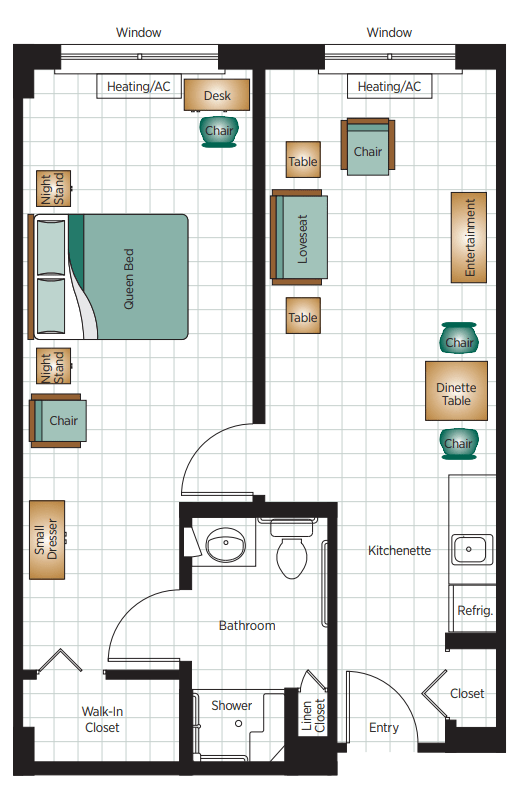
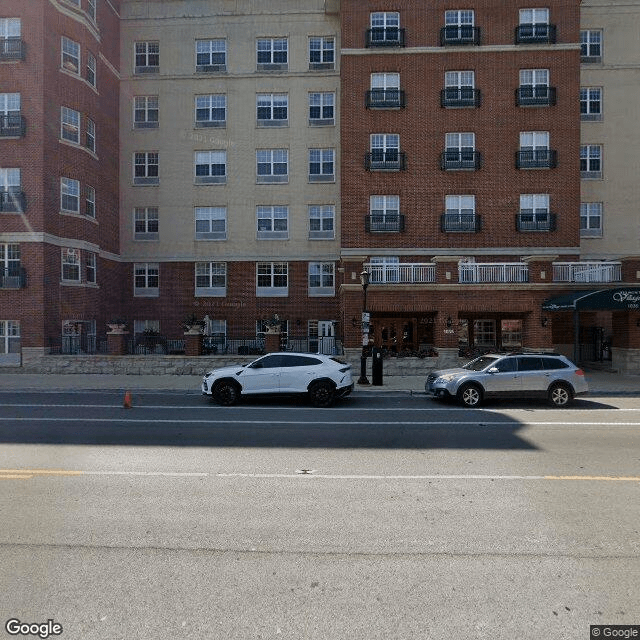
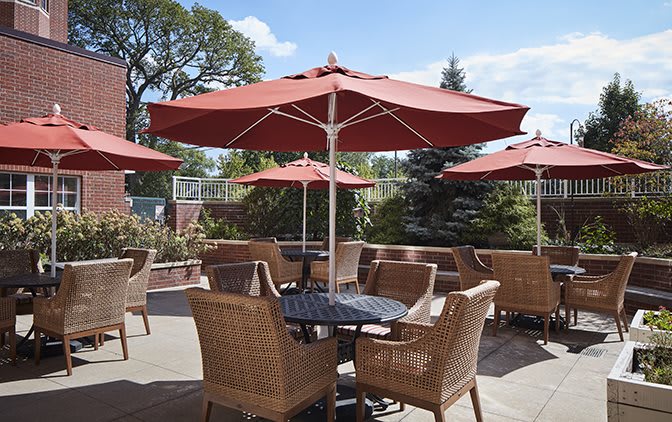
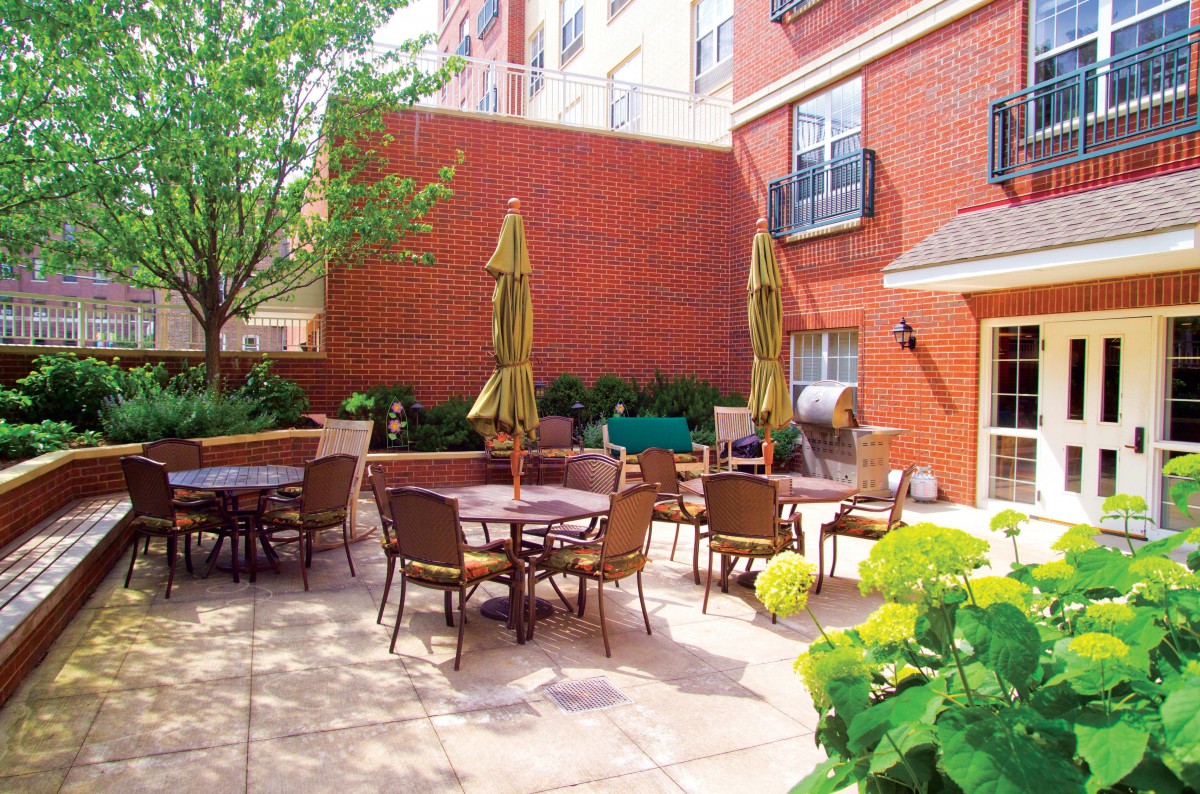
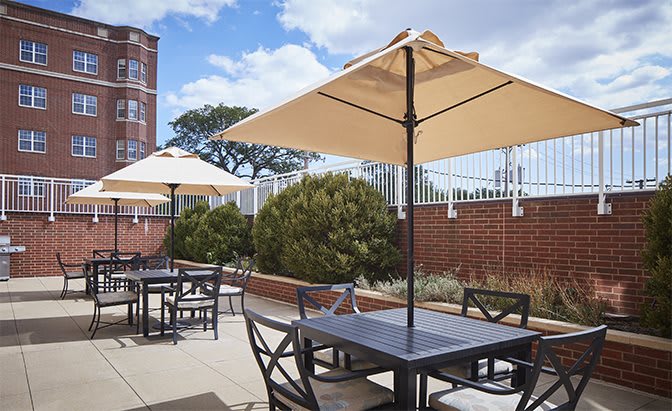
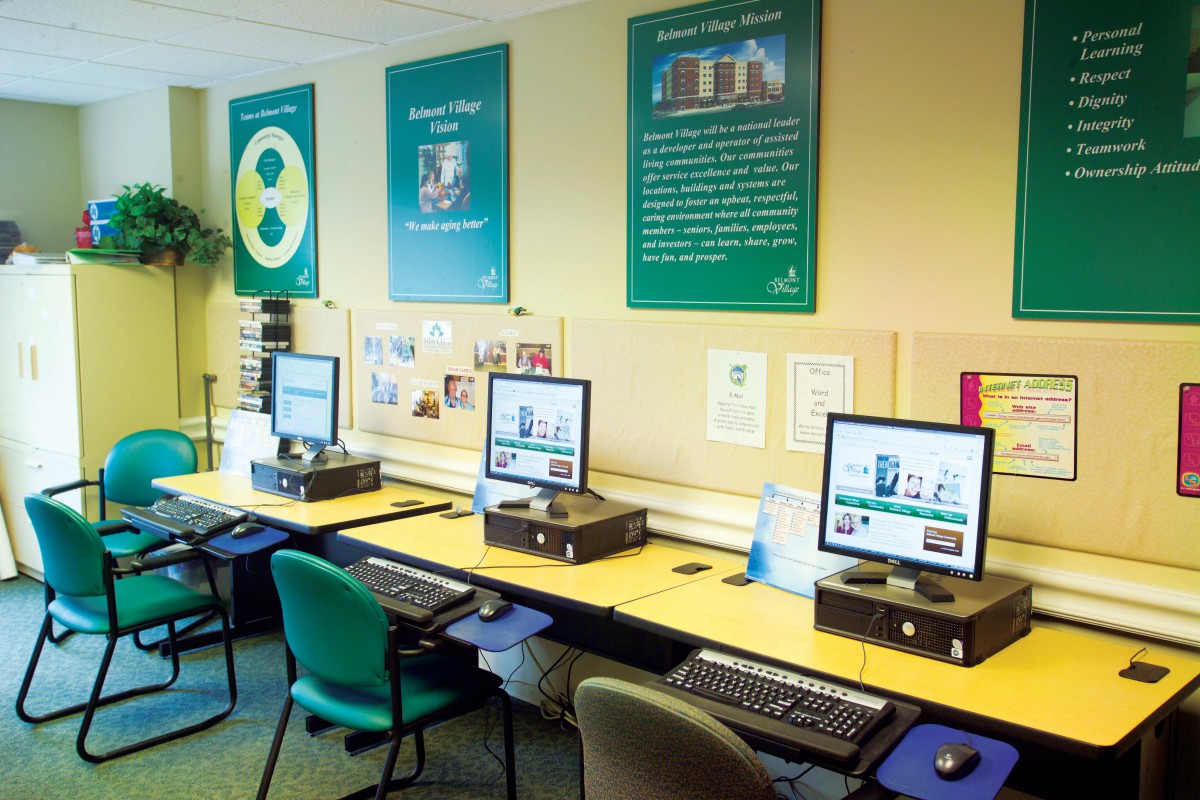
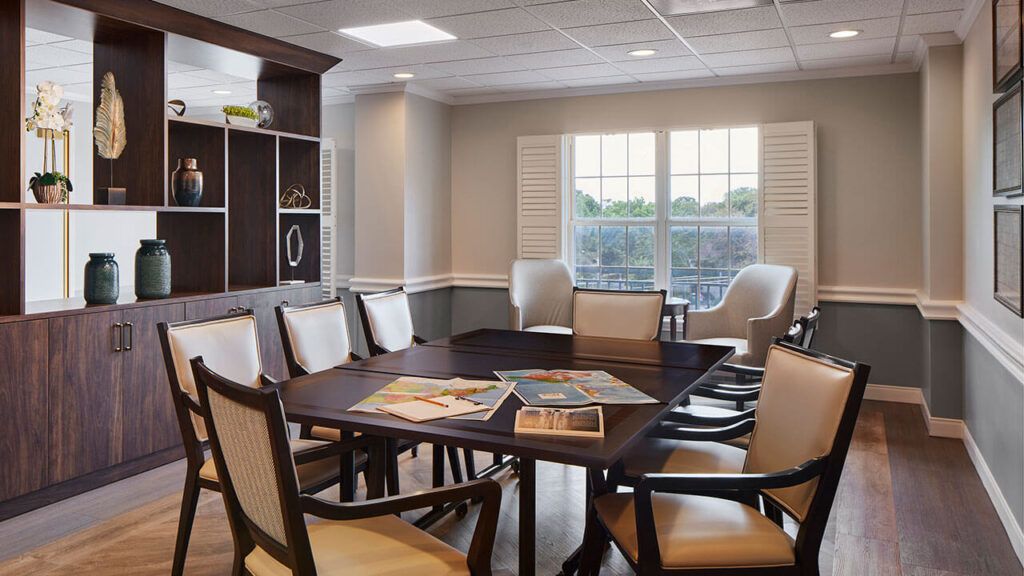
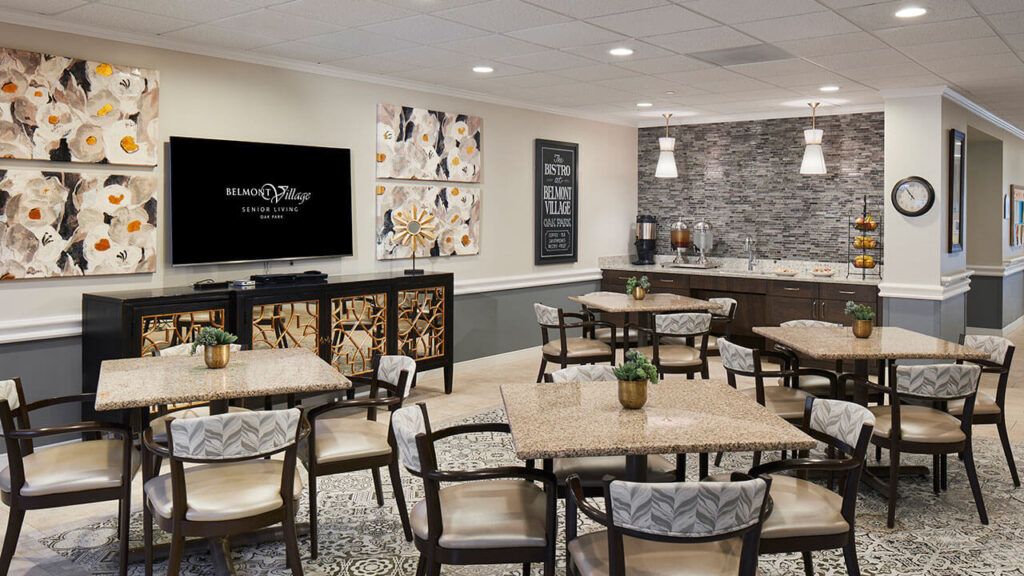
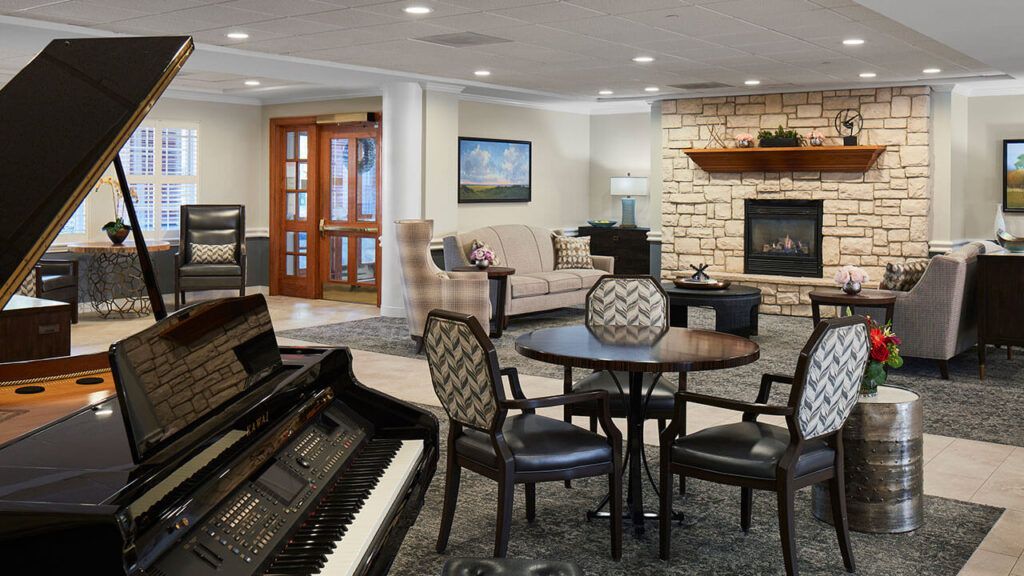
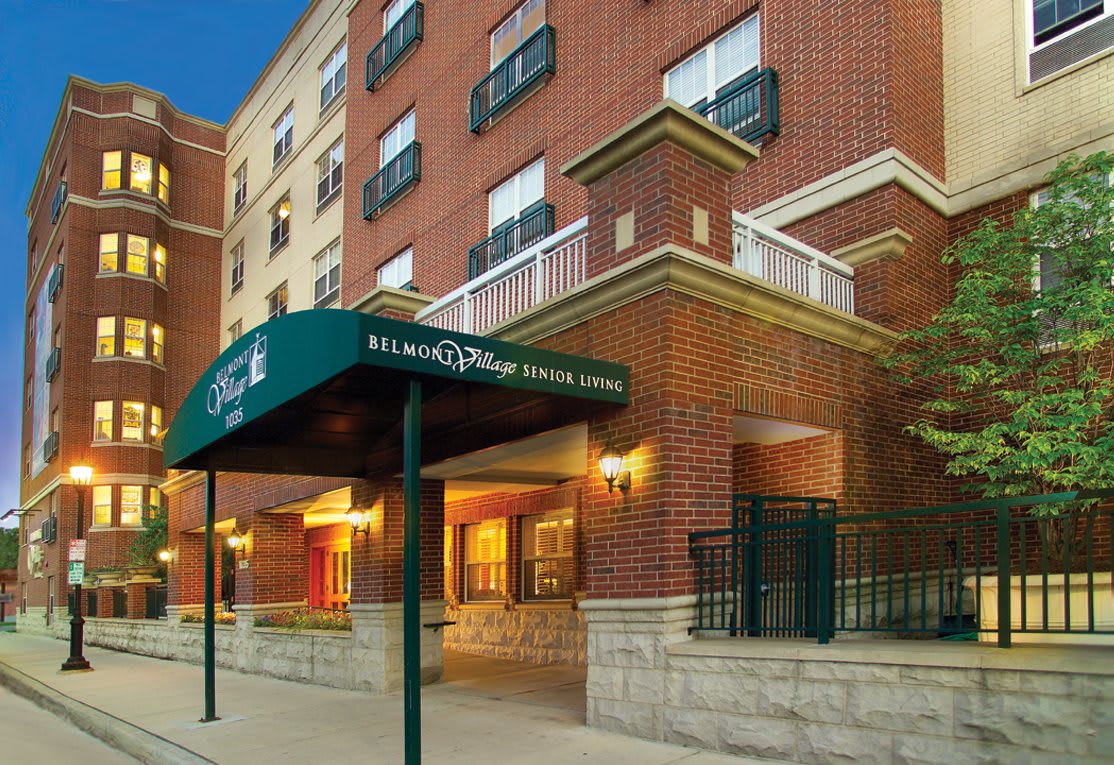
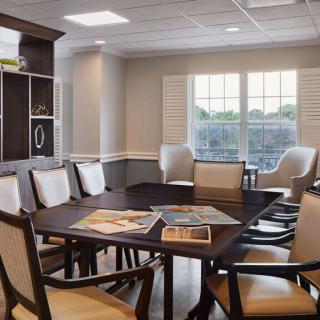
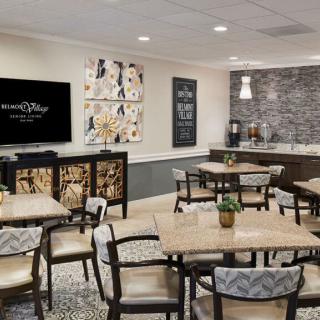
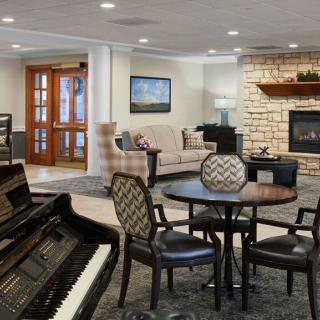
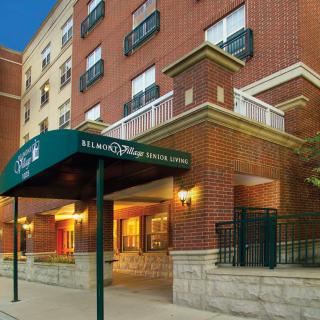
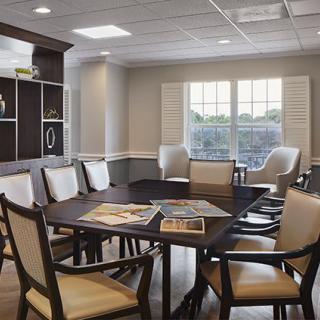
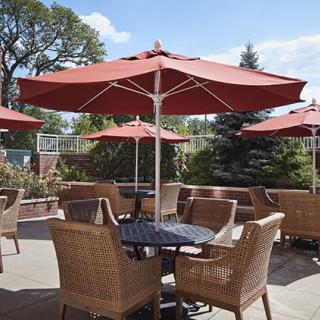
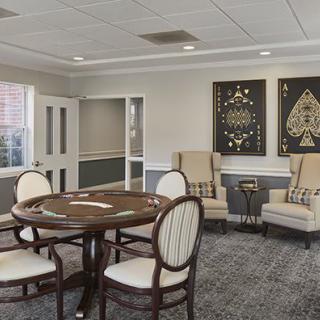
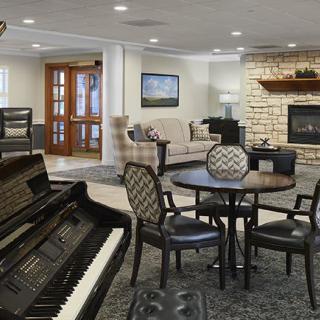
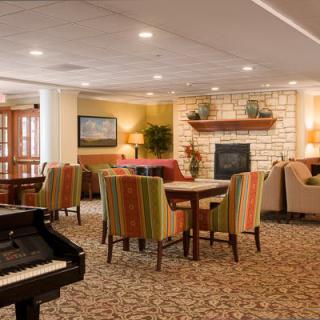
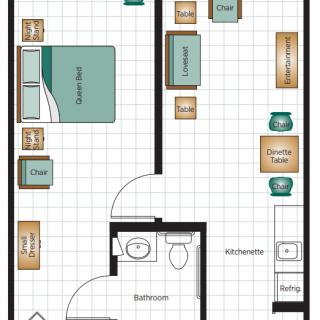
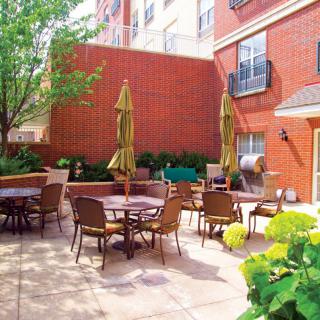
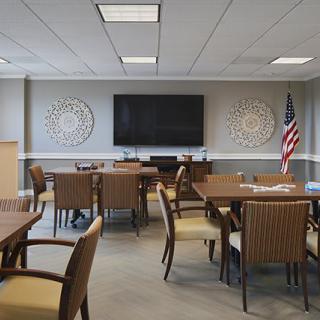
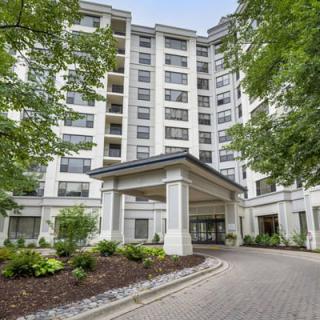
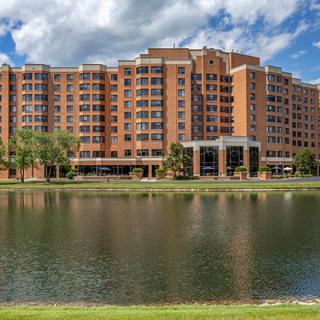
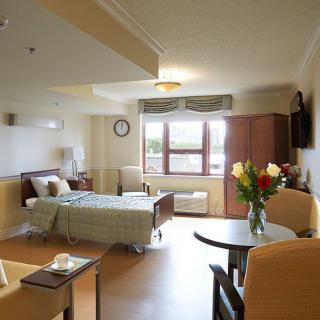
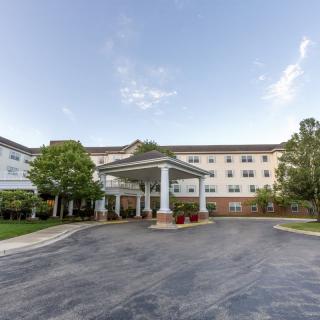
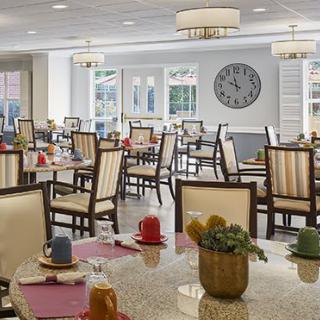
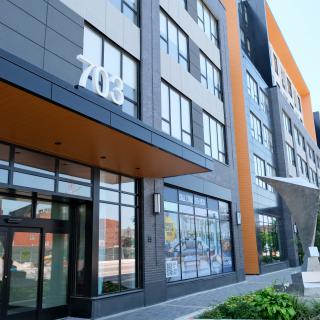
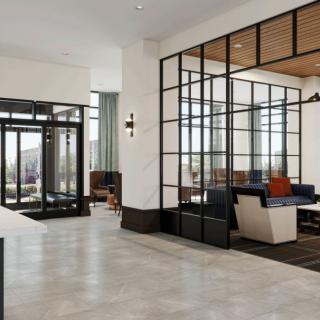
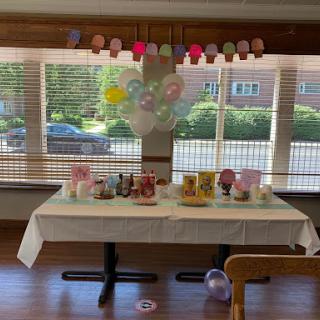
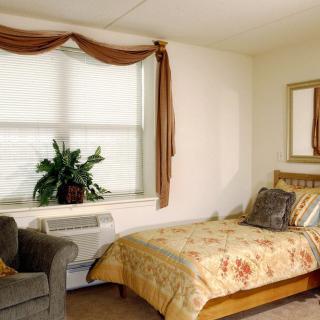
Belmont Village Senior Living Oak Park on seniors.fyi includes 33 photos including images showing interior, floor plan, dining, decor, television, seating area, meeting room, living room, and more.
Nearby Communities
Rush Oak Park Hospital - Skilled Care Unit
Oak Park, IL
2.4 from 121 reviews
Dedicated staff with strong rehab support and private rooms.
Mills Park Tower
Oak Park, IL
3.3 from 8 reviews
Proximity to parks, pharmacies, restaurants, transit, and hospitals.
Oak Park Arms
Oak Park, IL
4.2 from 124 reviews
$1,800 to $2,600 / month
Friendly staff and engaging activities.
Oak Park
OAK PARK, IL
4.8 from 46 reviews
Comprehensive care options (including memory care) with 24-hour supervision and extensive on-site amenities.
American House Oak Park
Oak Park, IL
4.8 from 39 reviews
$3,085 to $6,750 / month
Warm, welcoming atmosphere with engaging activities and compassionate staff.
Companion Choice
Oak Park, IL
Easy access to parks, hospitals, pharmacies, dining, and transportation.
Oak Park Oasis
Oak Park, IL
3 from 24 reviews
Extensive amenities and comprehensive care (24/7 supervision, ADL assistance, medication management) with restaurant-style dining and social activities.
Home Instead - Oak Park, IL
Oak Park, IL
4.9 from 75 reviews
Excellent access to parks, pharmacies, restaurants, and hospitals.
Victory Centre of River Woods
Melrose Park, IL
4.2 from 82 reviews
$4,255 to $4,695 / month
Caring, attentive staff in a clean, welcoming setting with a variety of activities.
Assisted living provides moderate support for seniors seeking independence, while memory care offers specialized support for individuals with dementia or cognitive impairments through structured routines and trained staff. Key differences include care approaches, environment security measures, staff training levels, activity types, and cost considerations.
Choosing between assisted living and nursing homes involves evaluating emotional and financial factors, with assisted living offering independence and support for daily activities at a lower cost, while nursing homes provide intensive medical care for individuals with significant health needs. The decision is influenced by personal preferences, health status, cognitive function, and varying Medicaid coverage across states.
The article presents eight strategies for preserving cognitive health and memory in older adults, emphasizing a nutrient-rich diet, regular exercise, intellectually stimulating activities, adequate sleep, social connections, stress management techniques, limiting harmful substances, and regular medical checkups to mitigate age-related memory decline.
Exercise Equipment, Gym, Fitness, and Workout Space
Outdoor Seating
Seating
Flag
Wall Art
Painting and Caregiver
Library and Reading Room
Hardwood Floor and Paintings
Office
Studio Apartment
Lounge
Kitchenette and Closet
Conference Room
Brick Wall
Umbrellas
Meeting Room
Meeting Space
Brick Building
Computers
Coffee Station
Design and Studio
Office Space
Room Layout
Room Design
Get PricingAsk A QuestionSchedule A TourContact Senior Advisor
By clicking submit, you agree to our Partner's Terms of Use. You
also consent to receive calls and texts, which may be autodialed, from our Partner. Your consent is not a condition to
using our Partner's service. Please visit our Partner's Privacy Policy for information about their privacy practices.



 129 resident community capacity
 1-bedroom apartments
 Assisted Living
 Memory Care
 Skilled Nursing Facility
 Cats allowed
 Dogs allowed
 Activities off-site
 Air-conditioning
 Beautician on-site
 Cable or satellite TV
 Cafe
Cafe Computer center
 Devotional services off-site
 Dining room
 Financing advice
 Fitness room
 Fully furnished
 Gaming room
 Garden
 Ground floor units
 Guest parking
 Handicap accessible
 Housekeeping services
 Indoor common areas
 Kitchenette
 Laundry
 Move-in coordination
 Outdoor common areas
 Party space
 Pet friendly
 Private bathrooms
 Respite or short term stays offered
 Restaurant-style dining
 Small library
 Telephone
 Wellness center
 Wheelchair accessible showers
 Wi-Fi/high-speed internet available
 Chicago Midway (7 miles away)
 Community operated transportation
 12-16 hour nursing
 24-hour call system
 Ambulatory care
 Assistance with bathing
 Assistance with dressing
 Assistance with transfers
 Diabetes diet
 Diabetic care
 High acuity care
 Hospice waiver
 Incontinence care
 Medication management
 Mental wellness program
 Physical therapy
 Special dietary restrictions
 Transportation arrangement (medical)
 Art classes
 Book club
 Catholic services
 Concierge services
 Day trips and outings
 Educational speakers / life long learning
 Games
Games Jewish services
 Live musical performances
 English
 Dedicated staff with strong rehab support and private rooms.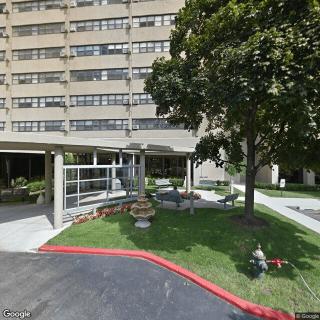

 Assisted Living and Memory Care: Understanding Their Core Differences
 Choosing the Right Senior Care: A Detailed Exploration of Assisted Living and Nursing Homes
 Safeguarding Your Memory Through the Golden Years: Eight Ways to Preserve Cognitive Health