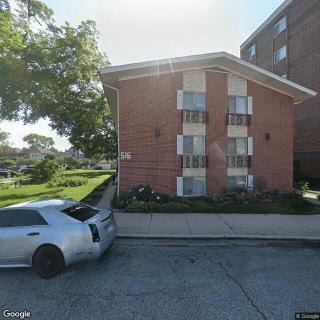
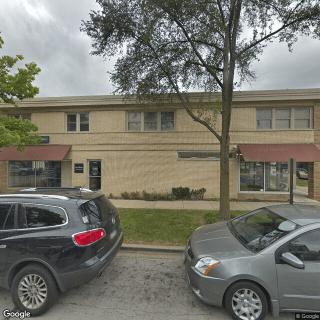
Rush Oak Park Hospital - Skilled Care Unit in Oak Park, IL

520 South Maple Avenue, Oak Park, IL 60304

For more information about senior living options: (844) 490-3973

2.4 from 101 reviews
5 stars
30
4 stars
5
3 stars
3
2 stars
4
1 stars
59

Skilled Nursing Facility

What level of care are you interested in?

Assisted Living

Memory Care

Independent Living

Skilled Nursing Facility

Continuing Care Retirement Community (CCRC)CCRC

Other


Request a tour at Rush Oak Park Hospital - Skilled Care Unit

    Overall Review of Rush Oak Park Hospital - Skilled Care Unit

    Pros

    • pro The staff were welcoming, friendly, helpful, professional, and caring.
    • pro The nurses and doctors were exceptional and went the extra mile to make patients feel better.
    • pro The Same?Day Surgery Unit and the 3rd floor teams treated the patient with care and attention.
    • pro The ER team was kind, attentive, and informative, making patients feel heard and at ease.
    • pro Emily in Ultrasound was friendly, patient, and thorough.
    • pro Melanie in Ultrasound was welcoming, professional, and thorough, with a clear bedside manner.
    • pro The surgeons and doctors were compassionate and skilled, delivering confident and thorough care.
    • pro Rush Oak Park Hospital staff consistently showed professionalism, empathy, and dignity in treatment.

    Cons

    • pro The hospital is described as the worst ever, with eight hours of waiting and discharging patients in pain with infection.
    • pro The billing department is called deceptive and terrible, with thousands of dollars in surprise bills and no upfront disclosure.
    • pro Reviewers report long ER waits with excruciating pain, no updates, and little to no pain relief.
    • pro The facility is criticized as dirty and outdated, with peeling wallpaper, dirty bathrooms, and unclean rooms.
    • pro Staff are described as rude and unprofessional, with nurses ignoring patients and poor bedside manner.
    • pro There is frequent miscommunication among doctors, leading to unclear or conflicting treatment plans and delays.
    • pro Billing and administration receive harsh critique for out-of-network surprises and unhelpful customer service, including unreturned calls.
    • pro Security concerns are raised, including theft of a patient's credit cards and AirPods in the ER.

    Review

    Rush Oak Park Hospital's Skilled Care Unit is best suited for older adults who need sub-acute rehab and therapy after a hospital stay and for families seeking a hospital-based alternative to a nursing home. It serves as a practical transition point when medical needs are still present but the goal is to regain independence and return home. In this setting, the emphasis is on structured therapy, nursing support, and a familiar Rush network, making it a sensible pick for those who want to stay within a trusted system while recovering from acute illness or surgery.

    Those who should consider alternatives are primarily the patients who require consistently rapid emergency assessment, spotless facilities, or highly predictable billing. Several reviews catalog long ER waits, variable cleanliness, and frequent billing frustrations, suggesting that for acute care, urgent pain control, or complex pediatric needs, other hospitals may deliver more reliable and streamlined experiences. If a modern, highly polished environment and uniformly seamless administrative processes are a priority, competing institutions in the Chicago area - especially the main Rush campus or independent peers - are worth evaluating.

    The unit's strongest assets show up as genuine, patient-centered care from nurses, therapists, and surgeons who treat rehab as a meaningful, compassionate process. When the care team is aligned, there are many messages of thanks for bedside manner, clear communication, and attentive pain management. The Same-Day Surgery environment and certain floor teams receive consistent praise for professionalism and supportive treatment. These pros matter because they convert rehab time into real progress, reducing frustration and helping families trust the pathway back home. Yet these strengths are real but uneven, and they do not fully neutralize the louder, recurrent downsides that color the broader hospital experience.

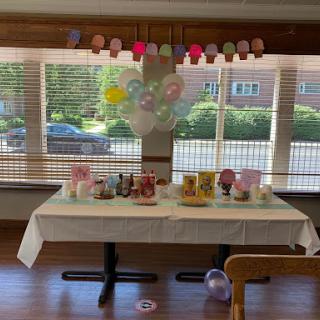
    In the Skilled Care Unit itself, the layout and offerings are sensory enough to support recovery without forcing a full nursing-home immersion. The unit sits on the hospital's fifth floor, with a sizable dining area and a capable therapy space that suits sub-acute needs. Rooms are typically hospital-ward style, often set up for one patient rather than two, which is a plus for privacy during rehab - but the public spaces for visiting and socializing are comparatively modest. The care rendered is widely described as kind and compassionate, but the environment can feel dated, with routine maintenance and comfort concerns that echo reviews about older infrastructure.

    Beyond the rehab unit, the hospital's overall experience is a mixed bag. Parking challenges, aging public areas, and inconsistent housekeeping surface in many critiques, while a subset of staff are lauded for professionalism and efficiency. Billing and administrative friction recur in several accounts - surprise charges, processing errors, and slow responses from patient relations threaten to erode trust even when clinical care is solid. The dissonance between exemplary bedside care on some teams and frustrating logistical gaps elsewhere creates a variable experience that cannot be ignored when weighing a move to this facility.

    For families assessing options, the prudent course is to separate the rehab-focused decision from the acute-care realities. If the goal is sub-acute recovery with access to Rush physicians and therapy staff in an environment that supports home discharge, Rush Oak Park's Skilled Care Unit can be a strong fit - provided expectations are managed around facility age, potential service variability, and billing transparency. Tour the unit, speak with the rehabilitation director, and request a day-to-day care plan that spells out therapy hours, nurse availability, and how emergencies would be escalated. If a seamless ER experience, pristine facilities, or pediatric services are non-negotiable, or if cost and billing clarity are paramount, consider alternatives and compare not only hospital reputation but concrete processes and patient narratives.

    In sum, the Rush Oak Park Skilled Care Unit offers meaningful rehab potential in a hospital setting, backed by caring professionals who understand the rehabilitation pathway. Yet the broader hospital experience - especially ER throughput, cleanliness, and administrative reliability - can swing from commendable to discouraging. Prospective families should anchor their decision on whether the primary need is structured, compassionate post-acute therapy close to home, and should test that commitment with a targeted, in-depth look at the rehab program itself, separate from the hospital's episodic care experiences. When that rehab core aligns, the unit can be a sensible, well-supported route back to independence; when it does not, alternatives with more consistent operations and clearer financial terms warrant serious consideration.

    Features

    Housing

    • 36 resident community capacity 36 resident community capacity

    Types of Care

    • Skilled Nursing Facility Skilled Nursing FacilitySkilled Nursing Facilities are crucial for seniors as they provide round-the-clock medical care, rehabilitation services, and assistance with daily activities. These facilities ensure that seniors receive the specialized care they need to maintain their health and well-being as they age.

    Amenities

    • Beauty salon Beauty salonBeauty salons are important for seniors because they provide a space for them to feel pampered, socialize, and maintain their personal grooming and hygiene. Regular visits to a beauty salon can help boost seniors' self-esteem and overall well-being.
    • Cable or satellite TV Cable or satellite TVCable or satellite TV is important for seniors because it provides entertainment, news, and companionship, helping to combat loneliness and boredom. It also offers a wide range of programming options tailored to different interests and preferences.
    • Dining room Dining roomDining rooms are important for seniors as they provide a space for socialization, connection, and nutritious meals. They offer opportunities for residents to bond over shared meals, foster a sense of community, and promote healthy eating habits. Dining rooms also ensure that seniors have access to well-balanced meals tailored to their dietary needs and preferences.
    • Fully furnished Fully furnishedFully furnished senior living communities are important for seniors because they provide convenience, comfort, and a hassle-free moving experience. Seniors can easily settle into their new living space without the stress of having to buy and move furniture. This allows them to focus on enjoying their new home and community.
    • Garden GardenGardens are important for seniors as they provide a peaceful and therapeutic environment for relaxation, physical activity, and socialization. Being in nature has been shown to reduce stress, improve mood, and promote overall well-being. Gardens also offer opportunities for seniors to engage in gardening activities, which can improve mobility, flexibility, and cognitive function. Additionally, gardens create a sense of community and connection with others who share a passion for plants and outdoor spaces.
    • Housekeeping services Housekeeping servicesHousekeeping services are important for seniors because they help maintain a clean and safe living environment, promote independence, and reduce the risk of accidents or illnesses. Additionally, having assistance with household chores can alleviate physical strain and allow seniors to focus on other aspects of their well-being.
    • Kitchenette KitchenetteKitchenettes are important for seniors living in senior living communities because they provide the convenience and independence of being able to prepare simple meals and snacks in the comfort of their own living space. This can help promote a sense of autonomy and well-being for seniors, allowing them to maintain some level of control over their dietary choices and daily routines.
    • Move-in coordination Move-in coordinationMove-in coordination is important for seniors because it helps ease the transition into their new living environment. It ensures that all logistics, such as packing, organizing movers, and setting up utilities are taken care of, allowing seniors to focus on settling in and adjusting to their new home. Having a smooth move-in process can alleviate stress and anxiety, making the transition smoother and more enjoyable for seniors.
    • Outdoor space Outdoor spaceOutdoor spaces are important for seniors as they provide opportunities for physical activity, social interaction, exposure to natural light and fresh air, and a sense of connection to nature. Having access to outdoor spaces can improve overall well-being and quality of life for older adults living in senior communities.
    • Restaurant-style dining Restaurant-style diningRestaurant-style dining is important for seniors because it allows them to enjoy delicious, nutritious meals in a social and upscale setting. This enhances their dining experience, promotes healthy eating habits, and fosters socialization with fellow residents, ultimately contributing to their overall well-being and quality of life.
    • Small library Small librarySmall libraries are important for seniors as they provide access to a variety of reading materials, including books, newspapers, and magazines. This can help stimulate their minds, keep them engaged, and provide a sense of community through book clubs and other social activities. Additionally, reading has been shown to improve cognitive function and overall mental well-being in older adults.
    • Telephone TelephoneTelephones are important for seniors as they provide a lifeline for communication with loved ones, emergency services, and healthcare providers. They offer a sense of security and independence, enabling seniors to stay connected and access assistance when needed.
    • Wi-Fi/high-speed internet available Wi-Fi/high-speed internet availableWi-Fi/high-speed internet is important for seniors to stay connected with loved ones, access online resources, and participate in virtual activities to combat feelings of loneliness and isolation. It also allows them to easily manage healthcare needs, access entertainment, and engage in lifelong learning opportunities.

    Transportation

    • Chicago Midway (7 miles away) Chicago Midway (7 miles away)
    • Chicago O'Hare International (9 miles away) Chicago O'Hare International (9 miles away)

    Care Services

    • 24-hour call system 24-hour call system24-hour call systems are important for seniors because they provide peace of mind and immediate assistance in case of emergencies. This technology ensures that help is always available, promoting safety and security for elderly individuals living alone or in assisted living facilities.
    • 24-hour supervision 24-hour supervision24-hour supervision is important for seniors to ensure their safety, well-being, and access to immediate assistance in case of emergencies or health issues. This constant support provides peace of mind for both seniors and their loved ones, allowing them to age in place with dignity and security.
    • Activities of daily living assistance Activities of daily living assistanceActivities of daily living assistance are important for seniors because they provide essential support with tasks such as eating, bathing, dressing, and mobility. This assistance helps seniors maintain their independence, dignity, and overall quality of life as they age.
    • Assistance with bathing Assistance with bathingAssistance with bathing is crucial for seniors as it helps maintain personal hygiene, prevents infections, and ensures their overall well-being and comfort. It also provides a sense of dignity and independence for seniors who may struggle with this task on their own.
    • Assistance with dressing Assistance with dressingAssistance with dressing is important for seniors because it helps maintain their independence, promotes personal hygiene, prevents accidents and injuries, and improves overall quality of life. This service ensures that seniors can continue to dress comfortably and confidently, despite any physical limitations they may have.
    • Assistance with transfers Assistance with transfersAssistance with transfers is crucial for seniors as it helps prevent falls and injuries, maintains their independence, and ensures they can safely navigate their living environment. It also provides peace of mind for both seniors and their loved ones.
    • Diabetes diet Diabetes dietA diabetes diet is crucial for seniors as it helps manage blood sugar levels, reduce risks of complications, and improve overall health and well-being. By following a balanced and nutritious diet tailored to their specific needs, seniors can better control their diabetes and enhance their quality of life.
    • Meal preparation and service Meal preparation and serviceMeal preparation and service are crucial for seniors as they may have limited mobility or energy to cook nutritious meals. Having access to healthy and convenient food options can ensure they are getting the proper nutrition needed to maintain their overall health and well-being.
    • Medication management Medication managementMedication management is crucial for seniors to ensure they are taking the right medications at the correct dosages and times. This helps prevent adverse drug interactions, reduces the risk of medication errors, and promotes overall health and well-being. Proactive management also allows for adjustments as needed based on changing health conditions or new prescriptions.
    • Mental wellness program Mental wellness programMental wellness programs are essential for seniors as they promote cognitive stimulation, emotional support, and social engagement. These programs help prevent isolation, depression, and cognitive decline, ultimately enhancing the overall quality of life for older adults.
    • Special dietary restrictions Special dietary restrictionsSpecial dietary restrictions are important for seniors because age-related changes in metabolism and health conditions can make it difficult for their bodies to process certain foods. By following a diet tailored to their specific needs, seniors can maintain their overall health and well-being, manage chronic conditions, and reduce the risk of complications such as malnutrition or food interactions with medications.

    Dining

    • Diabetes diet Diabetes dietA diabetes diet is crucial for seniors as it helps manage blood sugar levels, reduce risks of complications, and improve overall health and well-being. By following a balanced and nutritious diet tailored to their specific needs, seniors can better control their diabetes and enhance their quality of life.
    • Special dietary restrictions Special dietary restrictionsSpecial dietary restrictions are important for seniors because age-related changes in metabolism and health conditions can make it difficult for their bodies to process certain foods. By following a diet tailored to their specific needs, seniors can maintain their overall health and well-being, manage chronic conditions, and reduce the risk of complications such as malnutrition or food interactions with medications.

    Activities

    • Community-sponsored activities Community-sponsored activitiesCommunity-sponsored activities are important for seniors as they provide opportunities for social interaction, mental stimulation, and physical activity. These activities can help improve overall well-being, combat loneliness and isolation, and promote a sense of belonging and purpose among older adults.
    • Resident-run activities Resident-run activitiesResident-run activities are important for seniors as they encourage social interaction, creativity, and a sense of autonomy. These activities empower seniors to stay engaged and active in their community while fostering meaningful connections with their peers.
    • Scheduled daily activities Scheduled daily activitiesScheduled daily activities are important for seniors because they provide structure, socialization, mental stimulation, and physical activity. Engaging in regular activities can improve overall well-being and quality of life for seniors living in a community setting.

    Description

    Rush Oak Park Hospital - Skilled Care Unit in Oak Park, IL offers a comfortable and welcoming assisted living community for seniors. The skilled care unit is fully furnished and equipped with amenities to ensure residents have everything they need to feel at home. With cable or satellite TV, residents can relax and enjoy their favorite shows in the comfort of their own rooms.

    The dining room provides a communal area for residents to gather and enjoy delicious meals prepared by the skilled staff. Special dietary restrictions are accommodated to ensure that all residents receive the appropriate nutrition they need.

    Housekeeping services are provided to maintain a clean and tidy living environment. Additionally, move-in coordination is available to assist with the transition process. Outdoor spaces and gardens offer opportunities for residents to enjoy nature and fresh air.

    Residents can stay connected with family and friends through telephone, Wi-Fi, and high-speed internet access. A small library is available for leisurely reading or research purposes.

    Skilled caregivers provide 24-hour supervision, assisting with activities of daily living such as bathing, dressing, and transfers. Medication management ensures that residents receive their prescribed medications on time. A mental wellness program is also in place to support the emotional well-being of residents.

    Residents have the opportunity to participate in resident-run activities as well as scheduled daily activities planned by the staff. This promotes socialization among residents and helps keep them engaged and active.

    The community is conveniently located near parks, pharmacies, restaurants, transportation options, and hospitals, providing easy access to necessary services.

    Overall, Rush Oak Park Hospital - Skilled Care Unit offers a compassionate assisted living community where seniors can receive personalized care in a comfortable setting.

    Nearby Places of Interest

    Pharmacies

    • Walgreens (0.7 miles)
    • CVS Pharmacy (1 miles)
    • Walgreens (1.3 miles)
    • Walgreens (2 miles)
    • Walgreens (2.1 miles)
    • CVS Pharmacy (2.4 miles)
    • Walgreens (3.6 miles)

    Restaurants

    • Portillo's Hot Dogs (1.3 miles)
    • Chick-Fil-A (2 miles)
    • Raising Cane's Chicken Fingers (2.4 miles)
    • Culver's (5.8 miles)
    • Parson's Chicken & Fish (5.9 miles)
    • Longman & Eagle (6.1 miles)
    • The Barrel (6.8 miles)

    Hospitals

    • Loyola University Medical Center (2.1 miles)
    • Loyola Outpatient Center (2.2 miles)
    • Edward Hines, Jr Veterans Hospital (2.6 miles)
    • Building 217, Hines VA Hospital (2.6 miles)
    • Gottlieb Memorial Hospital (3 miles)
    • Loyola Medicine Transport (3.1 miles)
    • MacNeal Hospital (3.2 miles)

    Parks

    • Norfolk Park (3.8 miles)
    • The 606 — Western Terminus (4.9 miles)
    • Douglas Park (5.4 miles)
    • Humboldt Park (5.5 miles)
    • Portage Park (5.7 miles)
    • Unity Playlot Park (5.9 miles)
    • Logan Boulevard (5.9 miles)

    Transportation

    • CTA - Kedzie-Homan (4.9 miles)
    • Jefferson Park Bus Terminal (6.7 miles)
    • Cta (6.7 miles)
    • Concourse B (7 miles)
    • Cta (7 miles)
    • Chicago Midway International Airport (MDW) (7.1 miles)
    • Cta (7.2 miles)

    Physicians

    • University of Illinois Mile Square Health Center: Near West Side (6.4 miles)
    • Resurrection Medical Center Professional Building (7.6 miles)

    Cafes

    • Starbucks (7 miles)
    • Starbucks (7.5 miles)
    • Starbucks (7.6 miles)

    Theaters

    • Regal Webster Place (7.7 miles)
    • AMC Rosemont 18 (7.8 miles)

    Frequently Asked Questions

    Where is Rush Oak Park Hospital - Skilled Care Unit?

    Nearby Communities

    • Belmont Village Senior Living Oak Park

      Belmont Village Senior Living Oak Park

      Oak Park, IL

      4.1 from 64 reviews
      $3,450 to $6,565 / month

      pro Bright, well-maintained community with friendly staff and on-site care and activities.
    • Mills Park Tower

      Mills Park Tower

      Oak Park, IL


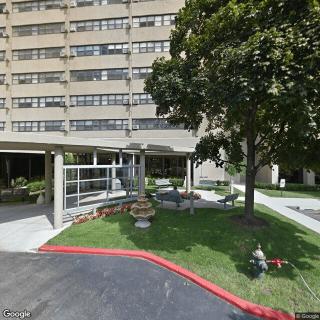
      pro Proximity to parks, pharmacies, restaurants, transit, and hospitals.

    • Oak Park Arms

      Oak Park Arms

      Oak Park, IL

      4.2 from 120 reviews
      $1,800 to $2,600 / month

      pro Friendly staff and engaging activities.

    • Oak Park

      Oak Park

      OAK PARK, IL

      4.7 from 31 reviews
       

      pro Comprehensive care options (including memory care) with 24-hour supervision and extensive on-site amenities.

    • American House Oak Park

      American House Oak Park

      Oak Park, IL

      4.8 from 39 reviews
      $3,085 to $6,750 / month

      pro Warm, welcoming atmosphere with engaging activities and compassionate staff.

    • Surburban Caregivers Inc

      Surburban Caregivers Inc

      Forest Park, IL


      pro Peaceful Forest Park location with easy access to parks, pharmacies, hospitals, and dining; 24/7 personalized care.

    • Oak Park Oasis

      Oak Park Oasis

      Oak Park, IL


      pro Extensive amenities and comprehensive care (24/7 supervision, ADL assistance, medication management) with restaurant-style dining and social activities.

    • Home Instead - Oak Park,  IL

      Home Instead - Oak Park, IL

      Oak Park, IL


      pro Excellent access to parks, pharmacies, restaurants, and hospitals.

    • Victory Centre of River Woods

      Victory Centre of River Woods

      Melrose Park, IL

      4.3 from 79 reviews
      $4,255 to $4,695 / month

      pro Caring, attentive staff in a clean, welcoming setting with a variety of activities.

    Related Resources

    • palliative care vs hospiceUnderstanding the Nuances of Palliative Care and Hospice: A Comprehensive Exploration

      Palliative care focuses on alleviating distress at any stage of a serious illness and can accompany curative treatments, while hospice care is for those nearing the end of life with a prognosis of six months or less, emphasizing comfort over curative measures. Both prioritize holistic care for patients and families but differ in timing, goals, and scope.

    • fecal incontinenceFecal Incontinence in Older Adults: A Comprehensive Guide

      Fecal incontinence, prevalent among older adults, arises from factors like weakened pelvic muscles and nerve damage, significantly affecting well-being and social interactions. Diagnosis involves clinical evaluation and tests to inform tailored treatments, while caregivers and preventive measures can aid in managing the condition effectively.

    • anticipatory griefRecognizing the Journey: Understanding and Navigating Anticipatory Grief

      Anticipatory grief is an emotional response to the impending loss of a loved one, characterized by complex emotions such as sadness and anger, and involves navigating stages similar to those identified by Kübler-Ross. Coping strategies are vital for managing this process, emphasizing compassionate communication, self-care, and support groups while recognizing the cultural influences on grieving.


    Get Pricing Ask A Question Schedule A Tour Contact Senior Advisor