Oak Park Oasis

Save
Oak Park Oasis Oak Park Oasis Oak Park Oasis Oak Park Oasis

Oak Park Oasis

625 North Harlem, Oak Park, IL 60302

For more information about senior living options: (844) 490-3973

3 from 24 reviews
5 stars
9
4 stars
4
3 stars
0
2 stars
1
1 stars
10

Skilled Nursing Facility

Overall Review of Oak Park Oasis

Pros

  • pro One reviewer described Oak Park Oasis as an outstanding nursing facility with welcoming and friendly staff.
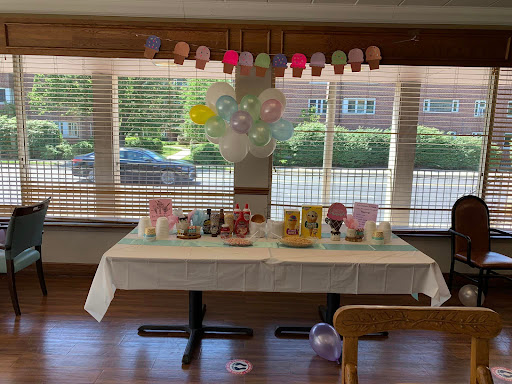
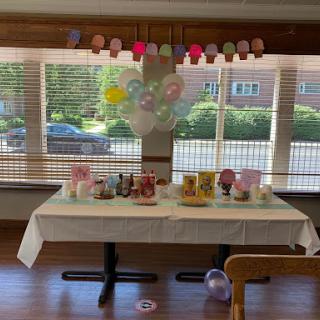
  • pro Another reviewer praised the activities program, highlighting events like Sipp & Paint and Ice Cream Social.
  • pro A reviewer noted improvements under the new ownership, mentioning better quality of care and a more accessible staff.
  • pro A family member reported that care for their grandmother has been good, with her in good spirits, good communication, and therapy progress.
  • pro A long-term resident's family expressed gratitude for the staff's care over the years, specifically thanking Laurie M., the director of nursing, and Kevin, the administrator, for their dedication.

Cons

  • pro The facility is in a state of disrepair with peeling paint, worn-out furniture, and a general lack of cleanliness.
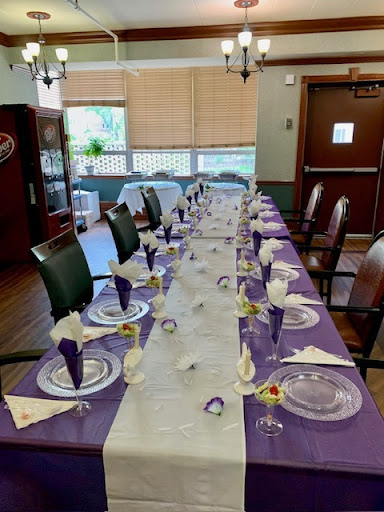
  • pro The second floor is run-down and stinky, and the dining room has few chairs with old, sticky tables.
  • pro Residents who can use the washroom are mistreated, and requests for help are ignored for hours.
  • pro Kevin, the head of administration, is described as a liar and horrible.
  • pro The Director of Nursing's uniform is described as revealing and unprofessional.
  • pro The DON is rude to patients and discourages them from bringing problems to the facility.
  • pro Some staff members lack work ethics and curse in the hallway.
  • pro Unwarranted drug tests and room searches are conducted, and passes are taken away for no reason.
  • pro The facility appears dirty and smells bad, indicating poor cleanliness.
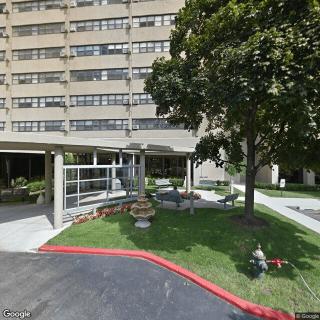
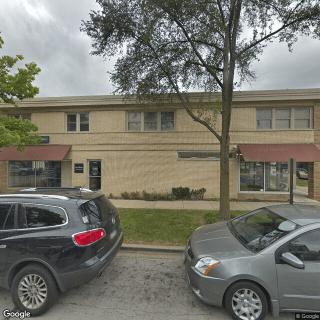
  • pro The grounds and exterior are poorly maintained, with dilapidated windows, overgrown shrubbery, and a back parking area in need of repaving.
  • pro The facility does not promptly respond to inquiries about placement or information.
  • pro The facility is accused of not caring for its residents, suggesting financial motives over proper care.

Review

Oak Park Oasis Nursing Home in Oak Park, Illinois, draws a wide range of reactions from family members and visitors who have spent time there. Across many accounts, the experiences run the gamut from deeply concerning to unexpectedly hopeful. A common thread among the harsher reviews is a perception of neglect in maintenance and cleanliness, coupled with troubling impressions of leadership and staff conduct. Yet sprinkled through these critiques are instances of compassionate care and genuine appreciation for individual staff members and some improvements in recent months.

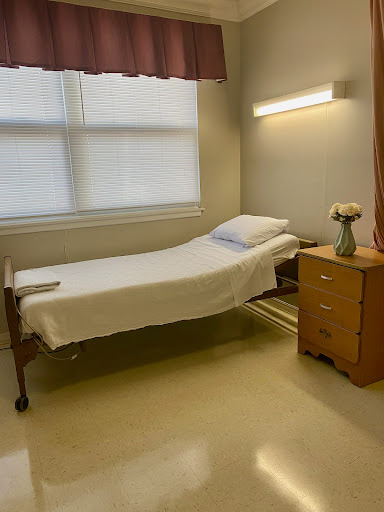
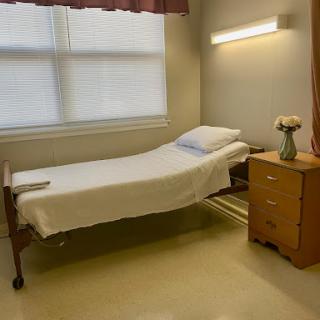
Many reviewers describe the facility as rundown and poorly maintained. The building environment is repeatedly characterized as dirty, with peeling paint, worn-out furniture, dim and yellowed lighting, and outdated interiors that give the impression of being stuck in the 1970s. Windows, walls, and ceiling panels are highlighted as needing attention, and the surrounding campus is said to be in disrepair - shrubs overgrown, back parking areas in need of repaving, and grounds looking neglected. Inside, visitors report dusty or dirty common areas, diners with insufficient seating, and floors or surfaces that feel sticky. Several accounts specifically point to a stale or unpleasant odor on certain floors, reinforcing the sense that upkeep and overall cleanliness are not consistently prioritized.

The quality of care and day-to-day interactions with staff emerge as a deeply divided experience. On one hand, there are stories of rude behavior, poor work ethic, and hostile or bullying attitudes, particularly directed at or by staff members who work with elderly residents. One reviewer cites frequent cursing in the hallways and a general impression that staff do not treat residents with dignity. There are also specific allegations of mismanagement, such as a resident being subjected to a drug test for reasons that other reviewers say had nothing to do with them, and an administrator allegedly attempting to revoke passes without justification. In addition, there are claims that some staff are slow to respond to basic needs, with residents who require help using the bathroom waiting for hours, highlighting concerns about responsiveness and personal care. A few reviewers describe tense or punitive interactions that leave family members worried about residents' safety.

Conversely, several reviews recount positive personal connections and competent care delivered by individual staff members. A standout example is a nurse/adon described as highly professional, kind, and quick to respond, whose care allegedly put a hesitant family at ease. A few reviewers praise the Director of Nursing (DON) when she is present, noting that professionalism and attentiveness can make a real difference in residents' day-to-day experience. One account specifically credits Laurie M., the DON, for consistently going above and beyond in coordinating medical appointments and addressing concerns. A reviewer also acknowledges Kevin, the administrator, for his responsiveness and professional manner, suggesting that communication and customer service can improve with leadership that is attentive to family needs. These positive anecdotes show that, when staff are engaged and residents' needs are prioritized, quality of care can be meaningful and supportive.

Leadership and governance emerge as a point of strong contention. Several reviewers criticize Kevin, the head of administration, with harsh wording about honesty and trust. Complaints about management decisions and the handling of residents' passes and safety measures color many negative impressions. Others counter with praise for changes under new ownership and improved teamwork within the facility. A recurring theme is that the overall impression of the administration and DON can swing depending on who is on duty, suggesting inconsistencies in policy application, staffing levels, and accountability. Highlights of praise for leadership tend to coincide with mentions of improved communication, more visible staff presence, and a perception that the facility is trending upward after a period of decline.

Residents' experiences in care and daily life also reflect mixed outcomes. Some family members report sincere care and positive interactions in conversations with staff, noting improvement in therapy, mobility, and mood, especially when visiting with residents who are engaged and content. Others report dissatisfaction with the level of care, including concerns about privacy, the handling of medical or psychological needs, and questions about whether residents are receiving appropriate attention. A number of reviewers emphasize the importance of doing thorough due diligence before admitting a loved one, with one urging others to research carefully and to be aware that experiences can vary widely within the same building.

Finally, the social and emotional environment at Oak Park Oasis shows both supportive efforts and missed opportunities. Several reviews celebrate activity programming that fosters engagement, such as "Sipp & Paint," ice cream socials, zoo trips, and other events that bring residents together and provide meaningful moments of joy. A few rely on these activities as evidence that the facility can be a warm, homelike place with staff who truly care. Yet other accounts express frustration that such programs are inconsistent or insufficient to counterbalance broader concerns about cleanliness, safety, and the day-to-day realities of living in a long-term care setting.

Taken together, the collection of reviews presents a nuanced portrait: Oak Park Oasis is a facility capable of compassionate care and meaningful improvements, especially when strong staff members are present and leadership is engaged. At the same time, it faces significant and persistent challenges around facility condition, consistency of care, timely responsiveness, and the conduct of leadership and some staff members. For families evaluating this nursing home, the message is clear: there are moments of excellence and warmth, but substantial concerns about upkeep, safety, and overall professionalism require careful consideration and direct, in-person assessment. If a loved one is admitted here, proactive communication, rigorous oversight, and clear expectations with management may be essential to ensuring a safe, respectful, and well-supported care environment.

Features

Housing

  • 204 resident community capacity 204 resident community capacity

Types of Care

  • Skilled Nursing Facility Skilled Nursing FacilitySkilled Nursing Facilities are crucial for seniors as they provide round-the-clock medical care, rehabilitation services, and assistance with daily activities. These facilities ensure that seniors receive the specialized care they need to maintain their health and well-being as they age.

Amenities

  • Air-conditioning Air-conditioningAir conditioning is important for seniors as they are more vulnerable to heat-related illnesses and may have underlying health conditions that make it difficult for them to regulate their body temperature. It helps to keep them comfortable, safe, and healthy in hot weather.
  • Beauty salon Beauty salonBeauty salons are important for seniors because they provide a space for them to feel pampered, socialize, and maintain their personal grooming and hygiene. Regular visits to a beauty salon can help boost seniors' self-esteem and overall well-being.
  • Cable or satellite TV Cable or satellite TVCable or satellite TV is important for seniors because it provides entertainment, news, and companionship, helping to combat loneliness and boredom. It also offers a wide range of programming options tailored to different interests and preferences.
  • Computer center Computer centerA computer center is essential for seniors as it provides access to technology, communication tools, and resources that can enhance their daily lives. It allows them to stay connected with loved ones, engage in online activities, and learn new skills, ultimately promoting socialization and mental stimulation.
  • Dining room Dining roomDining rooms are important for seniors as they provide a space for socialization, connection, and nutritious meals. They offer opportunities for residents to bond over shared meals, foster a sense of community, and promote healthy eating habits. Dining rooms also ensure that seniors have access to well-balanced meals tailored to their dietary needs and preferences.
  • Fitness room Fitness roomHaving a fitness room in a senior living community is essential for seniors to stay active, maintain their physical health, and improve their overall well-being. Regular exercise can help prevent falls, reduce the risk of chronic diseases, and promote mental sharpness. It also provides social opportunities for residents to connect with others and enjoy a sense of community.
  • Fully furnished Fully furnishedFully furnished senior living communities are important for seniors because they provide convenience, comfort, and a hassle-free moving experience. Seniors can easily settle into their new living space without the stress of having to buy and move furniture. This allows them to focus on enjoying their new home and community.
  • Gaming room Gaming roomGaming rooms are important for seniors as they provide a fun and engaging environment for socializing, cognitive stimulation, and physical activity. Games can improve memory, problem-solving skills, and overall mental well-being while fostering friendships and reducing feelings of isolation.
  • Garden GardenGardens are important for seniors as they provide a peaceful and therapeutic environment for relaxation, physical activity, and socialization. Being in nature has been shown to reduce stress, improve mood, and promote overall well-being. Gardens also offer opportunities for seniors to engage in gardening activities, which can improve mobility, flexibility, and cognitive function. Additionally, gardens create a sense of community and connection with others who share a passion for plants and outdoor spaces.
  • Housekeeping services Housekeeping servicesHousekeeping services are important for seniors because they help maintain a clean and safe living environment, promote independence, and reduce the risk of accidents or illnesses. Additionally, having assistance with household chores can alleviate physical strain and allow seniors to focus on other aspects of their well-being.
  • Kitchenette KitchenetteKitchenettes are important for seniors living in senior living communities because they provide the convenience and independence of being able to prepare simple meals and snacks in the comfort of their own living space. This can help promote a sense of autonomy and well-being for seniors, allowing them to maintain some level of control over their dietary choices and daily routines.
  • Move-in coordination Move-in coordinationMove-in coordination is important for seniors because it helps ease the transition into their new living environment. It ensures that all logistics, such as packing, organizing movers, and setting up utilities are taken care of, allowing seniors to focus on settling in and adjusting to their new home. Having a smooth move-in process can alleviate stress and anxiety, making the transition smoother and more enjoyable for seniors.
  • Outdoor space Outdoor spaceOutdoor spaces are important for seniors as they provide opportunities for physical activity, social interaction, exposure to natural light and fresh air, and a sense of connection to nature. Having access to outdoor spaces can improve overall well-being and quality of life for older adults living in senior communities.
  • Private bathrooms Private bathroomsPrivate bathrooms are important for seniors in senior living communities because they provide independence, dignity, and comfort. Having a private bathroom allows seniors to maintain their personal hygiene routines without the need for assistance, promoting a sense of autonomy and privacy. Additionally, private bathrooms help prevent the spread of infections and provide a safe and clean environment for seniors to navigate safely.
  • Restaurant-style dining Restaurant-style diningRestaurant-style dining is important for seniors because it allows them to enjoy delicious, nutritious meals in a social and upscale setting. This enhances their dining experience, promotes healthy eating habits, and fosters socialization with fellow residents, ultimately contributing to their overall well-being and quality of life.
  • Small library Small librarySmall libraries are important for seniors as they provide access to a variety of reading materials, including books, newspapers, and magazines. This can help stimulate their minds, keep them engaged, and provide a sense of community through book clubs and other social activities. Additionally, reading has been shown to improve cognitive function and overall mental well-being in older adults.
  • Telephone TelephoneTelephones are important for seniors as they provide a lifeline for communication with loved ones, emergency services, and healthcare providers. They offer a sense of security and independence, enabling seniors to stay connected and access assistance when needed.
  • Wellness center Wellness centerWellness centers are important for seniors because they offer a variety of programs and services that promote physical, mental, and emotional well-being. These centers provide opportunities for exercise, socialization, education, and relaxation, helping seniors maintain their overall health and quality of life.
  • Wi-Fi/high-speed internet available Wi-Fi/high-speed internet availableWi-Fi/high-speed internet is important for seniors to stay connected with loved ones, access online resources, and participate in virtual activities to combat feelings of loneliness and isolation. It also allows them to easily manage healthcare needs, access entertainment, and engage in lifelong learning opportunities.

Transportation

  • Chicago Midway (8 miles away) Chicago Midway (8 miles away)
  • Chicago O'Hare International (8 miles away) Chicago O'Hare International (8 miles away)
  • Community operated transportation Community operated transportationCommunity operated transportation is crucial for seniors as it provides them with the means to access essential services, social activities, and medical appointments. It allows seniors to maintain their independence and quality of life by ensuring they can participate in activities outside of their homes. Additionally, community-operated transportation services offer a safe and reliable way for seniors to travel without having to rely on family or friends for assistance.
  • Transportation arrangement Transportation arrangementTransportation arrangements are crucial for seniors as they may face challenges with driving, mobility, or access to public transportation. Having reliable transportation services ensures that seniors can easily attend appointments, social activities, and maintain their independence and quality of life.
  • Transportation arrangement (non-medical) Transportation arrangement (non-medical)Transportation arrangements are essential for seniors as they provide access to essential services, activities, and social interactions outside the home. This service helps maintain independence, mobility, and overall well-being for seniors who may have limited transportation options.
  • Transportation to doctors appointments Transportation to doctors appointmentsTransportation to doctors appointments is crucial for seniors as it ensures they have access to necessary medical care and support, promoting their health and well-being. It allows them to receive timely treatment, monitor existing conditions, and address any new health concerns efficiently. Additionally, transportation services can help seniors maintain their independence and quality of life by enabling them to stay connected with their healthcare providers.

Nearby Metro Stations

  • Metro Station Harlem/Lake  
  • Metro Station Oak Park  

Care Services

  • 12-16 hour nursing 12-16 hour nursing12-16 hour nursing care is crucial for seniors in order to ensure around-the-clock monitoring, timely medication administration, and prompt response to any health concerns or emergencies. This level of care helps to promote the overall well-being and safety of seniors living in senior living communities.
  • 24-hour call system 24-hour call system24-hour call systems are important for seniors because they provide peace of mind and immediate assistance in case of emergencies. This technology ensures that help is always available, promoting safety and security for elderly individuals living alone or in assisted living facilities.
  • 24-hour supervision 24-hour supervision24-hour supervision is important for seniors to ensure their safety, well-being, and access to immediate assistance in case of emergencies or health issues. This constant support provides peace of mind for both seniors and their loved ones, allowing them to age in place with dignity and security.
  • Activities of daily living assistance Activities of daily living assistanceActivities of daily living assistance are important for seniors because they provide essential support with tasks such as eating, bathing, dressing, and mobility. This assistance helps seniors maintain their independence, dignity, and overall quality of life as they age.
  • Assistance with bathing Assistance with bathingAssistance with bathing is crucial for seniors as it helps maintain personal hygiene, prevents infections, and ensures their overall well-being and comfort. It also provides a sense of dignity and independence for seniors who may struggle with this task on their own.
  • Assistance with dressing Assistance with dressingAssistance with dressing is important for seniors because it helps maintain their independence, promotes personal hygiene, prevents accidents and injuries, and improves overall quality of life. This service ensures that seniors can continue to dress comfortably and confidently, despite any physical limitations they may have.
  • Assistance with transfers Assistance with transfersAssistance with transfers is crucial for seniors as it helps prevent falls and injuries, maintains their independence, and ensures they can safely navigate their living environment. It also provides peace of mind for both seniors and their loved ones.
  • Diabetes diet Diabetes dietA diabetes diet is crucial for seniors as it helps manage blood sugar levels, reduce risks of complications, and improve overall health and well-being. By following a balanced and nutritious diet tailored to their specific needs, seniors can better control their diabetes and enhance their quality of life.
  • Meal preparation and service Meal preparation and serviceMeal preparation and service are crucial for seniors as they may have limited mobility or energy to cook nutritious meals. Having access to healthy and convenient food options can ensure they are getting the proper nutrition needed to maintain their overall health and well-being.
  • Medication management Medication managementMedication management is crucial for seniors to ensure they are taking the right medications at the correct dosages and times. This helps prevent adverse drug interactions, reduces the risk of medication errors, and promotes overall health and well-being. Proactive management also allows for adjustments as needed based on changing health conditions or new prescriptions.
  • Mental wellness program Mental wellness programMental wellness programs are essential for seniors as they promote cognitive stimulation, emotional support, and social engagement. These programs help prevent isolation, depression, and cognitive decline, ultimately enhancing the overall quality of life for older adults.
  • Special dietary restrictions Special dietary restrictionsSpecial dietary restrictions are important for seniors because age-related changes in metabolism and health conditions can make it difficult for their bodies to process certain foods. By following a diet tailored to their specific needs, seniors can maintain their overall health and well-being, manage chronic conditions, and reduce the risk of complications such as malnutrition or food interactions with medications.

Dining

  • Diabetes diet Diabetes dietA diabetes diet is crucial for seniors as it helps manage blood sugar levels, reduce risks of complications, and improve overall health and well-being. By following a balanced and nutritious diet tailored to their specific needs, seniors can better control their diabetes and enhance their quality of life.
  • Special dietary restrictions Special dietary restrictionsSpecial dietary restrictions are important for seniors because age-related changes in metabolism and health conditions can make it difficult for their bodies to process certain foods. By following a diet tailored to their specific needs, seniors can maintain their overall health and well-being, manage chronic conditions, and reduce the risk of complications such as malnutrition or food interactions with medications.

Activities

  • Community-sponsored activities Community-sponsored activitiesCommunity-sponsored activities are important for seniors as they provide opportunities for social interaction, mental stimulation, and physical activity. These activities can help improve overall well-being, combat loneliness and isolation, and promote a sense of belonging and purpose among older adults.
  • Concierge services Concierge servicesConcierge services are essential for seniors as they provide assistance with daily tasks and errands, enhance their quality of life by offering convenience and personalized care, and promote a sense of safety and security.
  • Fitness programs Fitness programsFitness programs are crucial for seniors as they help improve strength, flexibility, balance, and overall well-being. Staying active can reduce the risk of chronic diseases, improve mental health, and enhance quality of life in older adults.
  • Planned day trips Planned day tripsPlanned day trips are important for seniors because they offer opportunities for socialization, mental stimulation, and physical activity. They provide a change of scenery and help seniors stay engaged and connected to their community, promoting overall well-being and quality of life.
  • Resident-run activities Resident-run activitiesResident-run activities are important for seniors as they encourage social interaction, creativity, and a sense of autonomy. These activities empower seniors to stay engaged and active in their community while fostering meaningful connections with their peers.
  • Scheduled daily activities Scheduled daily activitiesScheduled daily activities are important for seniors because they provide structure, socialization, mental stimulation, and physical activity. Engaging in regular activities can improve overall well-being and quality of life for seniors living in a community setting.

Description

The Oak Park Oasis in Oak Park, IL is a vibrant and inclusive assisted living community that offers a wide range of amenities and care services to cater to the individual needs of our residents. Our community is designed to promote an active and fulfilling lifestyle for older adults while providing the necessary assistance and support they may require.

In terms of amenities, we offer various options for leisure and socializing. Residents can enjoy pampering themselves at our beauty salon or relax in front of their favorite TV shows with cable or satellite TV in their private rooms. Our community-operated transportation ensures easy access to nearby destinations such as shopping centers or recreational areas. For those who prefer staying connected digitally, our computer center and high-speed Wi-Fi are available.

Meals are an important aspect of our community, which is why we provide restaurant-style dining in our spacious dining room. We accommodate any special dietary restrictions that residents may have, including diabetes diets or other specific needs.

Residents can engage in physical activity at our fitness room or enjoy various games at the gaming room. Our beautiful garden provides a serene outdoor space where residents can soak up the sun or simply relax amidst nature. For individuals who enjoy reading, we offer a small library filled with books to satisfy their literary interests.

We understand that maintaining personal hygiene is crucial for overall well-being, which is why each resident has a private bathroom for their convenience. Housekeeping services ensure that their living space remains clean and tidy.

To ensure seamless transition into our community, we offer move-in coordination services. Additionally, our staff assists with activities of daily living such as bathing, dressing, transfers, and medication management through 24-hour supervision and call systems.

Our team places great emphasis on mental wellness by offering support through dedicated programs. Furthermore, concierge services are available to assist residents with any additional needs they may have.

Nearby parks provide opportunities for outdoor recreation while various pharmacies cater to medical needs conveniently located nearby. Restaurants and hospitals in close proximity ensure access to a variety of dining options and medical facilities.

At Oak Park Oasis, we strive to provide an enriching and supportive environment that promotes independence, social engagement, and overall well-being for our residents.

Nearby Places of Interest

Pharmacies

  • Walgreens (0.3 miles)
  • Walgreens (1.1 miles)
  • CVS Pharmacy (1.4 miles)
  • CVS Pharmacy (1.4 miles)
  • Walgreens (2.2 miles)
  • Walgreens (2.7 miles)
  • Walgreens (3 miles)

Restaurants

  • Portillo's Hot Dogs (2.1 miles)
  • Chick-Fil-A (3 miles)
  • Raising Cane's Chicken Fingers (3.3 miles)
  • Culver's (5 miles)
  • Parson's Chicken & Fish (5.6 miles)
  • Longman & Eagle (5.6 miles)
  • Big Star (6.7 miles)

Hospitals

  • Gottlieb Memorial Hospital (2.3 miles)
  • Loyola Medicine Transport (2.4 miles)
  • Loyola University Medical Center (2.7 miles)
  • Loyola Outpatient Center (3 miles)
  • Edward Hines, Jr Veterans Hospital (3.2 miles)
  • Building 217, Hines VA Hospital (3.2 miles)
  • MacNeal Hospital (4.2 miles)

Parks

  • Norfolk Park (4 miles)
  • The 606 — Western Terminus (4.6 miles)
  • Portage Park (4.8 miles)
  • Humboldt Park (5.4 miles)
  • Unity Playlot Park (5.4 miles)
  • Logan Boulevard (5.5 miles)
  • Palmer Square Park (5.6 miles)

Transportation

  • CTA - Kedzie-Homan (5.2 miles)
  • Jefferson Park Bus Terminal (5.8 miles)
  • Cta (5.8 miles)
  • Cta (6.9 miles)
  • SAS Business Lounge (7.1 miles)
  • Cta (7.1 miles)
  • Terminal 5 (7.2 miles)

Physicians

  • University of Illinois Mile Square Health Center: Near West Side (6.5 miles)
  • Resurrection Medical Center Professional Building (6.6 miles)

Cafes

  • Starbucks (6.6 miles)
  • Starbucks (7.1 miles)
  • Starbucks (7.2 miles)

Theaters

  • AMC Rosemont 18 (6.8 miles)
  • Regal Webster Place (7.4 miles)

Frequently Asked Questions

Where is Oak Park Oasis?
What photos are available for Oak Park Oasis in Oak Park, Illinois?

Nearby Communities

Related Resources

  • palliative care vs hospiceUnderstanding the Nuances of Palliative Care and Hospice: A Comprehensive Exploration

    Palliative care focuses on alleviating distress at any stage of a serious illness and can accompany curative treatments, while hospice care is for those nearing the end of life with a prognosis of six months or less, emphasizing comfort over curative measures. Both prioritize holistic care for patients and families but differ in timing, goals, and scope.

  • fecal incontinenceFecal Incontinence in Older Adults: A Comprehensive Guide

    Fecal incontinence, prevalent among older adults, arises from factors like weakened pelvic muscles and nerve damage, significantly affecting well-being and social interactions. Diagnosis involves clinical evaluation and tests to inform tailored treatments, while caregivers and preventive measures can aid in managing the condition effectively.

  • anticipatory griefRecognizing the Journey: Understanding and Navigating Anticipatory Grief
    Anticipatory grief is an emotional response to the impending loss of a loved one, characterized by complex emotions such as sadness and anger, and involves navigating stages similar to those identified by Kübler-Ross. Coping strategies are vital for managing this process, emphasizing compassionate communication, self-care, and support groups while recognizing the cultural influences on grieving.