For more information about senior living options: (866) 208-4318
4 from 40 reviews
5 stars
25
4 stars
3
3 stars
6
2 stars
0
1 stars
6
The Sheridan at River Forest Costs & Pricing
The Sheridan at River Forest presents a range of living accommodations with costs that reflect its commitment to quality and service. Monthly rates for studios are set at $5,300, which is notably higher than the averages in Cook County and the state of Illinois, where similar options cost approximately $3,762 and $4,028, respectively. One-bedroom units follow a similar trend, priced at $5,800 against county and state averages of $3,256 and $3,527. For those seeking more communal environments, semi-private rooms come at a premium of $7,315 compared to the county's $5,192 and the state's $5,146. Lastly, two-bedroom units are available for $7,910, significantly exceeding local averages of $4,412 in Cook County and $4,208 statewide. Overall, while The Sheridan at River Forest commands higher monthly rates across all room types compared to regional benchmarks, it delivers distinctive amenities and a supportive community designed to enhance residents' quality of life.
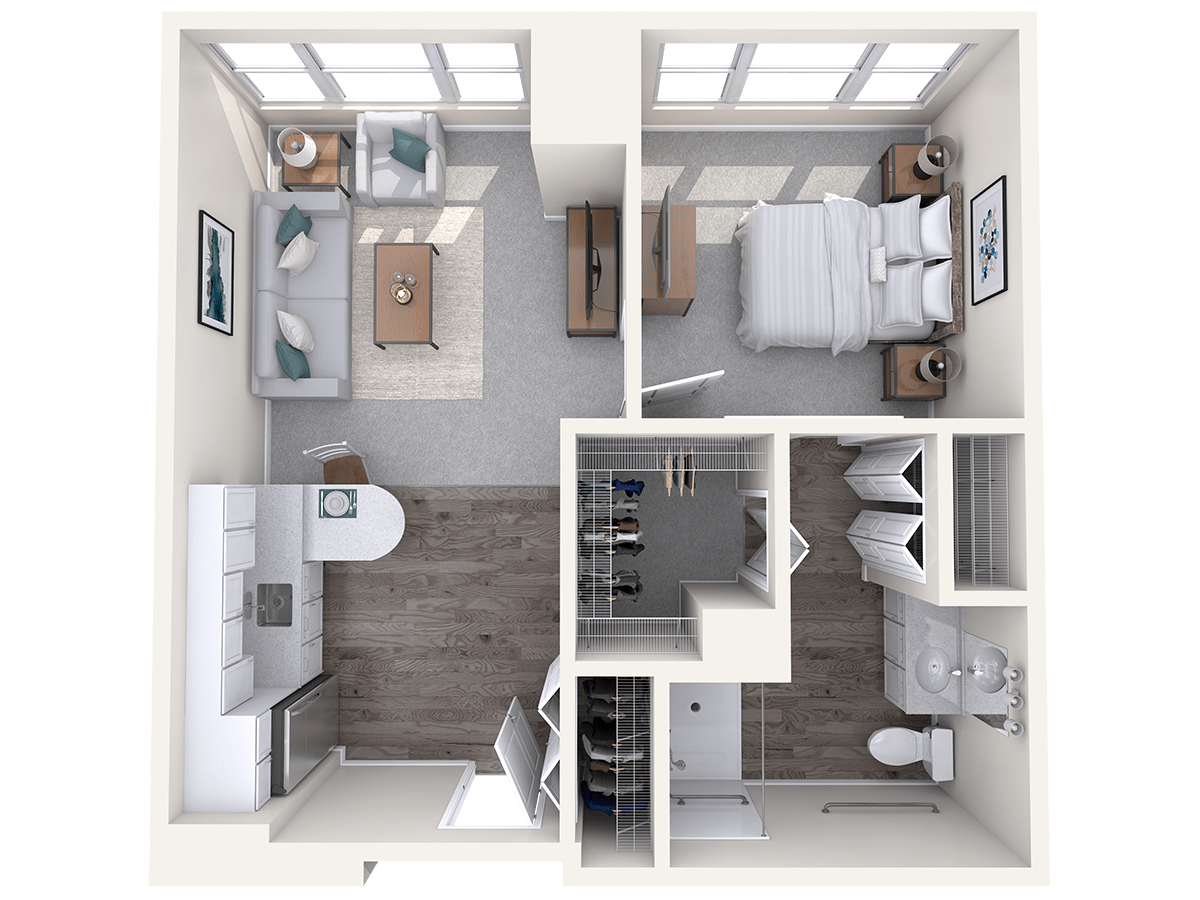
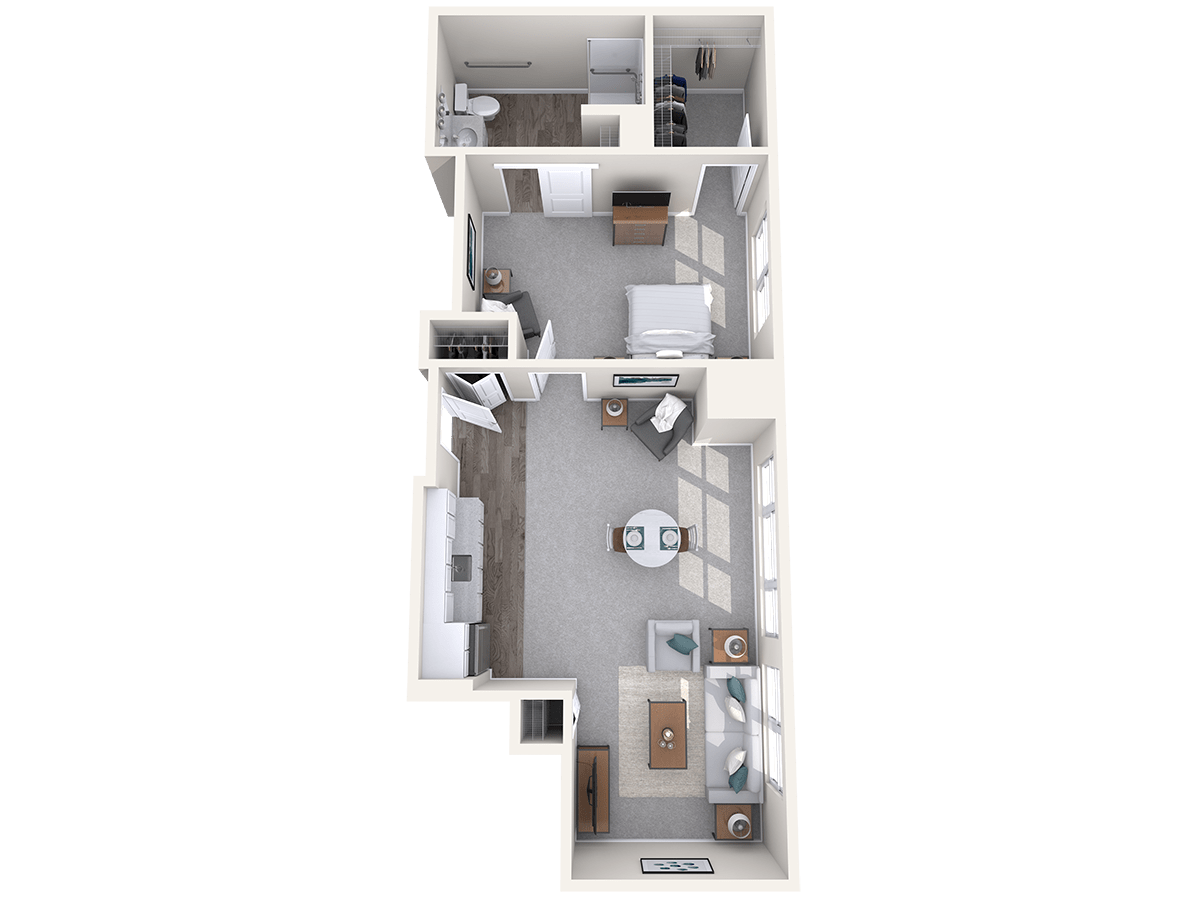
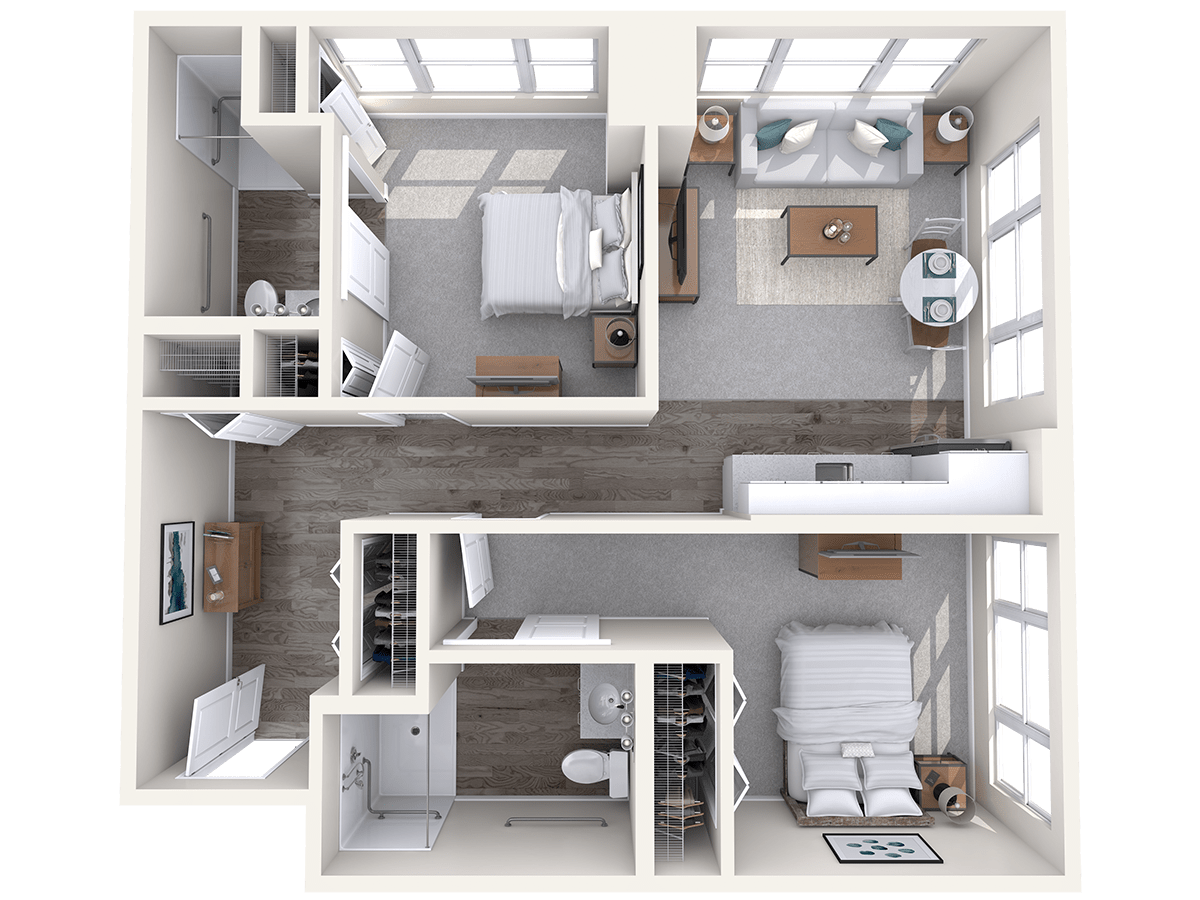
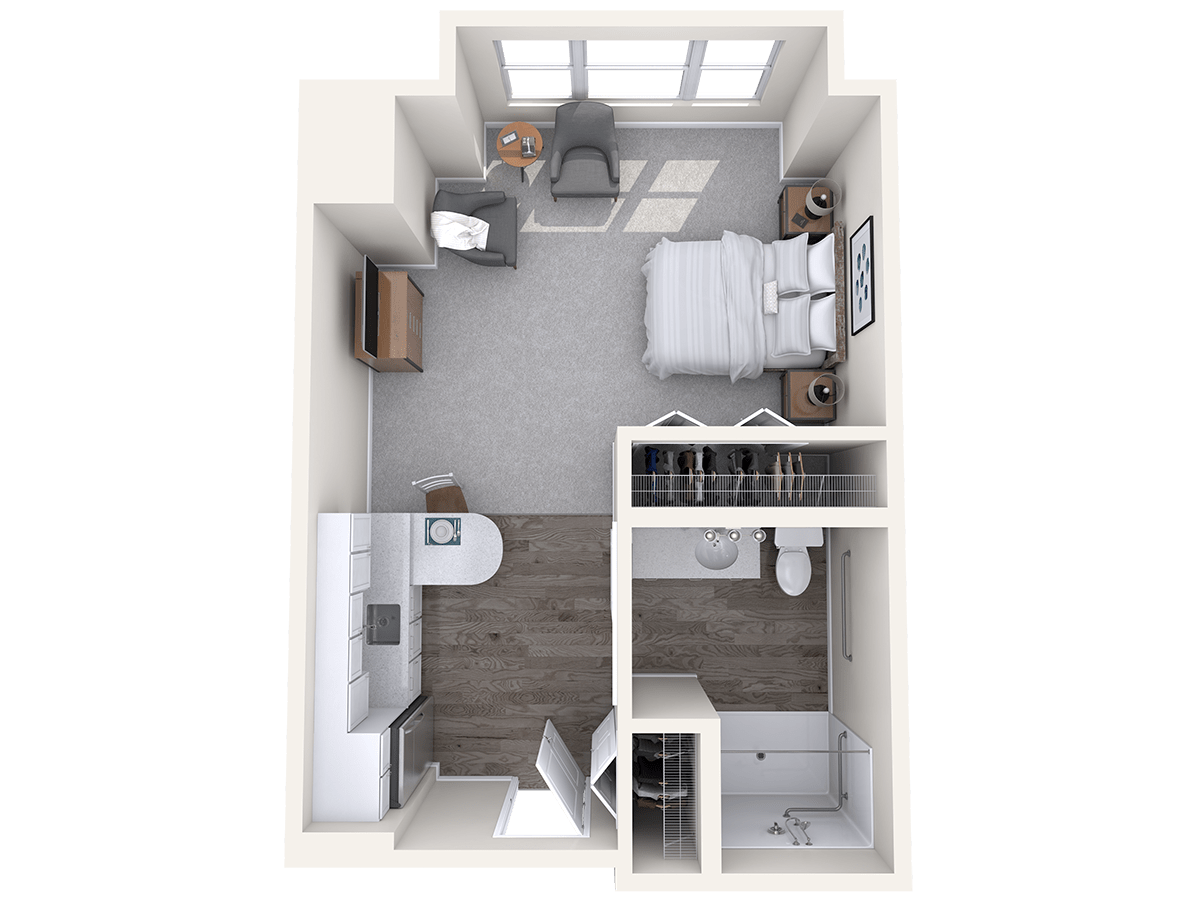
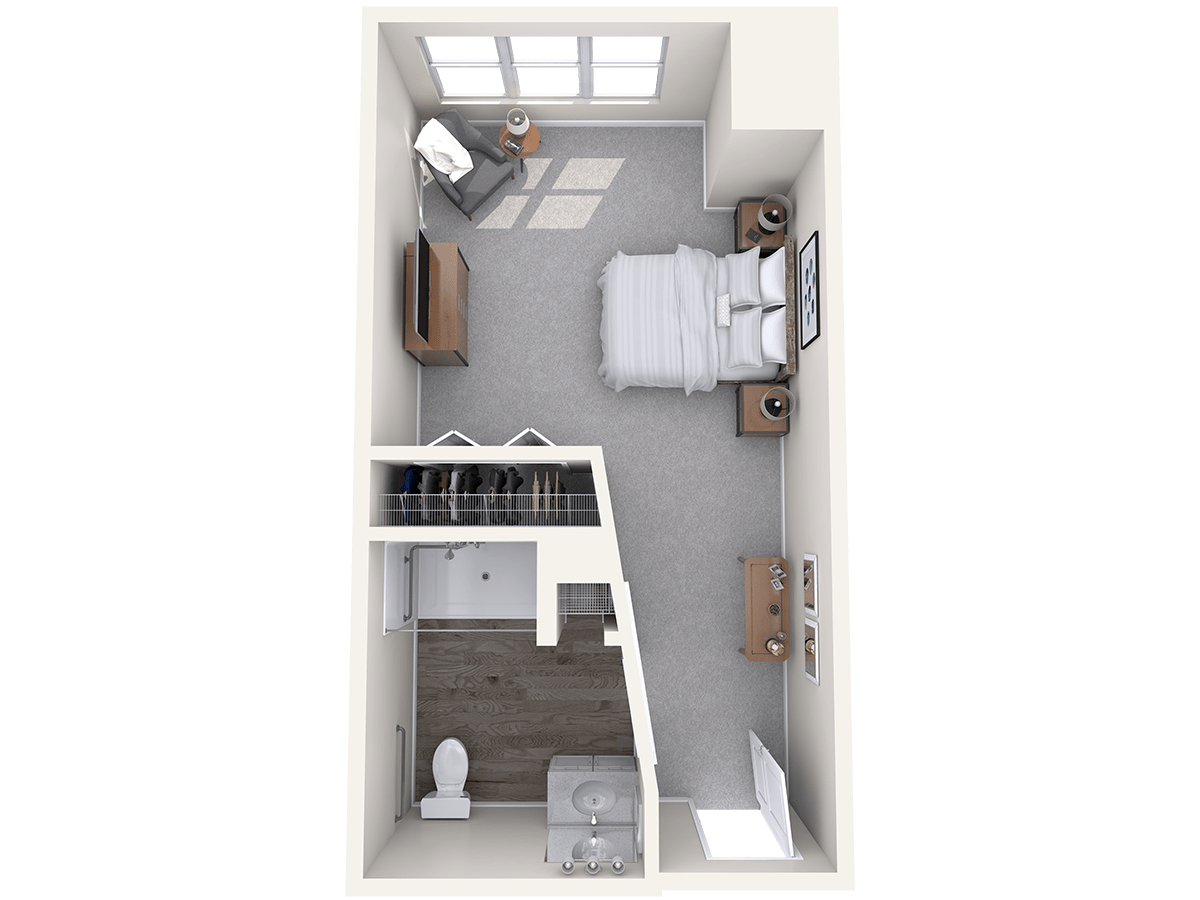
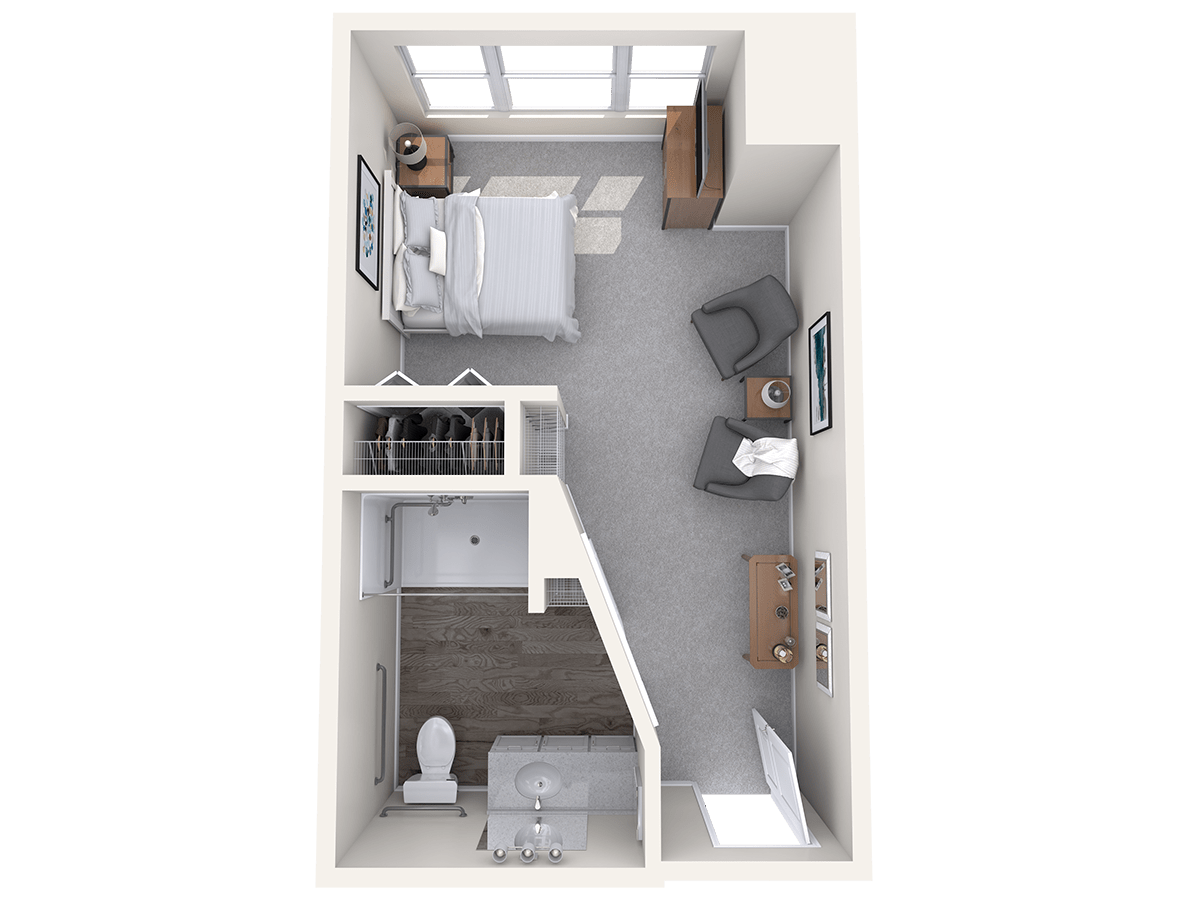
Floor plans
The Sheridan at River Forest
Cook County
Illinois
Studio
$5,300
$3,762
$4,028
1 Bedroom
$5,800
$3,256
$3,527
Semi-Private
$7,315
$5,192
$5,146
2 Bedrooms
$7,910
$4,412
$4,208
Memory care communities with a similar price nearby
Dining quality stands out, with many residents describing the meals as a strength.
Many reviewers describe the food positively, calling it excellent, delicious, or good and healthy. Others mention structured meal options, including multiple meals per day and choices residents can select. A minority of memory-care focused reviews disagree, including one account describing very small portions and another describing neglect around daily needs.
common23 reviews mention this
Staff warmth is a major theme
Residents and families frequently describe staff as caring and responsive.
Across many reviews, people emphasize a caring, respectful approach and say staff know residents by name. Several families also describe smooth transitions and helpful communication during move-in. At the same time, other reviewers report serious service breakdowns tied to staffing and professionalism, including situations where residents or families struggled to get help.
caveat9 reviews mention this
Staffing and communication concerns
Some reviews describe understaffing and difficulty getting timely help.
A recurring complaint is that help is not always available when residents need it, including reports of long waits for assistance and unanswered call alerts. Other reviewers describe professionalism issues, including rude interactions and lack of accountability when concerns are raised. Some also say administration can be hard to reach, especially when trying to get responses to questions.
common8 reviews mention this
Activities feel robust, but uneven
Daily activities and entertainment are repeatedly mentioned, though some want more programming.
Several reviewers highlight scheduled daily activities and engagement options, including gatherings, entertainment, and small-group-style social time. Some families also mention variety such as games, movies, art, and outings via a bus. Other residents and families report disappointment with limited programming, including requests for more physical activity and more interactive options—especially for memory care residents.
caveat5 reviews mention this
Memory care gets mixed feedback
Memory care reviews include both strong satisfaction and serious concerns.
Families selecting the community for memory care describe attentiveness, limited-choice activity schedules, and a better match for daily needs. Others describe outcomes they consider unacceptable, including allegations of neglect related to toileting and basic hygiene, along with medication and call-alert problems. A separate review also points to changes over time, including staff turnover and the sense that concerns can’t be escalated beyond the director.
caveat3 reviews mention this
Pricing is described as high
Cost comes up as a concern, with reviewers calling it too expensive.
Some reviews directly note that the monthly cost is high, and one reviewer says they wouldn’t wait long given what they pay. Another review frames expense as the main drawback despite the building being new. Pricing is also paired in at least one review with expectations about support and reliability.
How we summarize
Counts show how many written reviews mention each theme; a review can touch several themes, and only frequently mentioned themes are displayed.
Features
Housing
125 resident community capacity
1-bedroom apartments
2-bedroom apartments
Studio apartments
Types of Care
Assisted Living
Memory Care
Pets
Cats allowed
Dogs allowed
Amenities
Activities off-site
Activities on-site
Air-conditioning
Beautician on-site
Beauty salon
Cable or satellite TV
Computer center
Devotional services off-site
Devotional services on-site
Dining room
Fitness room
Full kitchen
Fully furnished
Gaming room
Garden
Garden view
Handicap accessible
Housekeeping services
Indoor common areas
Kitchenette
Move-in coordination
Outdoor common areas
Outdoor patio
Outdoor space
Pet friendly
Private bathrooms
Respite or short term stays offered
Restaurant-style dining
Small library
TV room
Telephone
Wellness center
Wheelchair accessible showers
Wi-Fi/high-speed internet available
Transportation
Chicago O'Hare International (8 miles away)
Chicago Midway (8 miles away)
Community operated transportation
Transportation & parking
Transportation arrangement
Transportation arrangement (non-medical)
Care Services
12-16 hour nursing
24-hour call system
24-hour supervision
Activities of daily living assistance
Ambulatory care
Assistance with bathing
Assistance with dressing
Assistance with transfers
Coordination with health care providers
Dementia waiver
Diabetes diet
Diabetic care
High acuity care
Hospice waiver
Incontinence care
Meal preparation and service
Medication management
Mental wellness program
Mild cognitive impairment
Special dietary restrictions
Specialized memory care programming
Transportation arrangement (medical)
Transportation to doctors appointments
Dining
Diabetes diet
Gluten-free
Guest meals
International cuisine
Low / no sodium
Meals provided
No Sugar
Professional chef
Restaurant style dining
Room service
Special dietary restrictions
Special dining programs
Vegetarian
Activities
Activities off-site
Art classes
Community-sponsored activities
Concierge services
Cooking classes
Day trips and outings
Devotional activities offsite
Devotional activities on-site
Educational speakers / life long learning
Fitness programs
Happy hour
Live musical performances
Live well programs
Other religious services
Planned day trips
Resident-run activities
Scheduled daily activities
Wine tasting
Videos
Nearby Places of Interest
This part of River Forest, Illinois offers a variety of amenities and services that may be appealing for senior living. There are multiple pharmacies nearby, including Walgreens and CVS, making it convenient to access medication and healthcare supplies. In terms of dining options, there are popular restaurants such as Portillo's Hot Dogs and Chick-Fil-A within a short distance. Additionally, there are several hospitals in the vicinity, such as Gottlieb Memorial Hospital and Loyola University Medical Center, providing easy access to medical care. For recreational activities, there are parks like Norfolk Park and Humboldt Park nearby for outdoor enjoyment. Public transportation options are also available with CTA bus terminals and stations in close proximity. Overall, this neighborhood offers a mix of conveniences and resources that may be suitable for seniors looking for a comfortable and accessible living environment.
Pharmacies
Walgreens (0.4 miles)
Walgreens (1 miles)
CVS Pharmacy (1.3 miles)
CVS Pharmacy (1.5 miles)
Walgreens (2.3 miles)
Walgreens (2.6 miles)
Walgreens (3.1 miles)
Restaurants
Portillo's Hot Dogs (2.2 miles)
Chick-Fil-A (3.1 miles)
Raising Cane's Chicken Fingers (3.4 miles)
Culver's (4.9 miles)
Parson's Chicken & Fish (5.6 miles)
Longman & Eagle (5.6 miles)
Big Star (6.7 miles)
Hospitals
Gottlieb Memorial Hospital (2.2 miles)
Loyola Medicine Transport (2.3 miles)
Loyola University Medical Center (2.8 miles)
Loyola Outpatient Center (3 miles)
Edward Hines, Jr Veterans Hospital (3.3 miles)
Building 217, Hines VA Hospital (3.3 miles)
MacNeal Hospital (4.3 miles)
Parks
Norfolk Park (4 miles)
The 606 — Western Terminus (4.6 miles)
Portage Park (4.8 miles)
Humboldt Park (5.4 miles)
Unity Playlot Park (5.4 miles)
Logan Boulevard (5.5 miles)
Palmer Square Park (5.6 miles)
Transportation
CTA - Kedzie-Homan (5.2 miles)
Jefferson Park Bus Terminal (5.7 miles)
Cta (5.7 miles)
Cta (6.7 miles)
SAS Business Lounge (7 miles)
Terminal 5 (7.1 miles)
Cta (7.2 miles)
Physicians
Resurrection Medical Center Professional Building (6.5 miles)
University of Illinois Mile Square Health Center: Near West Side (6.6 miles)
The Sheridan at River Forest presents a range of living accommodations with costs that reflect its commitment to quality and service. Monthly rates for studios are set at $5,300, which is notably higher than the averages in Cook County and the state of Illinois, where similar options cost approximately $3,762 and $4,028, respectively. One-bedroom units follow a similar trend, priced at $5,800 against county and state averages of $3,256 and $3,527. For those seeking more communal environments, semi-private rooms come at a premium of $7,315 compared to the county's $5,192 and the state's $5,146. Lastly, two-bedroom units are available for $7,910, significantly exceeding local averages of $4,412 in Cook County and $4,208 statewide. Overall, while The Sheridan at River Forest commands higher monthly rates across all room types compared to regional benchmarks, it delivers distinctive amenities and a supportive community designed to enhance residents' quality of life.
The Sheridan at River Forest offers a comprehensive range of features designed to support residents with varying stages of dementia and Alzheimer's disease. With 24-hour supervision, residents receive constant observation and immediate assistance as needed, ensuring their safety and security. Activities of daily living assistance, including help with bathing, dressing, and transfers, promote dignity and autonomy while mitigating the physical challenges often faced by individuals in these stages. Coordination with healthcare providers ensures that medical needs are promptly addressed, enhancing overall well-being. The dementia waiver allows for tailored care plans that cater to individual requirements, while specialized memory care programming engages residents cognitively, fostering mental stimulation. Incontinence care and meal preparation services address fundamental needs in a compassionate manner, supporting both physical health and comfort. Additionally, medication management streamlines treatment adherence, and transportation arrangements facilitate access to essential medical appointments. Together, these features create an environment that not only prioritizes safety but also enhances the quality of life through personalized support and engagement tailored to each resident's unique journey.
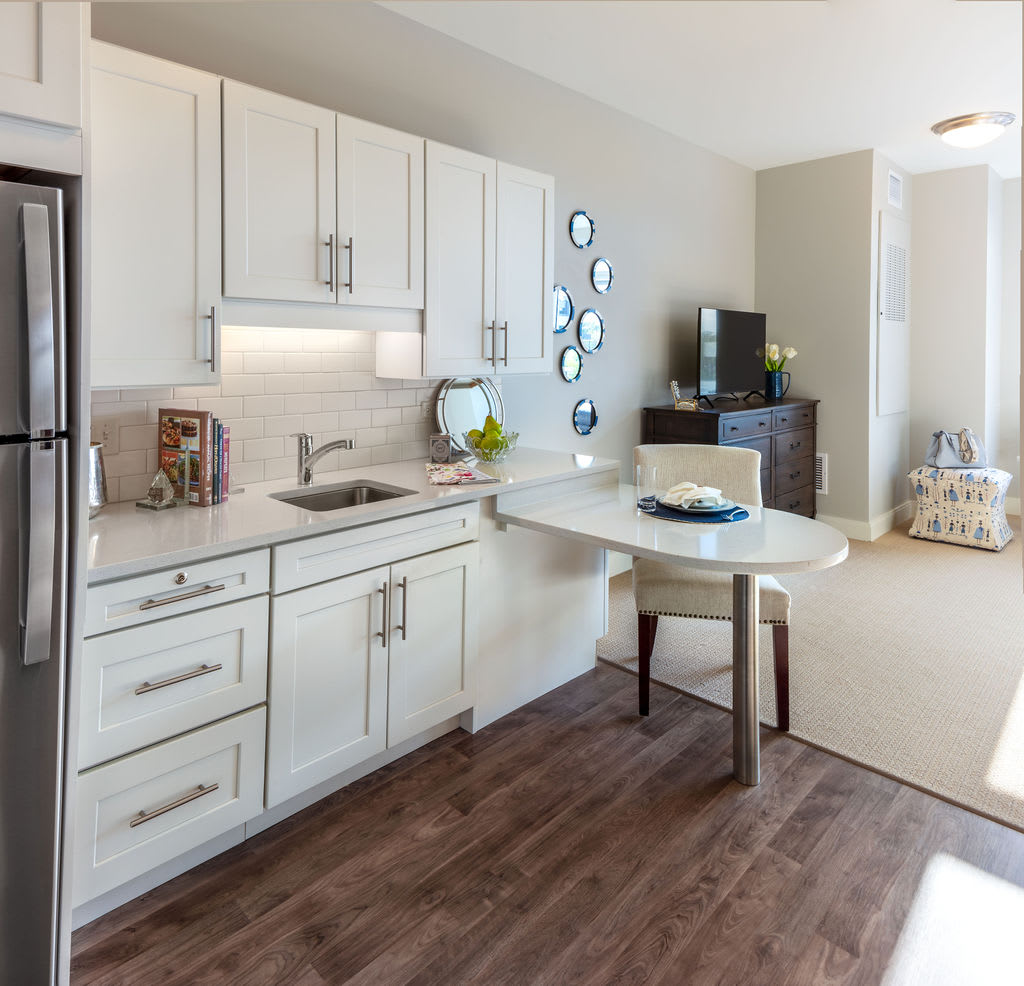
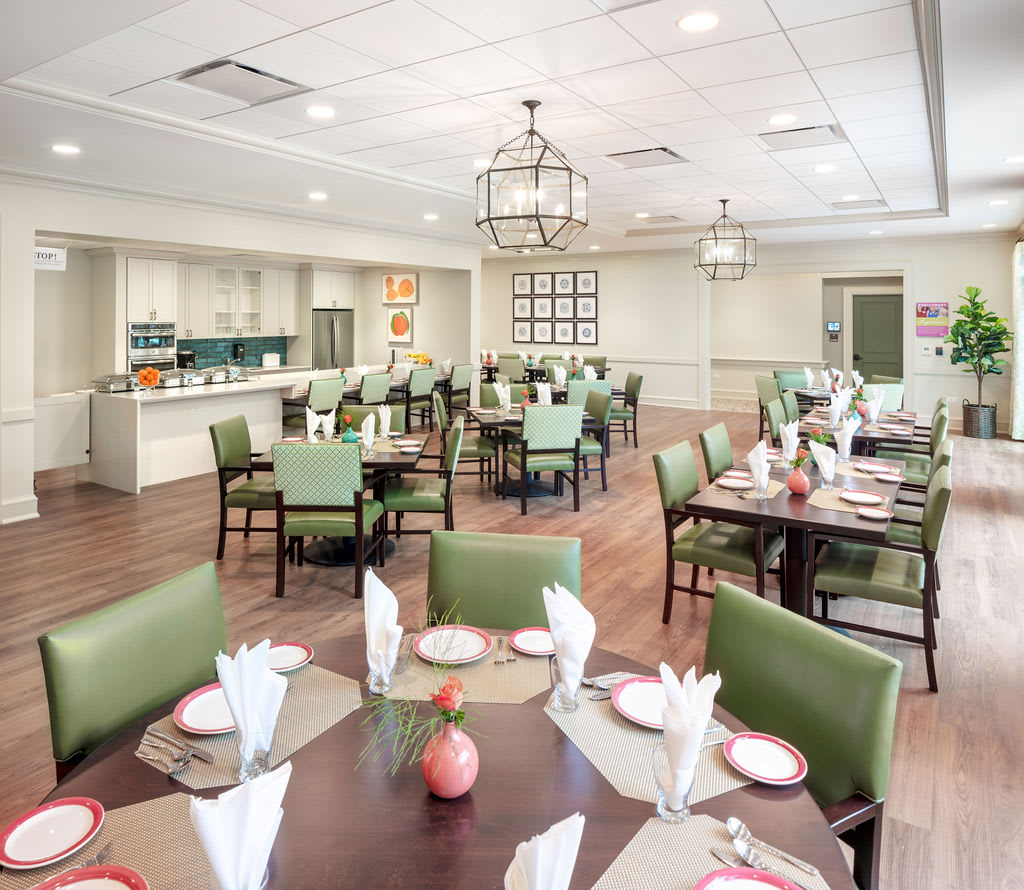
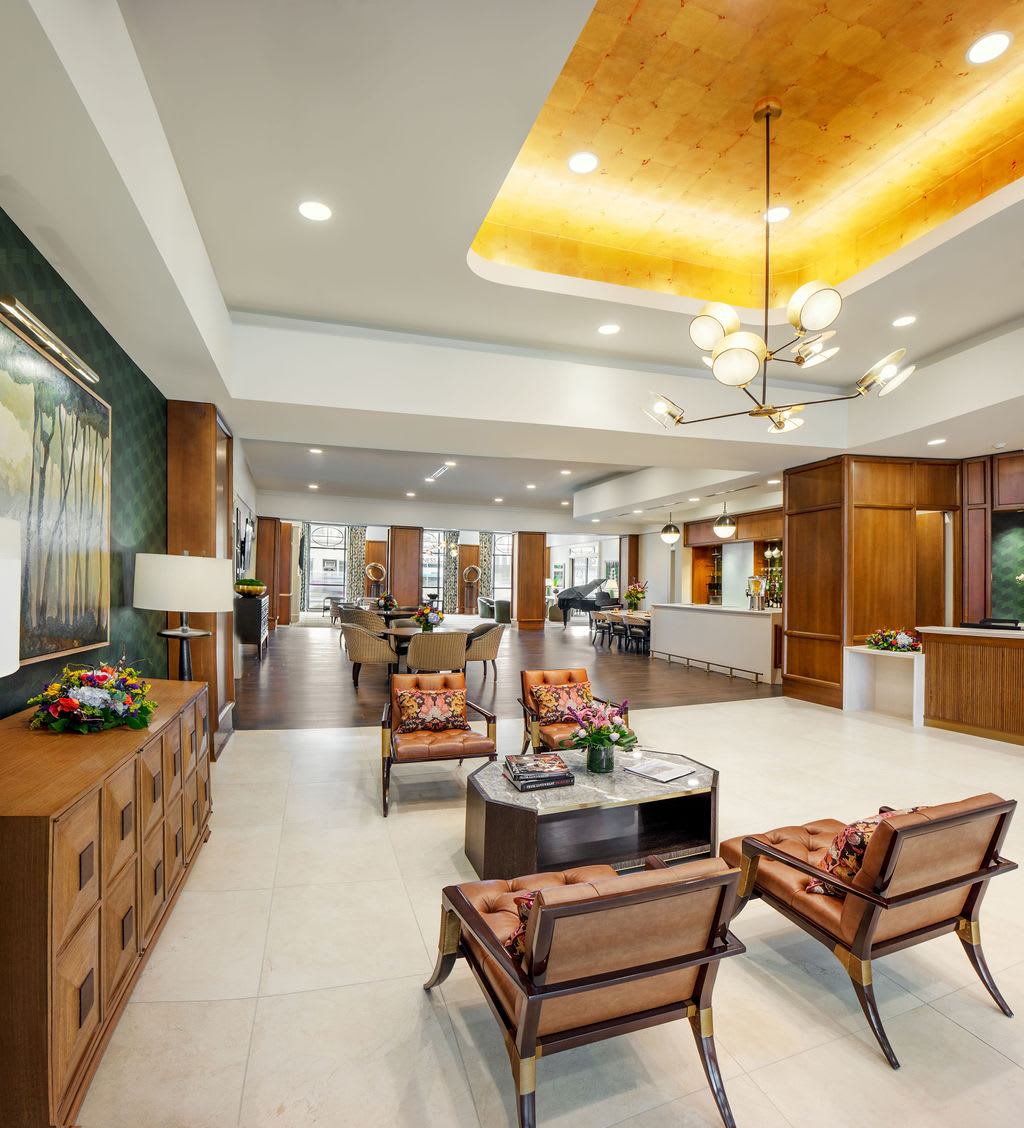
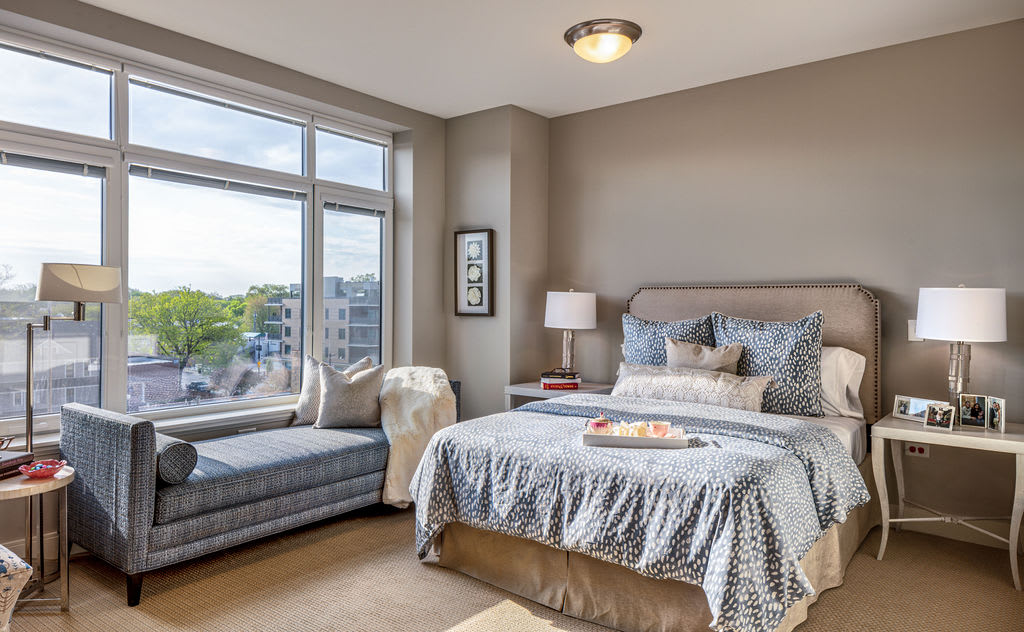
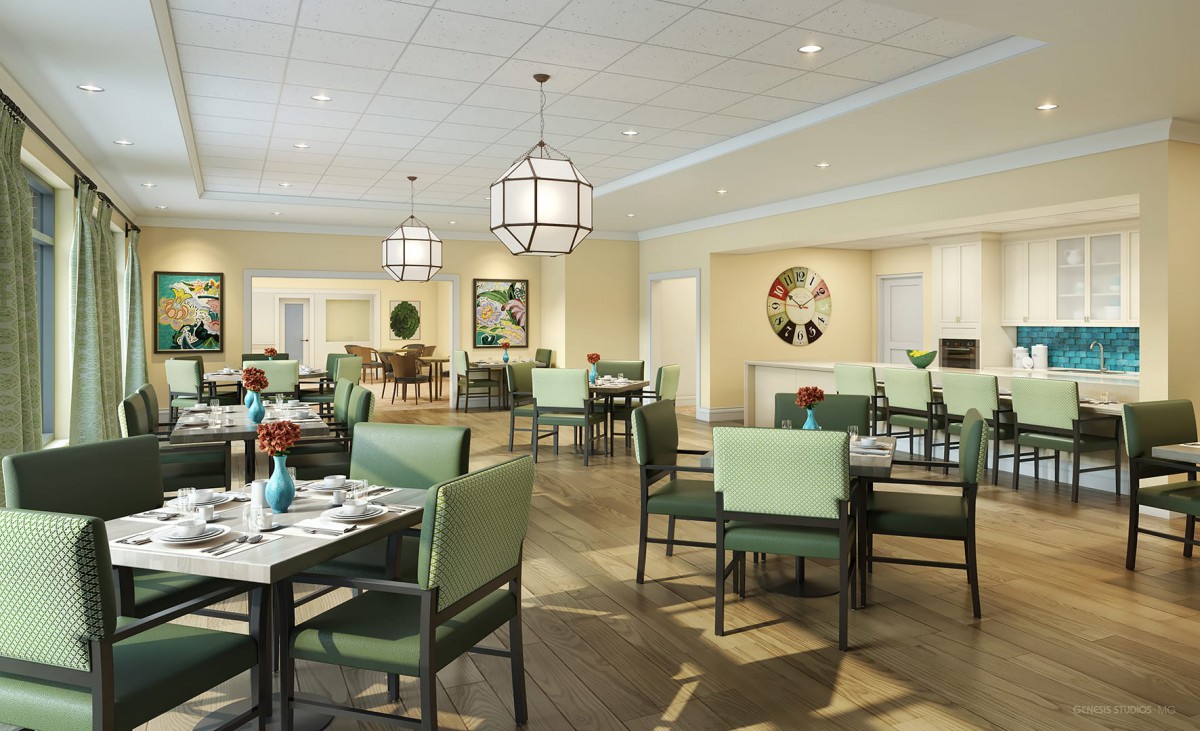
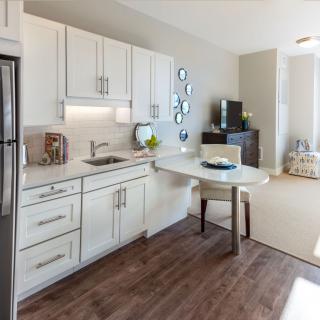
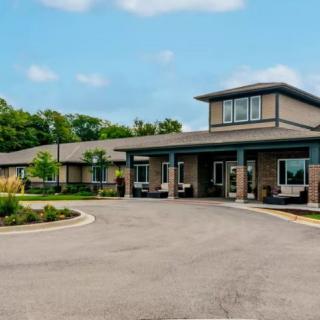
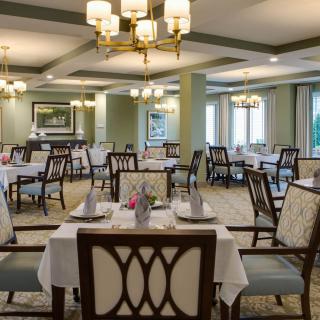
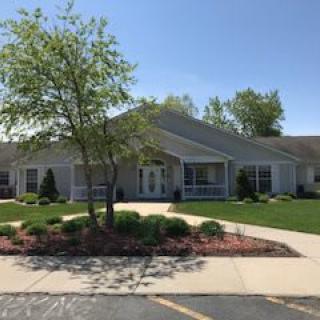
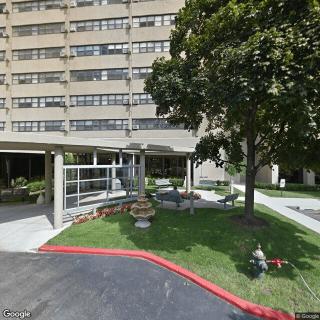
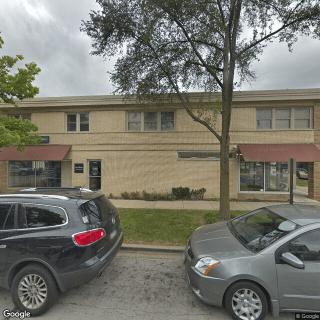
The Sheridan at River Forest on seniors.fyi includes 25 photos including images showing interior, floor plan, dining, bedroom, decor, chandelier, architecture, studio apartment, and more.
Nearby Communities
Oak Park Oasis
Oak Park, IL
3 from 24 reviews
Extensive amenities and comprehensive care (24/7 supervision, ADL assistance, medication management) with restaurant-style dining and social activities.
Paramount of Oak Park
Oak Park, IL
Convenient location with nearby parks, pharmacies, dining, and hospitals.
Brookdale Oak Park
Oak Park, IL
4.7 from 137 reviews
$3,950 to $7,220 / month
Friendly staff, strong sense of community, plus on-site therapy and quality dining.
Loving Family Care
Oak Park, IL
Holistic senior care with convenient amenities and a warm, supportive community.
Wisdon Elder Care
Oak Park, IL
5 from 1 review
Close to parks, pharmacies, hospitals, and dining.
Mills Park Tower
Oak Park, IL
3.3 from 8 reviews
Proximity to parks, pharmacies, restaurants, transit, and hospitals.
Home Instead - Oak Park, IL
Oak Park, IL
4.9 from 75 reviews
Excellent access to parks, pharmacies, restaurants, and hospitals.
Belmont Village Senior Living Oak Park
Oak Park, IL
4.1 from 64 reviews
$3,450 to $6,565 / month
Bright, well-maintained community with friendly staff and on-site care and activities.
The article compares assisted living and skilled nursing facilities, detailing their differing levels of assistance, medical support, cost structures, and day-to-day experiences. It emphasizes that assisted living is for those needing help with daily activities while maintaining independence, whereas skilled nursing facilities provide intensive medical care with 24-hour staff supervision.
Vibrant Senior Living emphasizes active senior living communities that promote independence and engagement through diverse amenities and activities, fostering wellness and social interaction among older adults. These communities range from independent to assisted living, with a focus on personal growth, family involvement, financial planning, and leveraging technology to enhance residents' experiences.
Assisted living provides moderate support for seniors seeking independence, while memory care offers specialized support for individuals with dementia or cognitive impairments through structured routines and trained staff. Key differences include care approaches, environment security measures, staff training levels, activity types, and cost considerations.
Get PricingAsk A QuestionSchedule A TourContact Senior Advisor
By clicking submit, you agree to our Partner's Terms of Use. You
also consent to receive calls and texts, which may be autodialed, from our Partner. Your consent is not a condition to
using our Partner's service. Please visit our Partner's Privacy Policy for information about their privacy practices.



















 125 resident community capacity
 1-bedroom apartments
 Assisted Living
 Memory Care
 Cats allowed
 Dogs allowed
 Activities off-site
 Air-conditioning
 Beautician on-site
 Cable or satellite TV
 Computer center
 Devotional services off-site
 Dining room
 Fitness room
 Full kitchen
 Fully furnished
 Gaming room
 Garden
 Handicap accessible
 Housekeeping services
 Indoor common areas
 Move-in coordination
 Outdoor common areas
 Outdoor patio
 Pet friendly
 Private bathrooms
 Respite or short term stays offered
 Restaurant-style dining
 Small library
 Telephone
 Wellness center
 Wheelchair accessible showers
 Wi-Fi/high-speed internet available
 Chicago O'Hare International (8 miles away)
 Community operated transportation
 12-16 hour nursing
 24-hour call system
 Ambulatory care
 Assistance with bathing
 Assistance with dressing
 Assistance with transfers
 Diabetes diet
 Diabetic care
 High acuity care
 Hospice waiver
 Incontinence care
 Medication management
 Mental wellness program
 Special dietary restrictions
 Transportation arrangement (medical)
 Art classes
 Concierge services
 Cooking classes
 Day trips and outings
 Educational speakers / life long learning
 Happy hour
 Live musical performances
 Wine tasting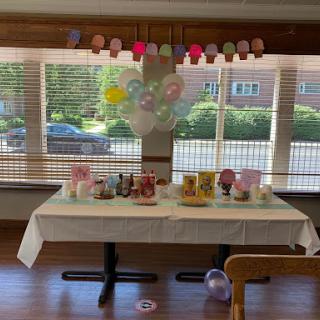
 Extensive amenities and comprehensive care (24/7 supervision, ADL assistance, medication management) with restaurant-style dining and social activities.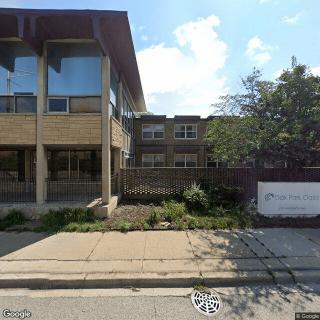


 Exploring the Contrasts Between Assisted Living and Skilled Nursing
 Vibrant Senior Living: A Comprehensive Guide for Active Older Adults
 Assisted Living and Memory Care: Understanding Their Core Differences