
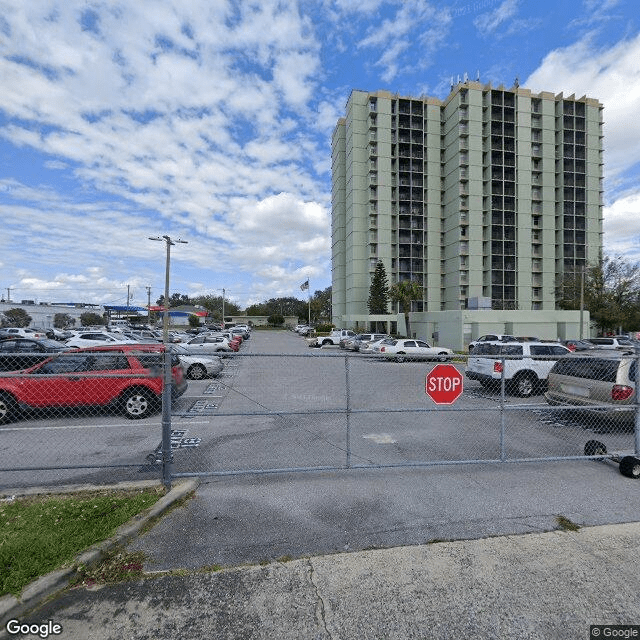
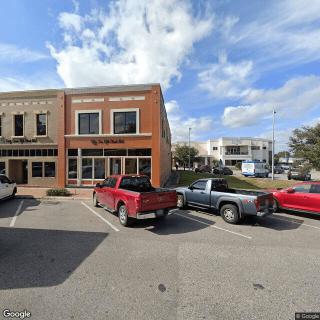
500 Avenue L NW, Winter Haven, FL 33881
To contact a resident: (863) 299-4481
For more information about senior living options: (866) 208-4318
Overall Review of Episcopal-Catholic Apartments
Pros
 The staff is kind, respectful, and supportive of residents and their needs.
- The apartments are affordable for seniors on fixed incomes.
- The facility offers life alert for fall risks.
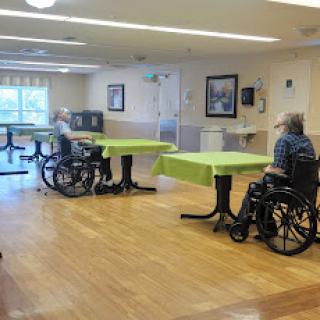
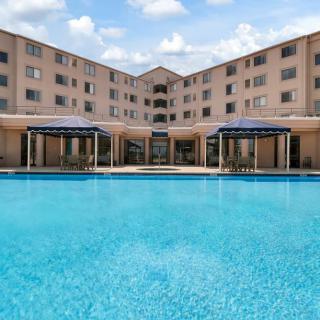
- The place is cozy with a laundry room, spectacular views, a library with computer access, and an activity room.
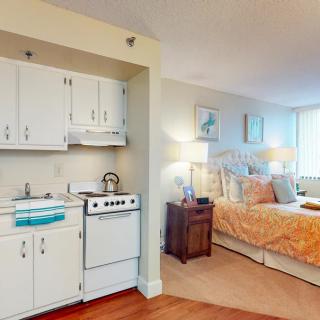
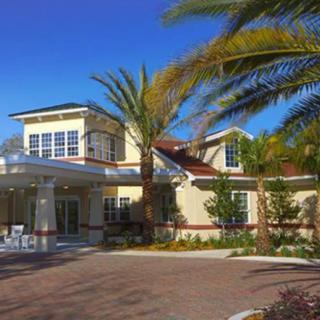
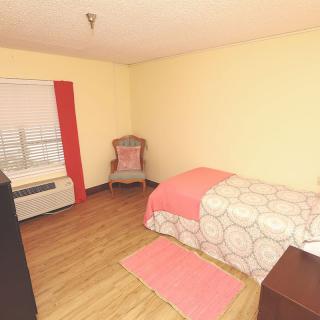
- It has been recently remodeled and looks clean.
- It provides 24-hour security, assigned parking for tenants and visitors, two elevators, and per-floor notification bulletins.
- It is a 62+ community, fostering an age-appropriate environment.
- The balcony offers very nice views.
- The staff, including Jessica and the receptionist, are friendly and helpful, and the location is convenient next to a Catholic church.
- The place inspires gratitude and would be recommended to older friends and family.
Cons
 They cannot get any information about apartment openings.
- They are rude on the phone.
- Their website is antiquated, slow, and contains no information about vacancies.
- They hope to get rid of the palmetto roaches.
- The 50-year-old building is currently being renovated and could take two years to complete.
Review
Episcopal-Catholic Apartments in Winter Haven is best suited for seniors 62 and older who live on social security or a fixed income and want a safe, quiet, independent-living environment with built-in support features. This community targets residents who value a peer group, routine, and proximity to faith-based community life, all within a 62+ atmosphere. The strongest case sits with upright, respectful staff who are genuinely attentive to needs, and with amenities that support safety and dignity, most notably the life-alert option and visible security. For families seeking a calm, familiar setting where a resident is not left to navigate aging alone, this property offers a practical home base with predictable costs and a familiar, community-oriented cadence.
The pros run deep enough to offset many concerns for the right person. A core draw is affordability aligned with fixed incomes, paired with responsive staff and a documented emphasis on safety. The property delivers 24-hour security, assigned parking, and convenient life-alert services that address fall risk, critical for households with mobility concerns. Residents enjoy tangible conveniences: a laundry facility, spectacular balcony views, a library with computer access, and an activity room that supports ongoing engagement. Remodels and two elevators reduce some long-term accessibility friction, while a clear 62+ policy preserves a like-minded community. The waiting list, though lengthy, is a signal that demand exists for this affordable, safety-forward option.
Nevertheless, several concrete drawbacks temper enthusiasm. The most significant is the long, sometimes opaque path to occupancy: a six-month to a year wait is common, and information about openings can be hard to obtain. Phone interactions are described as rough, and the website is viewed as antiquated and unhelpful for vacancy details. The property’s ongoing renovation, appearing to extend up to two years, can create disruption, dust, and temporary inconveniences for residents and their families. A palmetto roach issue in some units adds a nontrivial maintenance concern that may complicate the comfort level for those seeking a completely trouble-free home. These factors collectively shape the decision for anyone needing prompt housing or a move-in with minimal upheaval.
Those trade-offs matter most for certain profiles. Prospective residents who must have immediate access, want a newer, turnkey unit, or require higher levels of daily care will likely want alternatives. The 62+ restriction excludes younger seniors seeking the same amenities in a more age-diverse environment, while ongoing construction raises questions about short-term quality of life. For families prioritizing more robust on-site services, guaranteed move-in timelines, or a modernized footprint with fewer ongoing projects, options such as other senior apartments with clearer vacancy pipelines or licensed assisted living or continuing care communities may be more suitable.
On balance, the package offered by Episcopal-Catholic Apartments aligns well with a practical, budget-conscious path to independent living. The affordability, safety net, and peer-focused community provide meaningful value that can offset the wait times and renovation cycles for the right resident. The life-alert feature, reliable security, and social infrastructure, plus a setting near spiritual life and a community church, offer a comfortable, low-stress home base for many families. The remodels point to future improvements that should enhance living standards over time, reinforcing the sense that this is a long-term, not a one-year, proposition.
Decision guidance should be clear: this is a strong fit for families prioritizing affordability, safety, and a stable, faith-aligned environment where a resident can mature in independence among peers. It is less suitable for those needing immediate occupancy, a younger or more mixed-age resident community, or higher care levels without external support. Prospective residents should plan for a wait and engage in in-person visits to assess the atmosphere and firsthand responsiveness of staff, noting the reputation of front-desk interactions as a potential predictor of experience. If patience with renovations is feasible and the priority is a respectful, cost-conscious home with security and social opportunities, Episcopal-Catholic Apartments stands up to scrutiny and can deliver lasting value.
 Independent Living

 Understanding the Sandwich Generation: Stress and Responsibilities for Multigenerational Caregivers
 8 Essential Assistive Devices for Older Adults
 Navigating the Financial Road to Nursing Home Care: In-Depth Guidance and Resources