For more information about senior living options: (866) 208-4318
3.6 from 120 reviews
5 stars
74
4 stars
3
3 stars
2
2 stars
3
1 stars
38
Overall Review of Spring Lake Rehabilitation Center
differentiator10 reviews mention this
Rehab therapy is a highlight
Physical and occupational therapy is repeatedly described as effective and well-run.
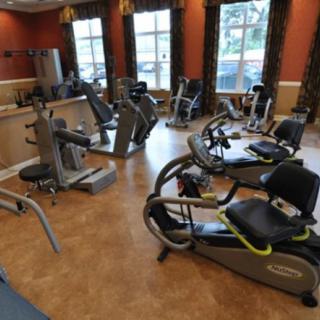
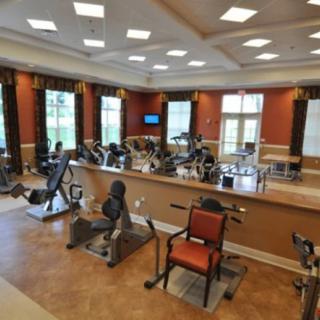
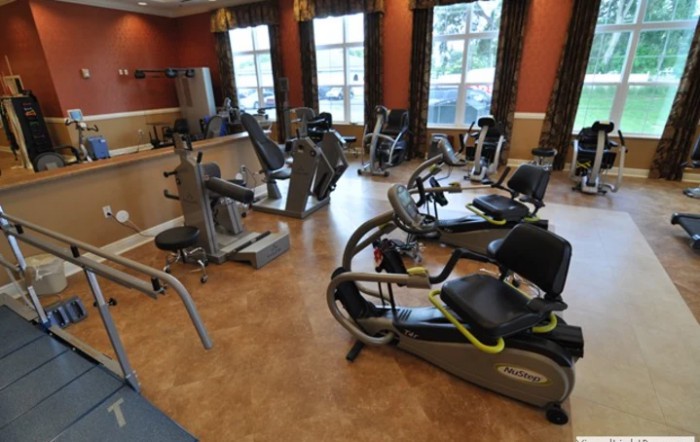
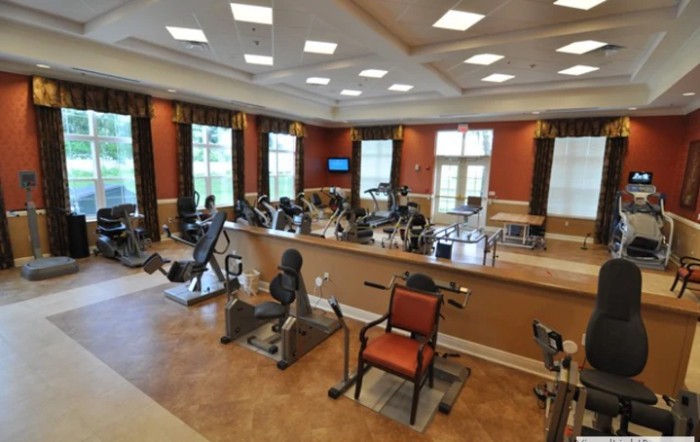
Multiple residents and families describe therapy teams that keep people motivated and focused on recovery goals. Several comments specifically praise physical therapy and occupational therapy, along with modern equipment and an organized treatment approach. Reviews also mention individualized therapy plans and good communication within therapy sessions, tying the rehab experience to better mobility after setbacks.
common22 reviews mention this
Staff kindness and responsiveness
Residents and families often describe the staff as caring and professional.
A consistent theme across many reviews is that staff members treat residents with kindness and show up when help is needed. Residents mention attentive nursing and aides, and families talk about staff members answering questions and addressing concerns. Some reviews also call out specific team members and describe supportive bedside interactions that help residents feel safe during recovery.
common14 reviews mention this
Facility activities and comfort
On-site amenities and activities help break up the day.
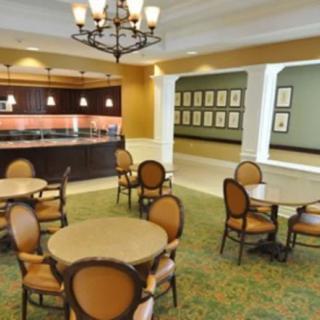
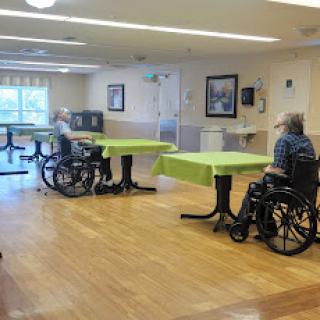
Residents and visitors frequently point to a comfortable environment with amenities and daily activity options. Reviews mention features like gardens and multiple common spaces, along with scheduled activities such as bingo and musical entertainment. The community also offers a range of on-site gathering spots and wellness-oriented spaces, which aligns with the way reviews describe day-to-day life beyond therapy.
caveat4 reviews mention this
Food quality and meal variety
Food reviews vary, with some residents asking for more variety.
A few reviews express dissatisfaction with food, describing it as repetitive or subpar, and requesting changes to better fit certain dietary needs. One family asks for a kidney-friendly menu, and another wants more variety for residents with diet limits. Other reviews say the food is fine or good, so the dining experience does not read as uniformly consistent.
caveat8 reviews mention this
Communication and call-button concerns
Some reviews describe delayed response and limited updates.
Several negative reviews focus on difficulty reaching staff, slow call-button response, and limited communication with families. Some families say they struggled to get nurses to respond promptly to urgent needs, while others report not receiving updates when conditions changed. Even when reviews acknowledge good care from some staff, these commenters repeatedly bring up communication gaps as a significant problem.
How we summarize
Counts show how many written reviews mention each theme; a review can touch several themes, and only frequently mentioned themes are displayed.
Features
Housing
132 resident community capacity
Types of Care
Skilled Nursing Facility
Amenities
Air-conditioning
Beauty salon
Cable or satellite TV
Computer center
Dining room
Fitness room
Fully furnished
Gaming room
Garden
Housekeeping services
Kitchenette
Move-in coordination
Outdoor space
Private bathrooms
Restaurant-style dining
Small library
Telephone
Wellness center
Wi-Fi/high-speed internet available
Transportation
Community operated transportation
Transportation arrangement
Transportation arrangement (non-medical)
Transportation to doctors appointments
Care Services
12-16 hour nursing
24-hour call system
24-hour supervision
Activities of daily living assistance
Assistance with bathing
Assistance with dressing
Assistance with transfers
Diabetes diet
Meal preparation and service
Medication management
Mental wellness program
Special dietary restrictions
Dining
Diabetes diet
Special dietary restrictions
Activities
Community-sponsored activities
Concierge services
Fitness programs
Planned day trips
Resident-run activities
Scheduled daily activities
Nearby Places of Interest
Physicians
Perwaiz H Rahim MD Pa (0.1 miles)
Central Florida Health Care (0.3 miles)
Gessler Clinic (0.7 miles)
Kinder Clinic Pa (0.9 miles)
MyEyeDr (0.9 miles)
Rodrigo A. Bolanos (0.9 miles)
Pediatric Partners Of Winter Haven (0.9 miles)
Places of Worship
First Missionary Baptist Church (0.3 miles)
Beymer Memorial United Methodist Church (0.7 miles)
The Rock of Winter Haven (2.3 miles)
Winter Haven Worship Center (3.9 miles)
Cafes
Baking Donuts Plus (0.5 miles)
Starbucks (4 miles)
Pharmacies
Walgreens (0.6 miles)
Winter Haven Hospital (0.7 miles)
Kay Pharmacy (1.5 miles)
Walgreens (1.6 miles)
CVS Pharmacy (2.6 miles)
Walgreens (2.9 miles)
Winn-Dixie (3 miles)
Hospitals
Nierman Stephen Winter Haven Hospital Winter Haven (0.8 miles)
Winter Haven Hospital Occupational Health (0.8 miles)
Winter Haven Ambulatory Surgical Center (0.9 miles)
Regency Medical Center (2 miles)
Winter Haven Hospital Cath Lab (2.6 miles)
Day Surgery Center (3 miles)
Mpn Medical Center Dundee (6 miles)
Restaurants
McDonald's (0.8 miles)
Barrel 239 (1.3 miles)
Egg Haven (1.3 miles)
Old Man Frank's (1.5 miles)
Cain's Snowballs (1.5 miles)
Andy's Drive-In Restaurant (1.6 miles)
Crispers Fresh Salads, Soups and Sandwiches (1.7 miles)
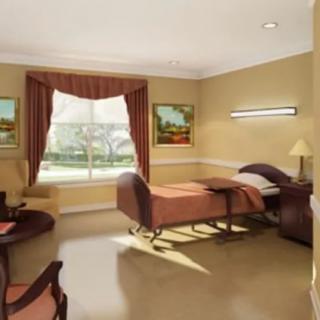
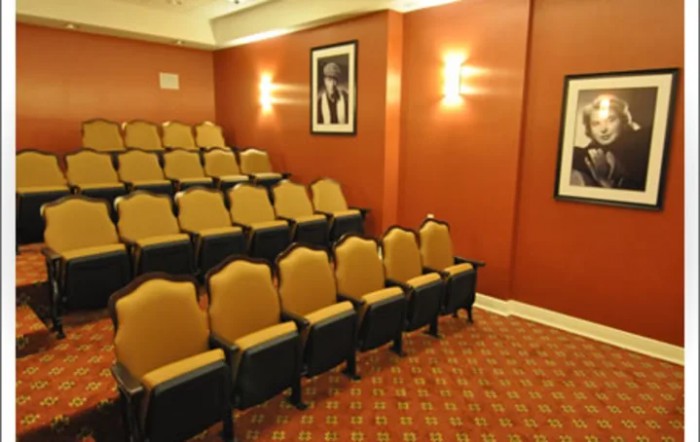
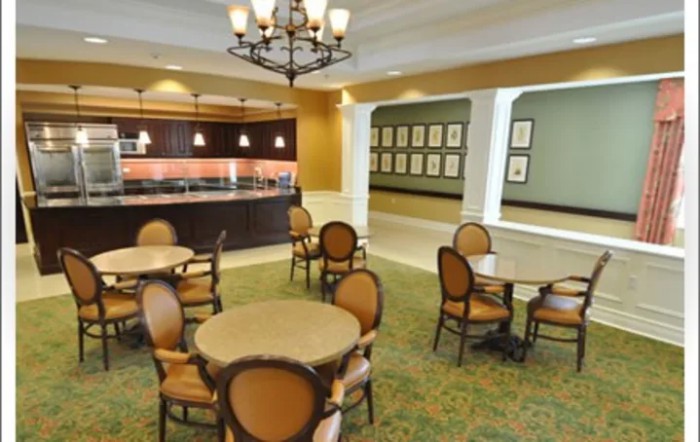
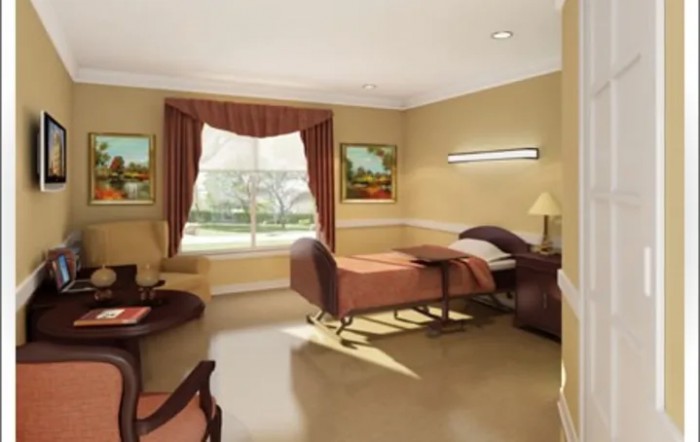
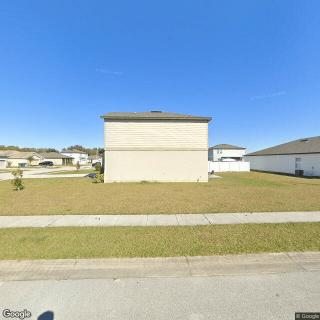
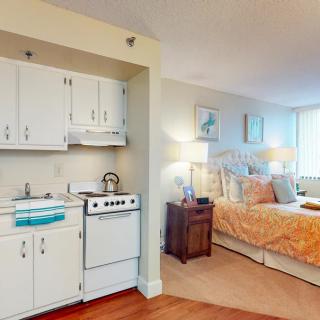
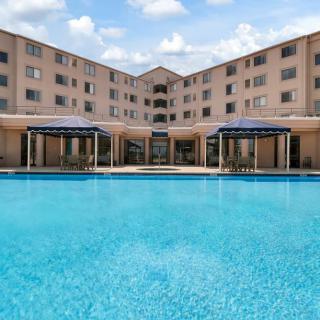
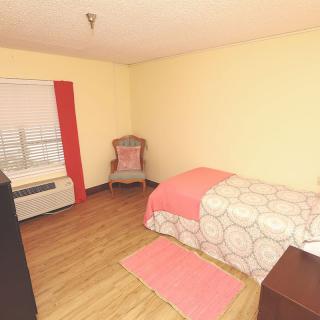
Spring Lake Rehabilitation Center on seniors.fyi includes 5 photos including images showing interior, gym, exercise equipment, fitness center, theater, dining, decor, bedroom, and more.
Nearby Communities
Episcopal-Catholic Apartments
Winter Haven, FL
4.4 from 16 reviews
Close to pharmacies, physicians, hospitals, restaurants, and places of worship in a comfortable setting.
Visiting Nurse Assn
Winter Haven, FL
4.2 from 53 reviews
Excellent access to nearby amenities and healthcare.
Winter Haven Health And Rehabilitation Center
Winter Haven, FL
3.1 from 101 reviews
Broad range of on-site amenities and 24/7 care.
From Pieces to Peace
Winter Haven, FL
5 from 1 review
Excellent access to pharmacies, restaurants, physicians, places of worship, and hospitals.
Lake Howard Heights
Winter Haven, FL
4.8 from 150 reviews
$2,500 to $3,500 / month
Friendly, professional staff in a clean, well-maintained environment with robust activities.
Spring Haven
Winter Haven, FL
4.5 from 101 reviews
Broad amenities and memory care options with on-site wellness, dining, and transportation.
Best Care Senior Living At Winter Haven
Winter Haven, FL
4.6 from 5 reviews
$2,500 to $3,000 / month
Clean facility with compassionate, responsive staff.
Palm Garden Of Winter Haven
Winter Haven, FL
4.7 from 129 reviews
Clean facility with pleasant restaurant-style dining, engaging activities, and attentive staff.
Family Extended Care Of Winter Haven
Winter Haven, FL
4.1 from 52 reviews
$2,360 to $2,895 / month
Caring staff in a small, home-like community with engaged activities.
Caregiver burnout is a common issue resulting from the intense physical, emotional, and mental demands of caregiving, leading to symptoms like fatigue and social withdrawal. To prevent burnout, caregivers should recognize early warning signs and implement self-care strategies, seek support, and prioritize their own well-being alongside that of those they care for.
Caregiver exhaustion, or burnout, stems from the relentless demands of caregiving, leading to emotional and physical depletion characterized by stress, frustration, and neglect of personal needs. Addressing this burden is essential to prevent long-term consequences, with early recognition and support being crucial for caregivers to maintain balance and implement self-care.
Hospice care at home provides specialized end-of-life support that focuses on comfort and dignity for individuals with life-limiting illnesses, offering a range of services including medical management, emotional and spiritual support, and logistical assistance tailored to the family's needs. It involves collaboration to create individualized care plans and extends to bereavement support after a loved one's passing.
Get PricingAsk A QuestionSchedule A TourContact Senior Advisor
By clicking submit, you agree to our Partner's Terms of Use. You
also consent to receive calls and texts, which may be autodialed, from our Partner. Your consent is not a condition to
using our Partner's service. Please visit our Partner's Privacy Policy for information about their privacy practices.

 132 resident community capacity
 Skilled Nursing Facility
 Air-conditioning
 Beauty salon
 Cable or satellite TV
 Computer center
 Dining room
 Fitness room
 Fully furnished
 Gaming room
 Garden
 Housekeeping services
 Kitchenette
 Move-in coordination
 Outdoor space
 Private bathrooms
 Restaurant-style dining
 Small library
 Telephone
 Wellness center
 Wi-Fi/high-speed internet available
 Community operated transportation
 12-16 hour nursing
 24-hour call system
 Activities of daily living assistance
 Assistance with bathing
 Assistance with dressing
 Assistance with transfers
 Diabetes diet
 Medication management
 Mental wellness program
 Special dietary restrictions
 Concierge services
 Planned day trips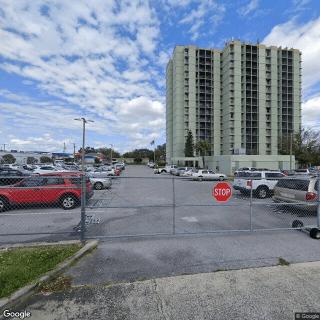
 Close to pharmacies, physicians, hospitals, restaurants, and places of worship in a comfortable setting.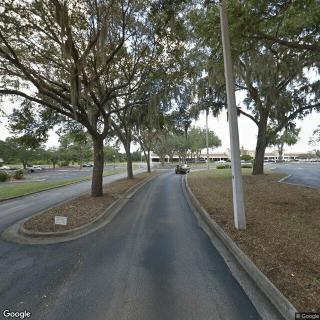
 Caring for Those Who Care: Recognizing, Understanding, and Overcoming Caregiver Burnout
 Caregiver Exhaustion: Recognizing the Signs and Restoring Your Well-Being
 Understanding Hospice Care at Home: Comprehensive Services, Key Benefits, and Eligibility