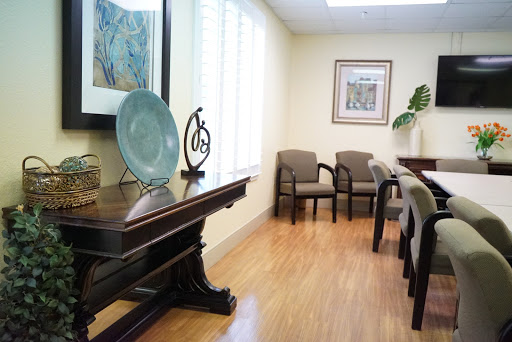
Residents and visitors repeatedly describe the facility as clean and free of unpleasant odors.
Multiple reviewers highlight cleanliness right away, mentioning it does not smell and that rooms and common areas feel kept up. Several also say there are no unpleasant odors and that residents look well cared for. A few reviewers even compare the lack of odor to other nursing homes they’ve been in, describing this place as different.
common12 reviews mention this
Staff kindness and attentiveness
Many reviews describe staff members as kind, courteous, and attentive to residents.
Reviews repeatedly mention friendly, kind, and attentive staff, including nurses and aides who are responsive when families ask for help. Several reviewers also say staff greet visitors warmly and communicate about residents and their progress. A small number of reviews share concerns about responsiveness, but the overall tone across most visits is that people feel supported and cared for.
differentiator3 reviews mention this
Restaurant-style dining is a plus
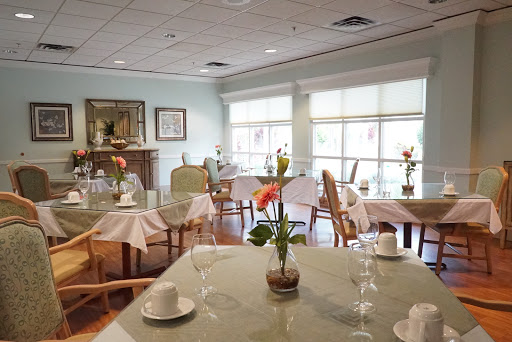
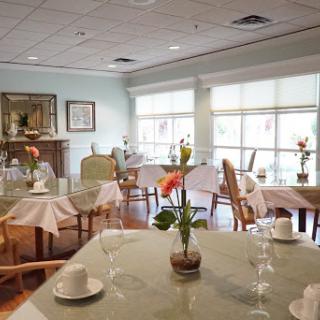
Dining is described as restaurant-style, with multiple reviewers saying the food is good.
A few reviewers specifically call out the dining experience, including the dining room feeling like a restaurant and describing meals as delicious. One reviewer says they eat with a loved one in the dining area and that everything they’ve eaten has been good. Dining aligns with the community’s restaurant-style dining offering in the listing features.
caveat4 reviews mention this
Call response can be slow
Some reviewers report delays reaching help after pushing a call bell or trying to get through by phone.
Several reviews raise concerns about getting timely assistance, including a report of a call bell not being answered for a long stretch and another describing a long delay after a button was pressed. One reviewer also mentions difficulty getting through on the phone system, adding stress during an urgent moment. While many other reviews praise attentiveness, these comments are a recurring caution about responsiveness.
caveat4 reviews mention this
Rehab support is mixed
Rehab experiences vary, with some praising therapy progress and others describing limited or interrupted therapy time.
Some reviewers describe strong rehabilitation help, including physical therapy teams that are attentive and lead to noticeable progress. Others report problems matching the rehab schedule, like waiting for exercise equipment time or feeling that therapy sessions were minimal or inconsistent. There are also concerns raised about medication communication and care transitions, which adds to the mixed picture for rehab and post-hospital support.
How we summarize
Counts show how many written reviews mention each theme; a review can touch several themes, and only frequently mentioned themes are displayed.
Features
Housing
120 resident community capacity
Types of Care
Skilled Nursing Facility
Amenities
Air-conditioning
Beauty salon
Cable or satellite TV
Computer center
Dining room
Fitness room
Fully furnished
Gaming room
Garden
Housekeeping services
Kitchenette
Move-in coordination
Outdoor space
Private bathrooms
Restaurant-style dining
Small library
Telephone
Wellness center
Wi-Fi/high-speed internet available
Transportation
Community operated transportation
Transportation arrangement
Transportation arrangement (non-medical)
Transportation to doctors appointments
Care Services
12-16 hour nursing
24-hour call system
24-hour supervision
Activities of daily living assistance
Assistance with bathing
Assistance with dressing
Assistance with transfers
Diabetes diet
Meal preparation and service
Medication management
Mental wellness program
Special dietary restrictions
Dining
Diabetes diet
Special dietary restrictions
Activities
Community-sponsored activities
Concierge services
Fitness programs
Planned day trips
Resident-run activities
Scheduled daily activities
Videos
Nearby Places of Interest
Pharmacies
CVS Pharmacy (0.2 miles)
Walgreens (1.2 miles)
Kay Pharmacy (1.3 miles)
Walgreens (1.4 miles)
Winter Haven Hospital (1.9 miles)
Walgreens (3.1 miles)
CVS Pharmacy (3.5 miles)
Hospitals
Winter Haven Hospital Cath Lab (0.3 miles)
Regency Medical Center (1 miles)
Winter Haven Hospital Occupational Health (1.8 miles)
Nierman Stephen Winter Haven Hospital Winter Haven (1.8 miles)
Day Surgery Center (1.8 miles)
Winter Haven Ambulatory Surgical Center (1.8 miles)
Mpn Medical Center Dundee (4.6 miles)
Restaurants
McDonald's (0.3 miles)
Culver's (0.3 miles)
Chili's Grill & Bar (0.4 miles)
Gaskins Barbecue & Lobster (0.6 miles)
Olive Garden (0.7 miles)
KFC (0.8 miles)
Red Lobster (0.9 miles)
Physicians
Doctor Today Tlc (0.7 miles)
Eye Specialists of Mid Florida, P.A. (0.8 miles)
Lakeside Dermatology (0.8 miles)
Good Health Physicians (1.1 miles)
Jay Care Medical Center (1.1 miles)
Winter Haven Audiology (1.3 miles)
Winter Haven Audiology (1.3 miles)
Cafes
Starbucks (1.5 miles)
Baking Donuts Plus (2.3 miles)
Places of Worship
Beymer Memorial United Methodist Church (2.2 miles)
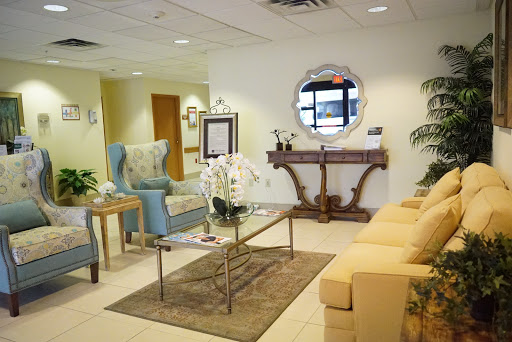
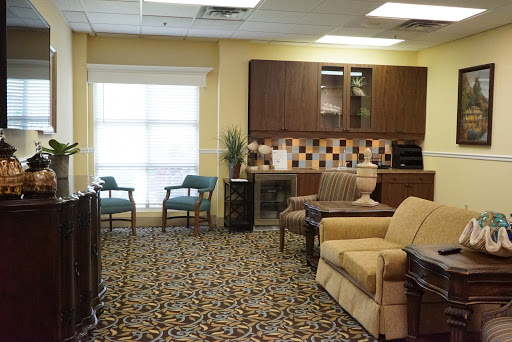
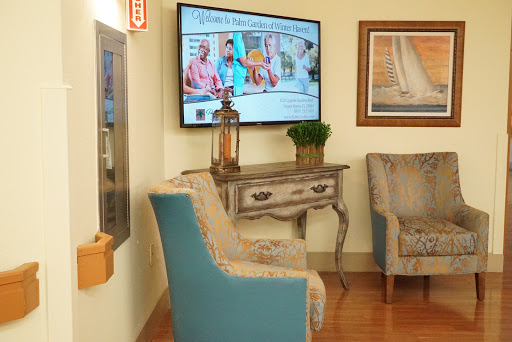
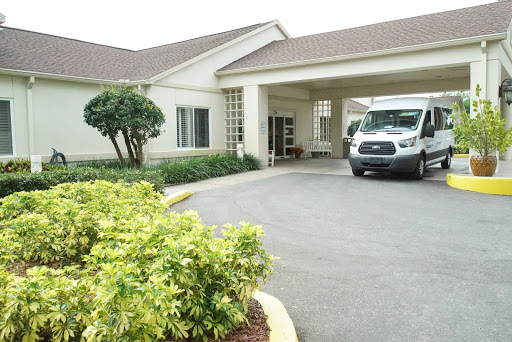
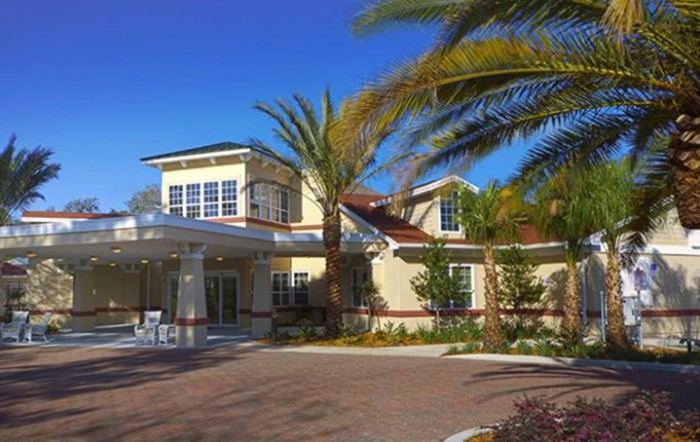
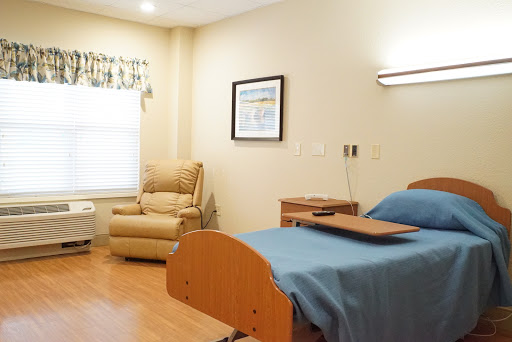
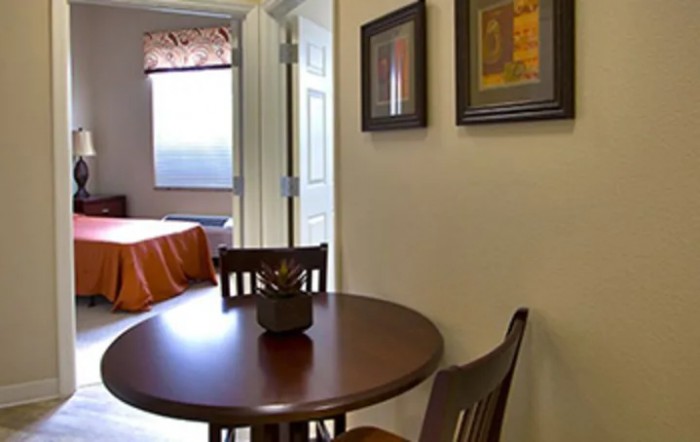
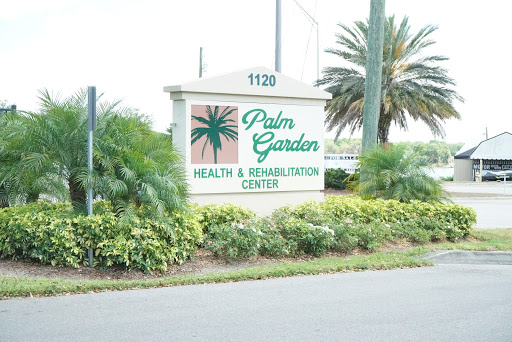
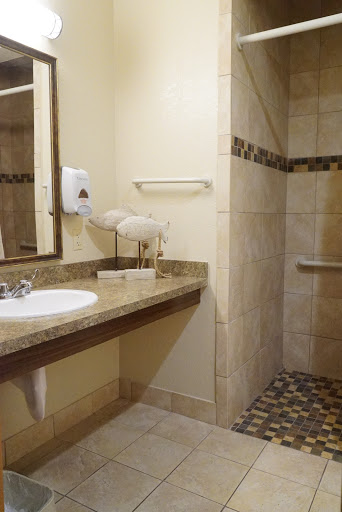
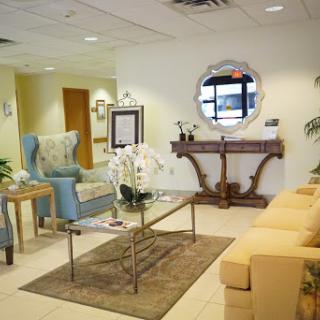
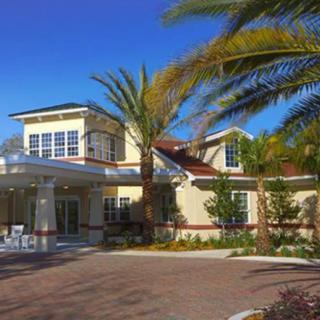
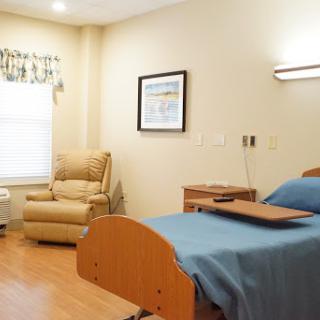
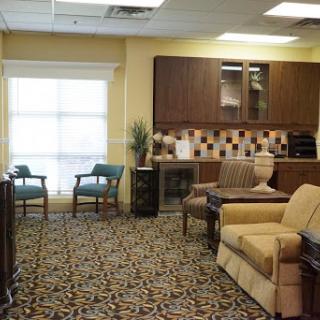
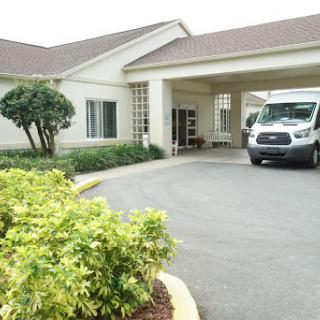
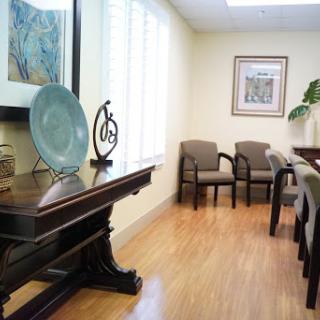
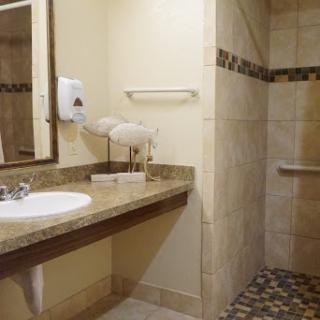
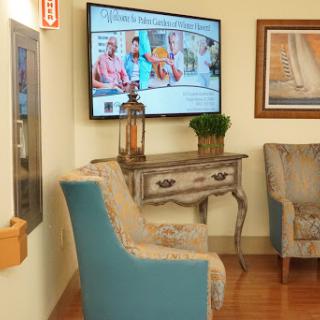
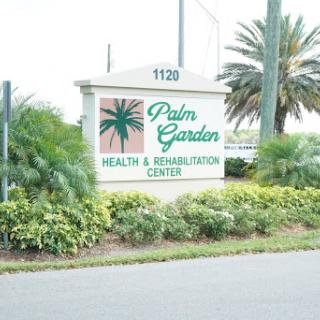
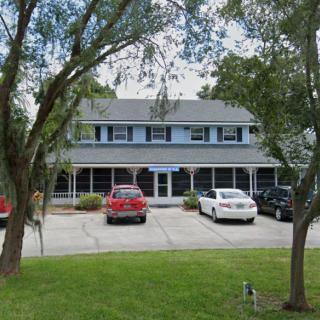
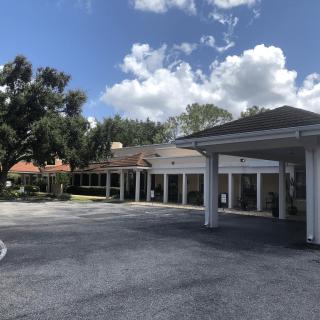
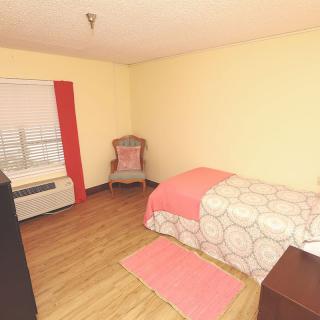
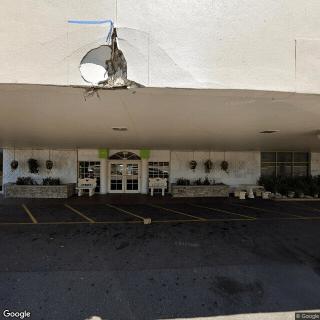
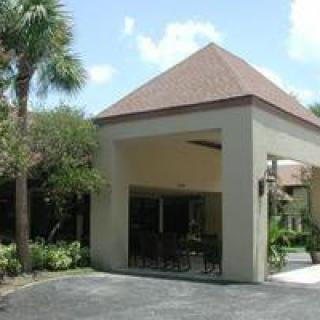
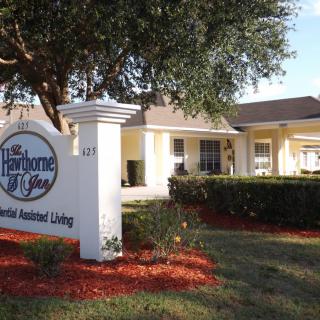
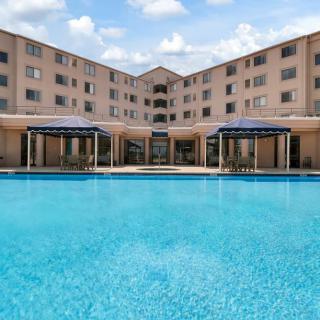
Palm Garden Of Winter Haven on seniors.fyi includes 11 photos including images showing interior, decor, windows, dining, palm trees, landscaping, building, bedroom, and more.
Nearby Communities
Life Care Center Of Winter Haven
Winter Haven, FL
4.4 from 114 reviews
Strong rehabilitation program and attentive therapy staff.
Wedgewood of Winter Haven, Inc
Winter Haven, FL
4.7 from 15 reviews
$3,390 / month
Affordable monthly rate of $3,390, lower than Polk County and Florida averages.
Wedgewood Of Winter Haven
Winter Haven, FL
4.6 from 13 reviews
24-hour supervision with medication management and engaging activities.
Brandywyne Health Care Center
Winter Haven, FL
3.4 from 145 reviews
Caring staff with engaging activities and spacious rooms.
Best Care Senior Living At Winter Haven
Winter Haven, FL
4.6 from 5 reviews
$2,500 to $3,000 / month
Clean facility with compassionate, responsive staff.
Hawthorne Inn
Winter Haven, FL
3.8 from 21 reviews
Personalized assisted living with on-site activities and strong local amenities.
The Meadows At Cypress Gardens
Winter Haven, FL
4.4 from 30 reviews
Friendly staff with personalized care, clean facilities, private apartment-style living, and engaging activities.
Family Extended Care Of Winter Haven
Winter Haven, FL
4.1 from 52 reviews
$2,360 to $2,895 / month
Caring staff in a small, home-like community with engaged activities.
Spring Haven
Winter Haven, FL
4.5 from 101 reviews
Broad amenities and memory care options with on-site wellness, dining, and transportation.
Home health nursing is an expanding field where licensed professionals provide specialized medical care in patients' homes, addressing the needs of an aging population through personalized services like assessments and medication management. Effective collaboration with healthcare teams, cultural sensitivity, and quality assurance measures are essential for fostering trust and ensuring positive patient outcomes.
Medicare covers in-home health care services, which are medical and provided by licensed professionals under a physician's supervision, whereas non-medical personal assistance is generally not covered unless part of a broader skilled care plan. Eligibility for benefits depends on being homebound and needing intermittent skilled services from a Medicare-certified agency, with specific coverage limitations and additional resources available for navigating options.
In-home care is increasingly sought after by older adults for maintaining independence, with average private home care rates in 2025 varying by state and service type, reflecting geographical and local labor market influences. As demand rises, families are considering funding options like Medicaid waivers and long-term care insurance to manage costs effectively while ensuring quality care.
Get PricingAsk A QuestionSchedule A TourContact Senior Advisor
By clicking submit, you agree to our Partner's Terms of Use. You
also consent to receive calls and texts, which may be autodialed, from our Partner. Your consent is not a condition to
using our Partner's service. Please visit our Partner's Privacy Policy for information about their privacy practices.

 120 resident community capacity
 Skilled Nursing Facility
 Air-conditioning
 Beauty salon
 Cable or satellite TV
 Computer center
 Dining room
 Fitness room
 Fully furnished
 Gaming room
 Garden
 Housekeeping services
 Kitchenette
 Move-in coordination
 Outdoor space
 Private bathrooms
 Restaurant-style dining
 Small library
 Telephone
 Wellness center
 Wi-Fi/high-speed internet available
 Community operated transportation
 12-16 hour nursing
 24-hour call system
 Activities of daily living assistance
 Assistance with bathing
 Assistance with dressing
 Assistance with transfers
 Diabetes diet
 Medication management
 Mental wellness program
 Special dietary restrictions
 Concierge services
 Planned day trips
 Strong rehabilitation program and attentive therapy staff.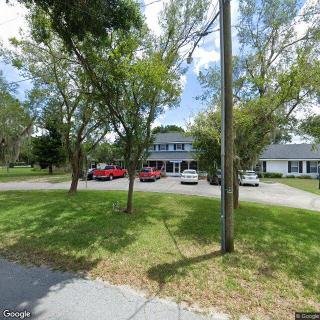
 Exploring the World of Home Health Nurses: Qualifications, Roles, and Hiring Tips
 Navigating Medicare Coverage for In-Home Care Services
 In-Home Care Costs in 2025: A Detailed State-by-State Exploration