
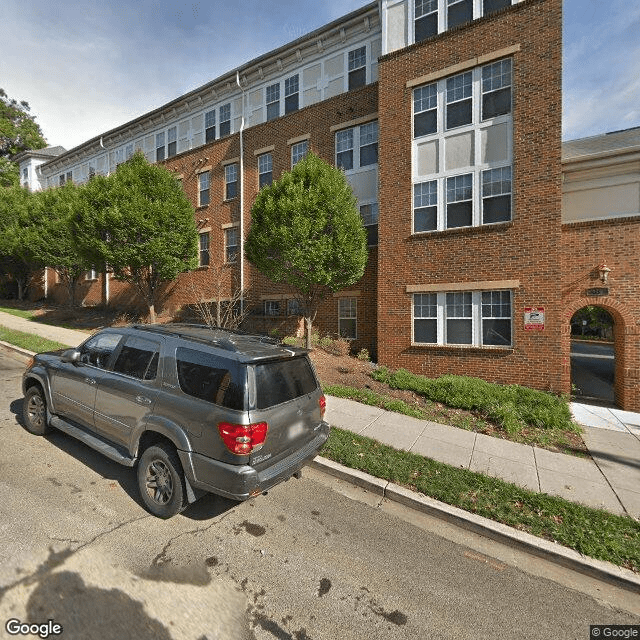
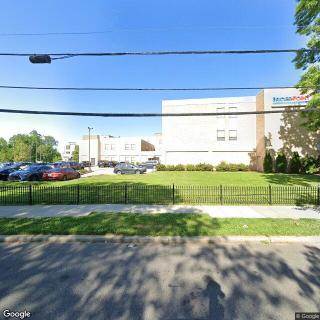
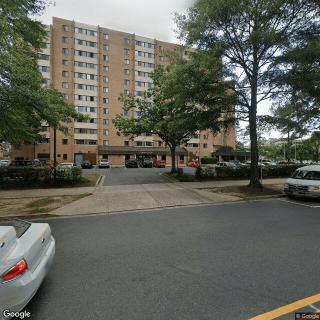
114 Wayne Place SE, Washington, DC 20032
To contact a resident: (202) 561-4060
For more information about senior living options: (866) 208-4318
St. Paul Senior Living at Wayne Place Costs & Pricing
St. Paul Senior Living at Wayne Place offers competitive pricing compared to the broader market in the District of Columbia. For a one-bedroom unit, residents enjoy a cost of $906 per month, significantly lower than the average of $4,879 in the district. Similarly, two-bedroom accommodations are available at $1,079 per month, which again presents a stark contrast to the local average of $4,744. This affordability positions St. Paul Senior Living as an attractive option for seniors seeking quality living arrangements without the high expenses typically associated with urban settings.
| Floor plans | St. Paul Senior Living at Wayne Place | District of Columbia | Dc |
|---|---|---|---|
| 1 Bedroom | $906 | $4,879 | $4,879 |
| 2 Bedrooms | $1,079 | $4,744 | $4,744 |
Independent Living communities with a similar price nearby
-
from +$50 / mo
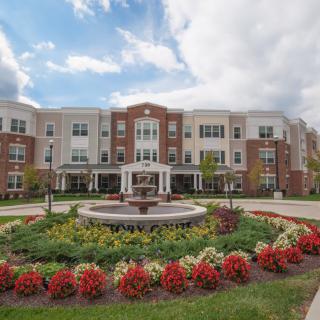
Victory Court Senior Apartments
$956 to $1,738 / month18.6 miles away -
from -$161 / mo
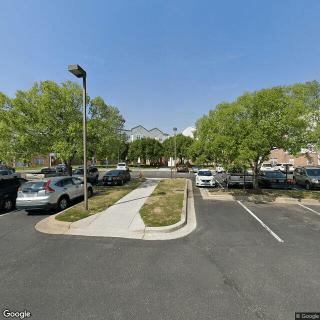
Laurel Lakes Senior Apartments
$745 to $1,020 / month18.5 miles away -
from +$45 / mo
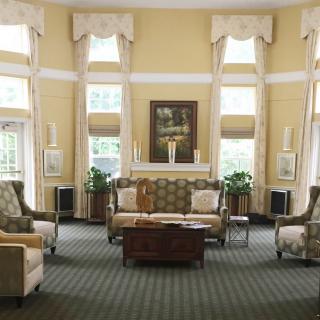
Windsor Crossing Senior Community
$951 to $1,390 / month4.7 miles away
Overall Review of St. Paul Senior Living at Wayne Place
Pros
 It is a great place to live and to call home, with lots of fun and great tenants.
- The experience is described as enjoyable and full of life.
- It is considered blessed, with gratitude for God's faithfulness and for family and friends.
Cons
 There was poor care.
- There were no openings.
- They did not want to give an application.
- They were not warm and friendly.
Review
St. Paul Senior Living at Wayne Place is best suited for seniors who want a social, home-like atmosphere where life happens among peers and the sense of community feels authentic. It works well for relatively independent residents who value daily activities, companionship, and a warm, neighborly vibe more than hospital-like structure. Families weighing this option should recognize that the upside is a welcoming, engaged environment, while the decision hinges on the resident’s care needs and how much emphasis is placed on an open, frictionless admissions process.
On the positive side, several residents paint a picture of a place that feels alive: “a great place to live and to call home,” with “lots of fun” and “great tenants.” Those elements matter for emotional well-being and can reduce isolation, especially for seniors who crave ongoing social engagement. The strength here is the peer network and the sense that residents look out for one another, which can translate into practical daily support and enjoyment of a less clinical routine.
However, significant drawbacks temper the appeal. A recurring concern is the quality of care, with at least one reviewer labeling it as “poor care.” That warning cannot be dismissed, because caregiving quality directly affects safety, health, and daily independence. Compounding that, the admissions experience can feel prohibitive or unfriendly: “No openings, did not want to give an application, and was not warm and friendly.” When intake is cold or opaque, families lose confidence quickly and choose to pursue alternatives where the process feels collaborative and transparent.
The main question becomes whether the community’s social advantages can offset the care and admissions gaps. For residents who can rely on family or external caregivers to supplement day-to-day needs, the lively environment may compensate to a degree. For those who require consistent, attentive care, med management, mobility assistance, daily personal care, the reported inconsistency in care and the friction in obtaining a place to live raise serious doubts about reliability and continuity.
Those weighing alternatives should anchor decisions in care needs, speed of admission, and staff reliability. If prioritizing dependable care delivery, transparent communication, and a welcoming onboarding process, exploring other DC-area options is prudent. Look for communities with documented staffing ratios, clear care plans, predictable response times, and admissions practices that welcome prospective residents rather than gatekeep them. The goal is to pair the right level of assistance with a genuine sense of community, not to trade one discomfort for another.
In practical terms, prospective residents and their families should visit during regular activity, ask to meet caregiving staff, and request a candid tour of care routines and emergency protocols. Inquire about waitlists, a defined pathway to admission, and how care needs are assessed and upgraded over time. The bottom line is clear: St. Paul Senior Living at Wayne Place delivers a social, homey atmosphere that can be attractive to those who prize companionship and independence. Yet for seniors requiring steady, quality caregiving and a smooth admissions experience, alternatives that promise consistency and warmth in both care and intake are worth pursuing.
 Active Adult Communities (55+)
 Independent Living
 Activities off-site
 Bath tubs
 Devotional services off-site
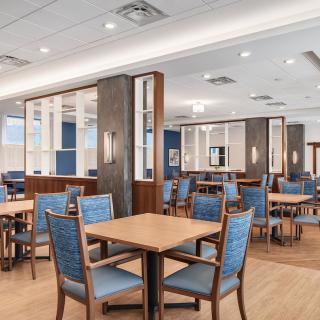
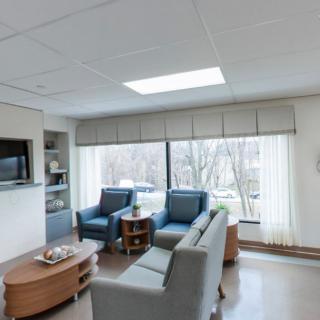
 Indoor common areas
 Outdoor common areas
 Wheelchair accessible showers
 Ronald Reagan Washington National (2 miles away)


 Exploring Palliative Care in the Home: A Comprehensive Overview
 Comprehensive Insights into Palliative Home Care: What It Is and What to Expect
 Skilled Nursing Facilities vs. Nursing Homes: Making Sense of the Differences