
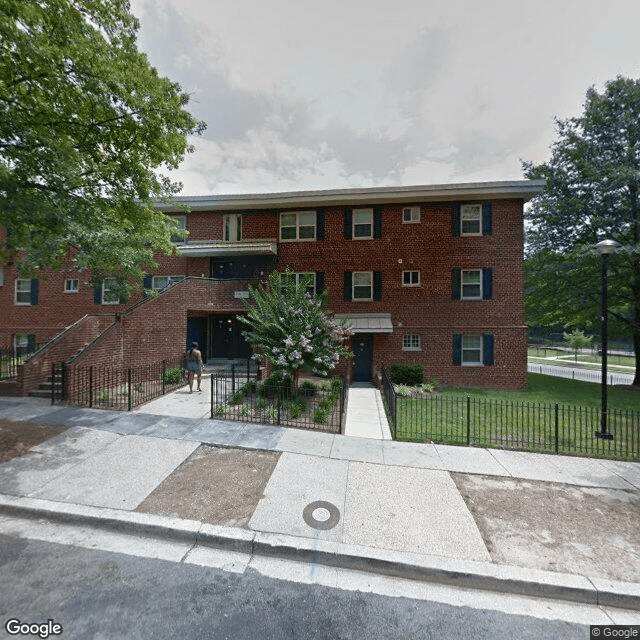
3526 Stanton Road SE, Washington, DC 20020
To contact a resident: (202) 889-0804
For more information about senior living options: (866) 208-4318
Overall Review of Huntington Village
Pros
 They pay their rent and live in what is described as a decent place to live like the rest of us.
Cons
 The reviewer complains that the phone doesn’t work in the office.
- The reviewer states their door hasn’t been fixed.
- They report roaches, water bugs, and mice coming through the crack of the front door.
- They note water is running slowly in the kitchen.
- They claim they’ve been lied to about sending someone.
- They say they are getting a lawyer and an inspector is coming this week.
- They were promised another property to move in July, but it’s October and they’re still there, lacking accessibility.
- They say there is no handicap accessibility.
- They can’t take baths or showers because it’s too small for their wheelchair.
- They feel it’s too much and are suing.
Review
Huntington Village in Washington, DC is best suited for residents who can tolerate ongoing maintenance gaps and are mindful of budget. The community likely appeals to families and seniors who have support systems in place to oversee repairs, coordinate fixes, and push for access when needed. It is not positioned as a turnkey option with flawless infrastructure, but for those who can navigate delays and irregular service while staying close to the city, it can function as a pragmatic, low-cost place to begin or transition. Prospective residents should enter with clear expectations that some basics, like timely repairs and consistently reliable climate and accessibility features, may not be immediate priorities.
For families and individuals who require dependable maintenance, prompt repairs, and a pest-free living environment, alternatives should be top-of-mind. The reviews reveal repeated problems: a hotbed of maintenance delays (doors not fixed, faulty thermostats, water running slowly), pests creeping through entry points, and communication lapses from management (office phone issues, grand promises that never translate into action). Accessibility also appears to be inconsistent, with mentions of units that are not truly ready for wheelchair users and bathrooms that are too small for safe bathing. Those who depend on rapid service, robust pest control, and consistently accessible facilities will likely want to look elsewhere.
The limited advantages appear to be offsetting at best by the significant downsides. On the upside, some residents report units that were addressed and conditions that at least later improved, suggesting that when management is responsive, parts of the property can be brought up to livable standards. However, the main cons, unreliable maintenance response, ongoing pest intrusions (roaches, water bugs, mice), persistent HVAC and water issues, and misalignment between promises and delivery, consistently undermine daily life and security. A pattern emerges: when problems surface, timely resolution is not guaranteed, which erodes trust and stability for residents who rely on predictable outcomes.
Safety and quality concerns drive the most caution. The combination of a front-door crack allowing pests inside, a thermostat sky-high at 94 degrees in some units, and a lack of accessible bathing options for wheelchair users presents a real risk for ongoing discomfort and health needs. The sense that staff may not be reachable or forthcoming with repairs compounds the risk, especially for households managing chronic conditions or mobility limitations. The mention of legal action underscores how raw the dissatisfaction can be and signals that turning around ongoing problems may require outside intervention rather than internal fixes alone. The “second chance” phrasing in some notes adds ambiguity about admissions policies and resident suitability, which further heightens the need for due diligence.
To make a well-informed decision, focus on concrete, current conditions and verifiable commitments. Ask for a comprehensive maintenance log with timestamps, a clear service-response timeline, and current status on all unit fixes, especially plumbing, climate control, and ADA-related features. Inspect multiple units for squeaks, subtle door gaps, and evidence of pests; request a live demonstration of the HVAC system and test accessibility features in the bathroom to ensure wheelchairs can maneuver safely and safely access the tub or shower. Confirm the office line is operational, establish a direct point of contact, and inquire about the process for escalating urgent issues. Finally, request recent resident references and ask explicit questions about move-in promises, unit readiness, and whether a cooling or heating outage has occurred in the past quarter.
Overall, Huntington Village carries a higher risk profile for families seeking reliability and peace of mind in daily living. It may accommodate those on tighter budgets who can supervise and advocate for themselves or their loved ones, but for anyone prioritizing dependable maintenance, predictable climate control, safe accessibility, and pest-free conditions, exploring other communities is strongly advised. If choosing Huntington Village, approach with a disciplined vetting process, insist on measurable timelines, and insist on signed assurances that core needs, accessibility, sanitation, and timely repairs, will be met consistently. Until those assurances are demonstrated in sustained practice, families should seriously weigh alternatives that deliver steadier, safer, and more responsive care.
 Active Adult Communities (55+)
 Ronald Reagan Washington National (3 miles away)



 A Detailed Exploration of Living Wills and Advance Directives
 Comprehensive Guide to Medicare Coverage for Hospice Care
 Caring for Those Who Care: Recognizing, Understanding, and Overcoming Caregiver Burnout