United Medical Nursing Home in Washington, DC

1310 Southern Avenue, Se, Suite 200, Washington, DC 20032

For more information about senior living options: (844) 490-3973

1.8 from 102 reviews
5 stars
15
4 stars
4
3 stars
3
2 stars
3
1 stars
77

Skilled Nursing Facility

Overall Review of United Medical Nursing Home

Pros

  • pro The doctors, nursing, and tech staff were highly professional and friendly, and explained things in terms understandable to the general public.
  • pro The ICU nurses were diligent and lifesaving, bringing a patient back to life.
  • pro Radiology was very professional.
  • pro Brenda from billing fixed the insurance error on the claim.
  • pro Kimberly Kemp at the front desk was professional, helpful, and empathetic.
  • pro The surgical staff is excellent and treats patients with care and kindness.
  • pro The nursing home within the facility is well organized, and the care is good, with friendly staff who coordinate care well.

Cons

  • pro The hospital is described as terrible with unprofessional, rude, and slow staff.
  • pro Patients endure hours-long waits in the emergency department, sometimes several hours longer than expected.
  • pro The facilities are dirty, with dirty floors and filthy restrooms.
  • pro Reviewers accuse staff of neglecting patients, including laughing at them and failing to provide timely care.
  • pro The hospital is called out as needing shutdown or closure due to poor service.
  • pro There are reports of patients dying under their care, attributed to neglect.
  • pro Visiting policies are poorly managed or hostile, making families feel unwelcome or treated like prisoners.
  • pro The overall impression is that the hospital is underfunded and disorganized, with little regard for patient safety.

Review

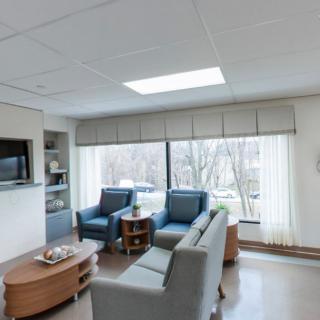
This community is best suited for families that want dependable, day-to-day long?term care for an aging loved one in a clean, organized setting. The core value lies in steady nursing supervision, predictable routines, and meaningful social programming, with staff who are generally friendly and responsive to residents and families. It is not a luxury environment, but it offers a campus-based care model where daily care is coordinated among aides, nurses, and activity staff. Those who prize reliability and engagement will find real value here. What it is not: a facility that guarantees rapid emergency response or hospital-grade acute care on demand.

On the nursing home side, the strongest takeaway is a well?run, serviceable atmosphere. Reviews converge on clean facilities, pleasant decor, and rooms that feel more homelike than many peers. Residents report attentive, personable caregivers who coordinate care across nurses, aides, and therapists, plus a recreational director who plans activities that fit abilities. The dining experience stands out as notably better than average for long-term care, and staff are consistently described as friendly and collaborative. For families, the daily interactions with frontline staff - clear communication, respect, and a sense of continuity - carry substantial weight in evaluating day-to-day quality of life.

The most glaring concerns come from the hospital side of the campus. Reviewers repeatedly describe long waits, poor triage communication, and front-desk rudeness in the emergency department, with accounts of patients waiting hours for care or lacking timely updates. Several reviews allege neglect, disorganization, and even serious patient harm, including issues around feeding, bed safety, and transfers. The prevailing tone points to staffing shortages and inconsistent supervision, which undermines trust in the overall patient experience during urgent or acute situations. Even when individual clinicians deliver solid care, the broader hospital environment casts a shadow over the campus as a whole for families prioritizing rapid, effective emergency intervention.

These contrasting experiences mean the nursing home strengths only partially offset the hospital weaknesses for many families. For a senior who mainly requires daily living support and benefits from a structured, clean, attentive environment, the day-to-day care can feel sufficient and reassuring, even if emergency needs are unlikely. Standout clinicians and responsive front-desk staff can deliver dependable, respectful care day to day, and the activities program adds tangible quality of life. Yet the specter of inconsistent ER performance and reports of neglect are meaningful risks, especially for residents with complex medical conditions or those who anticipate needing urgent hospital care. In this calculus, the core question becomes: how much weight is given to reliable routine care versus the potential for hospital?level gaps?

Alternatives deserve serious consideration for families whose priorities tilt toward robust emergency responsiveness and consistently strong acute-care pathways. If urgent or specialized hospital care is a central need, exploring other DC-area options with stronger, more predictable emergency services is prudent. Before deciding, tours should be scheduled, conversations held with current residents and families, and a careful review of state inspection results and incident histories pursued. Ask about nurse-to-patient ratios, response times, and transfer policies, and demand clarity on outcomes for falls, wounds, and transfers. A campus with a clearer track record for acute care will often translate into peace of mind that outweighs modest day-to-day tradeoffs.

Bottom line: United Medical Nursing Home can function as a practical, steady home where daily care and life enrichment are workable, but it is not a safe bet for families whose top priority is rapid, reliable hospital-level emergency care. The strongest recommendation is to separate the evaluation of the nursing home operations from the hospital's emergency performance, validating the former while weighing the latter. For many, alternatives offering cleaner emergency reputations and stronger patient experiences will prove worth the move; for others, the stable daily care and engaged staff on campus may justify staying - provided clear expectations about emergency care are set and monitored.

Features

Housing

  • 120 resident community capacity 120 resident community capacity

Types of Care

  • Skilled Nursing Facility Skilled Nursing FacilitySkilled Nursing Facilities are crucial for seniors as they provide round-the-clock medical care, rehabilitation services, and assistance with daily activities. These facilities ensure that seniors receive the specialized care they need to maintain their health and well-being as they age.

Amenities

  • Air-conditioning Air-conditioningAir conditioning is important for seniors as they are more vulnerable to heat-related illnesses and may have underlying health conditions that make it difficult for them to regulate their body temperature. It helps to keep them comfortable, safe, and healthy in hot weather.
  • Beauty salon Beauty salonBeauty salons are important for seniors because they provide a space for them to feel pampered, socialize, and maintain their personal grooming and hygiene. Regular visits to a beauty salon can help boost seniors' self-esteem and overall well-being.
  • Cable or satellite TV Cable or satellite TVCable or satellite TV is important for seniors because it provides entertainment, news, and companionship, helping to combat loneliness and boredom. It also offers a wide range of programming options tailored to different interests and preferences.
  • Computer center Computer centerA computer center is essential for seniors as it provides access to technology, communication tools, and resources that can enhance their daily lives. It allows them to stay connected with loved ones, engage in online activities, and learn new skills, ultimately promoting socialization and mental stimulation.
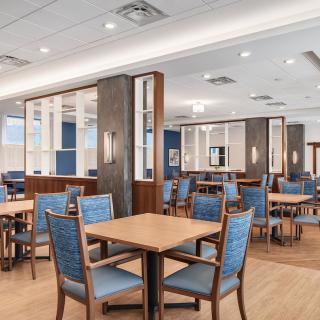
  • Dining room Dining roomDining rooms are important for seniors as they provide a space for socialization, connection, and nutritious meals. They offer opportunities for residents to bond over shared meals, foster a sense of community, and promote healthy eating habits. Dining rooms also ensure that seniors have access to well-balanced meals tailored to their dietary needs and preferences.
  • Fitness room Fitness roomHaving a fitness room in a senior living community is essential for seniors to stay active, maintain their physical health, and improve their overall well-being. Regular exercise can help prevent falls, reduce the risk of chronic diseases, and promote mental sharpness. It also provides social opportunities for residents to connect with others and enjoy a sense of community.
  • Fully furnished Fully furnishedFully furnished senior living communities are important for seniors because they provide convenience, comfort, and a hassle-free moving experience. Seniors can easily settle into their new living space without the stress of having to buy and move furniture. This allows them to focus on enjoying their new home and community.
  • Gaming room Gaming roomGaming rooms are important for seniors as they provide a fun and engaging environment for socializing, cognitive stimulation, and physical activity. Games can improve memory, problem-solving skills, and overall mental well-being while fostering friendships and reducing feelings of isolation.
  • Garden GardenGardens are important for seniors as they provide a peaceful and therapeutic environment for relaxation, physical activity, and socialization. Being in nature has been shown to reduce stress, improve mood, and promote overall well-being. Gardens also offer opportunities for seniors to engage in gardening activities, which can improve mobility, flexibility, and cognitive function. Additionally, gardens create a sense of community and connection with others who share a passion for plants and outdoor spaces.
  • Housekeeping services Housekeeping servicesHousekeeping services are important for seniors because they help maintain a clean and safe living environment, promote independence, and reduce the risk of accidents or illnesses. Additionally, having assistance with household chores can alleviate physical strain and allow seniors to focus on other aspects of their well-being.
  • Kitchenette KitchenetteKitchenettes are important for seniors living in senior living communities because they provide the convenience and independence of being able to prepare simple meals and snacks in the comfort of their own living space. This can help promote a sense of autonomy and well-being for seniors, allowing them to maintain some level of control over their dietary choices and daily routines.
  • Move-in coordination Move-in coordinationMove-in coordination is important for seniors because it helps ease the transition into their new living environment. It ensures that all logistics, such as packing, organizing movers, and setting up utilities are taken care of, allowing seniors to focus on settling in and adjusting to their new home. Having a smooth move-in process can alleviate stress and anxiety, making the transition smoother and more enjoyable for seniors.
  • Outdoor space Outdoor spaceOutdoor spaces are important for seniors as they provide opportunities for physical activity, social interaction, exposure to natural light and fresh air, and a sense of connection to nature. Having access to outdoor spaces can improve overall well-being and quality of life for older adults living in senior communities.
  • Private bathrooms Private bathroomsPrivate bathrooms are important for seniors in senior living communities because they provide independence, dignity, and comfort. Having a private bathroom allows seniors to maintain their personal hygiene routines without the need for assistance, promoting a sense of autonomy and privacy. Additionally, private bathrooms help prevent the spread of infections and provide a safe and clean environment for seniors to navigate safely.
  • Restaurant-style dining Restaurant-style diningRestaurant-style dining is important for seniors because it allows them to enjoy delicious, nutritious meals in a social and upscale setting. This enhances their dining experience, promotes healthy eating habits, and fosters socialization with fellow residents, ultimately contributing to their overall well-being and quality of life.
  • Small library Small librarySmall libraries are important for seniors as they provide access to a variety of reading materials, including books, newspapers, and magazines. This can help stimulate their minds, keep them engaged, and provide a sense of community through book clubs and other social activities. Additionally, reading has been shown to improve cognitive function and overall mental well-being in older adults.
  • Telephone TelephoneTelephones are important for seniors as they provide a lifeline for communication with loved ones, emergency services, and healthcare providers. They offer a sense of security and independence, enabling seniors to stay connected and access assistance when needed.
  • Wellness center Wellness centerWellness centers are important for seniors because they offer a variety of programs and services that promote physical, mental, and emotional well-being. These centers provide opportunities for exercise, socialization, education, and relaxation, helping seniors maintain their overall health and quality of life.
  • Wi-Fi/high-speed internet available Wi-Fi/high-speed internet availableWi-Fi/high-speed internet is important for seniors to stay connected with loved ones, access online resources, and participate in virtual activities to combat feelings of loneliness and isolation. It also allows them to easily manage healthcare needs, access entertainment, and engage in lifelong learning opportunities.

Transportation

  • Ronald Reagan Washington National (3 miles away) Ronald Reagan Washington National (3 miles away)
  • Community operated transportation Community operated transportationCommunity operated transportation is crucial for seniors as it provides them with the means to access essential services, social activities, and medical appointments. It allows seniors to maintain their independence and quality of life by ensuring they can participate in activities outside of their homes. Additionally, community-operated transportation services offer a safe and reliable way for seniors to travel without having to rely on family or friends for assistance.
  • Transportation arrangement Transportation arrangementTransportation arrangements are crucial for seniors as they may face challenges with driving, mobility, or access to public transportation. Having reliable transportation services ensures that seniors can easily attend appointments, social activities, and maintain their independence and quality of life.
  • Transportation arrangement (non-medical) Transportation arrangement (non-medical)Transportation arrangements are essential for seniors as they provide access to essential services, activities, and social interactions outside the home. This service helps maintain independence, mobility, and overall well-being for seniors who may have limited transportation options.
  • Transportation to doctors appointments Transportation to doctors appointmentsTransportation to doctors appointments is crucial for seniors as it ensures they have access to necessary medical care and support, promoting their health and well-being. It allows them to receive timely treatment, monitor existing conditions, and address any new health concerns efficiently. Additionally, transportation services can help seniors maintain their independence and quality of life by enabling them to stay connected with their healthcare providers.

Care Services

  • 12-16 hour nursing 12-16 hour nursing12-16 hour nursing care is crucial for seniors in order to ensure around-the-clock monitoring, timely medication administration, and prompt response to any health concerns or emergencies. This level of care helps to promote the overall well-being and safety of seniors living in senior living communities.
  • 24-hour call system 24-hour call system24-hour call systems are important for seniors because they provide peace of mind and immediate assistance in case of emergencies. This technology ensures that help is always available, promoting safety and security for elderly individuals living alone or in assisted living facilities.
  • 24-hour supervision 24-hour supervision24-hour supervision is important for seniors to ensure their safety, well-being, and access to immediate assistance in case of emergencies or health issues. This constant support provides peace of mind for both seniors and their loved ones, allowing them to age in place with dignity and security.
  • Activities of daily living assistance Activities of daily living assistanceActivities of daily living assistance are important for seniors because they provide essential support with tasks such as eating, bathing, dressing, and mobility. This assistance helps seniors maintain their independence, dignity, and overall quality of life as they age.
  • Assistance with bathing Assistance with bathingAssistance with bathing is crucial for seniors as it helps maintain personal hygiene, prevents infections, and ensures their overall well-being and comfort. It also provides a sense of dignity and independence for seniors who may struggle with this task on their own.
  • Assistance with dressing Assistance with dressingAssistance with dressing is important for seniors because it helps maintain their independence, promotes personal hygiene, prevents accidents and injuries, and improves overall quality of life. This service ensures that seniors can continue to dress comfortably and confidently, despite any physical limitations they may have.
  • Assistance with transfers Assistance with transfersAssistance with transfers is crucial for seniors as it helps prevent falls and injuries, maintains their independence, and ensures they can safely navigate their living environment. It also provides peace of mind for both seniors and their loved ones.
  • Diabetes diet Diabetes dietA diabetes diet is crucial for seniors as it helps manage blood sugar levels, reduce risks of complications, and improve overall health and well-being. By following a balanced and nutritious diet tailored to their specific needs, seniors can better control their diabetes and enhance their quality of life.
  • Meal preparation and service Meal preparation and serviceMeal preparation and service are crucial for seniors as they may have limited mobility or energy to cook nutritious meals. Having access to healthy and convenient food options can ensure they are getting the proper nutrition needed to maintain their overall health and well-being.
  • Medication management Medication managementMedication management is crucial for seniors to ensure they are taking the right medications at the correct dosages and times. This helps prevent adverse drug interactions, reduces the risk of medication errors, and promotes overall health and well-being. Proactive management also allows for adjustments as needed based on changing health conditions or new prescriptions.
  • Mental wellness program Mental wellness programMental wellness programs are essential for seniors as they promote cognitive stimulation, emotional support, and social engagement. These programs help prevent isolation, depression, and cognitive decline, ultimately enhancing the overall quality of life for older adults.
  • Special dietary restrictions Special dietary restrictionsSpecial dietary restrictions are important for seniors because age-related changes in metabolism and health conditions can make it difficult for their bodies to process certain foods. By following a diet tailored to their specific needs, seniors can maintain their overall health and well-being, manage chronic conditions, and reduce the risk of complications such as malnutrition or food interactions with medications.

Dining

  • Diabetes diet Diabetes dietA diabetes diet is crucial for seniors as it helps manage blood sugar levels, reduce risks of complications, and improve overall health and well-being. By following a balanced and nutritious diet tailored to their specific needs, seniors can better control their diabetes and enhance their quality of life.
  • Special dietary restrictions Special dietary restrictionsSpecial dietary restrictions are important for seniors because age-related changes in metabolism and health conditions can make it difficult for their bodies to process certain foods. By following a diet tailored to their specific needs, seniors can maintain their overall health and well-being, manage chronic conditions, and reduce the risk of complications such as malnutrition or food interactions with medications.

Activities

  • Community-sponsored activities Community-sponsored activitiesCommunity-sponsored activities are important for seniors as they provide opportunities for social interaction, mental stimulation, and physical activity. These activities can help improve overall well-being, combat loneliness and isolation, and promote a sense of belonging and purpose among older adults.
  • Concierge services Concierge servicesConcierge services are essential for seniors as they provide assistance with daily tasks and errands, enhance their quality of life by offering convenience and personalized care, and promote a sense of safety and security.
  • Fitness programs Fitness programsFitness programs are crucial for seniors as they help improve strength, flexibility, balance, and overall well-being. Staying active can reduce the risk of chronic diseases, improve mental health, and enhance quality of life in older adults.
  • Planned day trips Planned day tripsPlanned day trips are important for seniors because they offer opportunities for socialization, mental stimulation, and physical activity. They provide a change of scenery and help seniors stay engaged and connected to their community, promoting overall well-being and quality of life.
  • Resident-run activities Resident-run activitiesResident-run activities are important for seniors as they encourage social interaction, creativity, and a sense of autonomy. These activities empower seniors to stay engaged and active in their community while fostering meaningful connections with their peers.
  • Scheduled daily activities Scheduled daily activitiesScheduled daily activities are important for seniors because they provide structure, socialization, mental stimulation, and physical activity. Engaging in regular activities can improve overall well-being and quality of life for seniors living in a community setting.

Description

United Medical Nursing Home is a premier assisted living community located in Washington, DC. With a range of amenities and care services, we strive to provide a comfortable and fulfilling lifestyle for our residents.

Our community offers a variety of amenities to enhance the daily lives of our residents. Our on-site beauty salon ensures that residents always look and feel their best. They can enjoy their favorite shows and movies with cable or satellite TV in their fully furnished apartments. Our community-operated transportation provides convenience for outings and appointments. Residents can stay connected with loved ones or pursue personal interests in our computer center with Wi-Fi/high-speed internet access. Our spacious dining room offers restaurant-style dining, where residents can savor delicious meals prepared by our skilled culinary team. For those who prefer cooking their own meals, apartments come with kitchenettes for added convenience.

We understand the importance of staying active and engaged, which is why we have various amenities to promote these aspects of well-being. Our fitness room allows residents to maintain their physical health at their own pace. The gaming room provides opportunities for friendly competition and socializing with fellow residents. Our beautiful garden offers a serene outdoor space where residents can relax and enjoy nature. For those who love reading, our small library is stocked with books for all interests.

At United Medical Nursing Home, we prioritize the comfort and well-being of our residents by offering exceptional care services. Our 24-hour call system ensures that assistance is never far away when needed. Highly trained staff provide 24-hour supervision and are available to assist with activities of daily living such as bathing, dressing, and transfers as required. Medication management is provided to ensure proper dosage adherence.

We also offer specialized care services such as diabetes diet management and special dietary restrictions to accommodate individual needs. Transportation arrangements are made both for non-medical purposes as well as to doctors' appointments.

In addition to these amenities and care services, we provide an array of engaging activities. Our concierge services are available to assist with any needs or requests. Fitness programs and scheduled daily activities cater to residents' interests and encourage an active lifestyle. Planned day trips and resident-run activities offer opportunities for socialization and exploration of the local community.

With numerous cafes, parks, pharmacies, restaurants, transportation options, places of worship, theaters, and hospitals in close proximity to our community, residents can easily access a range of amenities and services.

At United Medical Nursing Home, we are committed to providing a comfortable and enriching living environment where residents can thrive both physically and mentally.

Nearby Places of Interest

Hospitals

  • St Elizabeths Hospital (0.8 miles)

Pharmacies

  • Walgreens (1.4 miles)
  • CVS Pharmacy (2.1 miles)
  • CVS Pharmacy (2.1 miles)
  • CVS Pharmacy (3.2 miles)
  • CVS Pharmacy (3.7 miles)
  • Grubb's Pharmacy Of D.C. (3.8 miles)
  • CVS Pharmacy (3.8 miles)

Restaurants

  • Sardi's Pollo A La Brasa (1.9 miles)
  • McDonald's (1.9 miles)
  • Bojangles' Famous Chicken 'n Biscuits (2.2 miles)
  • McDonald's (2.2 miles)
  • The Salt Line (2.7 miles)
  • Dacha Beer Garden (2.7 miles)
  • Bluejacket (2.8 miles)

Parks

  • L'Enfant Square (2.7 miles)
  • The Yards Park (2.7 miles)
  • Southwest Duck Pond (3.5 miles)
  • Gravelly Point Park (3.5 miles)
  • Waterfront Park (3.7 miles)
  • Lincoln Park (3.7 miles)
  • East Potomac Park (3.8 miles)

Cafes

  • Philz Coffee (2.8 miles)
  • Slipstream (3.2 miles)
  • Starbucks (3.6 miles)
  • Wine & Butter Cafe & Market (3.7 miles)
  • Starbucks (4 miles)
  • Junction Bakery & Bistro (4.1 miles)
  • Mae's Market and Cafe (4.1 miles)

Transportation

  • Potomac Avenue Metro Station (3.1 miles)
  • Terminal A (3.2 miles)
  • TSA PreCheck (3.2 miles)
  • Delta Sky Club (3.3 miles)
  • Terminal 2 (3.3 miles)
  • Ronald Reagan Washington National Airport (DCA) (3.4 miles)
  • Eastern Market Metro Station (3.4 miles)

Places of Worship

  • St Peter's School on Capitol Hill (3.4 miles)
  • St Joseph Catholic Church on Capitol Hill (4.1 miles)

Physicians

  • American College of Obstetricians & Gynecologists (4.1 miles)
  • One Medical (4.5 miles)

Theaters

  • Regal Gallery Place & 4DX (4.8 miles)

Frequently Asked Questions

Where is United Medical Nursing Home?

Nearby Communities

  • Serenity Rehabilitation And Health Center

    Serenity Rehabilitation And Health Center

    Washington, DC


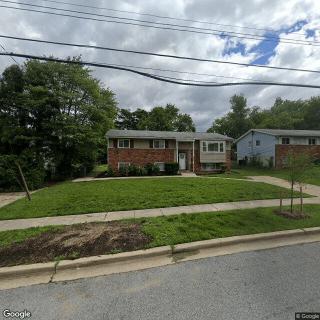
    pro Extensive amenities and 24/7 staff.
  • Huntington Village

    Huntington Village

    Washington, DC


    pro Vibrant urban location with extensive nearby amenities (cafes, parks, dining, pharmacies, transit, hospitals).

  • St. Paul Senior Living at Wayne Place

    St. Paul Senior Living at Wayne Place

    Washington, DC

    3 from 7 reviews
    $906 to $1,079 / month

    pro Affordable independent living with on-site/off-site activities and convenient access to nearby amenities.

  • Jesus is Tender Loving Care

    Jesus is Tender Loving Care

    Temple Hills, MD

     
    $1,500 to $2,000 / month

    pro Affordable pricing with semi-private and private rooms, plus on-site activities and memory care support.

  • Livingston Place at Southern Ave

    Livingston Place at Southern Ave

    Washington, DC


    pro Comprehensive care options (assisted/independent/memory) with 24/7 supervision, tailored meals, and engaging activities in a small, intimate community near essential services.

  • Birchwood Group Home I

    Birchwood Group Home I

    Oxon Hill, MD

    1 from 2 reviews
    $2,000 to $2,500 / month

    pro Affordable pricing with specialized diabetic care.

  • Matthews Memorial Terrace

    Matthews Memorial Terrace

    Washington, DC


    pro Excellent access to nearby amenities and healthcare.

  • Claridge House of Arlington

    Claridge House of Arlington

    Arlington, VA


    pro Extensive nearby amenities and services (cafes, restaurants, parks, healthcare, transit, worship, and entertainment) in Arlington.

  • Conifer Village at Oakcrest

    Conifer Village at Oakcrest

    Capitol Heights, MD

    4.1 from 19 reviews
    $1,030 to $1,200 / month

    pro Brand-new, handicap accessible apartments with friendly staff and ample on-site amenities.

Related Resources

  • palliative care vs hospiceUnderstanding the Nuances of Palliative Care and Hospice: A Comprehensive Exploration

    Palliative care focuses on alleviating distress at any stage of a serious illness and can accompany curative treatments, while hospice care is for those nearing the end of life with a prognosis of six months or less, emphasizing comfort over curative measures. Both prioritize holistic care for patients and families but differ in timing, goals, and scope.

  • is home health care tax deductibleIs In-Home Healthcare Tax Deductible? Your Comprehensive Guide
    The guide details the tax deductibility of in-home healthcare expenses according to IRS guidelines, differentiating between medically necessary services and non-medical assistance, while emphasizing the need for proper documentation and itemization requirements. It also highlights state-level variations, the importance of record-keeping, and encourages seeking professional tax help to understand evolving regulations.

  • gardening for seniorsNurturing Well-Being Through Gardening: A Detailed Guide for Senior Enthusiasts

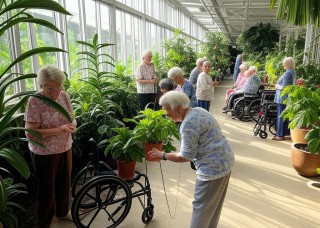
    Gardening provides seniors with physical exercise, mental and emotional support, and social interaction opportunities, while accommodating their needs through raised beds and ergonomic tools. It promotes health benefits like improved dexterity and cardiovascular health, encourages sustainable practices, and allows for manageable upkeep with low-maintenance plants.