
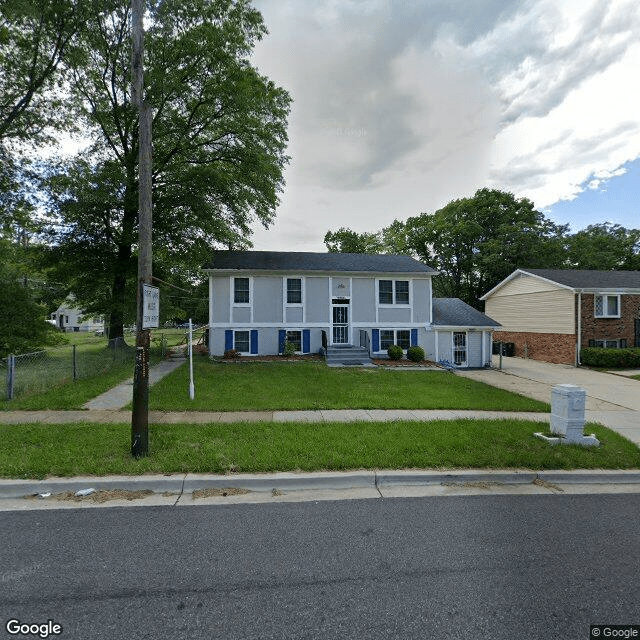
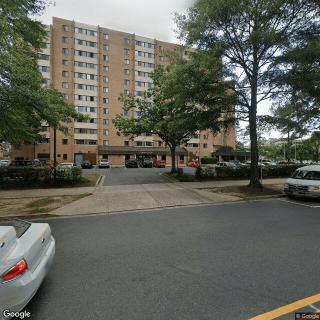
4905 Iverson Place, Temple Hills, MD 20748
For more information about senior living options: (866) 208-4318
Jesus is Tender Loving Care Costs & Pricing
Jesus is Tender Loving Care offers competitive pricing for its services, with monthly costs significantly lower than both Prince George's County and the broader Maryland state averages. For a semi-private room, residents pay $1,500 per month, which stands in stark contrast to the county's average of $3,058 and the state's average of $3,545. Similarly, the cost of a private room at Jesus is Tender Loving Care is set at $2,000 per month, compared to $3,792 in Prince George's County and $4,112 statewide. This reflects a commitment to providing affordable care options without compromising on quality, making it an attractive choice for families seeking compassionate support for their loved ones.
| Floor plans | Jesus is Tender Loving Care | Prince George's County | Maryland |
|---|---|---|---|
| Semi-Private | $1,500 | $3,058 | $3,545 |
| Private | $2,000 | $3,792 | $4,112 |
Memory care communities with a similar price nearby
-
About the same

Fields of Favor
$1,500 to $3,000 / month16.6 miles away -
from -$200 / mo
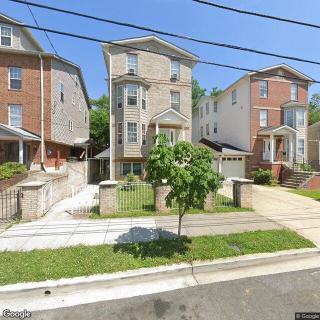
Peaceful Haven III
$1,300 to $1,800 / month5.4 miles away
Overall Review of Jesus is Tender Loving Care
Pros
 The residents were clean and seemed content.
- The caretaker was very informative and friendly.
- The care at the facility appears sufficient.
- The environment is clean.
- The nurses and caretakers are responsive.
- The staff and owner are the best.
Cons
 Too bad she was full.
Review
Jesus is Tender Loving Care in Temple Hills, Maryland is best suited for seniors who want a compact, home-like setting where staff know residents by name and daily routines stay simple and predictable. It suits families that prize cleanliness, a calm atmosphere, and clear, face-to-face communication from caregivers and leadership. Residents appear content, and the environment is kept orderly enough to feel safe and familiar. A hands-on owner and a team that is described as friendly and informative create a sense of continuity and trust, which matters greatly when choosing daily living support rather than a large, impersonal campus. This is a practical fit for those prioritizing dependable, personable care over breadth of programming.
Those who may want to consider alternatives are families needing intensive medical oversight, specialized memory care, or a wide menu of social activities. While care is described as sufficient and staff responsive, the reviews do not indicate a deep pool of caregivers, specialized units, or robust programming beyond television and routine interaction. One reviewer noted that a helpful caregiver was “full,” suggesting staffing constraints or scheduling limits that could affect consistency. For residents requiring 24/7 devoted supervision, rapid access to diverse specialists, or frequent, structured activities, a larger community with deeper staffing might be a safer match.
On the plus side, the strengths are tangible and meaningful. A clean environment reduces risks and supports comfort, and the residents’ apparent contentment points to stability in daily life. The nurses and caretakers are described as responsive, which translates into timely help with daily tasks and health concerns. Communication is a consistent strength, with caregivers who are informative and easy to reach. The most persuasive asset is leadership: the staff and owner are widely regarded as the best, signaling accountability and a culture geared toward residents’ preferences. For families, these factors translate into predictable routines, quicker issue resolution, and a sense that care is personalized rather than rushed.
Nevertheless, the limited staffing visibility in one review should be weighed. The comment about the caregiver being full implies that shifts and assignments may be constrained in a small operation. That can mean less consistency during peak times or when staff are briefly unavailable. The lack of explicit detail about activity programming or advanced clinical services leaves questions for families who want more than basic daily help. Prospective residents should verify what medical oversight is available, whether medication management is included, and how much continuity a family can expect from week to week. The bottom line is that this is not a facility designed to substitute for higher-acuity care, but rather a warm, well-run home environment.
Given the strengths, the cons are manageable for the right resident. Cleanliness and a responsive care team lower stress for families and reduce risk when subtle health changes occur. The owner’s visible involvement fosters trust and makes communication straightforward, which is crucial when questions arise about care plans or scheduling. In a small setting, staff tends to know residents well, enabling personalized touches, a practical advantage over generic, one-size-fits-all care. For someone who values straightforward care, a respectful environment, and reliable daily routines over expansive activities or clinical specialization, the advantages outweigh the potential downside of limited staffing depth. This is particularly true for seniors who thrive on predictability and a sense of being known.
Decision guidance: arrange a face-to-face tour focused on caregiver interactions, meet the owner, and ask for a transparent explanation of staffing patterns, including usual caregiver-to-resident ratios and who covers gaps. Check whether the facility provides medication management, what medical oversight exists, and how crisis or weekend coverage is handled. Review the activities calendar to gauge social opportunities beyond passive TV time, and clarify how memory care would be addressed if needed. If the plan is for a larger community with extensive programming and deeper clinical resources, alternatives should be compared. For families prioritizing a clean, communicative, personable home with steady leadership, Jesus is Tender Loving Care offers a practical, solid option in Temple Hills that warrants serious consideration.
 8 resident community capacity
 Assisted Living
 Board and Care Home
 Memory Care
 Activities on-site
 Bath tubs
 Cable or satellite TV
 Devotional services on-site
 Dining room
 Fully furnished
 Garden
 Housekeeping services
 Indoor common areas
 Move-in coordination
 Outdoor common areas
 Private
 Respite or short term stays offered
 Telephone
 Wheelchair accessible showers
 Wi-Fi/high-speed internet available
 Ronald Reagan Washington National (4 miles away)
 24-hour supervision
 Assistance with bathing
 Assistance with dressing
 Assistance with transfers
 Diabetes diet
 Diabetic care
 High acuity care
 Incontinence care
 Meal preparation and service
 Medication management
 Special dietary restrictions
 Transportation arrangement (medical)
 Transportation to doctors appointments


 Nourishing the Mind: Essential Dietary Approaches for Dementia
 Understanding Dementia Behaviors: Practical Insights and Strategies for Caregivers
 When Dementia Sparks Anger and Aggression: Understanding the Connection and Ways to Cope