

8900 Sylvan Hills Hwy, North Little Rock, AR 72120
To contact a resident: (501) 835-5931
For more information about senior living options: (866) 208-4318
Overall Review of Retirement Centers of Arkansas
Pros
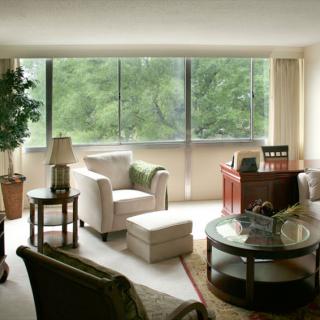
 The resident was pleased with their private room.
- It is a good option for semi-assisted living.
Cons
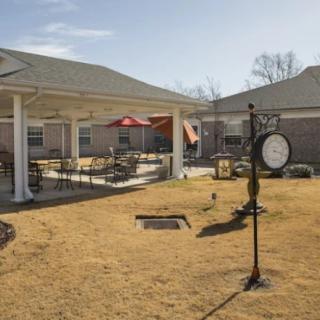
 The building was not in the best condition inside or outside.
- They had bedbug problems.
- The place always smelled of urine.
- They would not recommend this place for any family member who needs care.
- His brother's room cost $1300 a month, plus cable and internet he had to pay for.
- They never made sure he had showers, haircuts, or nails trimmed.
- The building is old and drafty, dating back to 1953.
Review
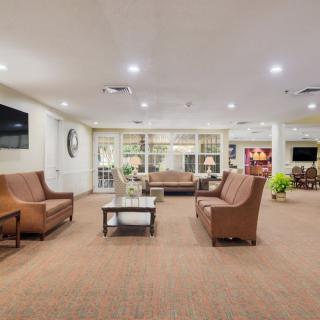
This community is best suited for seniors who want a private room and semi‑assisted living, and who can tolerate an older, less polished facility in exchange for independence and a contained, smaller campus feel. The structure appeals to families prioritizing privacy and personal space more than showroom amenities, and who are prepared to accept higher monthly costs for basic services. In North Little Rock, this option can fit a scenario where a resident needs light assistance but does not demand a modern, hospital‑like environment or constant, campus‑style programming. It suits budget‑conscious families who still value a private dwelling and are comfortable with the trade‑offs that come with an aging building.
Those who should seriously consider alternatives are families prioritizing robust caregiving, top‑to‑date interiors, and consistently high hygiene standards. The strongest red flags here are anchored in maintenance and care delivery rather than just appearance. If a resident requires reliable assistance with daily living tasks, regular showers, grooming, and consistently clean, pest‑free surroundings, other communities with newer facilities and stronger housekeeping may be a better match. Also, for anyone with sensitivity to odors, pest history, or drafts, the prospect of ongoing upkeep and comfort concerns warrants exploring other options before committing.
On the upside, the most tangible pro is a private room paired with semi‑independent living, an arrangement that lets residents retain personal space while receiving some help. That benefit can feel substantial for someone who values dignity and autonomy over a more institutional setting. The price point, though described as high by some families, appears to be balanced in the eyes of residents who want a discreet, home‑like environment rather than a large, impersonal campus. When these advantages align with realistic expectations about upkeep, the option can still be viable as a transitional or temporary arrangement for certain families.
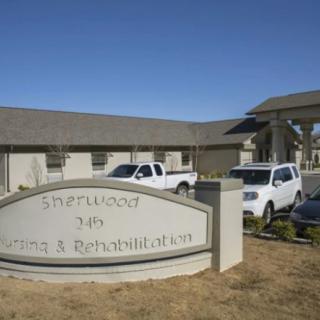
However, the cons cast a long shadow over the positives. The facility’s age is repeatedly cited as a core drawback: the building is described as old, drafty, and not particularly inviting on either the interior or exterior. Pest and odor problems compound the risk, with specific testimonies noting bedbugs and persistent urine smells. Care delivery gaps are a pointed concern, instances where showers, haircuts, or nails are not consistently addressed by staff, raise serious questions about daily living standards and personal hygiene, especially for residents who still require some assistance. The combined effect is a sense of slipping away from what families expect from a care setting, even if the private room remains appealing.
In evaluating this community, practical inquiry should focus on current condition and care processes. Prospective families should request up‑to‑date tours emphasizing actual resident accommodations, cleanliness, and pest control records, not just marketing descriptions. Probe staff ratios, care schedules, and the ability to provide regular grooming and hygiene assistance. Require transparent pricing that itemizes services beyond rent, and verify what is included or extra (utilities, cable, internet, personal care hours). Compare with nearby facilities that offer newer interiors, stronger maintenance programs, and demonstrable success in preventing odor and pest issues. The goal is to determine whether the perceived quiet privacy can coexist with consistent, attentive care in a well‑maintained environment.
The bottom line is that this community offers a legitimate option for families prioritizing private space and semi‑assisted living, but only if the trade‑offs are acceptable. For residents who can tolerate an aging building, modest campus amenities, and the risk of maintenance lapses, the setting can be workable and even comfortable. For those whose priority is modern, spotless environments and consistently proactive caregiving, alternatives should be prioritized. A careful due diligence process, visits, candid conversations with staff, and comparisons with newer campuses, will reveal whether this option remains viable or a more contemporary community is required to meet the care goals and peace of mind sought by families.
 Independent Living
 Adams (8 miles away)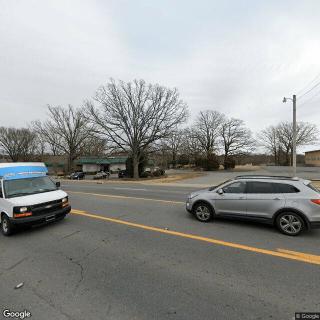


 In-Depth Look at the VA Aid and Attendance Program
 Nurturing Our Loved Ones: A Daughter's Journey in Caring for Her Mother
 Nurturing Our Elders: Linda's Journey of Supporting Her Mother