

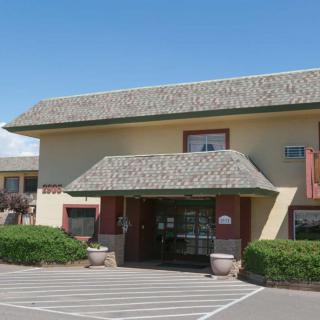
2707 E Van Buren, Phoenix, AZ 85008
To contact a resident: (602) 685-3210
For more information about senior living options: (866) 208-4318
Overall Review of The Herberger Silvercrest Apts
Pros
 Kendra is praised for being pleasant and for making the process simple, while making clients feel valued.
- The organization is credited with helping many families by providing essential utilities and support.
- The staff and volunteers are described as offering great service and support to those in need.
- The Salvation Army Corps Centers are noted for treating visitors well and providing courteous, compassionate assistance.
- The community around the organization is described as full of great people who serve others and are inspired by faith.
- The organization is recommended for temporary utility assistance to those in need.
Cons
 The staff are mean and wicked, leaving clients unhappy.
- A staffer was rude on the phone, unhelpful, and did not even greet, showing a lack of compassion.
- Most staff are completely rude; the food is old and moldy, the meat is undercooked, and customers have gotten food poisoning.
- An older cafeteria worker is described as the worst, and they were removed from the list after a complaint about poisoning; there’s a sense of a power trip near the end of stays.
- The program is extremely strict, with some feeling there are better resources elsewhere.
- Donations are alleged to go to staff pockets rather than to those in need, and food boxes have been mishandled or lacking in substance.
- Some patrons feel they’re treated like a bum and note there aren’t sufficient funds to help homeless moms; one says they would rather sleep in a dumpster than return.
Review
The Herberger Silvercrest Apts in Phoenix is best suited for seniors who value a faith-based, mission-driven safety net and are comfortable navigating uneven service levels in exchange for access to a broader community support network. It works well for residents who want to stay connected to a compassionate ecosystem, where resources from the Salvation Army can step in during tight months. The strongest asset is not a flawless day-to-day operation but the sense that help can be available when needed and that neighborly support exists among residents and staff who buy into the broader mission. Potential movers should understand that consistency of service will vary, and the most reliable positives come from pockets of staff and volunteers rather than a uniformly polished experience.
Those who may want to consider alternatives are primarily those who require consistently courteous, predictable, and professionally tight operations. Prospective residents who prize smooth customer service, reliable meal quality, and steady administrative processes should look toward facilities with stronger day-to-day polish and clearer accountability. Families seeking a highly predictable routine, with minimal interpersonal friction and a proven track record of steady staff performance, will likely be better served elsewhere. In short, this community suits a social- and mission-oriented approach to care, not someone who wants a uniformly seamless, facility-wide standard of care every day.
Key pros do surface enough to offset certain downsides in meaningful ways for some residents. The ease of moving in and out is a practical advantage, reducing transition stress for those who fear long, complicated move processes. The Salvation Army affiliation can offer a practical lifeline when finances tighten, as demonstrated by instances where utility bills were paid and families were kept from hardship. Individual acts of kindness from staff members, most notably Kendra, who provided patient, courteous assistance, illustrate that genuine compassion can and does emerge within the system. For residents who value community sentiment, the presence of volunteers and a network of supportive peers can transform the environment from purely institutional to something more human and approachable.
Yet the main drawbacks remain persistent and are hard to overlook. A recurring theme in the reviews is staff behavior described as rude or dismissive, with phone and in-person interactions setting a negative tone for daily life. Food quality is frequently questioned, including notes about undercooked meat and moldy items, which raises legitimate concerns about nutrition and safety. Administrative tensions, such as confrontations with a case manager and inconsistencies in room inspections, contribute to anxiety, especially for those preparing to leave or negotiate special needs. The emotional tenor of the place can tilt toward friction, and several residents report feeling pushed aside or undervalued, which undermines trust in the facility’s ability to provide dependable care even when some employees demonstrate genuine care.
Practical implications matter when weighing this community against alternatives. The straightforward entry and the surrounding support network are compelling for seniors on fixed incomes who fear losing access to essential help. The Phoenix location provides proximity to medical services and social programs, and the Salvation Army’s framework adds a potential safety net during difficult months. However, the trade-off is daily interpersonal strain that can erode satisfaction over time. Prospective residents should scrutinize meals, how they’re prepared, served, and varied, as well as staff turnover and grievance processes. A candid assessment of who reliably responds to concerns, and how quickly issues are resolved, will reveal how well the pros can compensate for the cons in daily life.
Bottom-line guidance: this community serves the right resident who values community, faith-based support, and sporadic pockets of compassionate care over a flawless, friction-free experience. For individuals who demand unwavering courtesy, consistently high-quality meals, and steady administrative leadership, alternatives should be pursued. A visiting tour should center on frontline interactions, kitchen operations, and how management handles complaints in real time. If this environment is chosen, set explicit expectations with staff, document concerns, and lean into the Salvation Army resources without assuming uniform reliability across all departments. The right fit will recognize the upside of belonging to a caring network and the practical relief that can emerge in hard times, while the wrong fit will feel the friction outweighs the occasional act of kindness.
 Independent Living
 Cats allowed
 Dogs allowed
 Phoenix Sky Harbor International (1 miles away)






 Caring for Those Who Care: Recognizing, Understanding, and Overcoming Caregiver Burnout
 Caregiver Exhaustion: Recognizing the Signs and Restoring Your Well-Being
 Understanding Hospice Care at Home: Comprehensive Services, Key Benefits, and Eligibility