Overall Review of Chcs Oakwood Crossing Adult Family Home
differentiator17 reviews mention this
Activities keep residents engaged
Residents and families repeatedly describe busy, resident-choice activities throughout the day.
Residents and visitors mention a steady schedule of activities, including social events and outings, with many people describing residents as more engaged after moving in. Several reviews point to entertainment brought in by an activities team, plus organized events residents can watch together, like a visible fireworks display and a resident choir concert. Some reviewers also describe activities tailored to residents’ preferences, including a fishing trip and frequent day-to-day programming. A few accounts also connect activities to residents feeling “loved and cared for.”
common26 reviews mention this
Staff warmth and responsiveness stand out
Many reviews emphasize staff who treat residents with warmth, respect, and prompt help.
Across reviews, residents and families describe staff as friendly, kind, and responsive, often highlighting professionalism and compassionate care. Several people say caregivers are attentive—helping with daily needs, supporting transitions, and communicating in a reassuring way. A number of reviews also mention teamwork among staff and a welcoming environment when visitors come in. Not every review is positive, but even the negative feedback focuses heavily on care quality and staff training rather than anything like activities or location.
caveat9 reviews mention this
Cleanliness and upkeep are mixed
Cleanliness is described as strong by some reviewers, but others report serious issues.
Multiple reviews say the building is clean, tidy, and well maintained, with a facility that doesn’t smell and common areas that look cared for. Other reviewers, however, describe problems ranging from dirty rooms and bathrooms to missed cleaning tasks and poor upkeep. One account also describes cleanliness concerns tied to ongoing personal-care needs, including what they saw during visits. Because reviews conflict here, cleanliness appears to be an area where experiences vary.
caveat6 reviews mention this
Dining quality draws clear reactions
Dining reviews range from delicious and nutritious to complaints about saltiness and consistency.
Several families describe meals as tasty, nutritious, and enjoyable, and they mention a positive dining experience. Others report that food can be overly salty, inconsistent from one meal to the next, or difficult to adjust for specific dietary needs like kidney-related limits and onion avoidance. One reviewer also ties dining problems to their loved one’s health concerns. Taken together, dining seems to be a bright spot for some residents while remaining a concern for others.
differentiator8 reviews mention this
Personal care support is central
Reviews frequently focus on hands-on help with daily care and how well residents are supported.
Positive reviews emphasize attentive caregiving, including help that supports daily routines and helps residents settle in. Families also describe nursing and caregiving attention that makes day-to-day life feel more manageable, and some mention the peace of mind they felt knowing care needs were being handled. On the other hand, at least one negative review raises concerns about bathing frequency, describing limits on showers. That contrast suggests care experiences may vary depending on the resident’s needs and the support being delivered.
How we summarize
Counts show how many written reviews mention each theme; a review can touch several themes, and only frequently mentioned themes are displayed.
Features
Housing
4 resident community capacity
Types of Care
Assisted Living
Amenities
Cable or satellite TV
Dining room
Fully furnished
Garden
Housekeeping services
Move-in coordination
Outdoor space
Telephone
Wi-Fi/high-speed internet available
Transportation
General Mitchell International (21 miles away)
Care Services
24-hour supervision
Activities of daily living assistance
Assistance with bathing
Assistance with dressing
Assistance with transfers
Coordination with health care providers
Diabetes diet
Meal preparation and service
Medication management
Special dietary restrictions
Transportation arrangement (medical)
Transportation to doctors appointments
Dining
Diabetes diet
Special dietary restrictions
Activities
Community-sponsored activities
Scheduled daily activities
Nearby Places of Interest
Pharmacies
Walgreens (0.6 miles)
CVS Pharmacy (2.4 miles)
Walgreens (2.5 miles)
CVS Pharmacy (2.9 miles)
Walgreens (3.1 miles)
Walmart Pharmacy (4 miles)
Walmart Pharmacy (4.3 miles)
Parks
Glacier Cone Park (1.1 miles)
Waukesha Parks Rec & Forestry (3.1 miles)
Rivers Crossing Park (4.1 miles)
Kettle Moraine State Forest - Lapham Peak Unit (5.5 miles)
Medicare does not cover assisted living costs, as it focuses on acute medical needs and short-term care, with exceptions for certain medically necessary services like physical therapy. Individuals must explore other options such as Medicaid, veterans' benefits, or long-term care insurance to manage these expenses effectively.
Choosing between assisted living and nursing homes involves evaluating emotional and financial factors, with assisted living offering independence and support for daily activities at a lower cost, while nursing homes provide intensive medical care for individuals with significant health needs. The decision is influenced by personal preferences, health status, cognitive function, and varying Medicaid coverage across states.
Assisted living in 2025 offers a crucial balance of independence and support for seniors, with costs varying from $2,500 to over $7,000 per month based on factors such as location and care level. Understanding pricing complexities, including regional differences and potential hidden fees, is essential for families to plan financially while ensuring quality care for their loved ones.
Get PricingAsk A QuestionSchedule A TourContact Senior Advisor
By clicking submit, you agree to our Partner's Terms of Use. You
also consent to receive calls and texts, which may be autodialed, from our Partner. Your consent is not a condition to
using our Partner's service. Please visit our Partner's Privacy Policy for information about their privacy practices.




 4 resident community capacity
 Assisted Living
 Cable or satellite TV
 Dining room
 Fully furnished
 Garden
 Housekeeping services
 Move-in coordination
 Outdoor space
 Telephone
 Wi-Fi/high-speed internet available
 General Mitchell International (21 miles away)
 24-hour supervision
 Activities of daily living assistance
 Assistance with bathing
 Assistance with dressing
 Assistance with transfers
 Diabetes diet
 Meal preparation and service
 Medication management
 Special dietary restrictions
 Transportation arrangement (medical)
 Transportation to doctors appointments
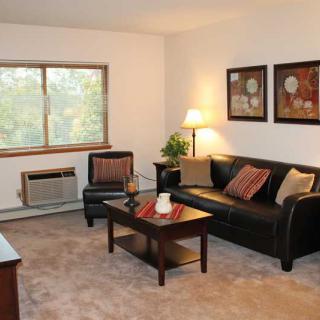
 Small, personalized care with 24/7 supervision and comprehensive services.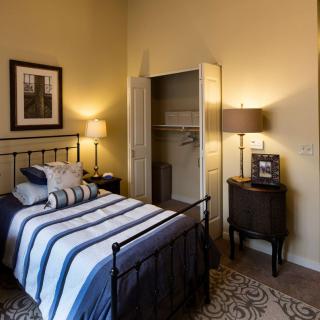

 Medicare Coverage for Assisted Living: An In-Depth Exploration
 Choosing the Right Senior Care: A Detailed Exploration of Assisted Living and Nursing Homes
 Understanding the True Cost of Assisted Living in 2025: A Comprehensive Guide