Balance Living Center

2037 North Green Bay Road, Racine, WI 53405

For more information about senior living options: (844) 490-3973

3.9 from 22 reviews
5 stars
16
4 stars
0
3 stars
0
2 stars
0
1 stars
6

Assisted Living Board and Care Home

Overall Review of Balance Living Center

Pros

  • pro The Pillars' staff provide loving, family-like care.
  • pro Staff treat each resident as an individual and by name, making them feel known.
  • pro Valerie, the director, goes above and beyond to ensure residents are well cared for.
  • pro On-site dental, eye care, and podiatry add convenient, comprehensive care.
  • pro The beauty shop appointments are a cherished highlight for residents.
  • pro The activities director makes strong efforts to include residents, even as dementia progresses.
  • pro The dining program features home-cooked meals and desserts that residents love.
  • pro The Pillars is described as a wonderful, caring community with great management and staff.

Cons

  • pro Horrendous place.
  • pro They're not fooling anyone.
  • pro One of the worst reputations in town.
  • pro The staff are bad - it's run like a prison.
  • pro Do not place your loved one in this facility.
  • pro Do not put your family and loved one through the distress and agony our family did.
  • pro Understaffed, incompetent staff, unprofessional staff, the list goes on.
  • pro Attempts to discuss care with nurses resulted in voicemail and no callbacks, described as extremely frustrating and indicating very poor management.
  • pro Think twice and make sure to get as much information as possible before putting your loved one there.

Review

The Pillars at Crystal Bay is described by residents and families as a place that can feel like home, especially for those living with dementia. One long-tenured aunt found a real sense of belonging there, with the same primary caregivers by her side for much of her four-year stay. Those caregivers were more than staff; they became family, helping her stay looking her best, making sure her apartment was clean, handling laundry, and supporting her pride in her appearance. The atmosphere extended beyond personal care to daily life, with a robust calendar of activities, frequent church services for her faith, and a weekly beauty shop appointment that she eagerly anticipated. On-site services - such as a dentist, eye doctor, and podiatrist - made visits convenient for both the resident and the family, contributing to what many described as a complete, home-like living experience despite not being the newest facility in town. The overall sentiment from these accounts is that loving, attentive care and a sense of family are what truly mattered most.

Yet, there is a contrasting thread in the feedback. A different voice characterizes The Pillars as a "horrendous" place and urges readers to do extensive research, including looking up citations and violations. This reviewer also notes a pattern of suspicious activity around online reputation, pointing to a cluster of five-star reviews posted at the same time about nine months ago and suggesting that the facility might be masking underlying problems. Additional critiques center on communication gaps - nurses and other staff not returning calls or transferring concerns to voicemails, which left families feeling frustrated and unheard. A common theme across these critiques is a perception that management and operations can be disorganized, with some reviewers describing the environment as stifling or even prison-like in its rigidity at times. Taken together, these voices highlight that experiences can vary dramatically from one day to the next and from one shift to another.

Many testimonials, however, highlight specific individuals who consistently earn praise. The facility is repeatedly credited with creating a family-like culture, where staff and management treat residents with genuine warmth. In particular, Valerie - the director - receives frequent commendations for going above and beyond to ensure residents are well cared for and feel valued. Families describe her as a central figure who embodies the facility's high standards. Across several reviews, the sense that "the Pillars is the best place to live for my mom" or that "the director and the staff truly love the residents" recurs, painting a picture of a leadership team that many families rely on during challenging times. The sentiment is that when the right people are in place, residents flourish and families feel reassured.

Other accounts focus on the day-to-day culture and the way staff know residents personally. Families describe people who remember residents by name, who engage with them in meaningful ways, and who treat every resident like a member of a large, caring family. This personal attention is frequently linked to positive changes in residents' outlooks and in their overall quality of life. The testimonials emphasize that, for some families, the Pillars offers a welcoming, respectful environment where their loved ones are not just cared for, but truly valued as part of a community. Even when families moved from out of state to visit, they were impressed by the warmth and the sense of belonging they witnessed in the halls and dining rooms.

Food and nutrition are highlighted as a particularly strong point in several reviews. Critics and supporters alike note the quality and consistency of meals, with many praising the home-cooked feel and the care that goes into crafting tasty, nutritious dishes. Desserts stand out in the memories of many residents, with one account calling it the "best dessert in town" and praising the bakery for producing delectable pies. The culinary team is repeatedly credited with elevating the dining experience, signaling that good food plays an important role in the residents' daily happiness and comfort. The combination of flavorful meals, thoughtful dining environments, and staff who support residents' enjoyment of food contributes to a sense of everyday well-being at the Pillars.

In sum, the response to The Pillars at Crystal Bay is mixed, yet richly detailed. On the positive side, many families celebrate a home-like atmosphere, strong personal connections with caregivers, proactive on-site health services, and a leadership team that prioritizes residents' dignity and happiness. The beauty of the place for many is rooted in its people - caregivers, activity directors, and especially Valerie - whose dedication can transform daily routines into meaningful, familial experiences. On the negative side, a number of voices call out issues of understaffing, inconsistent communication, and perceived management shortcomings that can leave families feeling anxious or frustrated. There is a clear pattern: when the right staff members are present and engaged, the Pillars shines as a warm, welcoming home; when they are not, concerns about safety, responsiveness, and quality of care surface more loudly. As with many senior living communities, individual experiences appear to hinge on personnel availability, shift dynamics, and the strength of leadership at any given time.

Features

Housing

  • 4 resident community capacity 4 resident community capacity

Types of Care

  • Assisted Living Assisted LivingAssisted living facilities provide crucial support and care for seniors who may need help with daily tasks such as medication management, bathing, and meal preparation. These communities offer a safe and comfortable environment where seniors can maintain their independence while receiving the assistance they need to thrive in their golden years.
  • Board and Care Home Board and Care HomeBoard and care homes provide a smaller, more intimate setting for seniors who require assistance with daily tasks but do not need the level of care offered by a nursing home. They offer personalized care, meals, and social activities in a homelike environment, ensuring that seniors receive individualized attention and support in their golden years.

Amenities

  • Cable or satellite TV Cable or satellite TVCable or satellite TV is important for seniors because it provides entertainment, news, and companionship, helping to combat loneliness and boredom. It also offers a wide range of programming options tailored to different interests and preferences.
  • Dining room Dining roomDining rooms are important for seniors as they provide a space for socialization, connection, and nutritious meals. They offer opportunities for residents to bond over shared meals, foster a sense of community, and promote healthy eating habits. Dining rooms also ensure that seniors have access to well-balanced meals tailored to their dietary needs and preferences.
  • Fully furnished Fully furnishedFully furnished senior living communities are important for seniors because they provide convenience, comfort, and a hassle-free moving experience. Seniors can easily settle into their new living space without the stress of having to buy and move furniture. This allows them to focus on enjoying their new home and community.
  • Garden GardenGardens are important for seniors as they provide a peaceful and therapeutic environment for relaxation, physical activity, and socialization. Being in nature has been shown to reduce stress, improve mood, and promote overall well-being. Gardens also offer opportunities for seniors to engage in gardening activities, which can improve mobility, flexibility, and cognitive function. Additionally, gardens create a sense of community and connection with others who share a passion for plants and outdoor spaces.
  • Housekeeping services Housekeeping servicesHousekeeping services are important for seniors because they help maintain a clean and safe living environment, promote independence, and reduce the risk of accidents or illnesses. Additionally, having assistance with household chores can alleviate physical strain and allow seniors to focus on other aspects of their well-being.
  • Move-in coordination Move-in coordinationMove-in coordination is important for seniors because it helps ease the transition into their new living environment. It ensures that all logistics, such as packing, organizing movers, and setting up utilities are taken care of, allowing seniors to focus on settling in and adjusting to their new home. Having a smooth move-in process can alleviate stress and anxiety, making the transition smoother and more enjoyable for seniors.
  • Outdoor space Outdoor spaceOutdoor spaces are important for seniors as they provide opportunities for physical activity, social interaction, exposure to natural light and fresh air, and a sense of connection to nature. Having access to outdoor spaces can improve overall well-being and quality of life for older adults living in senior communities.
  • Telephone TelephoneTelephones are important for seniors as they provide a lifeline for communication with loved ones, emergency services, and healthcare providers. They offer a sense of security and independence, enabling seniors to stay connected and access assistance when needed.
  • Wi-Fi/high-speed internet available Wi-Fi/high-speed internet availableWi-Fi/high-speed internet is important for seniors to stay connected with loved ones, access online resources, and participate in virtual activities to combat feelings of loneliness and isolation. It also allows them to easily manage healthcare needs, access entertainment, and engage in lifelong learning opportunities.

Transportation

  • General Mitchell International (14 miles away) General Mitchell International (14 miles away)

Care Services

  • 24-hour supervision 24-hour supervision24-hour supervision is important for seniors to ensure their safety, well-being, and access to immediate assistance in case of emergencies or health issues. This constant support provides peace of mind for both seniors and their loved ones, allowing them to age in place with dignity and security.
  • Activities of daily living assistance Activities of daily living assistanceActivities of daily living assistance are important for seniors because they provide essential support with tasks such as eating, bathing, dressing, and mobility. This assistance helps seniors maintain their independence, dignity, and overall quality of life as they age.
  • Assistance with bathing Assistance with bathingAssistance with bathing is crucial for seniors as it helps maintain personal hygiene, prevents infections, and ensures their overall well-being and comfort. It also provides a sense of dignity and independence for seniors who may struggle with this task on their own.
  • Assistance with dressing Assistance with dressingAssistance with dressing is important for seniors because it helps maintain their independence, promotes personal hygiene, prevents accidents and injuries, and improves overall quality of life. This service ensures that seniors can continue to dress comfortably and confidently, despite any physical limitations they may have.
  • Assistance with transfers Assistance with transfersAssistance with transfers is crucial for seniors as it helps prevent falls and injuries, maintains their independence, and ensures they can safely navigate their living environment. It also provides peace of mind for both seniors and their loved ones.
  • Coordination with health care providers Coordination with health care providersCoordination with health care providers is crucial for seniors to ensure proper medical care, medication management, and overall well-being. This collaboration helps prevent overlapping treatments, track progress more effectively, and provide comprehensive support tailored to individual needs.
  • Diabetes diet Diabetes dietA diabetes diet is crucial for seniors as it helps manage blood sugar levels, reduce risks of complications, and improve overall health and well-being. By following a balanced and nutritious diet tailored to their specific needs, seniors can better control their diabetes and enhance their quality of life.
  • Meal preparation and service Meal preparation and serviceMeal preparation and service are crucial for seniors as they may have limited mobility or energy to cook nutritious meals. Having access to healthy and convenient food options can ensure they are getting the proper nutrition needed to maintain their overall health and well-being.
  • Medication management Medication managementMedication management is crucial for seniors to ensure they are taking the right medications at the correct dosages and times. This helps prevent adverse drug interactions, reduces the risk of medication errors, and promotes overall health and well-being. Proactive management also allows for adjustments as needed based on changing health conditions or new prescriptions.
  • Special dietary restrictions Special dietary restrictionsSpecial dietary restrictions are important for seniors because age-related changes in metabolism and health conditions can make it difficult for their bodies to process certain foods. By following a diet tailored to their specific needs, seniors can maintain their overall health and well-being, manage chronic conditions, and reduce the risk of complications such as malnutrition or food interactions with medications.
  • Transportation arrangement (medical) Transportation arrangement (medical)Transportation arrangements for medical purposes are essential for seniors as they may have difficulty driving themselves to appointments or accessing public transportation. Having reliable and safe transportation options ensures that seniors can receive timely medical care and maintain their health and well-being.
  • Transportation to doctors appointments Transportation to doctors appointmentsTransportation to doctors' appointments is crucial for seniors as it ensures they have access to necessary medical care and support for their health needs. Without reliable transportation, seniors may struggle to attend important appointments, leading to potential delays in treatment and health complications. Providing transportation services helps seniors maintain their overall well-being and quality of life.

Dining

  • Diabetes diet Diabetes dietA diabetes diet is crucial for seniors as it helps manage blood sugar levels, reduce risks of complications, and improve overall health and well-being. By following a balanced and nutritious diet tailored to their specific needs, seniors can better control their diabetes and enhance their quality of life.
  • Special dietary restrictions Special dietary restrictionsSpecial dietary restrictions are important for seniors because age-related changes in metabolism and health conditions can make it difficult for their bodies to process certain foods. By following a diet tailored to their specific needs, seniors can maintain their overall health and well-being, manage chronic conditions, and reduce the risk of complications such as malnutrition or food interactions with medications.

Activities

  • Community-sponsored activities Community-sponsored activitiesCommunity-sponsored activities are important for seniors as they provide opportunities for social interaction, mental stimulation, and physical activity. These activities can help improve overall well-being, combat loneliness and isolation, and promote a sense of belonging and purpose among older adults.
  • Scheduled daily activities Scheduled daily activitiesScheduled daily activities are important for seniors because they provide structure, socialization, mental stimulation, and physical activity. Engaging in regular activities can improve overall well-being and quality of life for seniors living in a community setting.

Description

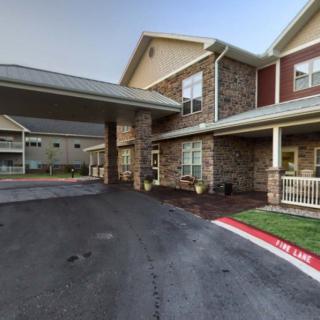
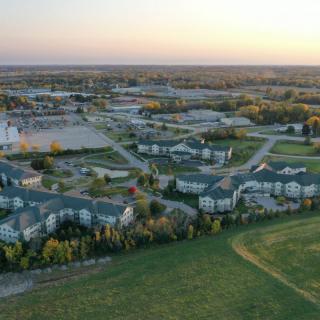
Balance Living Center is an assisted living community located in Racine, WI. Our facility provides board and care home services to ensure the comfort and well-being of our residents.

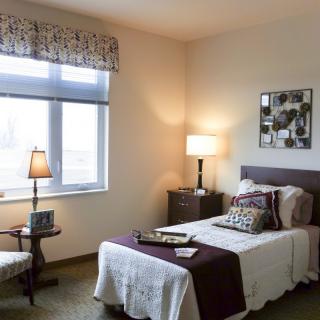
Our residents enjoy a fully furnished living environment with amenities such as a dining room, garden, and outdoor space. We also provide housekeeping services to maintain a clean and pleasant living environment for our residents.

At Balance Living Center, we understand the importance of staying connected in today's digital world. Therefore, we offer telephone services as well as Wi-Fi/high-speed internet for our residents to stay connected to their loved ones and the outside world.

Our dedicated staff are trained to assist with activities of daily living such as bathing, dressing, and transfers. We also coordinate with health care providers to ensure that our residents receive the necessary medical attention they require. Our staff are experienced in managing medications and special dietary restrictions, including diabetes diets.

Transportation is made easy for our residents as we arrange transportation for medical appointments. Additionally, there are numerous nearby cafes, parks, pharmacies, physicians, restaurants, theaters, and hospitals for our residents to enjoy and access.

At Balance Living Center, we strive to create a warm and welcoming community where our residents can thrive. Scheduled daily activities provide opportunities for social engagement and enrichment. With all these amenities and services available at our assisted living community in Racine, WI, we aim to provide a comfortable and fulfilling lifestyle for our residents.

Nearby Places of Interest

Located in Racine, Wisconsin, this area offers a variety of amenities suitable for senior living. With several parks nearby such as Racine Quarry Park and Lake Park, residents can enjoy peaceful walks and outdoor activities. In terms of healthcare, there are numerous pharmacies and medical facilities within close proximity, including Wheaton Franciscan Healthcare - All Saints Hospital. Additionally, there are various dining options ranging from fast food chains like McDonald's to local favorites like O&H Danish Bakery. For those seeking spiritual fulfillment, there are multiple places of worship available such as St Stephen's Catholic Church and Lakeside Lutheran Church. Overall, this area provides a well-rounded community with convenient access to essential services and recreational opportunities for seniors.

Parks

  • Racine Quarry Park (0.6 miles)
  • Racine Lakefront Parkway (3.4 miles)
  • Lake Park (4.6 miles)
  • Petrifying Springs Park (6.8 miles)

Pharmacies

  • Walgreens (0.7 miles)
  • Ascension Rx - Racine Pharmacy (1 miles)
  • Walgreens (1.8 miles)
  • Walgreens (1.8 miles)
  • Nutritional Designs & Pharmacy (1.9 miles)
  • CVS Pharmacy (2 miles)
  • Aurora Pharmacy (2 miles)

Physicians

  • Neurological Clinic (0.9 miles)
  • GI Associates (0.9 miles)
  • Eye Clinic Of Racine (0.9 miles)
  • Spring Street Medical Offices (1 miles)
  • All Saints Pediatrics (1 miles)
  • Atrium At Wheaton Franciscan (1.1 miles)
  • Rudy Byron, MD (1.2 miles)

Hospitals

  • Wheaton Franciscan Healthcare - All Saints (1 miles)
  • R M Lakeshore Investments (3 miles)
  • Reach Unlimited (3.1 miles)
  • St Luke's Sleep Center (3.2 miles)
  • Wheaton Franciscan Healthcare-All Saints (3.2 miles)
  • Mental Health Service-st Lukes (3.2 miles)
  • Aurora Quick Care (7.9 miles)

Restaurants

  • McDonald's (1.9 miles)
  • Burger King (1.9 miles)
  • Chick-Fil-A (1.9 miles)
  • Taco Bell (1.9 miles)
  • O&H Danish Bakery (2 miles)
  • Jose's Blue Sombrero Restaurant & Cantina (2.2 miles)
  • McDonald's (2.3 miles)

Cafes

  • Wilson's Coffee & Tea (2 miles)
  • Starbucks (6.1 miles)
  • The Coffee Pot (10.7 miles)
  • Harborside Common Grounds (10.9 miles)

Theaters

  • Renaissance Cinema Sturtevant, Wi (4.5 miles)

Places of Worship

  • St Stephen's Catholic Church (9.3 miles)
  • Lakeside Lutheran Church (10 miles)
  • Holy Rosary Parish (10.3 miles)

Frequently Asked Questions

Where is Balance Living Center?

Nearby Communities

Related Resources

  • assisted living vs memory careAssisted Living and Memory Care: Understanding Their Core Differences

    Assisted living provides moderate support for seniors seeking independence, while memory care offers specialized support for individuals with dementia or cognitive impairments through structured routines and trained staff. Key differences include care approaches, environment security measures, staff training levels, activity types, and cost considerations.

  • assisted living activitiesBeyond the Bingo Hall: 50+ Enriching Activities for Seniors in Assisted Living

    Assisted living communities offer diverse activities beyond traditional games to enhance seniors' physical health, cognitive well-being, emotional enrichment, and social connections, including fitness classes, creative expression, and intergenerational interactions. These enriching programs foster community bonds and support residents' independence and happiness.

  • assisted living vs memory careUnderstanding the Distinctions: Assisted Living and Memory Care Explained

    The article differentiates between assisted living and memory care, explaining that assisted living supports seniors with daily activities while promoting independence, whereas memory care provides specialized services for individuals with dementia, focusing on secure environments and cognitive support. It also addresses staff training, safety considerations, costs, family involvement, and transition strategies for families navigating these care options.