

1775 N. Newman Road Mt Pleasant Village, Racine, WI 53406
To contact a resident: (262) 886-3333
For more information about senior living options: (866) 208-4318

Overall Review of Primrose Retirement Racine
Pros
 The mother lives there and absolutely loves it.
- The staff are outstanding.
- There is no better senior living option.
- Primrose staff are exceptional across all services.
- The Mt Pleasant facility is sparkling clean.
- Maintenance responds promptly to every request.
- The dining at Primrose is among the best.
- Care and services are delivered with tender-hearted kindness.
- Residents say this is living.
- The staff go above and beyond on a routine basis.
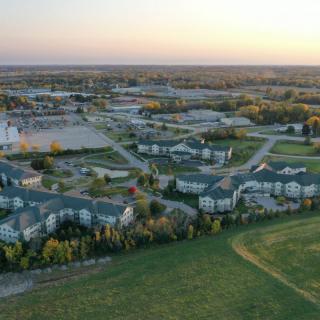
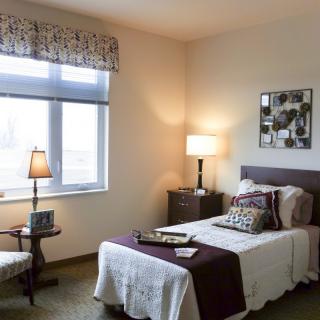
- Primrose offers a small, home-like setting for residents.
- Weekly ice cream socials provide enjoyable treats.
Cons
 Some of the CNSs are lazy and sit down a lot, and don’t care for the residents.
- The kitchen director is very young, jokes a lot, and doesn’t care about the food he puts on the menu; he needs to be more mature and stop with the foolishness.
- Some of the food is terrible and highly processed.
- The meals are not hot when served and the menu changes very little, with cabbage soup served for lunch recently.
- The facility is always short-staffed.
- There is not a memory care unit at this location to provide that care.
- The reviewer would not recommend until there is better caring staff and a better kitchen director.
- There are complaints about food by some residents at dinner and some clickish behavior among residents.
Review
Primrose Retirement Racine is best suited for seniors who want a small, home-like community where staff attention feels personal and the social calendar keeps life engaging. This is a setting for residents who value dependable, hands-on care, frequent interaction with staff, and a robust slate of daily and weekend activities. Families seeking peace of mind through consistent, compassionate support will find that hallmark here: a place where residents often describe “this is living,” with frequent opportunities to socialize, dine together, and stay involved in outings and events. It works well for those who can thrive in a close-knit milieu and don’t require a dedicated memory-care unit.
That said, some families may want to consider alternatives. For residents who will eventually need memory-care specialized programming and a secured unit, Primrose’s Racine location does not offer a memory-care wing, which can necessitate transitions later on. Likewise, those who place a premium on uniformly exceptional dining quality or who expect a consistently high-energy kitchen leadership team may want to compare menus and kitchen oversight more closely. Finally, families prioritizing a larger campus with a broader continuum of medical services or a fixed, formalized nursing schedule may find other providers more aligned with those expectations.
The strongest, most consistently compelling pro is the staff. Across nursing, kitchen, cleaning, maintenance, and administration, reviewers repeatedly describe teams that go above and beyond, delivering tender-hearted care and reliable responsiveness. Maintenance responsiveness is notable, with even small repairs handled promptly, and the cooking/dining team earns frequent praise for warmth, attentiveness, and the social vitality it brings to meals. The residence itself often feels sparkling clean, well-kept, and safe; residents benefit from a veritable network of helpers who know them by name and anticipate needs, creating a sense of security that families prize.
Yet the reviews do reveal tangible headwinds. A subset of experiences notes inconsistent dining outcomes, with some meals described as highly processed or not hot, and a perception that the kitchen leadership is uneven in maturity and commitment. Staffing levels can be variable, and a few comments point to moments when care staff or CNSs did not meet expectations for attentiveness. Most importantly for families weighing the long-term plan, there is no memory-care unit onsite, which means a transition would be needed if memory-related needs escalate. These gaps do not erase the positive caregiving culture, but they do matter for decision-making.
Those strengths partially offset the drawbacks, especially for families prioritizing intimate setting, staff rapport, and a lively, inclusive social life. The small-house feel, coupled with a 7-days-a-week activity calendar and opportunities to enjoy meals in a social dining room or in an apartment, creates a vibrant daily rhythm that’s hard to match in larger communities. The transportation van and the diverse activities, from films and ice cream socials to card games and outings, support sustained engagement and can delay the perception of “aging in place” fatigue. In essence, the care excellence and community warmth often compensate for dining fluctuations and the absence of memory-care options, making Primrose Racine a compelling choice for many.
For families moving forward, the plan is practical: arrange a campus visit with meals in the dining room to assess consistency, meet the leadership team, and ask pointed questions about staffing patterns and memory-care alternatives in the area. Observe how staff interact with residents during activities, and request a candid tour of nursing and support services to gauge responsiveness. Consider proximity to family for regular involvement and the pace at which residents become integrated into social life. Primrose Racine delivers a strong, hands-on, community-first option for aging in place, especially when a home-like atmosphere and dedicated staff are the primary criteria; for memory care and dining consistency, it warrants careful comparison with alternatives before finalizing a choice.
 Assisted Living
 Independent Living
 Activities on-site
 Devotional services off-site
 Indoor common areas
 General Mitchell International (14 miles away)
 Ambulatory care
 Diabetic care
 Meals provided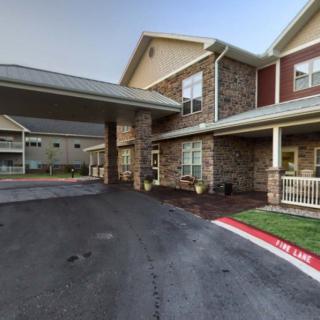


 Medicare Coverage for Assisted Living: An In-Depth Exploration
 Choosing the Right Senior Care: A Detailed Exploration of Assisted Living and Nursing Homes
 Understanding the True Cost of Assisted Living in 2025: A Comprehensive Guide