Ascension Living Lakeshore at Siena Costs & Pricing
Ascension Living Lakeshore at Siena offers competitive monthly rates for its residents, particularly when compared to the broader market in Racine County and across Wisconsin. For those seeking a semi-private room, the cost is an attractive $2,500, significantly lower than the county average of $3,800 and the state average of $3,977. Private room accommodations are available for $4,000, which again is more economical than Racine County's average of $5,081 and aligns closely with the state average of $4,339. However, for studio apartments, the pricing diverges considerably; at $6,878 per month, it exceeds both local and state averages of approximately $3,962 and $3,999 respectively. This pricing structure reflects a commitment to providing quality living options while remaining mindful of budgeting constraints for residents.
Floor plans
Ascension Living Lakeshore at Siena
Racine County
Wisconsin
Semi-Private
$2,500
$3,800
$3,977
Private
$4,000
$5,081
$4,339
Studio
$6,878
$3,962
$3,999
Memory care communities with a similar price nearby
Overall Review of Ascension Living Lakeshore at Siena
common9 reviews mention this
Dining can be hit or miss
Food quality is frequently mentioned, with some residents saying meals are enjoyable and others reporting temperature issues.
Many residents and visitors comment on the meals, often describing them as tasty, enjoyable, or delicious. A few also describe temperature problems, including meals being served cold and needing to be sent back. Overall, dining experience shows up repeatedly in day-to-day feedback, even when care feedback is mixed.
caveat2 reviews mention this
Memory care activities vary
Memory care programming is sometimes described as engaging, but there are also gaps when an activities role is unfilled.
One memory care review describes stimulating programming designed to support residents with memory loss. Another mentions the activities director leaving without a replacement yet, which points to a possible interruption in structured engagement. Together, residents’ experiences suggest activities depend on staffing coverage.
common7 reviews mention this
Residents report cleanliness often
Clean rooms and a clean facility are mentioned often, including comments that residents’ spaces look neat.
Several reviews highlight cleanliness, describing the facility as clean, rooms as neat, and the environment as well kept. A reviewer also contrasts this with concerns about care, noting that something can look clean while other aspects do not. Still, for many families, cleanliness is a consistent point of reassurance.
caveat8 reviews mention this
Safety and care concerns in reviews
A recurring concern in multiple reviews involves safety and whether care and supervision meet expectations.
Several reviews raise serious issues such as falls, neglect, and inadequate assistance, including reports that call lights weren’t answered and residents weren’t properly cared for. Others describe problems around feeding support, bathing, and monitoring, particularly within the memory care context. While there are also positive care reviews, the negative themes are strong enough to stand out repeatedly.
How we summarize
Counts show how many written reviews mention each theme; a review can touch several themes, and only frequently mentioned themes are displayed.
Features
Types of Care
Memory Care
Amenities
Activities off-site
Activities on-site
Air-conditioning
Bath tubs
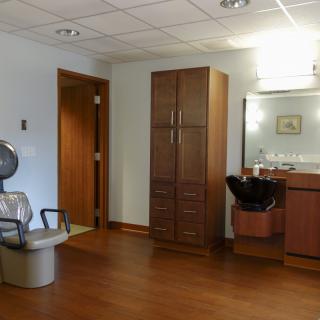
Beautician on-site
Devotional services on-site
Handicap accessible
Indoor common areas
Outdoor common areas
Respite or short term stays offered
Wheelchair accessible showers
Wi-Fi/high-speed internet available
Transportation
General Mitchell International (12 miles away)
Care Services
Diabetic care
Incontinence care
Medication management
Dining
Anytime dining
Low / no sodium
Meals provided
No Sugar
Restaurant style dining
Special dining programs
Activities
Art classes
Brain fitness
Catholic services
Cooking classes
Day trips and outings
Devotional activities on-site
Educational speakers / life long learning
Live dance or theater performances
Live musical performances
Trivia games
Nearby Places of Interest
This part of Racine, Wisconsin offers convenient access to essential services such as pharmacies, restaurants, physicians, hospitals, cafes, and places of worship. With multiple Walgreens locations nearby and various dining options including fast food chains and specialty restaurants like Reefpoint Brew House and Unico, residents have a range of choices for their daily needs. The proximity to reputable healthcare providers like Aurora Health Care and Wheaton Franciscan Healthcare ensures easy access to medical care. Additionally, there are parks within a short driving distance for outdoor recreation and relaxation. Transportation options are also readily available with the Milwaukee Mitchell International Airport just over 12 miles away. Overall, this area provides a well-rounded environment for senior living with convenient amenities and services nearby.
Pharmacies
Walgreens (1.3 miles)
Walgreens (3.4 miles)
Walgreens (4.4 miles)
Ascension Rx - Racine Pharmacy (4.8 miles)
Walgreens (4.8 miles)
CVS Pharmacy (5.4 miles)
Walgreens (5.8 miles)
Restaurants
McDonald's (1.3 miles)
Culver's (1.5 miles)
McDonald's (2.7 miles)
Reefpoint Brew House (4.4 miles)
Unico (5.8 miles)
Burger King (6 miles)
Chick-Fil-A (6 miles)
Physicians
Aurora Health Care (1.3 miles)
Rudy Byron, MD (4 miles)
Neurological Clinic (4.6 miles)
GI Associates (4.6 miles)
Eye Clinic Of Racine (4.6 miles)
MyEyeDr. (4.7 miles)
Atrium At Wheaton Franciscan (4.8 miles)
Parks
Racine Quarry Park (3.7 miles)
Racine Lakefront Parkway (5.6 miles)
Lake Park (7.6 miles)
Runway Dog Exercise Area (10.5 miles)
Petrifying Springs Park (10.8 miles)
Hospitals
Wheaton Franciscan Healthcare - All Saints (4.8 miles)
Ascension Living Lakeshore at Siena offers competitive monthly rates for its residents, particularly when compared to the broader market in Racine County and across Wisconsin. For those seeking a semi-private room, the cost is an attractive $2,500, significantly lower than the county average of $3,800 and the state average of $3,977. Private room accommodations are available for $4,000, which again is more economical than Racine County's average of $5,081 and aligns closely with the state average of $4,339. However, for studio apartments, the pricing diverges considerably; at $6,878 per month, it exceeds both local and state averages of approximately $3,962 and $3,999 respectively. This pricing structure reflects a commitment to providing quality living options while remaining mindful of budgeting constraints for residents.
Ascension Living Lakeshore at Siena enhances the quality of life for residents with dementia or Alzheimer's through comprehensive services such as medication management, incontinence care, and brain fitness programs. Medication management ensures that residents receive the correct dosages at the right times, minimizing confusion and potential adverse effects associated with mismanagement, which is crucial for maintaining their health and stability. Incontinence care provides compassionate support that respects residents' dignity while addressing a common issue many face, allowing them to focus on their daily activities without added stress or embarrassment. Additionally, brain fitness programs are designed to stimulate cognitive function through engaging activities that promote mental agility, helping to slow down cognitive decline and enhance overall well-being in a comforting environment tailored to their needs.
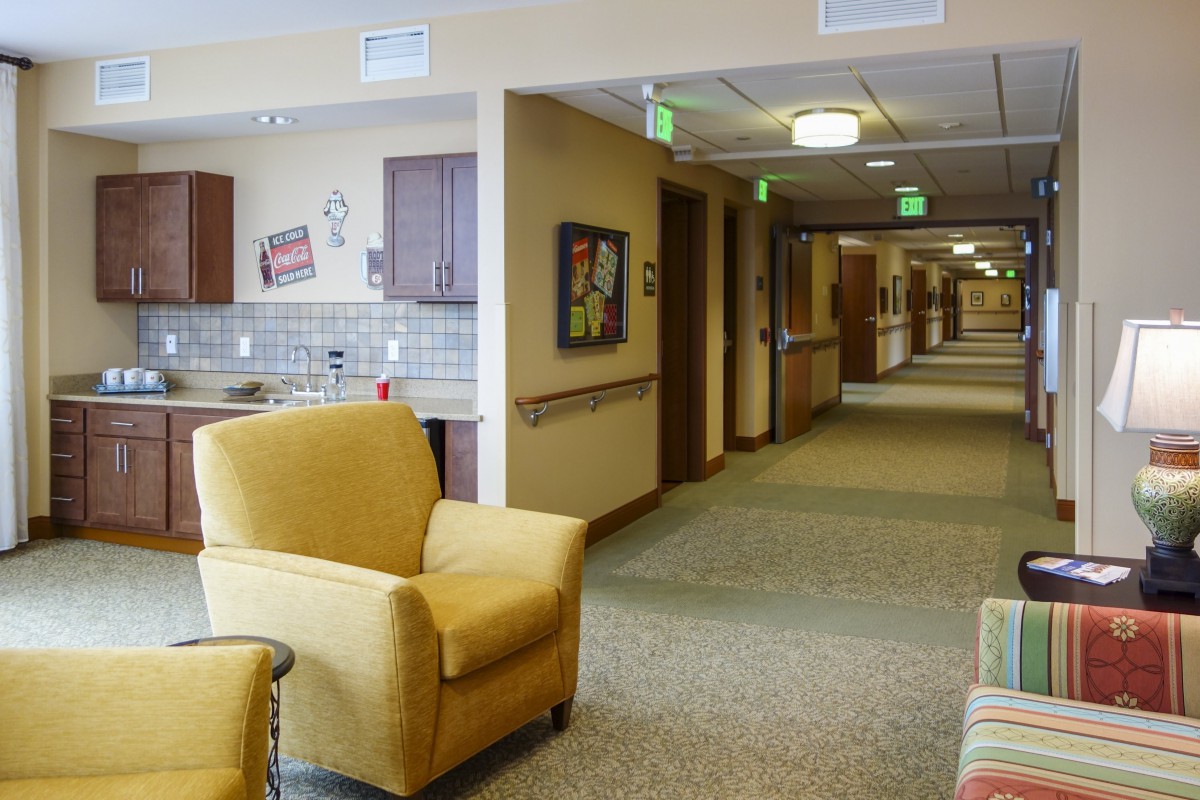
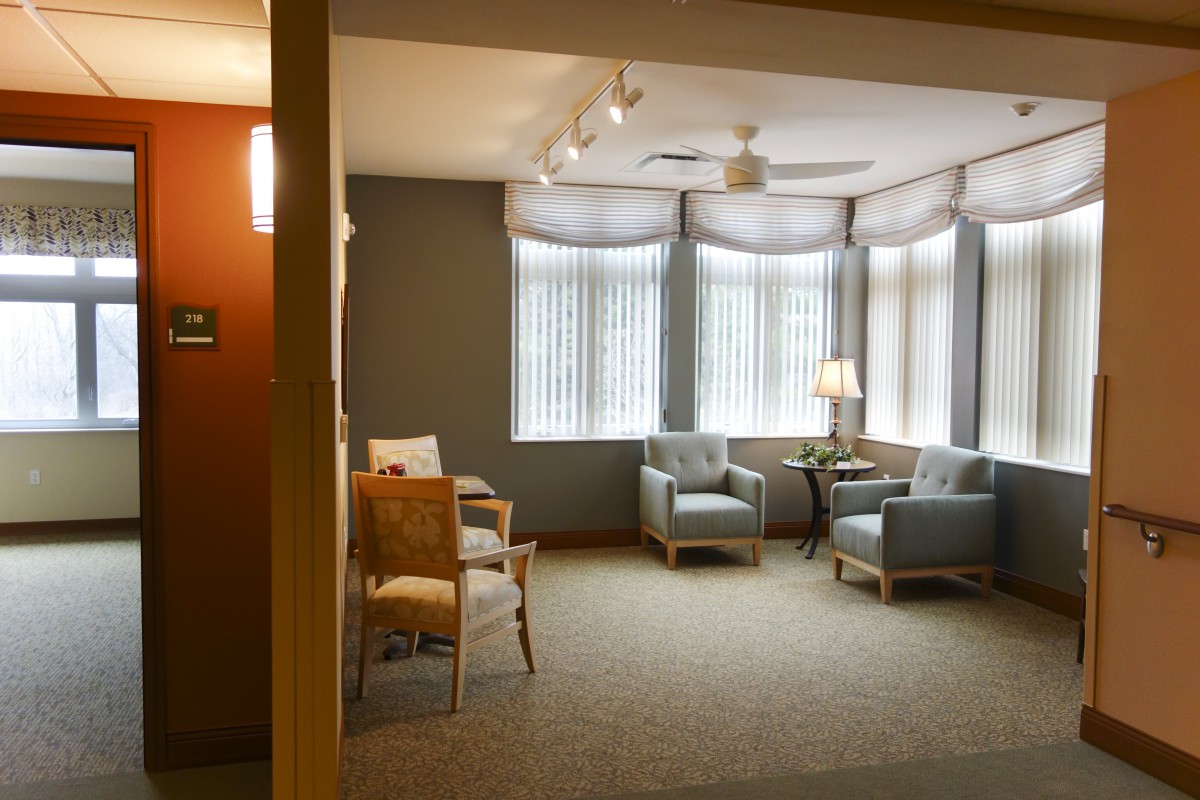
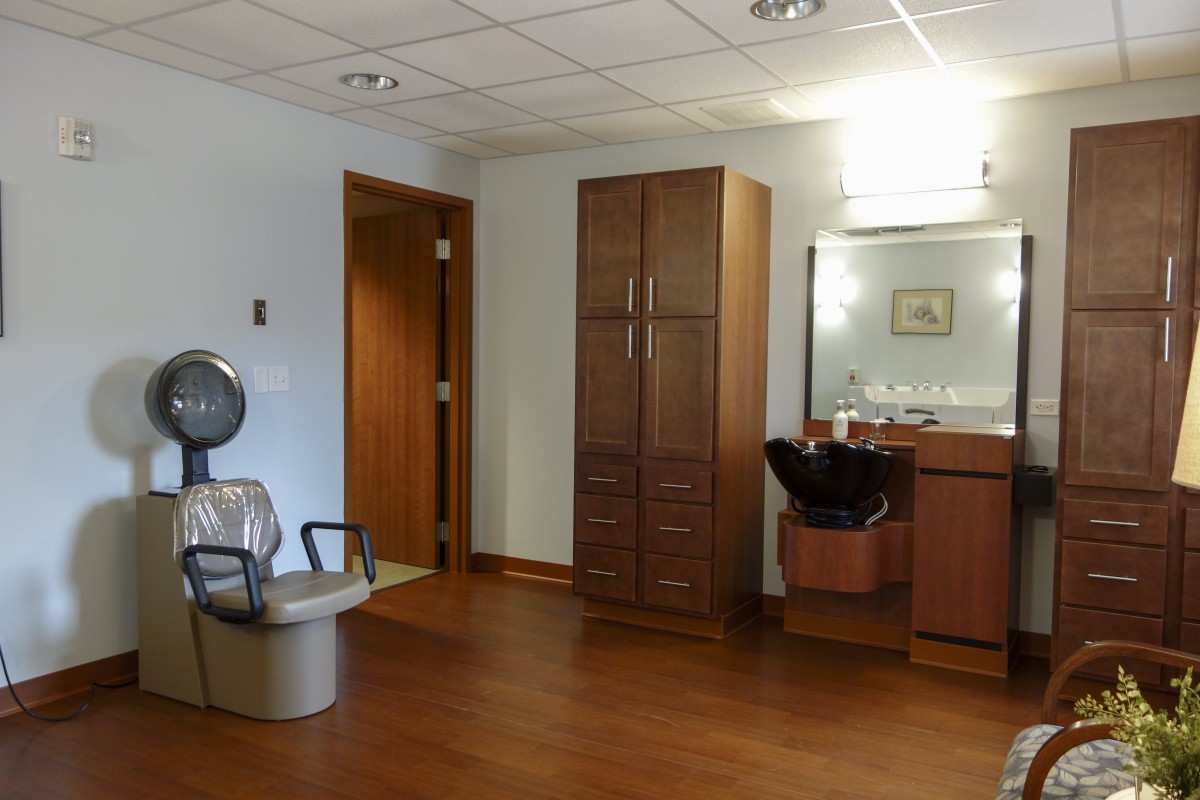
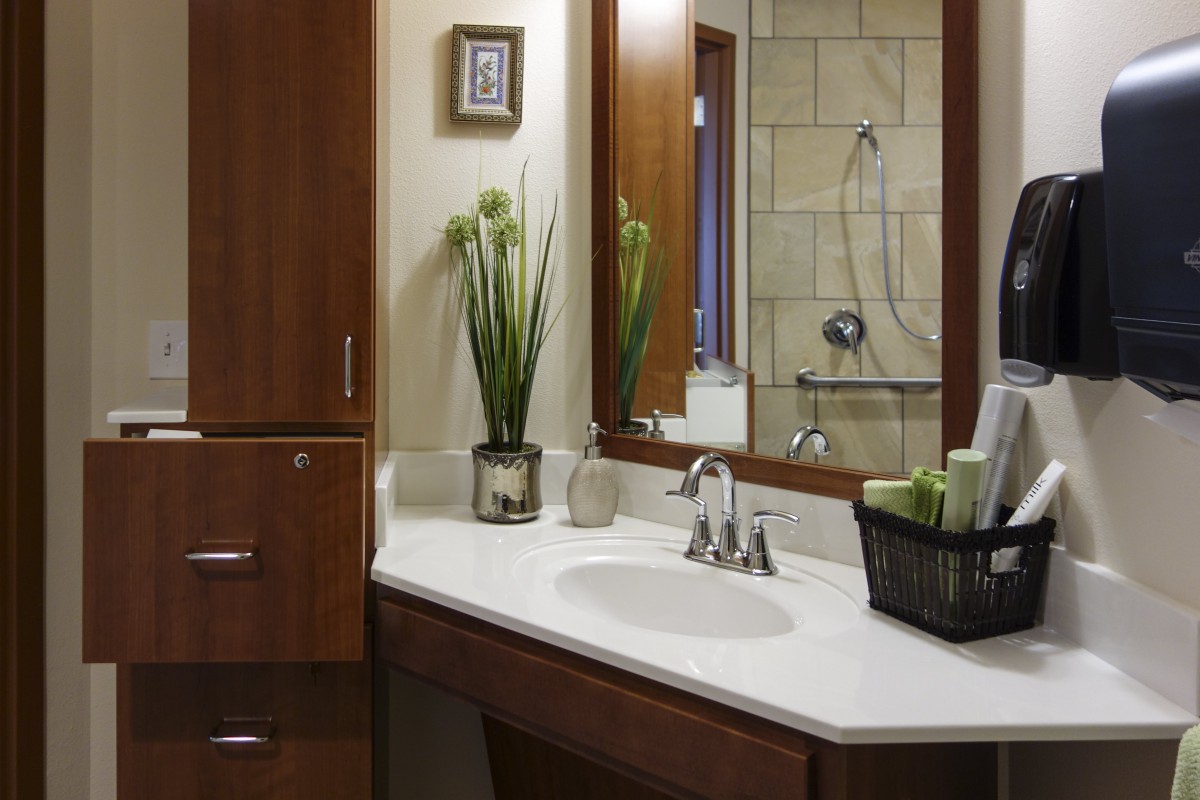
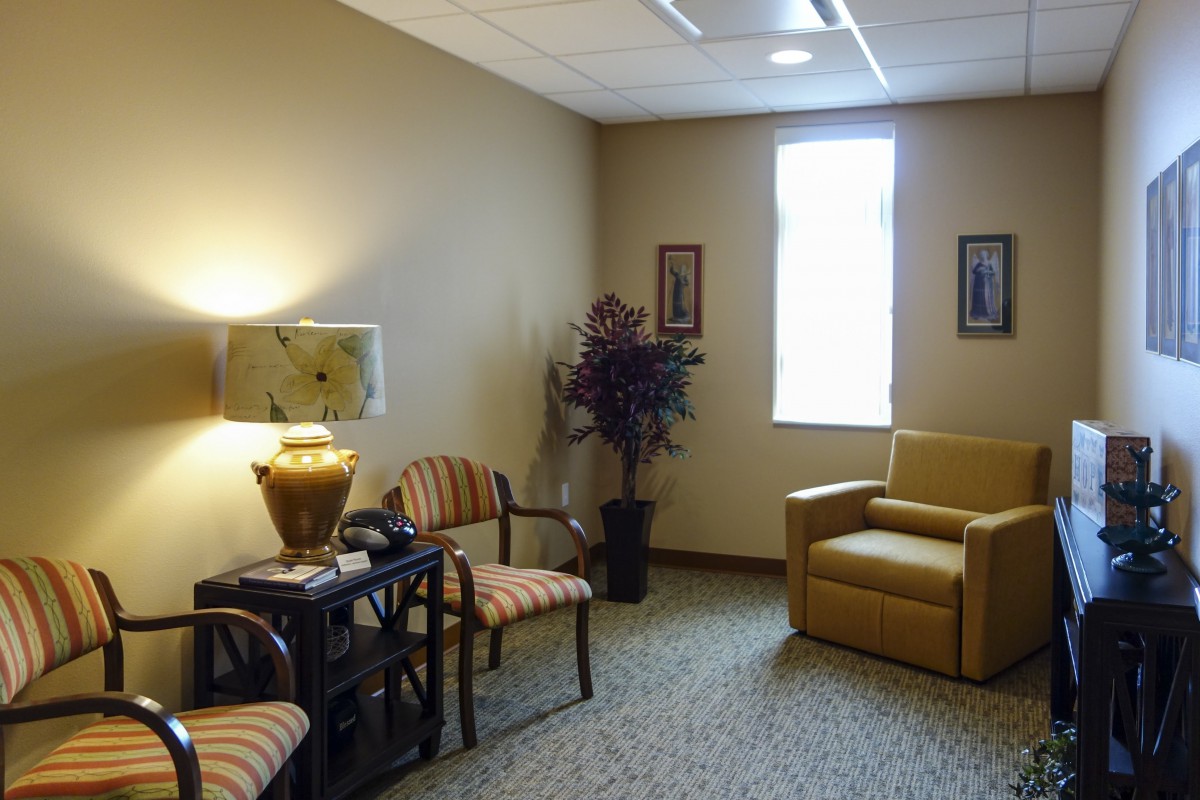
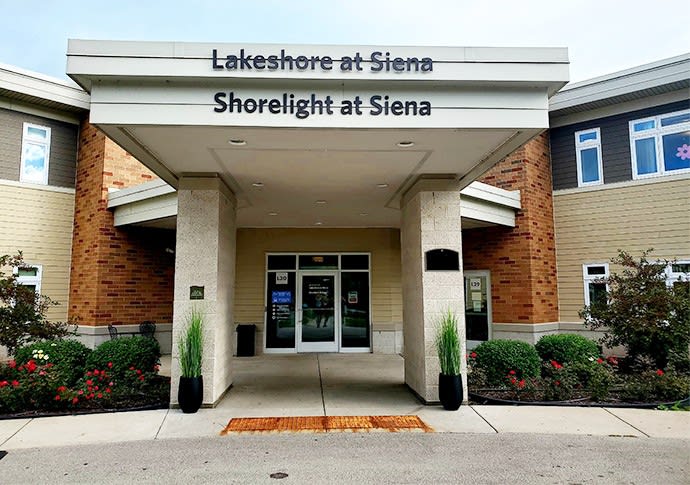
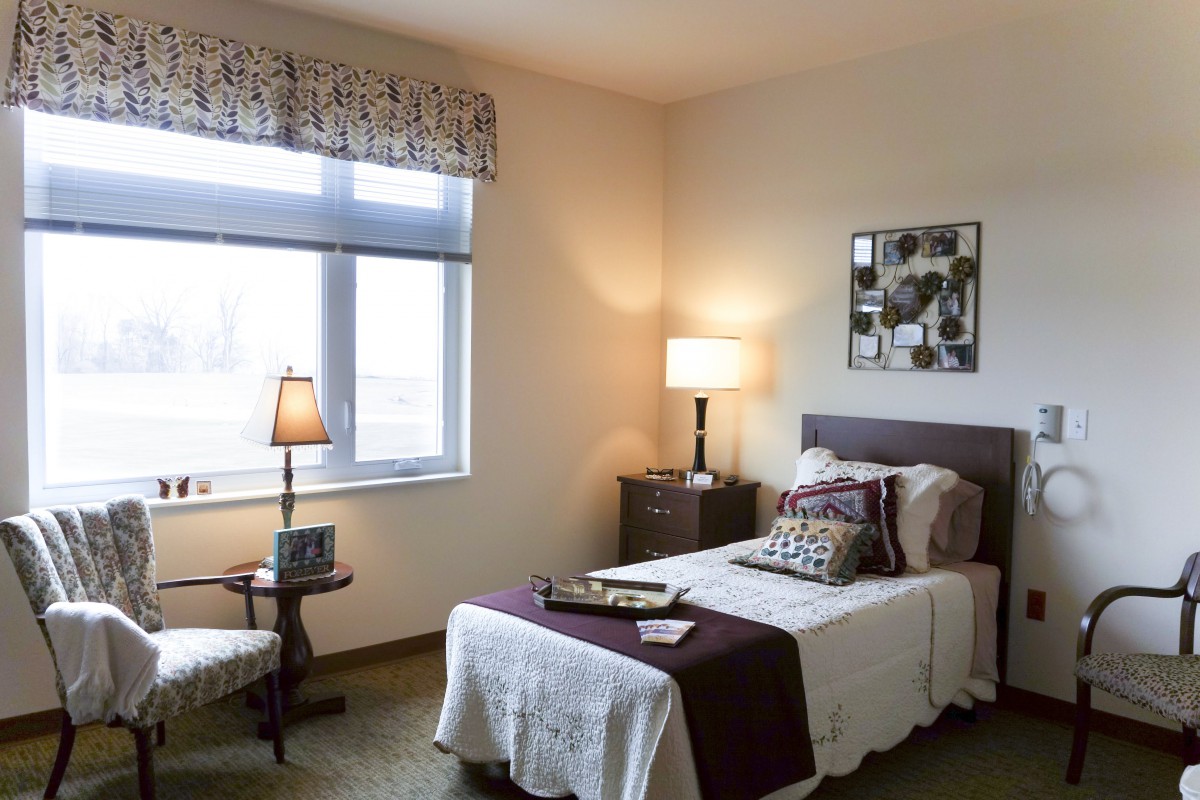
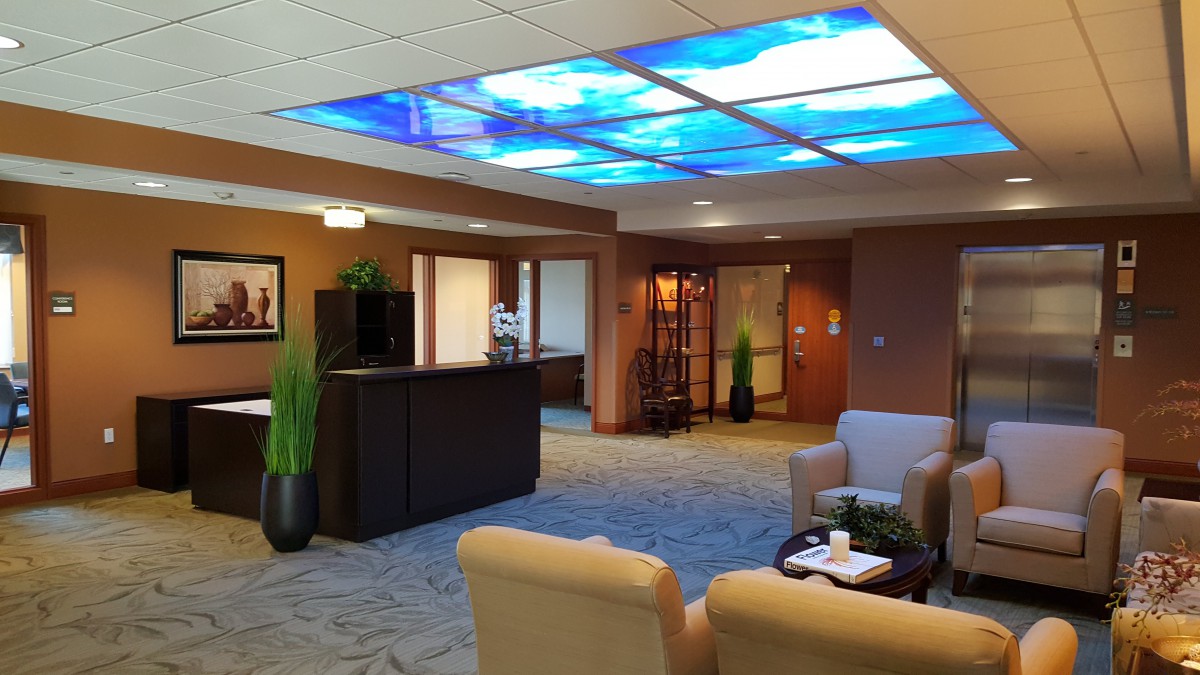
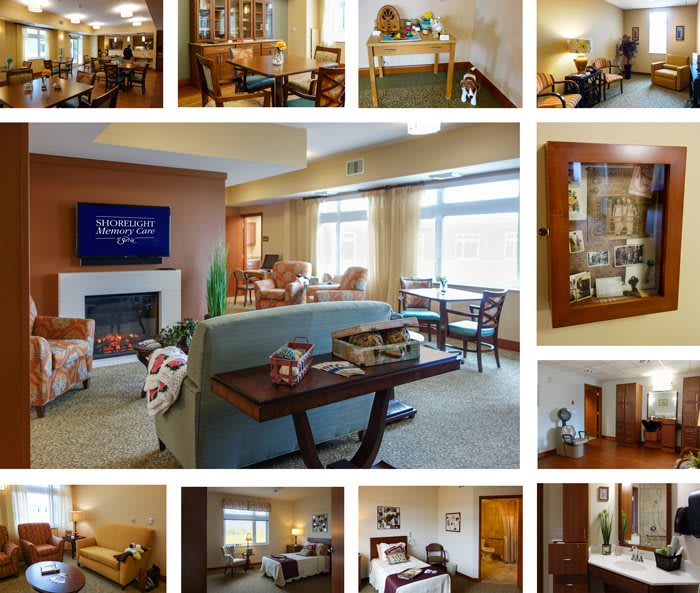
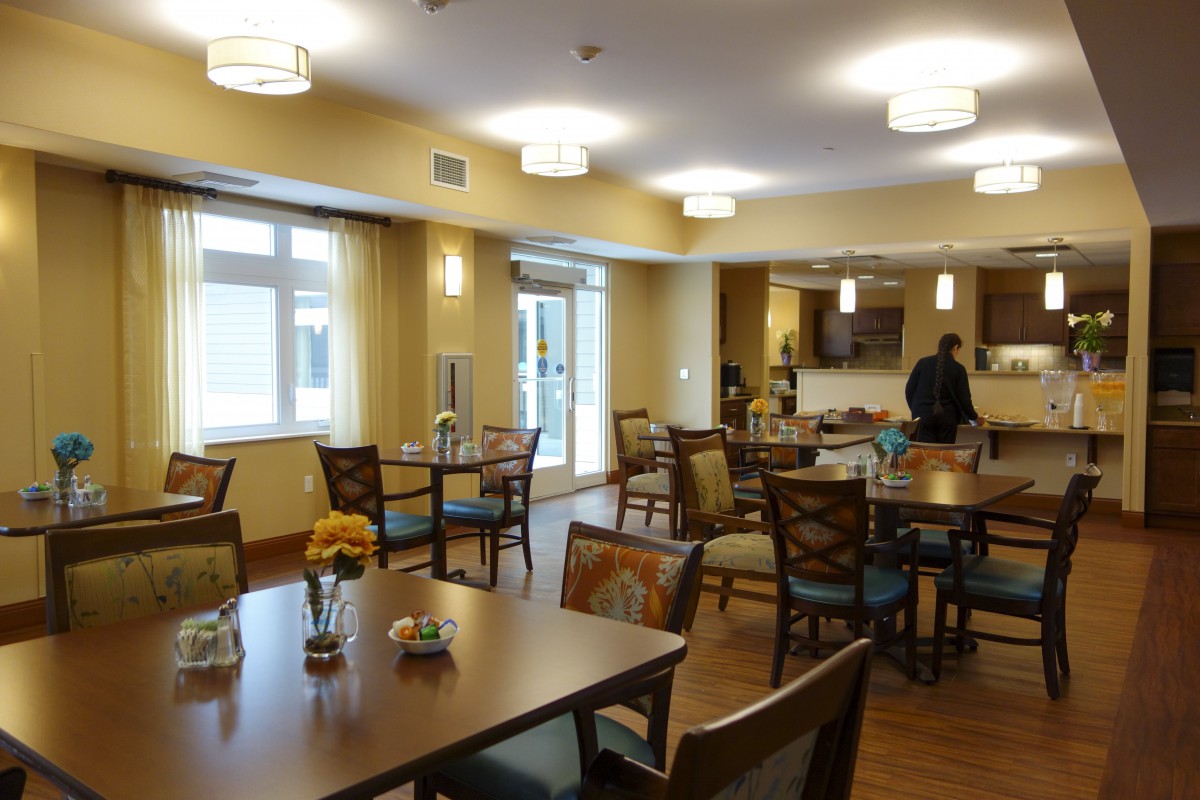
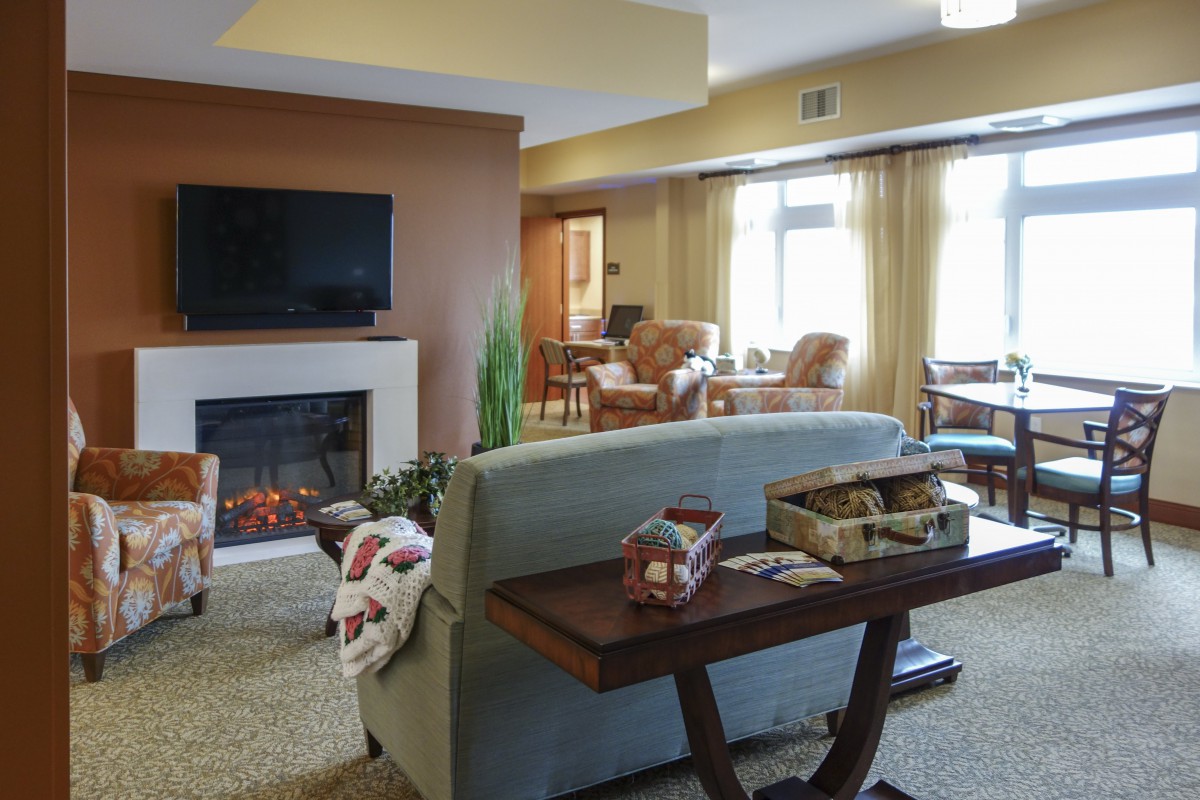
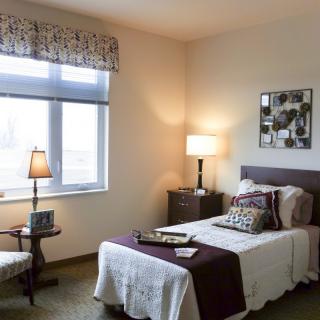
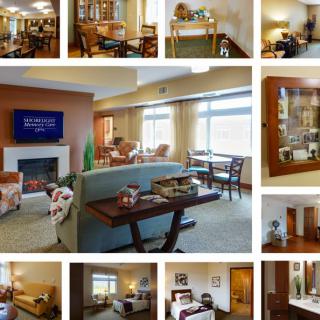
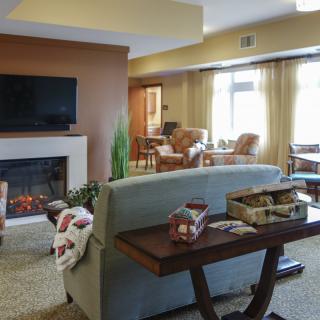
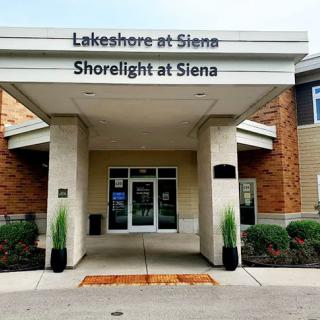
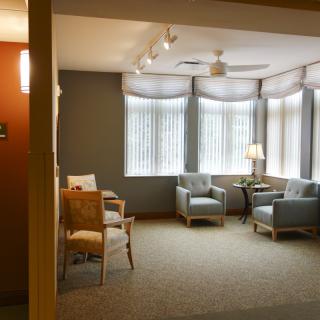
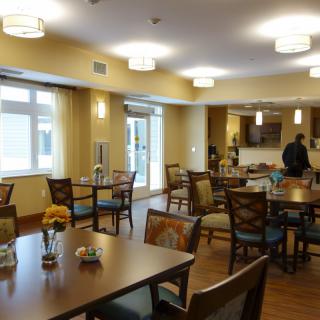
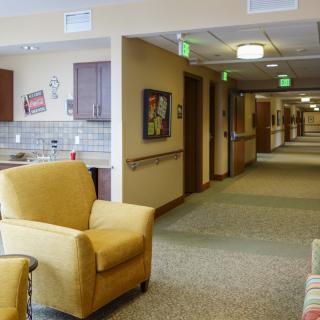
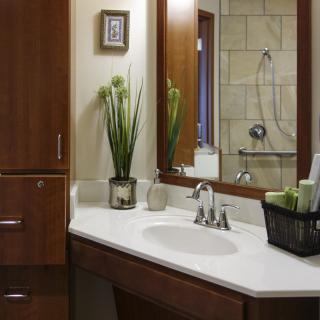
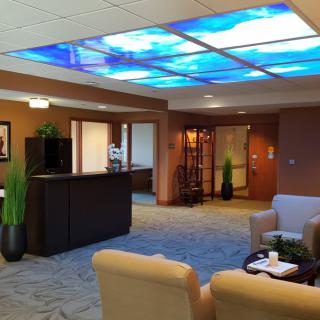
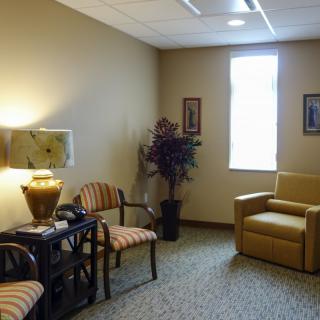
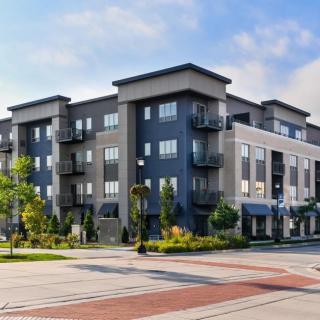
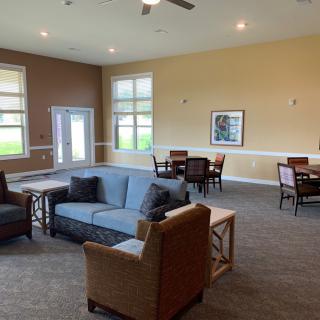
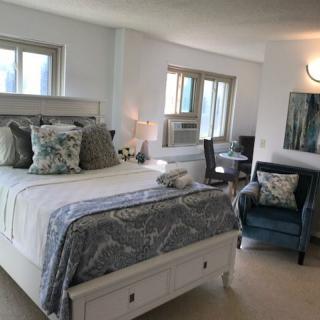
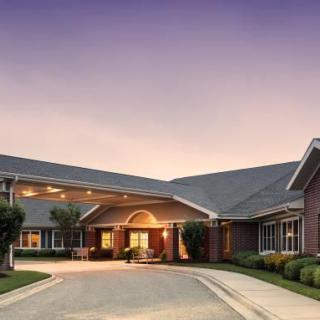
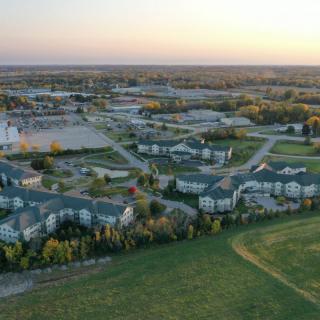
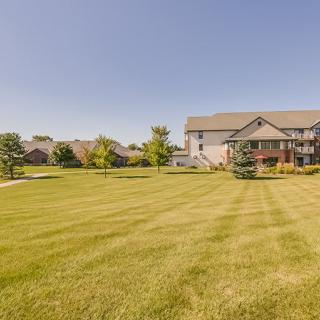
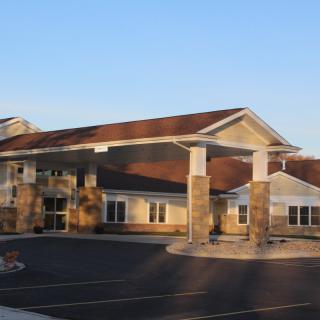
Ascension Living Lakeshore at Siena on seniors.fyi includes 12 photos including images showing interior, decor, windows, living room, bedroom, fireplace, dining, lighting, and more.
Nearby Communities
Ascension Living - Lakeshore At Siena
Racine, WI
4.5 from 100 reviews
24/7 nursing support in an amenity-rich, activity-focused setting.
Shore Light Memory Care (Community Based Residential Facility)
Racine, WI
3.3 from 3 reviews
Specialized memory care with 24/7 supervision and personalized services.
The Woods of Caledonia
Racine, WI
4.2 from 73 reviews
$2,895 to $3,885 / month
Friendly, attentive staff in a clean, engaging community.
Alpha Homes Of Wisconsin VII
Racine, WI
3 from 5 reviews
Comprehensive care with healthcare coordination and diabetes-friendly dining.
Walk With Me
Racine, WI
5 from 1 review
Specialized memory care with 24/7 supervision and coordinated transportation.
Wind Point Villa Adult Family Home
Racine, WI
5 from 3 reviews
Intimate, personalized care in a furnished, small-group setting.
Parkview Gardens
Racine, WI
4.1 from 52 reviews
$4,150 to $5,270 / month
Compassionate staff delivering personalized care.
Meadowmere Oak Creek
Oak Creek, WI
4.5 from 79 reviews
$1,950 to $5,155 / month
Engaging activities and caring staff.
Oak Park Place - Oak Creek
Oak Creek, WI
4 from 79 reviews
$4,600 to $6,400 / month
Friendly, responsive staff with engaging activities in a clean, well-kept setting.
The article examines the link between certain medications and increased dementia risk, particularly in older adults, emphasizing that long-term or high-dose use of anticholinergics, benzodiazepines, and other drug classes can exacerbate cognitive impairment. It calls for careful medication evaluation and shared decision-making to mitigate these risks while managing treatment efficacy.
The article emphasizes the significance of establishing a power of attorney for elderly parents to enable an agent to make decisions on their behalf regarding health and finances, especially during cognitive or physical decline. It outlines various types of power of attorney, the importance of consulting legal professionals, and the responsibilities and challenges faced by agents, while also discussing alternatives and common misconceptions.
Caregiver support groups are crucial for providing emotional and practical assistance to those caring for loved ones, offering resources, coping strategies, and a sense of community through various organizations and platforms. These groups help alleviate isolation and burnout while addressing the unique challenges faced by caregivers of individuals with specific conditions.
Get PricingAsk A QuestionSchedule A TourContact Senior Advisor
By clicking submit, you agree to our Partner's Terms of Use. You
also consent to receive calls and texts, which may be autodialed, from our Partner. Your consent is not a condition to
using our Partner's service. Please visit our Partner's Privacy Policy for information about their privacy practices.




 Memory Care
 Activities off-site
 Air-conditioning
 Bath tubs
 Beautician on-site
 Devotional services on-site
 Handicap accessible
 Indoor common areas
 Outdoor common areas
 Respite or short term stays offered
 Wheelchair accessible showers
 Wi-Fi/high-speed internet available
 General Mitchell International (12 miles away)
 Diabetic care
 Incontinence care
 Medication management
 Anytime dining
 Art classes
 Brain fitness
 Catholic services
 Cooking classes
 Day trips and outings
 Educational speakers / life long learning
 Live dance or theater performances
 Live musical performances
 Trivia games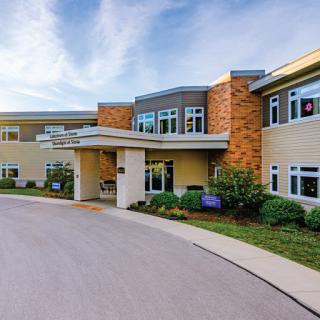
 24/7 nursing support in an amenity-rich, activity-focused setting.
 Medications Associated with Dementia Risk: A Comprehensive Overview
 Guiding Your Journey: Understanding Power of Attorney for Elderly Parents
 22 Remarkable Caregiver Support Groups Available Online and In-Person