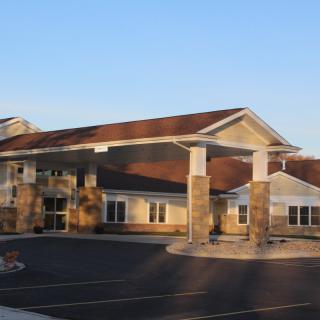
Shore Light Memory Care (Community Based Residential Facility)

5635 Erie Street, Racine, WI 53402

For more information about senior living options: (844) 490-3973

3.3 from 3 reviews
5 stars
1
4 stars
1
3 stars
0
2 stars
0
1 stars
1

Assisted Living Memory Care

Overall Review of Shore Light Memory Care (Community Based Residential Facility)

Pros

  • pro The physical therapist and the occupational therapist were amazing.
  • pro Mickey Kortendick was very pleased with the care at this facility.
  • pro The family would definitely recommend this facility.
  • pro The mother is comfortable and secure in her surroundings.
  • pro The staff is quick to accommodate families and adapt to residents' needs.
  • pro The facility is bright and full of activity on a daily basis.
  • pro The programming is stimulating and enjoyed by residents and their families.

Cons

  • pro There are ankle cuffs and dozens of lost, labeled socks.
  • pro Lockouts occur because no one answers the door buzzer or the telephone.
  • pro There appears to be only one sleepy staff member for the entire floor.
  • pro There is no answer at the main desk.
  • pro The reviewer states that the situation is not acceptable.

Review

Shorelight Memory Care presents a portrait of a facility that can inspire both concern and confidence, depending on the day and the moment you walk through its doors. One set of thoughts speaks to a troubling scene: a resident's family wrestling with access and communication in what feels like a strained moment of vulnerability. Ankle cuffs and dozens of lost, labeled socks hint at a pace and attention that may not always align with the needs of residents and their families. Doors and phones that go unanswered, a lone staff member on call for an entire floor, and an unresponsive main desk together form a memory of frustration. The sense of being locked out, literally and figuratively, underscores the reality that in this particular account, responsiveness and consistent staffing fell short of what was hoped for in a care environment. It's a stark reminder that experiences can vary and that accessibility is a critical part of quality care.

Amid that challenging experience, other voices offer a contrasting, hopeful narrative that highlights the strengths of Shorelight Memory Care. In the case of Mickey Kortendick, the facility's care left a lasting, positive impression. After a stay of roughly nine weeks, he came home with a sense of satisfaction and relief that his family shares. The physical therapy and occupational therapy he received stood out as particularly commendable, described as amazing by loved ones who witnessed his progress and well-being. For this family, the care they received wasn't just adequate; it was something they would actively recommend to others facing similar decisions.

Further testament to the facility's strengths comes from a long-term perspective: a mother or mother-in-law who has resided at Shorelight Memory Care for more than 16 months. The family reports being more than pleased with the care provided, emphasizing that their loved one is comfortable and secure in her surroundings. The consistency of visits is meaningful in memory care, and when concerns arise, the staff's willingness to accommodate and to adapt to evolving needs is highlighted as a key positive feature. This kind of responsiveness appears to be a cornerstone of trust built over time, reinforcing the sense that Shorelight can be a steady, reliable home for a loved one.

The environment itself is described as bright and lively, with daily activity that keeps residents engaged. The staff are praised not only for their kindness but for their compassion - traits that seem to be consistently recognized across different accounts. The ability of the team to be adaptable to the wide range of memory-related needs among residents is repeatedly noted, suggesting a culture that values personalization and humane care. In settings where memory loss presents unpredictable challenges, such adaptability can be as important as any clinical intervention.

Programming at Shorelight Memory Care receives especial attention in these reviews. The offerings are described as rich and varied, featuring music, art, dance, crafts, and even visiting canines. Such activities are portrayed as stimulating, not only for residents but for their families as well, who partake in or observe the activities with appreciation. The breadth of programming speaks to an understanding that engagement and meaningful activity can significantly impact quality of life for people living with memory loss, providing everyday moments of joy, expression, and connection.

A final thread in these testimonies centers on the dedicated team that many families credit with guiding their loved ones through the daily rhythms of life at Shorelight. The phrase Shorelight Angels embodies a sentiment of warmth, patience, and steady care that resonates with those who have observed the staff's interactions with residents. The sentiment that the staff lovingly care for and guide residents through their days reflects a deep appreciation for the human element of memory care - the gentle hands, the patient listening, and the consistent presence that can make a house feel like a home even as memory challenges evolve.

Taken together, the reviews present a facility with notable strengths in several areas: responsive, compassionate staffing; evidence of long-term satisfaction from families; engaging activities and programs that enrich daily life; and a location that offers the ambiance of a lakeside environment. However, they also remind us that care experiences can be uneven, and that responsiveness and visibility at the front desk and doorways matter deeply, especially for families navigating the uncertainties that come with memory care. The breadth of perspectives invites a balanced view: Shorelight Memory Care has the capacity to be a warm, comprehensive home for many residents, while confirming that ongoing attention to operations and communication remains essential to meet every family's hopes for their loved one.

Features

Housing

  • 36 resident community capacity 36 resident community capacity

Types of Care

  • Assisted Living Assisted LivingAssisted living facilities provide crucial support and care for seniors who may need help with daily tasks such as medication management, bathing, and meal preparation. These communities offer a safe and comfortable environment where seniors can maintain their independence while receiving the assistance they need to thrive in their golden years.
  • Memory Care Memory CareMemory care is crucial for seniors as it provides specialized support and services for individuals with dementia or Alzheimer's disease. These programs offer a safe and secure environment where residents receive personalized care, cognitive stimulation, and help with daily activities. Memory care helps seniors maintain their independence, quality of life, and dignity while also providing peace of mind for their families.

Amenities

  • Beauty salon Beauty salonBeauty salons are important for seniors because they provide a space for them to feel pampered, socialize, and maintain their personal grooming and hygiene. Regular visits to a beauty salon can help boost seniors' self-esteem and overall well-being.
  • Cable or satellite TV Cable or satellite TVCable or satellite TV is important for seniors because it provides entertainment, news, and companionship, helping to combat loneliness and boredom. It also offers a wide range of programming options tailored to different interests and preferences.
  • Dining room Dining roomDining rooms are important for seniors as they provide a space for socialization, connection, and nutritious meals. They offer opportunities for residents to bond over shared meals, foster a sense of community, and promote healthy eating habits. Dining rooms also ensure that seniors have access to well-balanced meals tailored to their dietary needs and preferences.
  • Fully furnished Fully furnishedFully furnished senior living communities are important for seniors because they provide convenience, comfort, and a hassle-free moving experience. Seniors can easily settle into their new living space without the stress of having to buy and move furniture. This allows them to focus on enjoying their new home and community.
  • Garden GardenGardens are important for seniors as they provide a peaceful and therapeutic environment for relaxation, physical activity, and socialization. Being in nature has been shown to reduce stress, improve mood, and promote overall well-being. Gardens also offer opportunities for seniors to engage in gardening activities, which can improve mobility, flexibility, and cognitive function. Additionally, gardens create a sense of community and connection with others who share a passion for plants and outdoor spaces.
  • Housekeeping services Housekeeping servicesHousekeeping services are important for seniors because they help maintain a clean and safe living environment, promote independence, and reduce the risk of accidents or illnesses. Additionally, having assistance with household chores can alleviate physical strain and allow seniors to focus on other aspects of their well-being.
  • Kitchenette KitchenetteKitchenettes are important for seniors living in senior living communities because they provide the convenience and independence of being able to prepare simple meals and snacks in the comfort of their own living space. This can help promote a sense of autonomy and well-being for seniors, allowing them to maintain some level of control over their dietary choices and daily routines.
  • Move-in coordination Move-in coordinationMove-in coordination is important for seniors because it helps ease the transition into their new living environment. It ensures that all logistics, such as packing, organizing movers, and setting up utilities are taken care of, allowing seniors to focus on settling in and adjusting to their new home. Having a smooth move-in process can alleviate stress and anxiety, making the transition smoother and more enjoyable for seniors.
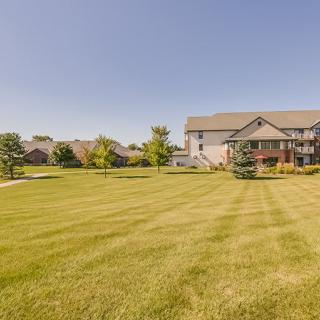
  • Outdoor space Outdoor spaceOutdoor spaces are important for seniors as they provide opportunities for physical activity, social interaction, exposure to natural light and fresh air, and a sense of connection to nature. Having access to outdoor spaces can improve overall well-being and quality of life for older adults living in senior communities.
  • Restaurant-style dining Restaurant-style diningRestaurant-style dining is important for seniors because it allows them to enjoy delicious, nutritious meals in a social and upscale setting. This enhances their dining experience, promotes healthy eating habits, and fosters socialization with fellow residents, ultimately contributing to their overall well-being and quality of life.
  • Small library Small librarySmall libraries are important for seniors as they provide access to a variety of reading materials, including books, newspapers, and magazines. This can help stimulate their minds, keep them engaged, and provide a sense of community through book clubs and other social activities. Additionally, reading has been shown to improve cognitive function and overall mental well-being in older adults.
  • Telephone TelephoneTelephones are important for seniors as they provide a lifeline for communication with loved ones, emergency services, and healthcare providers. They offer a sense of security and independence, enabling seniors to stay connected and access assistance when needed.
  • Wi-Fi/high-speed internet available Wi-Fi/high-speed internet availableWi-Fi/high-speed internet is important for seniors to stay connected with loved ones, access online resources, and participate in virtual activities to combat feelings of loneliness and isolation. It also allows them to easily manage healthcare needs, access entertainment, and engage in lifelong learning opportunities.

Transportation

  • General Mitchell International (12 miles away) General Mitchell International (12 miles away)

Care Services

  • 24-hour call system 24-hour call system24-hour call systems are important for seniors because they provide peace of mind and immediate assistance in case of emergencies. This technology ensures that help is always available, promoting safety and security for elderly individuals living alone or in assisted living facilities.
  • 24-hour supervision 24-hour supervision24-hour supervision is important for seniors to ensure their safety, well-being, and access to immediate assistance in case of emergencies or health issues. This constant support provides peace of mind for both seniors and their loved ones, allowing them to age in place with dignity and security.
  • Activities of daily living assistance Activities of daily living assistanceActivities of daily living assistance are important for seniors because they provide essential support with tasks such as eating, bathing, dressing, and mobility. This assistance helps seniors maintain their independence, dignity, and overall quality of life as they age.
  • Assistance with bathing Assistance with bathingAssistance with bathing is crucial for seniors as it helps maintain personal hygiene, prevents infections, and ensures their overall well-being and comfort. It also provides a sense of dignity and independence for seniors who may struggle with this task on their own.
  • Assistance with dressing Assistance with dressingAssistance with dressing is important for seniors because it helps maintain their independence, promotes personal hygiene, prevents accidents and injuries, and improves overall quality of life. This service ensures that seniors can continue to dress comfortably and confidently, despite any physical limitations they may have.
  • Assistance with transfers Assistance with transfersAssistance with transfers is crucial for seniors as it helps prevent falls and injuries, maintains their independence, and ensures they can safely navigate their living environment. It also provides peace of mind for both seniors and their loved ones.
  • Diabetes diet Diabetes dietA diabetes diet is crucial for seniors as it helps manage blood sugar levels, reduce risks of complications, and improve overall health and well-being. By following a balanced and nutritious diet tailored to their specific needs, seniors can better control their diabetes and enhance their quality of life.
  • Meal preparation and service Meal preparation and serviceMeal preparation and service are crucial for seniors as they may have limited mobility or energy to cook nutritious meals. Having access to healthy and convenient food options can ensure they are getting the proper nutrition needed to maintain their overall health and well-being.
  • Medication management Medication managementMedication management is crucial for seniors to ensure they are taking the right medications at the correct dosages and times. This helps prevent adverse drug interactions, reduces the risk of medication errors, and promotes overall health and well-being. Proactive management also allows for adjustments as needed based on changing health conditions or new prescriptions.
  • Mental wellness program Mental wellness programMental wellness programs are essential for seniors as they promote cognitive stimulation, emotional support, and social engagement. These programs help prevent isolation, depression, and cognitive decline, ultimately enhancing the overall quality of life for older adults.
  • Mild cognitive impairment Mild cognitive impairment"Mild cognitive impairment" is important for seniors because it is an early stage of cognitive decline that can potentially progress to more severe conditions such as dementia. Recognizing and addressing mild cognitive impairment can help seniors receive appropriate care and support to maintain their quality of life and independence for as long as possible.
  • Special dietary restrictions Special dietary restrictionsSpecial dietary restrictions are important for seniors because age-related changes in metabolism and health conditions can make it difficult for their bodies to process certain foods. By following a diet tailored to their specific needs, seniors can maintain their overall health and well-being, manage chronic conditions, and reduce the risk of complications such as malnutrition or food interactions with medications.
  • Specialized memory care programming Specialized memory care programmingSpecialized memory care programming is crucial for seniors with cognitive impairments such as dementia or Alzheimer's disease. These programs provide a safe and supportive environment tailored to the unique needs of individuals with memory loss, helping them maintain their independence, dignity, and quality of life.

Dining

  • Diabetes diet Diabetes dietA diabetes diet is crucial for seniors as it helps manage blood sugar levels, reduce risks of complications, and improve overall health and well-being. By following a balanced and nutritious diet tailored to their specific needs, seniors can better control their diabetes and enhance their quality of life.
  • Special dietary restrictions Special dietary restrictionsSpecial dietary restrictions are important for seniors because age-related changes in metabolism and health conditions can make it difficult for their bodies to process certain foods. By following a diet tailored to their specific needs, seniors can maintain their overall health and well-being, manage chronic conditions, and reduce the risk of complications such as malnutrition or food interactions with medications.

Activities

  • Community-sponsored activities Community-sponsored activitiesCommunity-sponsored activities are important for seniors as they provide opportunities for social interaction, mental stimulation, and physical activity. These activities can help improve overall well-being, combat loneliness and isolation, and promote a sense of belonging and purpose among older adults.
  • Resident-run activities Resident-run activitiesResident-run activities are important for seniors as they encourage social interaction, creativity, and a sense of autonomy. These activities empower seniors to stay engaged and active in their community while fostering meaningful connections with their peers.
  • Scheduled daily activities Scheduled daily activitiesScheduled daily activities are important for seniors because they provide structure, socialization, mental stimulation, and physical activity. Engaging in regular activities can improve overall well-being and quality of life for seniors living in a community setting.

Description

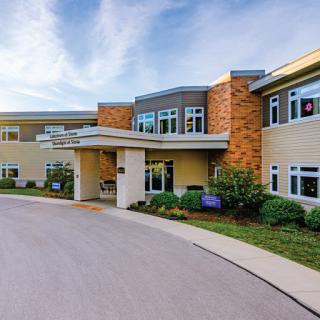
Shore Light Memory Care is a community-based residential facility located in Racine, WI, specializing in memory care. Our community provides a safe and supportive environment for individuals living with memory impairments such as Alzheimer's or dementia.

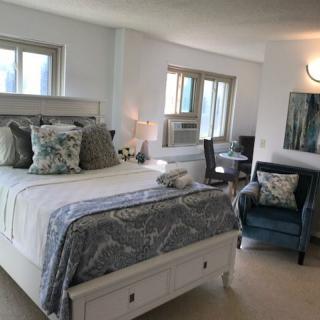
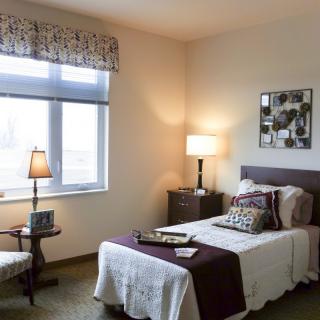
At Shore Light Memory Care, we offer a range of amenities designed to enhance the comfort and well-being of our residents. Each room is fully furnished and includes cable or satellite TV, a telephone, and Wi-Fi/high-speed internet access. Our residents can enjoy delicious meals in our dining room with restaurant-style dining or in their own private kitchenette if desired. Housekeeping services are provided to ensure that each living space remains clean and tidy.

Our care services at Shore Light Memory Care are comprehensive and personalized to meet the unique needs of each resident. We provide 24-hour supervision to ensure the safety and security of our residents at all times. Assistance with activities of daily living such as bathing, dressing, and transfers is readily available. Our dedicated staff members also assist with medication management and provide specialized memory care programming to promote mental wellness.

We understand the importance of maintaining a healthy lifestyle for our residents, which is why we offer a diabetes diet option and accommodate special dietary restrictions. In addition to providing nutritious meals, we also encourage an active lifestyle through resident-run activities and scheduled daily activities.

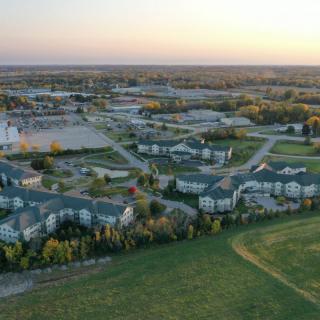
Conveniently located near parks, pharmacies, physicians, restaurants, and hospitals, Shore Light Memory Care offers easy access to necessary resources within the community.

If you are seeking compassionate memory care services in Racine, WI, look no further than Shore Light Memory Care. Our dedicated staff is committed to providing exceptional care for individuals living with memory impairments. Contact us today to learn more about how we can support you or your loved one on this journey.

Nearby Places of Interest

This part of Racine, Wisconsin offers a convenient location with easy access to essential amenities such as pharmacies, restaurants, physicians, hospitals, cafes, and transportation options. The presence of multiple Walgreens locations ensures that you can easily access medication and healthcare services. There are various dining options available ranging from fast food chains like McDonald's and Burger King to more upscale choices like Culver's and Unico. Nearby physicians and hospitals provide quality healthcare services, including specialized clinics for neurological and eye care. Additionally, the proximity to parks allows for outdoor recreation opportunities. The Milwaukee Mitchell International Airport is also within a reasonable distance for those who may need to travel frequently. Overall, this area combines convenience with a range of resources that could make it a suitable choice for senior living in Racine.

Pharmacies

  • Walgreens (1.3 miles)
  • Walgreens (3.4 miles)
  • Walgreens (4.4 miles)
  • Ascension Rx - Racine Pharmacy (4.8 miles)
  • Walgreens (4.8 miles)
  • CVS Pharmacy (5.3 miles)
  • Walgreens (5.8 miles)

Restaurants

  • McDonald's (1.3 miles)
  • Culver's (1.5 miles)
  • McDonald's (2.7 miles)
  • Reefpoint Brew House (4.4 miles)
  • Unico (5.8 miles)
  • Burger King (6 miles)
  • Chick-Fil-A (6 miles)

Physicians

  • Aurora Health Care (1.3 miles)
  • Rudy Byron, MD (3.9 miles)
  • Neurological Clinic (4.6 miles)
  • GI Associates (4.6 miles)
  • Eye Clinic Of Racine (4.6 miles)
  • MyEyeDr. (4.7 miles)
  • Atrium At Wheaton Franciscan (4.8 miles)

Parks

  • Racine Quarry Park (3.7 miles)
  • Racine Lakefront Parkway (5.6 miles)
  • Lake Park (7.6 miles)
  • Runway Dog Exercise Area (10.5 miles)
  • Petrifying Springs Park (10.8 miles)

Hospitals

  • Wheaton Franciscan Healthcare - All Saints (4.8 miles)
  • St Luke's Sleep Center (5.3 miles)
  • Wheaton Franciscan Healthcare-All Saints (5.3 miles)
  • Mental Health Service-st Lukes (5.4 miles)
  • R M Lakeshore Investments (5.6 miles)
  • Reach Unlimited (7.1 miles)
  • Froedert Drexel Square Clinic (10.1 miles)

Cafes

  • Wilson's Coffee & Tea (5.4 miles)
  • Starbucks (9.6 miles)

Theaters

  • Renaissance Cinema Sturtevant, Wi (8.3 miles)
  • South Shore Cinema Oak Creek, Wi (11.1 miles)

Places of Worship

  • St Stephen's Catholic Church (8.7 miles)

Transportation

  • MKE Runway (11.9 miles)
  • Concourse D (12.1 miles)
  • Delta Ticket Counter (12.1 miles)
  • Milwaukee Mitchell International Airport (MKE) (12.2 miles)
  • Security Checkpoint (12.2 miles)
  • Concourse C (12.3 miles)

Frequently Asked Questions

Where is Shore Light Memory Care (Community Based Residential Facility)?
Does Shore Light Memory Care (Community Based Residential Facility) provide care for residents with dementia or Alzheimer's disease?

Nearby Communities

Related Resources

  • assisted living vs memory careUnderstanding the Distinctions: Assisted Living and Memory Care Explained

    The article differentiates between assisted living and memory care, explaining that assisted living supports seniors with daily activities while promoting independence, whereas memory care provides specialized services for individuals with dementia, focusing on secure environments and cognitive support. It also addresses staff training, safety considerations, costs, family involvement, and transition strategies for families navigating these care options.

  • how to talk to someone with dementiaHow to Communicate with a Loved One Living with Dementia: 10 Supportive Strategies

    The article outlines effective communication strategies for interacting with loved ones with dementia, highlighting the need for empathy, patience, and understanding while emphasizing supportive approaches like using simple language, minimizing distractions, and focusing on feelings over facts to maintain dignity and foster connection. It also suggests seeking professional guidance when needed as communication challenges evolve.

  • va nursing homeComprehensive Guide to VA Nursing Homes: A Crucial Long-Term Care Resource for Veterans

    VA nursing homes, or Community Living Centers (CLCs), offer tailored long-term care for veterans, featuring medical attention and rehabilitation in a supportive environment. The guide covers facility types, eligibility criteria, financial assistance options, quality of care standards, and alternatives to full-time nursing home placement.