
5405 Erie Street, Racine, WI 53402
For more information about senior living options: (866) 208-4318
Overall Review of Alpha Homes Of Wisconsin VII
Pros
 They deserve the 10-star rating.
- They are worthy of praise.
Cons
 The company is described as incompetent and poorly operated.
- They don’t know what they’re doing.
- The business is very unorganized, including the training.
- A trainer wasn’t provided for three days.
- They were not paid, and no one could explain why.
Review
Alpha Homes Of Wisconsin VII in Racine is best suited for families seeking a budget-conscious option with a straightforward, predictable daily routine, provided that administrative reliability is not a top priority. This community can appeal to households that can tolerate uneven management while prioritizing basic care availability and a simple living environment. For families that require consistent governance, precise scheduling, and dependable administrative processes, alternatives should be seriously considered.
The overall picture from the reviews is decisively mixed: two high marks amid several low ones, with a three-star point in there as a caution. The most forceful critiques center on governance and day-to-day operation, descriptions of incompetence and poor organizational control, plus concrete frustrations with training lapses and payroll problems. The lack of in-depth detail behind some positive notes leaves open the question of whether favorable experiences are isolated, isolated times, or indicate a pattern. In practice, the negative feedback signals a risk that operational instability will interrupt care consistency more often than it should.
In terms of what the community may offer, any apparent advantages are likely tied to the basic care framework and potential affordability. When operations stay orderly, residents can enjoy the expected routines and approachable staff interactions that accompany a simpler model. Yet these potential benefits are thinly supported by the bulk of negative experiences, and the recurring administration gaps tend to overwhelm whatever mild positives exist. The core takeaway is that reliable caregiving hinges on a stable, well-run operation, and current feedback points to that stability lacking on a consistent basis.
For families evaluating Alpha VII, a disciplined due-diligence approach is essential. Demand a tour that goes beyond common spaces to scrutinize scheduling practices, payroll workflows, and staff training records. Request written policies on shift coverage, incident reporting, and escalation procedures, and insist on recent, verifiable data about staffing levels during weekends and peak hours. Speak directly with current residents or their families about how often issues arise, how swiftly questions are answered, and whether promises are kept. If any aspect of administration feels improvised or vague, treat it as a significant warning sign.
Those who must have airtight administrative reliability should explicitly compare Alpha VII to higher-rated options with transparent governance. Seek communities where payroll and training are described in concrete terms and subject to regular audits, not contingent on good days or lucky runs. If distance, budget, or a particular alignment with a care philosophy makes Alpha VII appealing, approach it as a conditional choice, secured with written guarantees, concrete service plans, and a clear pathway to escalation. In short, move deliberately, prioritizing governance maturity as a reliable predictor of overall quality.
In the end, Alpha Homes Of Wisconsin VII serves a niche: a financially accessible option where day-to-day life can be pleasant when operations are steady. The red flags around organization and payroll are substantial enough to push families toward alternatives that promise more consistent oversight and responsive communication for longer-term peace of mind. For households willing to tolerate administrative variability in exchange for lower costs and a potentially warm, uncomplicated living environment, there is a measured case to consider, with strict oversight and explicit expectations in place. The decision should hinge on whether governance reliability can be demonstrated before committing long-term.
 4 resident community capacity
 Assisted Living
 Cable or satellite TV
 Dining room
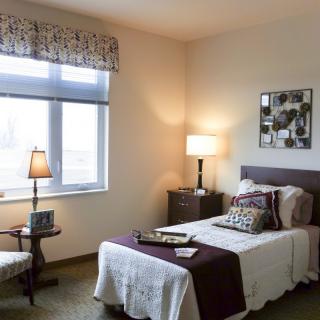
 Fully furnished
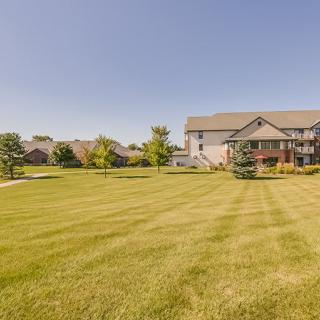
 Garden
 Housekeeping services
 Move-in coordination
 Outdoor space
 Telephone
 Wi-Fi/high-speed internet available
 General Mitchell International (12 miles away)
 24-hour supervision
 Activities of daily living assistance
 Assistance with bathing
 Assistance with dressing
 Assistance with transfers
 Diabetes diet
 Meal preparation and service
 Medication management
 Special dietary restrictions
 Transportation arrangement (medical)
 Transportation to doctors appointments





 When to Transition from Assisted Living to Memory Care: Key Indicators, Steps, and Finding the Right Community
 Assisted Living and Memory Care: Understanding Their Core Differences
 Beyond the Bingo Hall: 50+ Enriching Activities for Seniors in Assisted Living