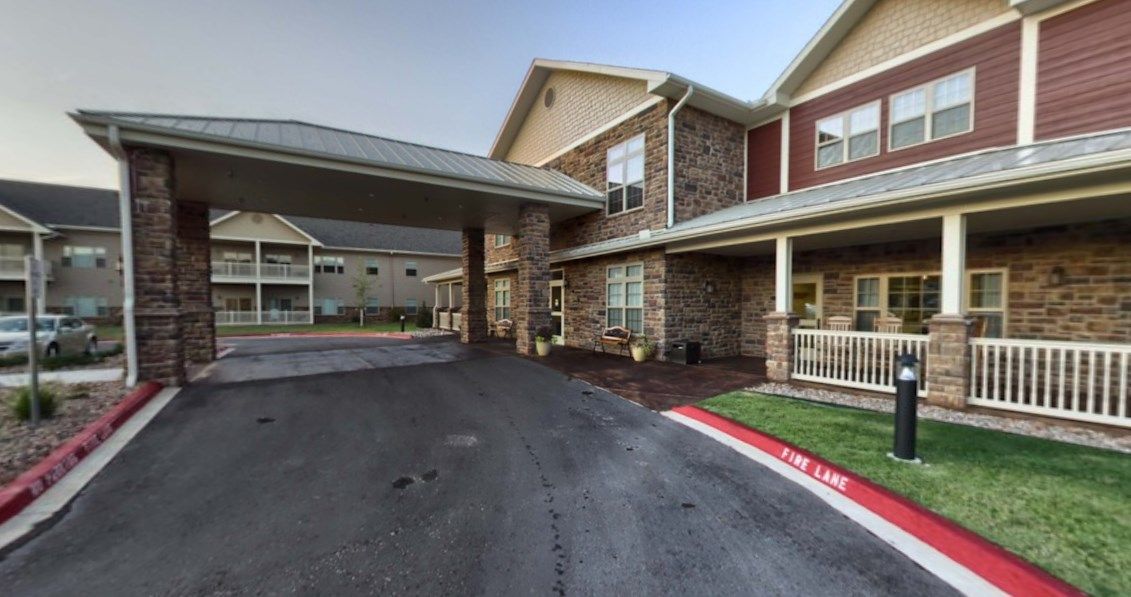
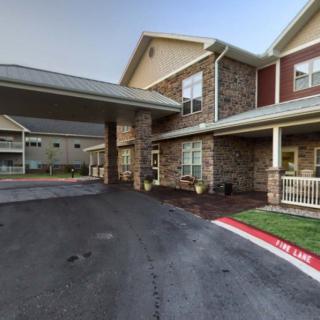

1775 North Newman Road, Racine, WI 53406
For more information about senior living options: (866) 208-4318

Overall Review of Racine Primrose
Pros
 The Primrose staff are exceptional across all services, consistently going above and beyond.
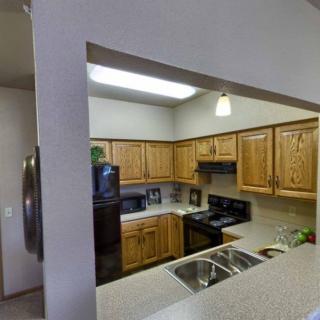
- The Mt Pleasant facility is sparkling clean, with maintenance responding promptly to any need.
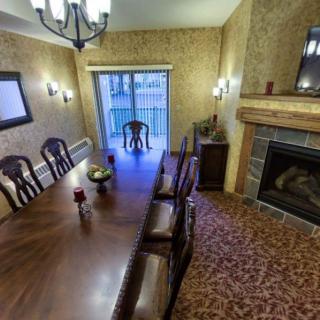
- The dining program is outstanding, delivering high-quality meals and warm hospitality.
- Families report peace of mind knowing their loved ones are well cared for at Primrose.
- The community offers engaging activities seven days a week, helping residents stay connected and entertained.
- Ice cream socials and weekly treats are a beloved highlight residents look forward to.
Cons
 Some of the CNS staff are nice and work hard, but the rest are lazy, sit down a lot, and don’t care for the residents.
- The kitchen director is very young, jokes a lot, and doesn’t care about the food he puts on the menu; he needs to be more mature and stop with the foolishness.
- The food is horrible and highly processed; half the time it isn’t hot when served, with cabbage soup repeatedly on the menu and very little variety.
- The facility is always short staffed.
- There is not a memory care unit at this location to provide that level of care.
- There are complaints about food from some residents at dinner tables and some clickish behavior among residents.
Review
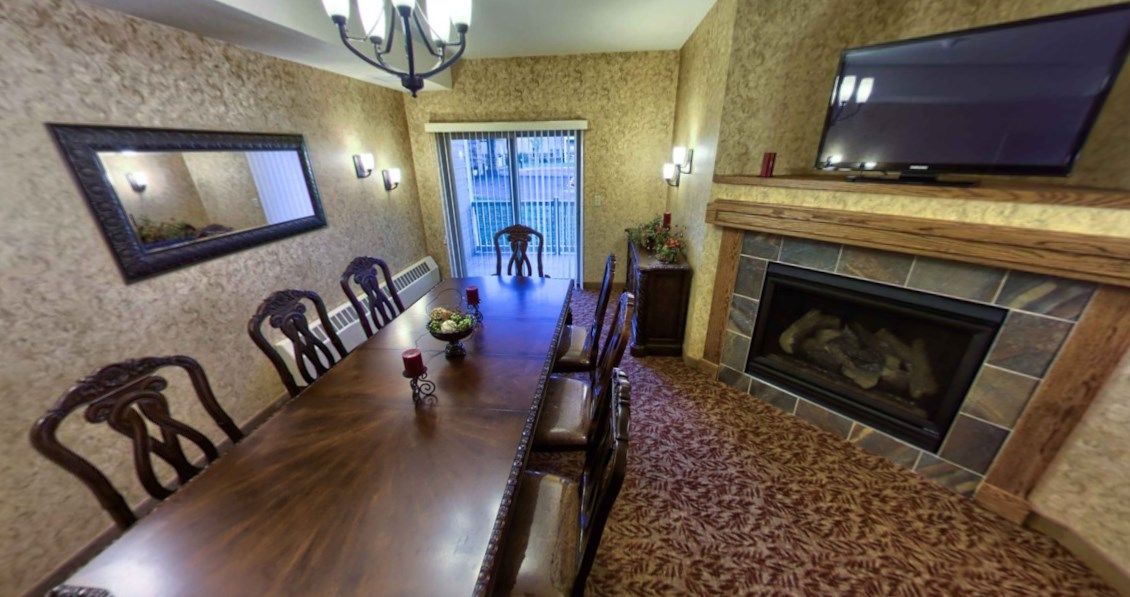
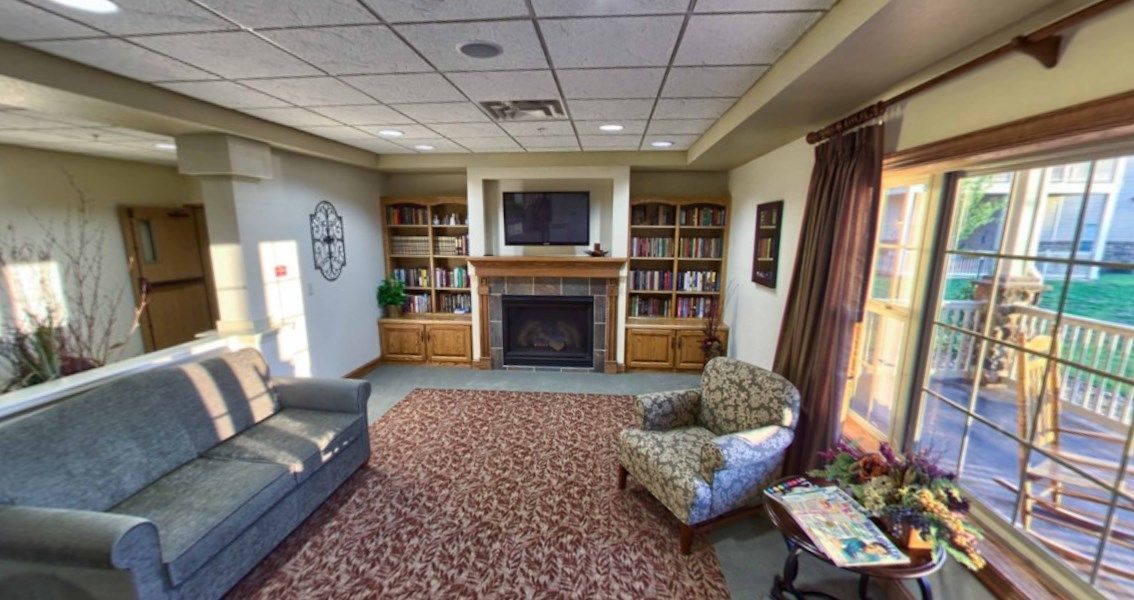
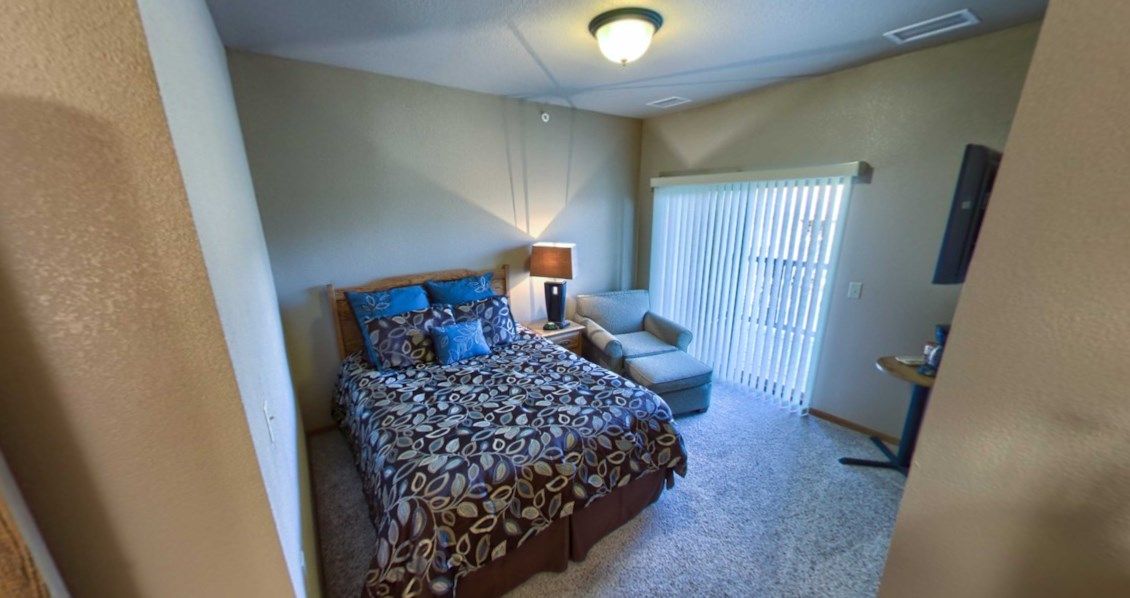
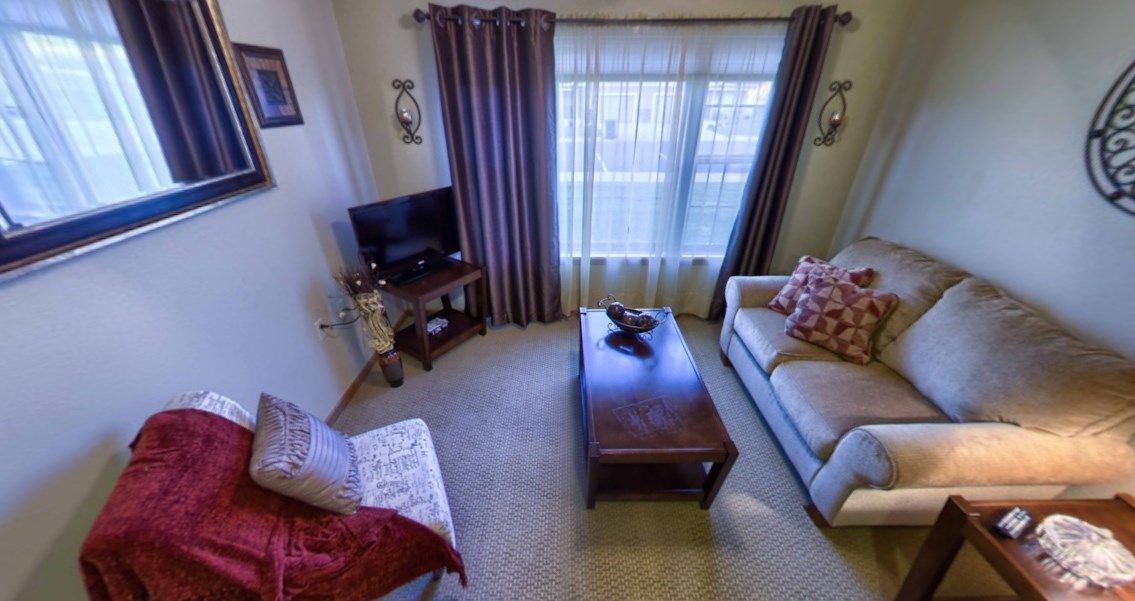
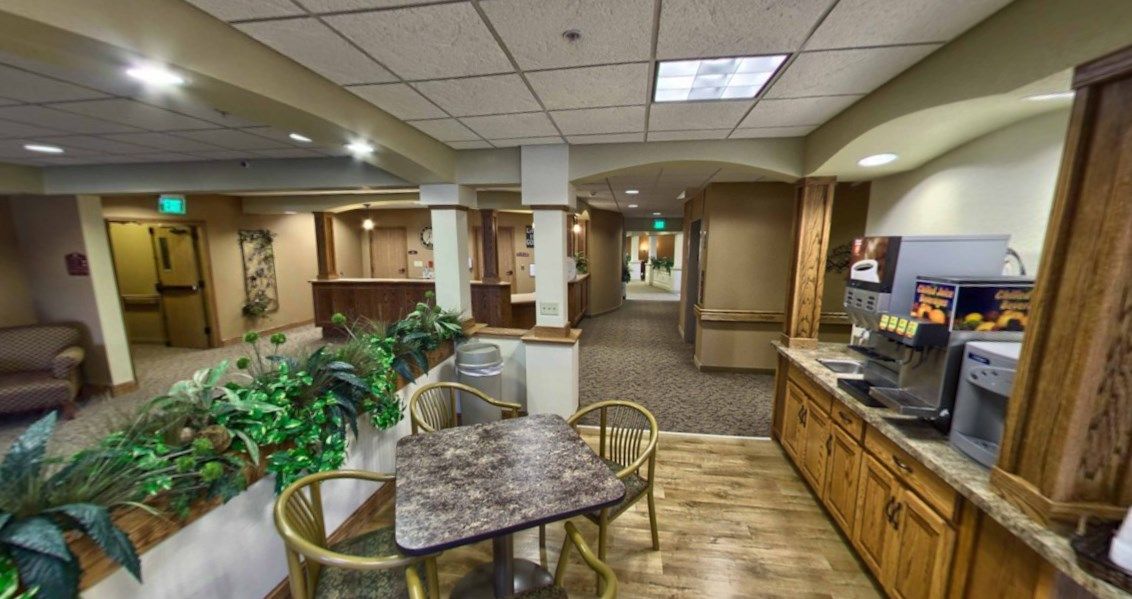
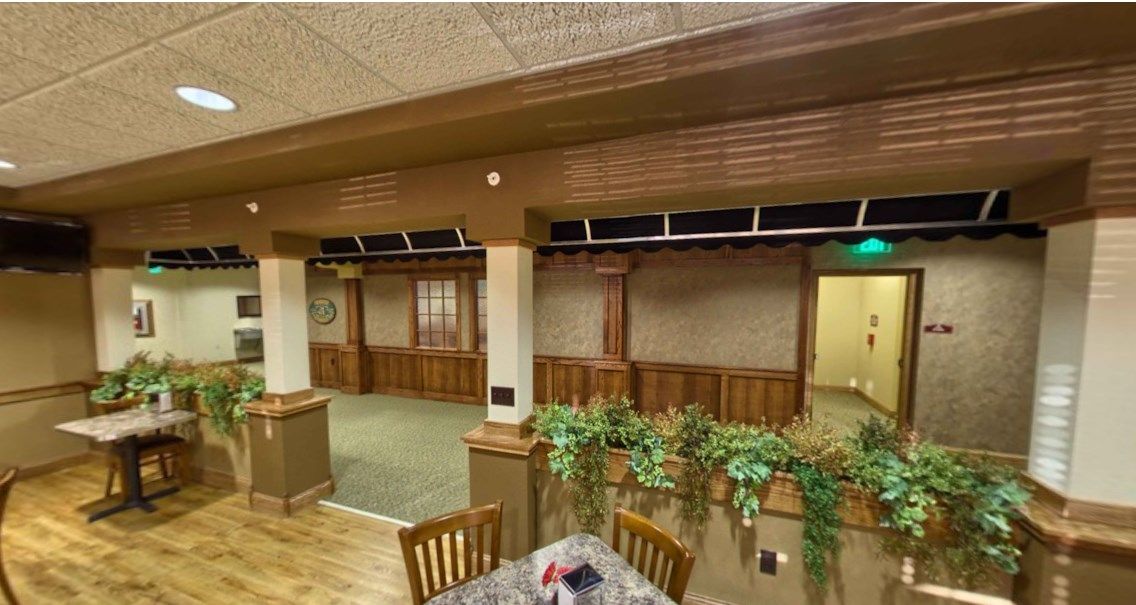
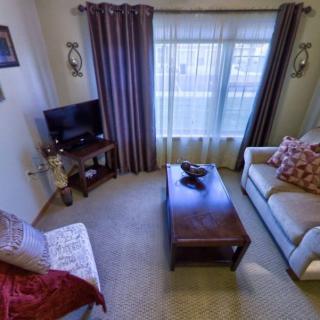
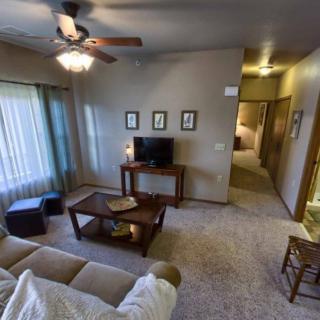
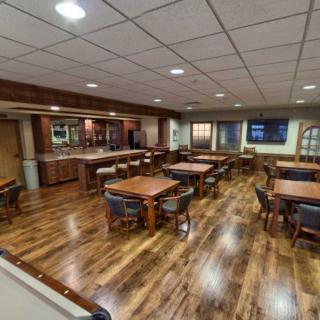
Racine Primrose is best suited for seniors who want a warm, home-like atmosphere where a highly engaged, compassionate staff drives daily living. The community consistently earns praise for staff across nursing, dining, housekeeping, maintenance, and administration, yielding a sense of reliability families can depend on. It appeals to residents who value a smaller, more intimate setting over a sprawling campus, where timely maintenance, clean spaces, and easy access to social opportunities become the everyday norm. For families seeking peace of mind that their loved one will be treated with kindness and respect, Primrose delivers a practical, lived-in comfort that many assume is hard to find in larger senior communities.
That said, alternatives should be considered for anyone with memory-care needs or for families prioritizing a consistently high-end dining program. A recurring caveat in the feedback is the absence of a dedicated memory-care unit, which makes Primrose less suitable for residents who require secure memory supports or more intensive cognitive-care resources. Another red flag for some families is variability in dining quality and the perception that some kitchen leadership is still finding its footing. Those who demand a uniform, top-tier culinary experience or who want a facility with broad clinical capacity may find themselves better served elsewhere.
The strongest positives, exceptional, hands-on staff; a clean, well-maintained environment; and a robust schedule of seven-days-a-week activities, work in concert to offset most drawbacks. Staff responsiveness ranges from “outstanding” to consistently attentive, with maintenance issues resolved promptly and residents praised for the warmth and courtesy shown in daily interactions. The intimate scale of Primrose tends to foster real relationships, so families can feel confident that caregivers know their loved ones well and respond to evolving needs with familiarity and respect. That people-centric culture is the core offset to occasional concerns about staffing consistency or menu fluctuations.
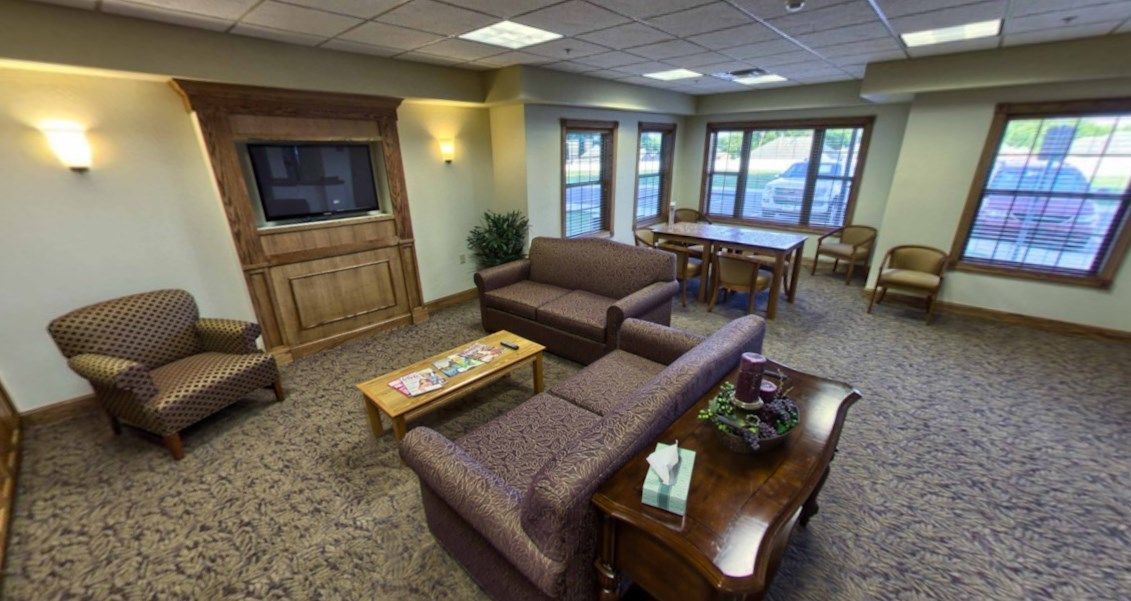
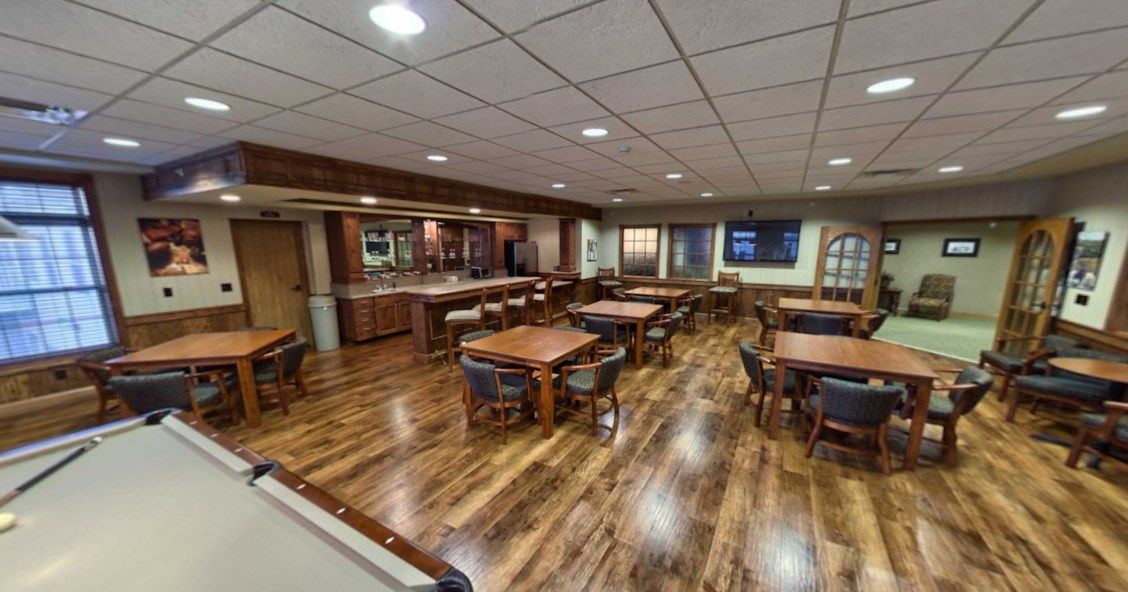
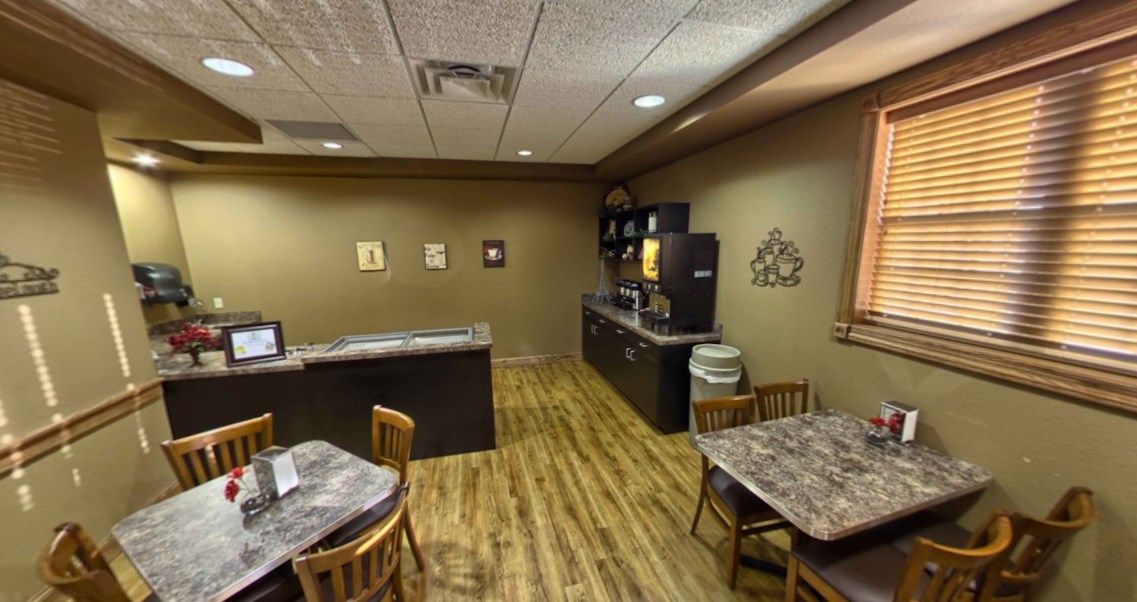
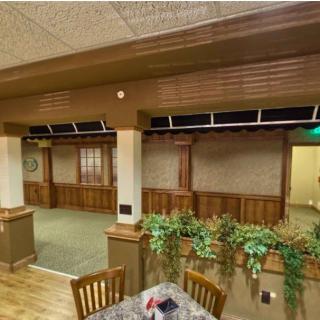
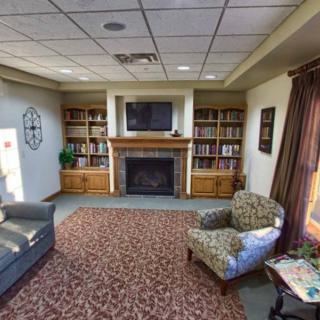
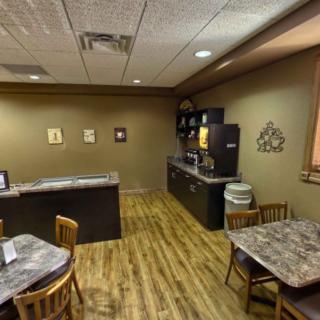
Social life and daily routine matter here. Residents describe a lively roster of events, casual get-togethers, and opportunities to participate in everyday pleasures, movies, ice cream socials, card games, and informal church or class activities, often in sociable spaces like the bistro or communal lounges. The ability to enjoy meals in the dining room or within an apartment setting, plus transportation for shopping or errands, translates into meaningful independence for many seniors. These elements collectively create a sense of purpose and belonging that can substantially lessen anxiety for families worried about isolation or boredom.
Where the consent agenda of the community hits its rough edges, the most common notes involve food quality and leadership in the kitchen, plus a few instances of staff members who do not seem fully aligned with the level of care expected. Prospective residents should ask to sample the current menu and observe meal service, request a tour during a mealtime, and inquire about the kitchen leadership and staffing ratios. It is also prudent to verify how the home handles residents who may require more intensive care in the future, and to discuss plans should memory-care needs arise. These steps help ensure alignment between expectations and day-to-day operations.
In decision terms, Racine Primrose is a strong fit for families seeking a dependable, people-first environment where daily life feels purposeful and communal. It works best for independent or lightly assisted residents who will thrive on a steady stream of social activities, reliable transportation, and the comfort of a small, home-like setting. Those with memory-care requirements or with an uncompromising standard for dining or clinical depth should explore alternatives that offer dedicated memory units and more consistent culinary programs. For families ready to take the next step, a scheduled tour, candid conversations with staff, and a direct read on current dining menus and staffing plans will reveal whether Primrose matches the loved one’s priorities, and how quickly the community can address any gaps identified.
 76 resident community capacity
 Assisted Living
 Independent Living
 Respite Care
 Air-conditioning
 Beauty salon
 Cable or satellite TV
 Computer center
 Dining room
 Fitness room
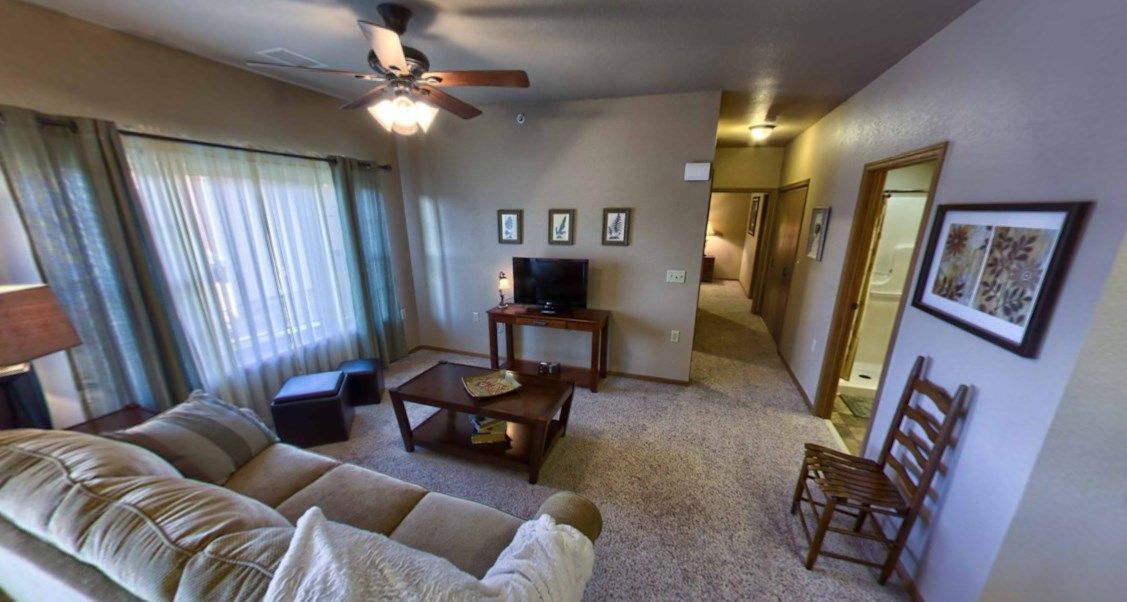
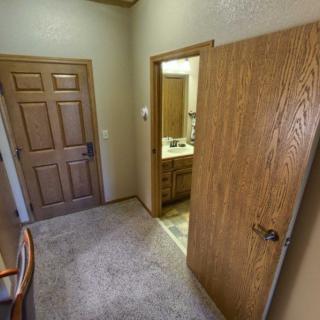
 Fully furnished
 Gaming room
 Garden
 Housekeeping services
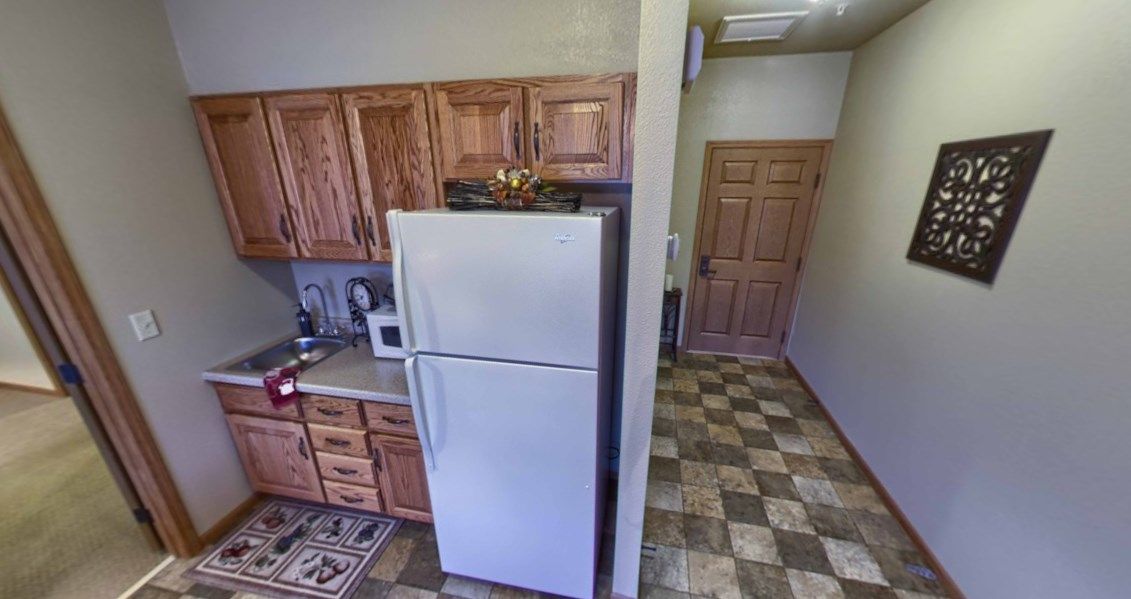
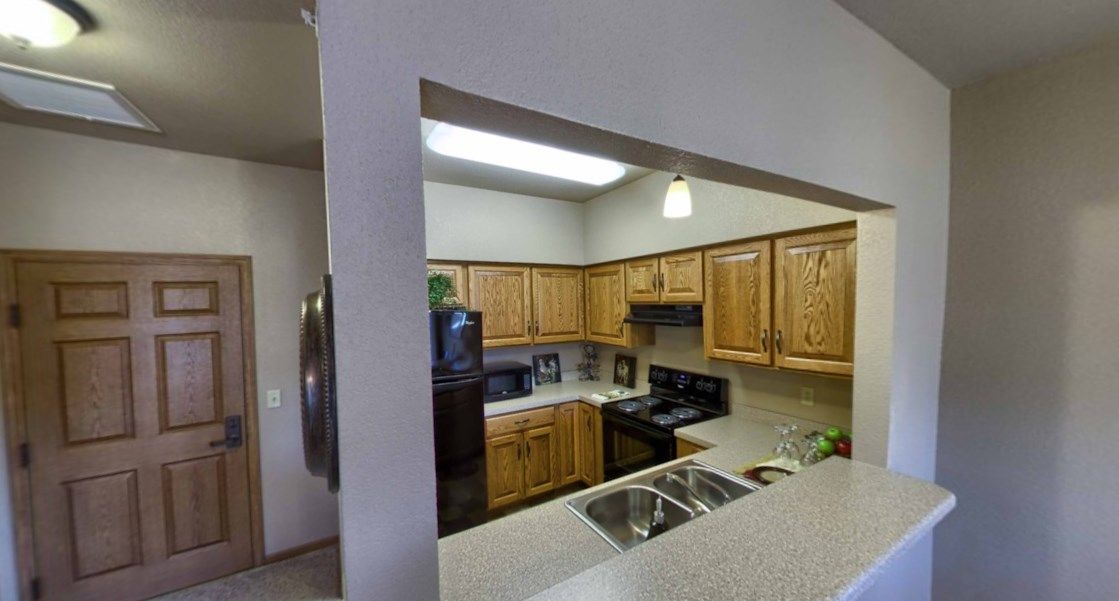
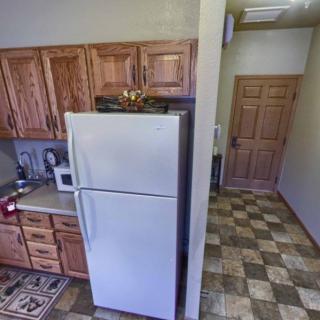
 Kitchenette
 Move-in coordination
 Outdoor space
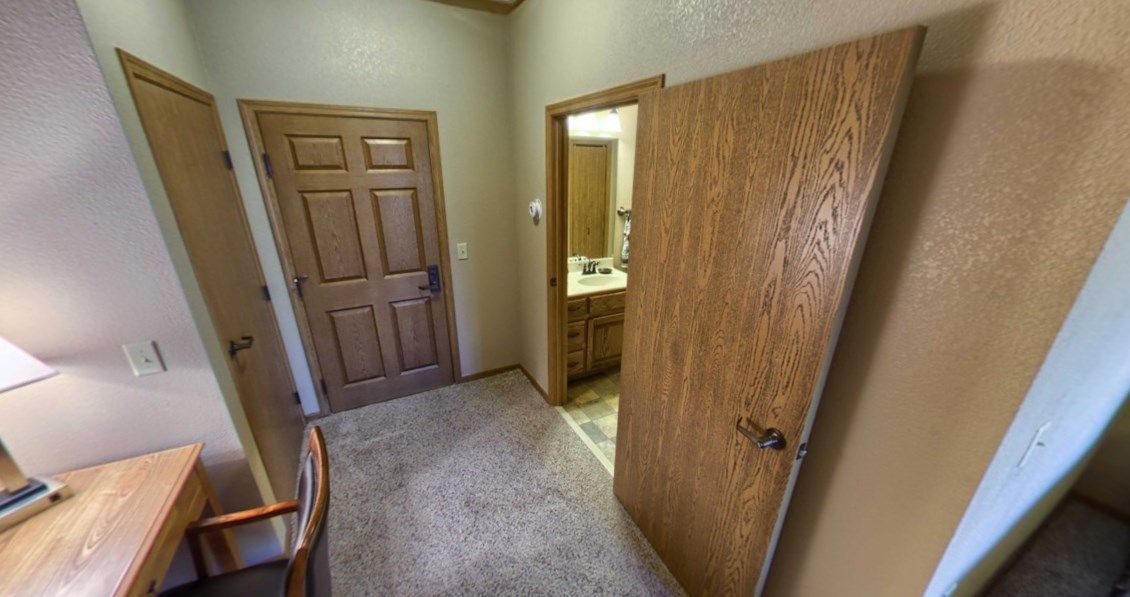
 Private bathrooms
 Restaurant-style dining
 Small library
 Telephone
 Wellness center
 Wi-Fi/high-speed internet available
 General Mitchell International (14 miles away)
 Community operated transportation
 12-16 hour nursing
 24-hour call system
 Activities of daily living assistance
 Assistance with bathing
 Assistance with dressing
 Assistance with transfers
 Diabetes diet
 Medication management
 Mental wellness program
 Special dietary restrictions
 Concierge services
 Planned day trips


 Comprehensive Insights into Activities of Daily Living (ADLs) and Their Assessment
 Guiding Elderly Parents Who Refuse Assisted Living: 6 Practical Steps
 Your Comprehensive Guide to Luxury Assisted Living: Elevated Facilities, Amenities, and Costs