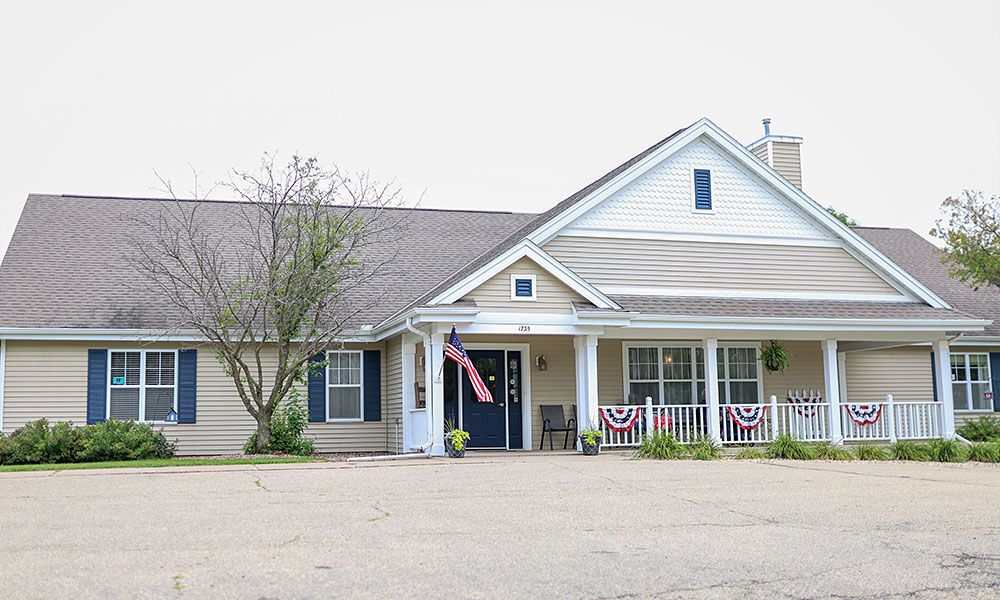

1735 North Water Street, Platteville, WI 53818
For more information about senior living options: (866) 208-4318
Our House Senior Living - Platteville Assisted Care Costs & Pricing
At Our House Senior Living - Platteville Assisted Care, the monthly costs for accommodations reflect a competitive pricing structure when compared to both Lafayette County and the broader Wisconsin state averages. For a studio apartment, residents are charged $3,385, which is notably lower than the county's average of $4,527 and slightly below the state's average of $3,999. In contrast, for a one-bedroom unit, Our House offers its services at $4,175, which sharply contrasts with Lafayette County's significantly lower average of $1,868 but remains within a reasonable range of Wisconsin's average rate of $3,412. These figures illustrate that while Our House Senior Living provides valuable amenities and care in Platteville, prospective residents might notice differing pricing trends depending on room type and their local market context.
| Floor plans | Our House Senior Living - Platteville Assisted Care | Lafayette County | Wisconsin |
|---|---|---|---|
| Studio | $3,385 | $4,527 | $3,999 |
| 1 Bedroom | $4,175 | $1,868 | $3,412 |
Assisted Living communities with a similar price nearby
-
from -$525 / mo
Sunset Park Place
$2,860 to $4,265 / month22.2 miles away -
from +$215 / mo
Morningside Assisted Living
$3,600 / month13.9 miles away
Overall Review of Our House Senior Living - Platteville Assisted Care
Pros
 The staff are highly engaged with residents, creating a warm and caring atmosphere.
- The environment is fun and inviting, with staff consistently engaging residents.
- The center appreciates the nutritious breakfasts Our House provides, and seniors look forward to them each month.
- Patrisha and the staff are knowledgeable and always willing to help.
- The staff and residents are welcoming, and residents seem happy and cared for.
- The care and kindness shown to residents is evident, with patient staff who listen to residents’ stories and foster a home-like environment.
- The facility is loved for its many activities for seniors and its welcoming community.
- The director makes everyone feel that they matter.
Cons
 The facility was dirty, with residents inactive in daily activities, and staff not interested in helping with questions; it also smelled of urine.
- The facility only accepts early-stage dementia residents, meaning residents with advancing dementia may have to leave.
- They are usually full, so there is limited availability for new residents.
Review
This Platteville community is best suited for families seeking a small, home-like assisted living experience where staff attention is consistently high and clinical leadership ensures purposeful care. The model here centers on an experienced RN director and a team that participates actively in resident life, delivering hands-on engagement rather than impersonal supervision. It works particularly well for residents who are in the early stages of cognitive change and who respond well to structured routines, meaningful activities, and a warm, welcoming atmosphere. For families facing dementia that progresses beyond early stages, alternative options with more expansive memory-care resources will likely be more appropriate.
The strongest draw is the staff’s genuine engagement with residents. Observers repeatedly note how involved caregivers are in daily activities, with staff members who are patient, attentive, and skilled at listening to residents’ stories. This translates into a sense of being cared for that residents and families consistently highlight. The care team’s ongoing education, led by a long-tenured director, supports a steady standard of practice. The presence of a psychiatrist making regular rounds adds a credible layer of medical oversight that can be reassuring for families seeking more than routine assistance. The facility also benefits from a robust activities program and a willingness to forge community connections, such as nutritious partnerships with the Platteville Senior Center.
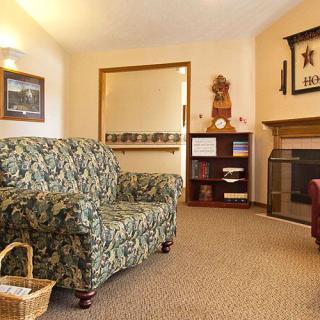
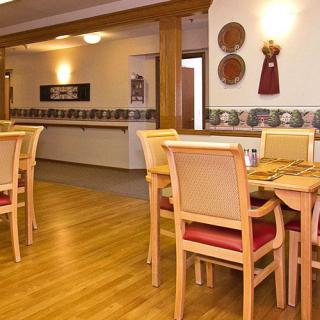
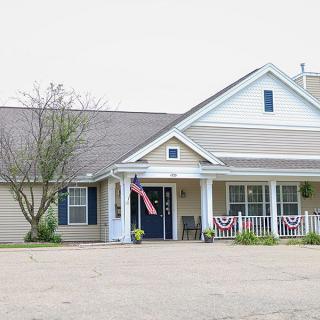
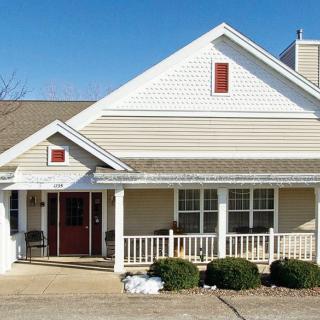
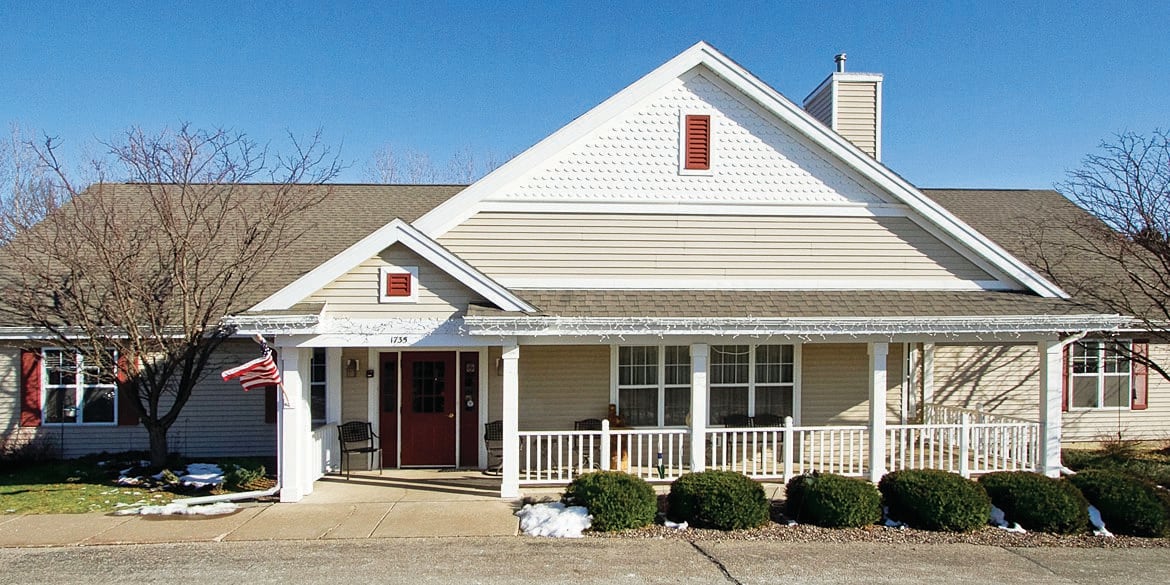
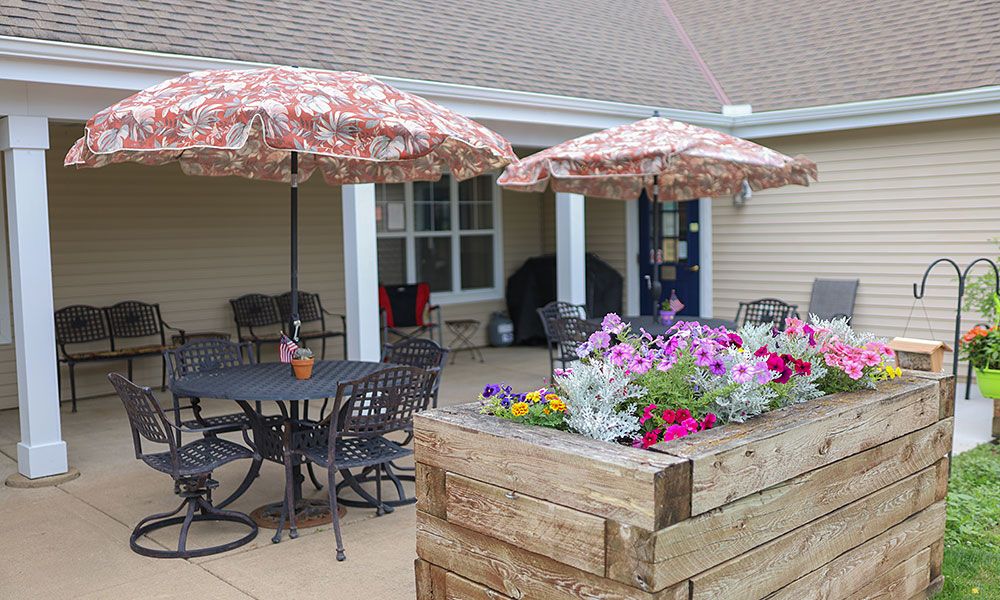
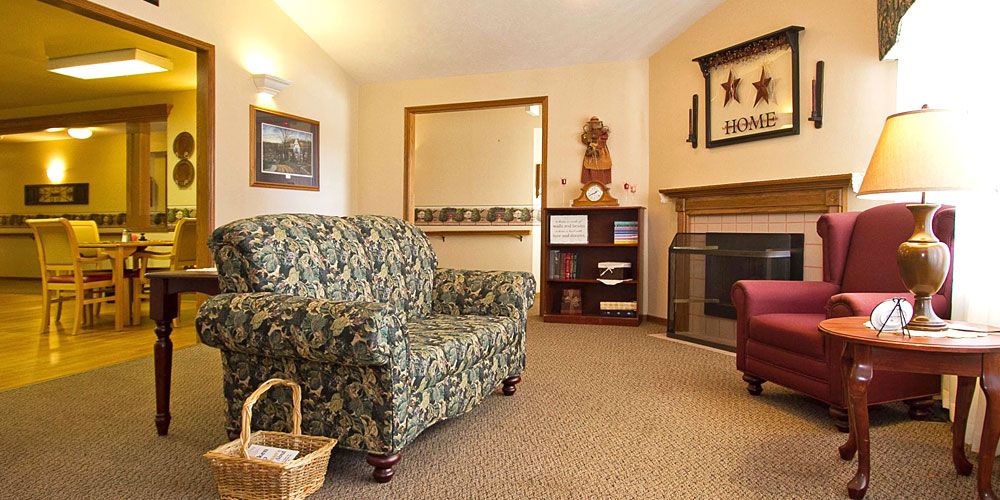
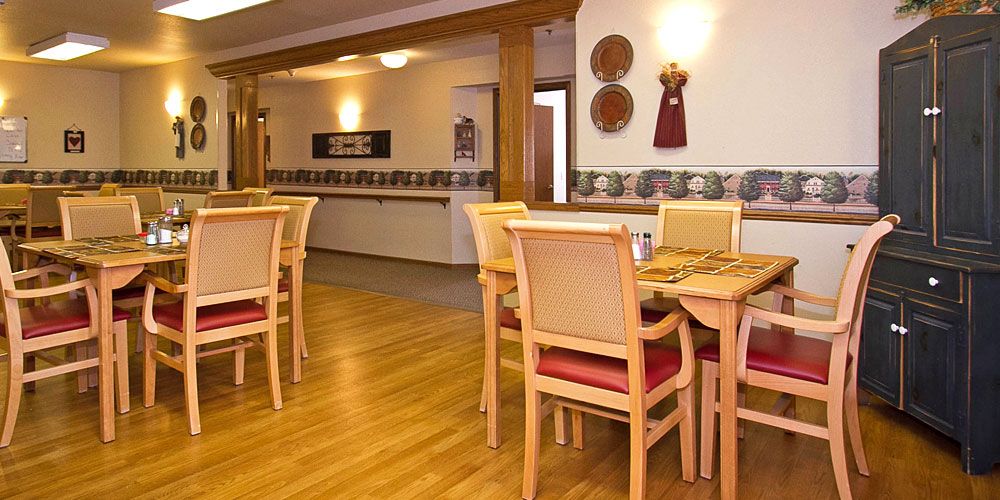
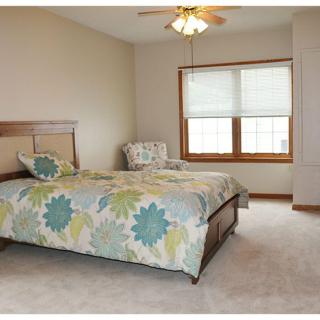
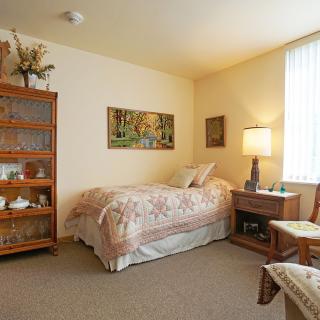
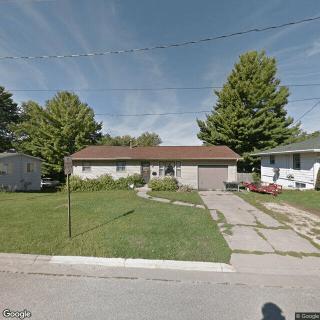
Physically, the property presents as a compact, well-maintained, 16-bed campus positioned on the town’s edge. Its layout centers a common room with resident rooms arrayed around the perimeter, fostering easy social interaction without sacrificing privacy. The setting is intentionally intimate, which helps staff know individual preferences and routines, while the building’s age and condition project a neat, lived-in comfort. The rural edge of town resonates with families who value a familiar, country-like environment; it’s a setting that can feel like home while still delivering professional care. For visitors, the proximity to town conveniences makes routine checks and drop-ins practical rather than arduous.
Nonetheless, the model carries clear constraints that require careful consideration. The facility restricts admissions to early-stage dementia residents, meaning that as cognitive impairment advances, eligibility becomes uncertain and families may need to prepare for transitions elsewhere. Availability is another frequent hurdle, with reports that the community runs at or near capacity and has limited openings for new residents. A single review highlights a cleanliness concern, describing odors and perceived disinterest from staff in addressing questions; while this view contrasts with the otherwise consistently positive feedback, it serves as a critical reminder to verify current conditions during tours and initial stays. These factors together mean that this community is not a reliable option for families needing immediate placement or ongoing, evolving memory-care support.
For families weighing alternatives, the main trade-off becomes clear: consider larger operations or facilities with dedicated memory-care wings if dementia progression or guaranteed space is a priority, or pursue options that promise more on-site nursing depth and broader medical coverage. If the preference remains for a compact, highly engaged setting, it is essential to assess how the team would handle escalating needs, and to confirm the current wait time and any potential openings. Cleanliness and maintenance standards should be explicitly inspected during a first-hand visit, with questions about housekeeping schedules and routine audits to ensure that any episodic concerns are unlikely to recur.
In the end, this community stands out for its people-first approach, stable clinical leadership, and a vibrant activity calendar that can make a meaningful difference in day-to-day quality of life. It is a strong choice for families prioritizing intimate attendance, consistent staff relations, and a setting that feels like a close-knit community rather than a larger institution. The best fit, however, is residents in the early stages of dementia who can thrive on engagement and routine, with the understanding that progression, admission timing, and ongoing availability may necessitate exploring alternatives. A thoughtful visit, clear questions about dementia progression plans, and a candid discussion of current occupancy will determine whether this Platteville option aligns with the loved one’s long-term care trajectory.
 20 resident community capacity
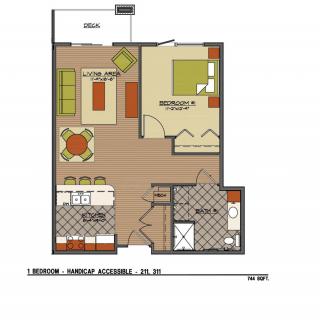
 1-bedroom apartments
 Assisted Living
 Board and Care Home
 Cats allowed
 Dogs allowed
 Activities off-site
 Bath tubs
 Beautician on-site
 Cable or satellite TV
 Devotional services off-site
 Dining room
 Fully furnished
 Garden
 Housekeeping services
 Indoor common areas
 Kitchenette
 Move-in coordination
 Outdoor common areas
 Respite or short term stays offered
 Telephone
 Wheelchair accessible showers
 Wi-Fi/high-speed internet available
 24-hour call system
 Ambulatory care
 Assistance with bathing
 Assistance with dressing
 Assistance with transfers
 Dementia waiver
 Diabetes diet
 Diabetic care
 Hospice waiver
 Incontinence care
 Meal preparation and service
 Medication management
 Mental wellness program
 Special dietary restrictions
 Transportation arrangement (medical)
 Transportation to doctors appointments

 Senior Transition Services: Understanding Their Role, Cost, and Importance
 Exploring the Path to Senior Living: A Comprehensive Look at Independent Living and Assisted Living
 Is Assisted Living Deductible on Your Taxes? Understanding the Complexities of Assisted Living Expenses and Deductions