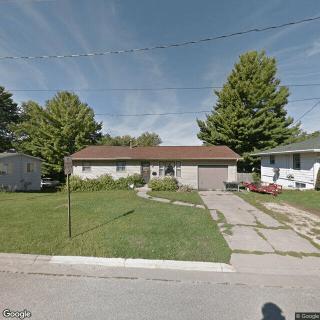
1015 North Elm Street, Platteville, WI 53818
For more information about senior living options: (866) 208-4318
Overall Review of Park Place Senior Living
Pros
 The facility is described as a caring place with a good environment.
- The staff seem interested in the well-being of the tenants.
- A resident at the facility appears very happy there.
- The cost is very low, which surprised the reviewer in a positive way.
- The facility is close to the hospital and clinic.
- There are nearby restaurants and a bus service that helps tenants with shopping, enhancing convenience.
- The town is described as pretty safe.
Cons
 The reviewer would probably not consider it due to the lack of activities.
- The facility was, in the reviewer’s view, adequate but not suitable for their parents.
- The reviewer did not like that the facility is on a hill.
- The review notes a lack of sufficient activities overall.
Review
Park Place Senior Living in Platteville is best suited for seniors who want a lean, affordable option with dependable staff and easy access to medical facilities. The setting suits families prioritizing stability over flash, where the emphasis is on basic safety, consistent routines, and a calm, neighborly atmosphere. This is not the place to look for a robust activity calendar, chef-driven meals, or a highly social environment. The community delivers predictable daily life and a sense that residents are known and cared for, which can be exactly what some families need when budget constraints are real and medical needs are modest to moderate.
Those weighing alternatives should consider options if activities and dining quality are nonnegotiable. If a resident thrives on a full slate of daily programs, regular outings, and meals that feel restaurant-like, Park Place may fall short. Families with loved ones who require more intensive or specialized care, memory support, or a more dynamic social scene will likely want a community with higher staffing levels, richer programming, and a more expansive dining program. Mobility and independence concerns should also factor in, especially since the campus sits on a hill and may pose a welcome challenge for some.
On the upside, the pros are tangible and meaningful. The staff is perceived as genuinely caring and engaged with residents’ well-being, which translates into a respectful, attentive atmosphere. The environment comes across as safe and low-stress, with a straightforward routine that many seniors find reassuring. Cost stands out as a notable strength, the rate is notably low for the area, which can ease family budgeting and reduce ongoing caregiver strain. Proximity to the hospital and clinic provides peace of mind for families managing medical concerns, and the town’s infrastructure supports practical needs through nearby restaurants, basic services, and a local bus system that can ferry residents to shopping and errands. The overall impression is of a practical, hometown operation that prioritizes reliability over flair.
Yet several clear drawbacks temper those advantages. The most commonly cited limitation is insufficient activity programming and limited meal variety, which can leave residents feeling under-stimulated if daily engagement is a priority. While staff appear invested in residents, the absence of a rich activities calendar can translate into longer idle stretches for some seniors. The physical layout, a hillside location, adds a real consideration for mobility and energy levels, particularly for residents who tire easily or rely on regular assistance for excursions. For families seeking a facility that doubles as a social hub with frequent outings, Park Place may feel like a quieter, more subdued environment.
The key question becomes whether the strengths offset the drawbacks. For families focused on keeping costs manageable while ensuring basic care, the answer leans positive: the combination of attentive staff, a calm environment, and practical access to medical facilities reduces the daily caregiving burden and minimizes the stress of coordinating medical needs. The transportation option to shopping and the sense of community in a small town add practical value that keeps life simple and predictable, which matters when routine stability matters most. In contrast, for those who want a vibrant day-to-day program, robust meal service, or intensive care options, the offsets do not fully compensate for the main gaps.
In final judgment, Park Place Senior Living serves a distinct segment well: budget-conscious families who value dependable staff, safety, and proximity to medical care, coupled with a quiet, low-stimulation setting. It is a sensible choice for residents who do not require extensive programming or high levels of on-site activity, and for whom the trade-off in dining variety and social programming is acceptable. For anyone placing a premium on frequent, diverse activities, varied meals, or stronger daily engagement, alternatives that emphasize programming and higher care levels should be pursued. Prospective residents should schedule a tour during typical activity and meal times, probe staff-to-resident ratios, review the transportation schedule, and assess how the hilltop layout would impact daily mobility to determine if Park Place truly fits the care and lifestyle goals.
 28 resident community capacity
 Assisted Living
 Independent Living
 Memory Care
 Beauty salon
 Cable or satellite TV
 Computer center
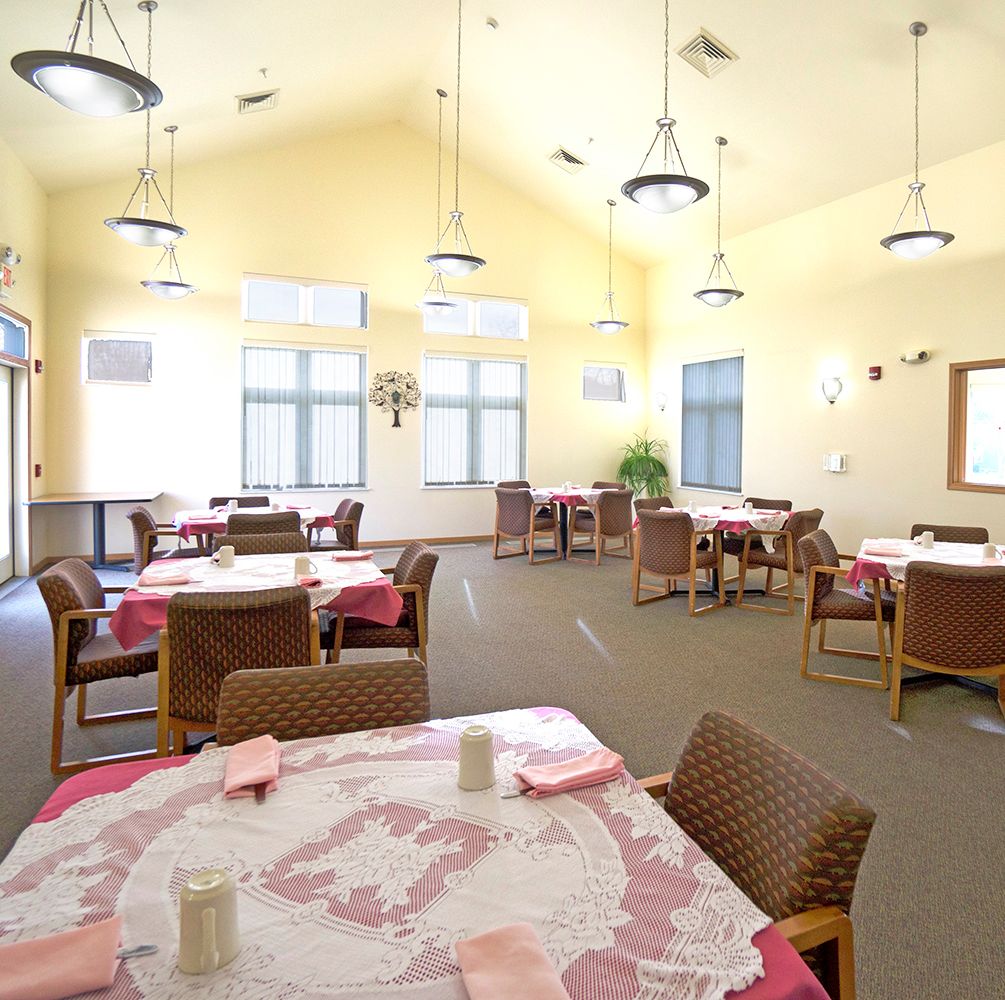
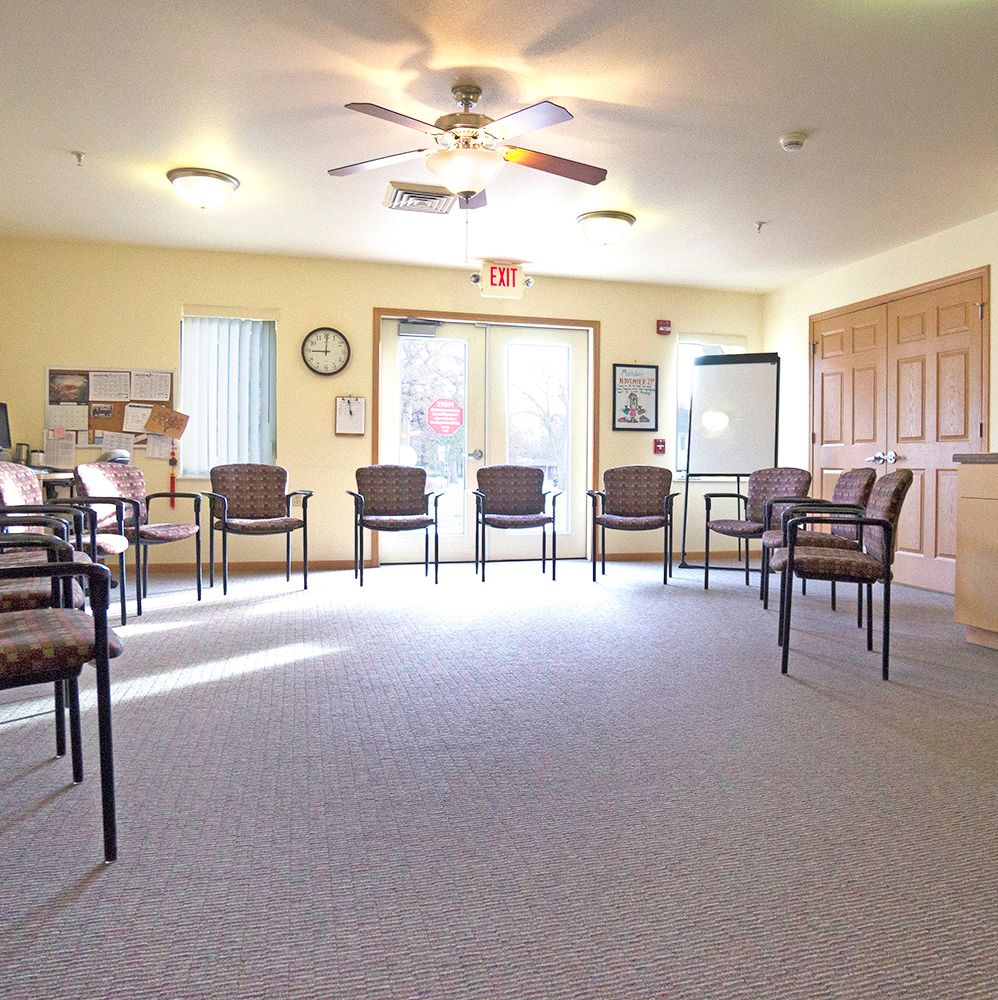
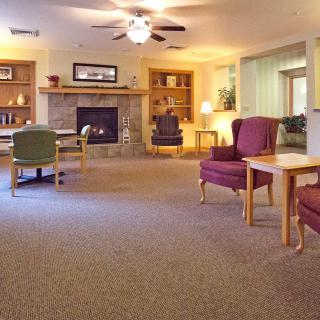
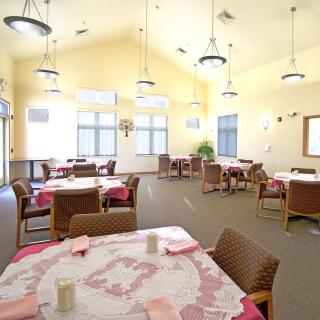
 Dining room
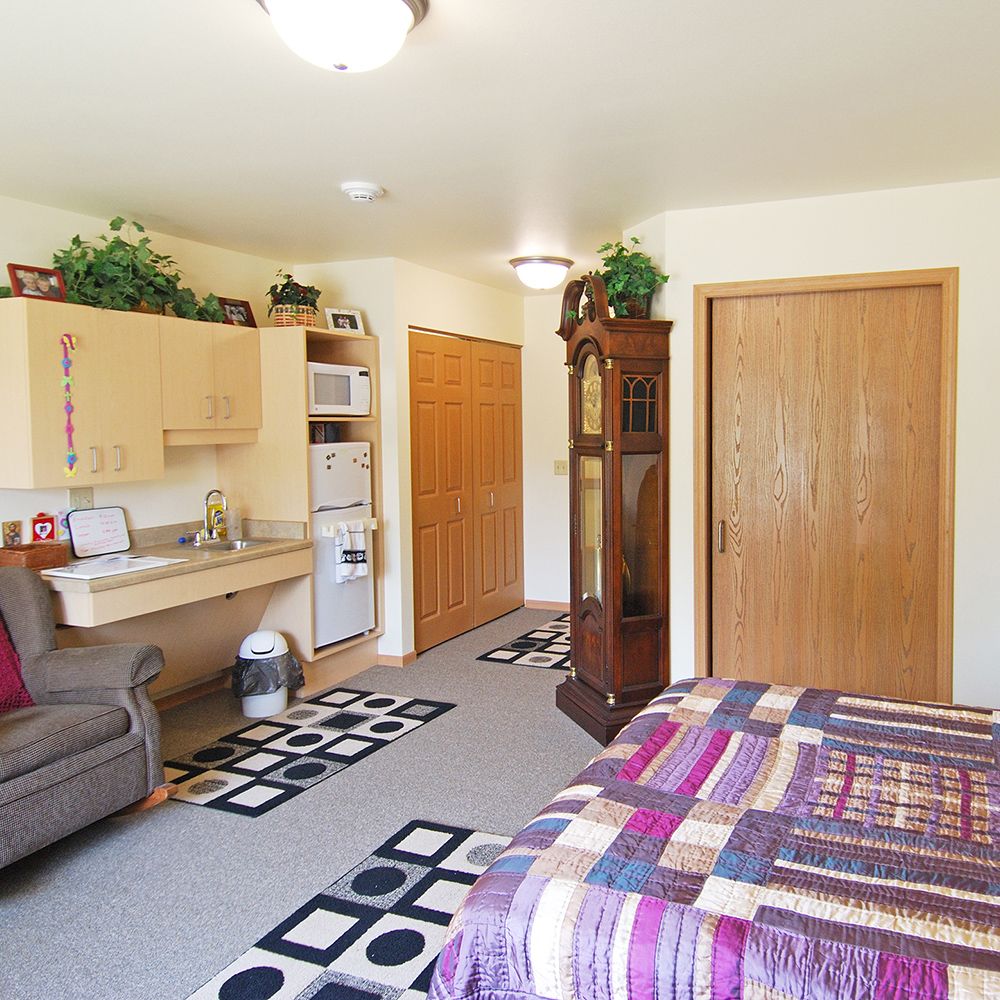
 Fully furnished
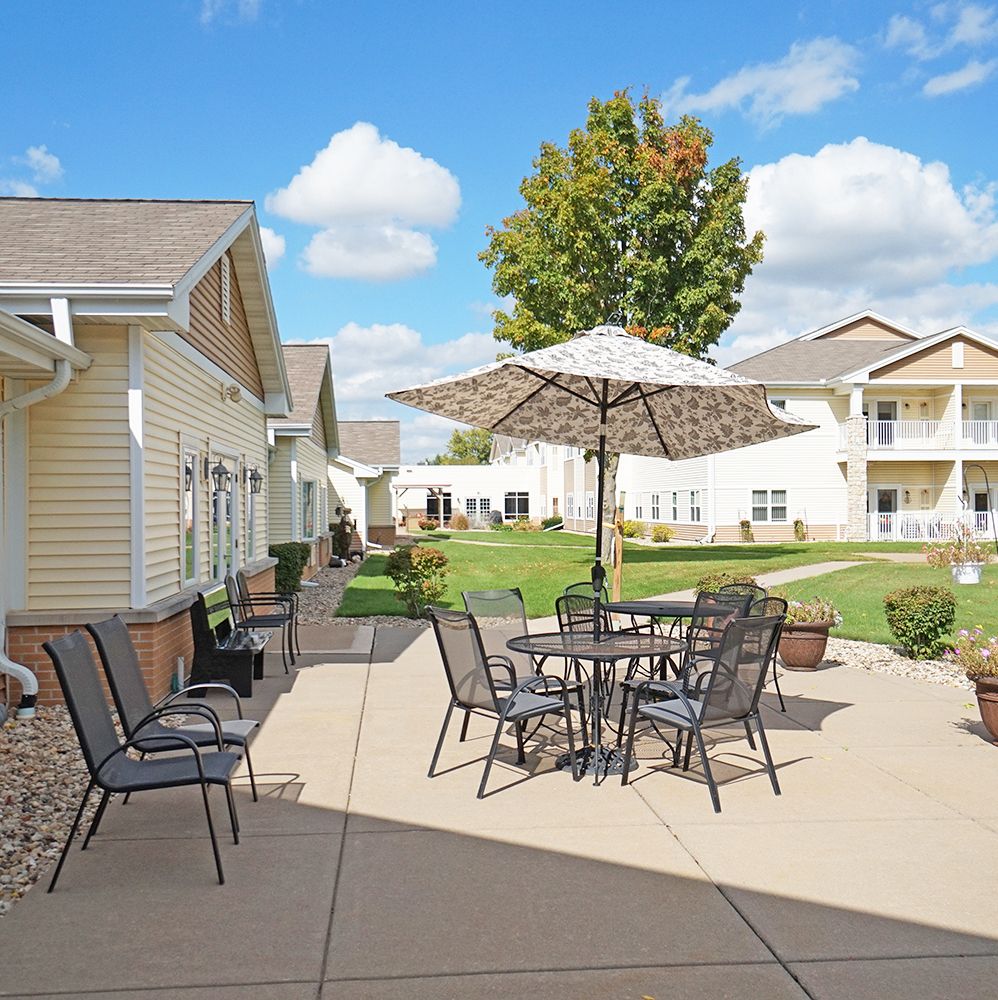
 Garden
 Housekeeping services
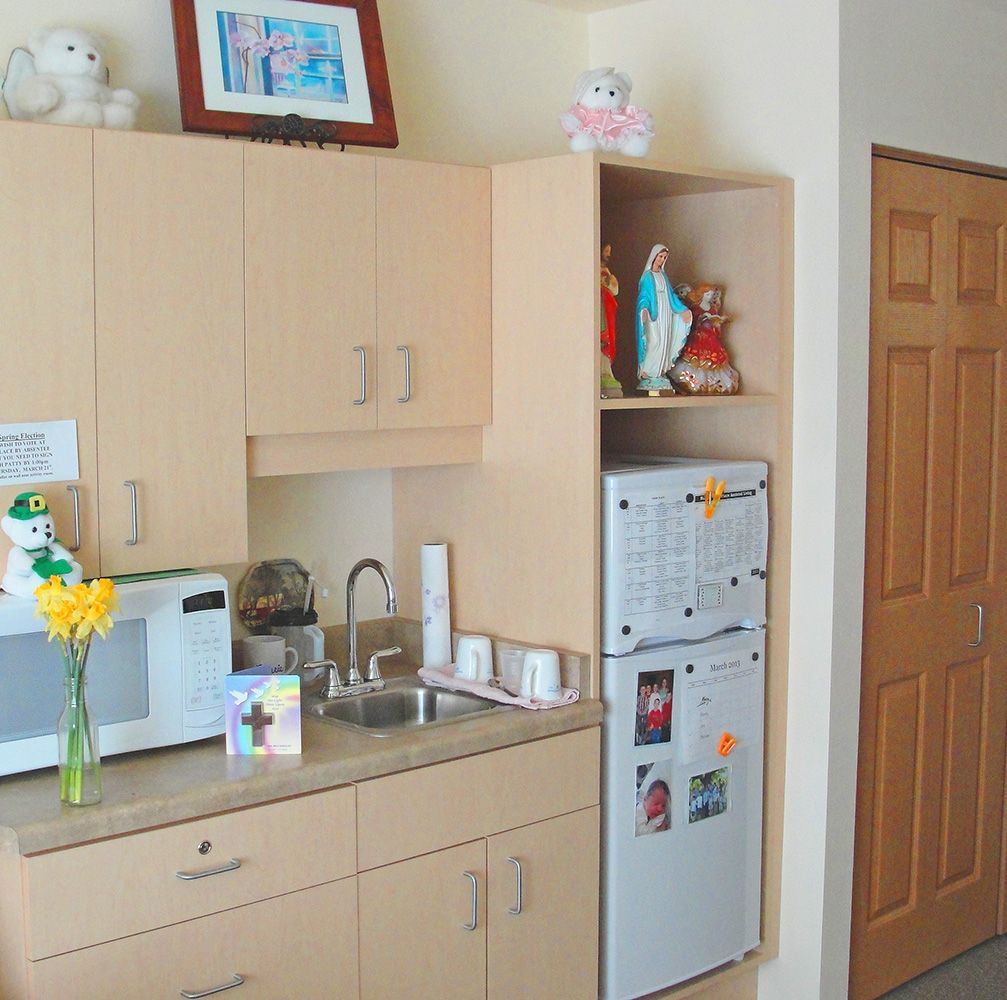
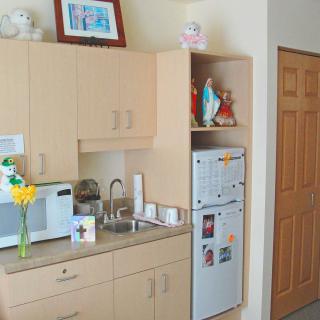
 Kitchenette
 Move-in coordination
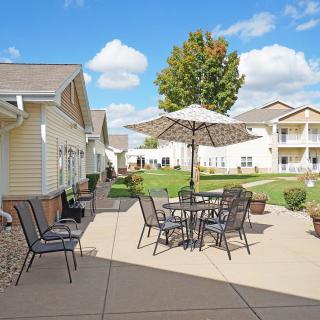
 Outdoor space
 Overnight guests
 Resident parking
 Restaurant-style dining
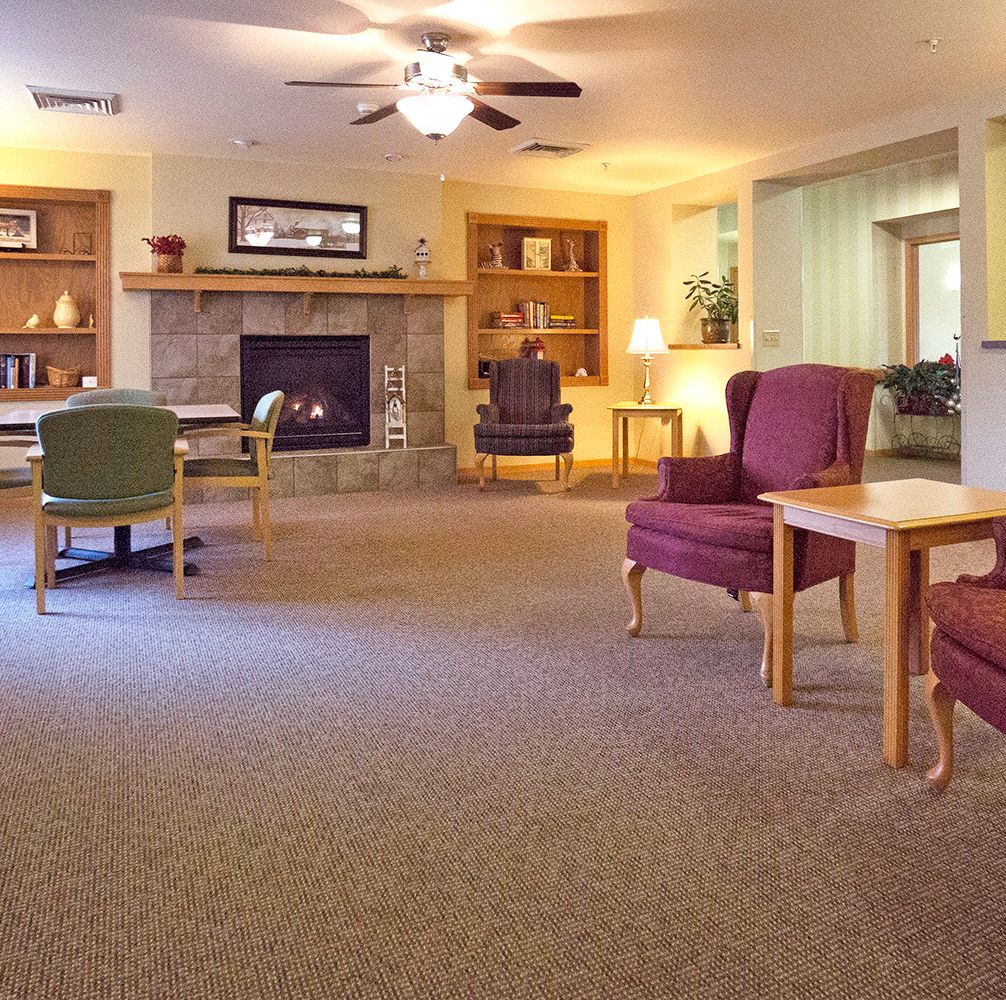
 Small library
 Spa
Spa Telephone
 Wi-Fi/high-speed internet available
 Transportation & parking
 24-hour call system
 Activities of daily living assistance
 Assistance with bathing
 Assistance with dressing
 Assistance with transfers
 Diabetes diet
 Medication management
 Mental wellness program
 Special dietary restrictions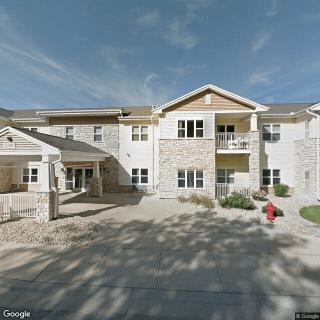


 Understanding Dementia Through Its Seven Stages: A Comprehensive Look at Progression and Expectations
 A Holistic Dementia Care Guide: Effective Strategies for Memory Support
 Memory Care Pathways: A Holistic Guide to Dementia Support