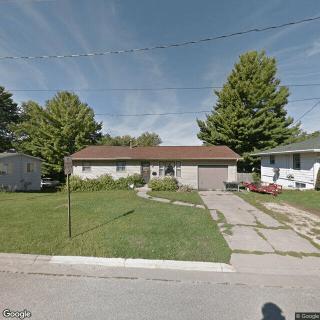
1155 North Elm Street, Platteville, WI 53818
For more information about senior living options: (866) 208-4318
Overall Review of Park Place Memory Care
Pros
 The staff are very caring and do everything possible to help residents adapt to their new setting.
- Residents have nothing but good things to say about the staff.
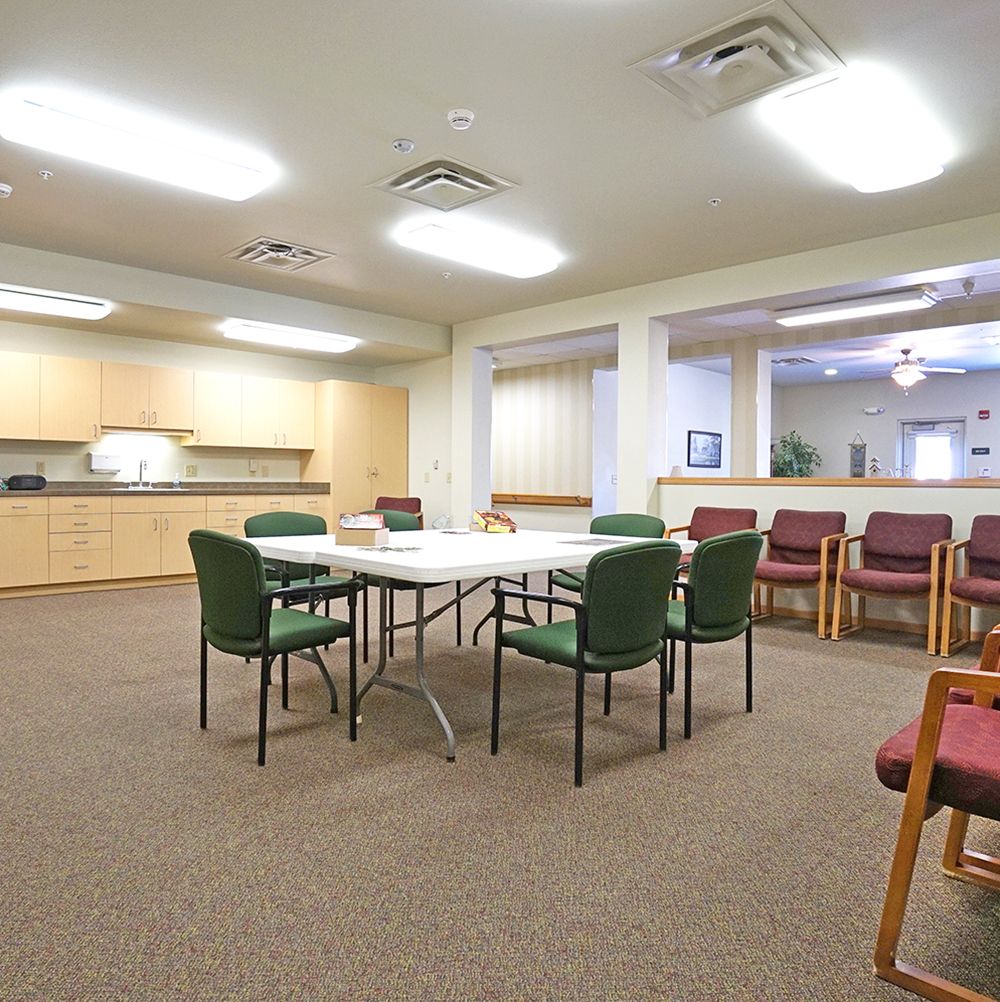
- The facility offers many activities and keeps residents very active, including daily exercise, movies, sing-alongs, and outings.
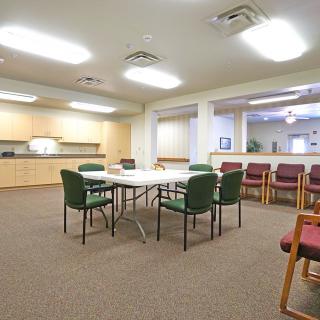
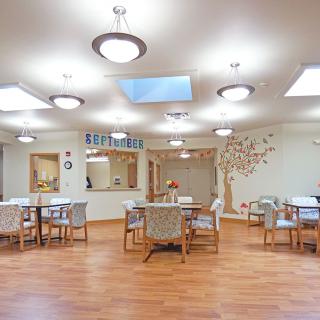
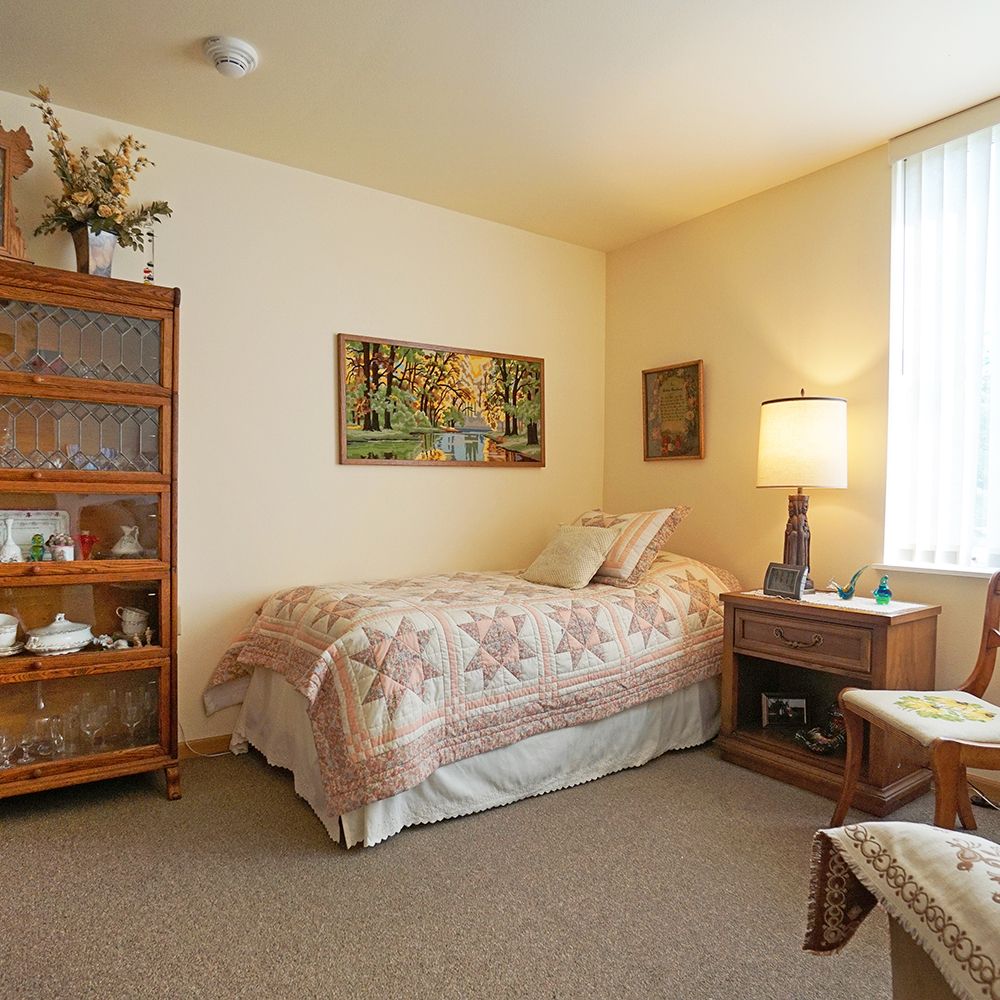
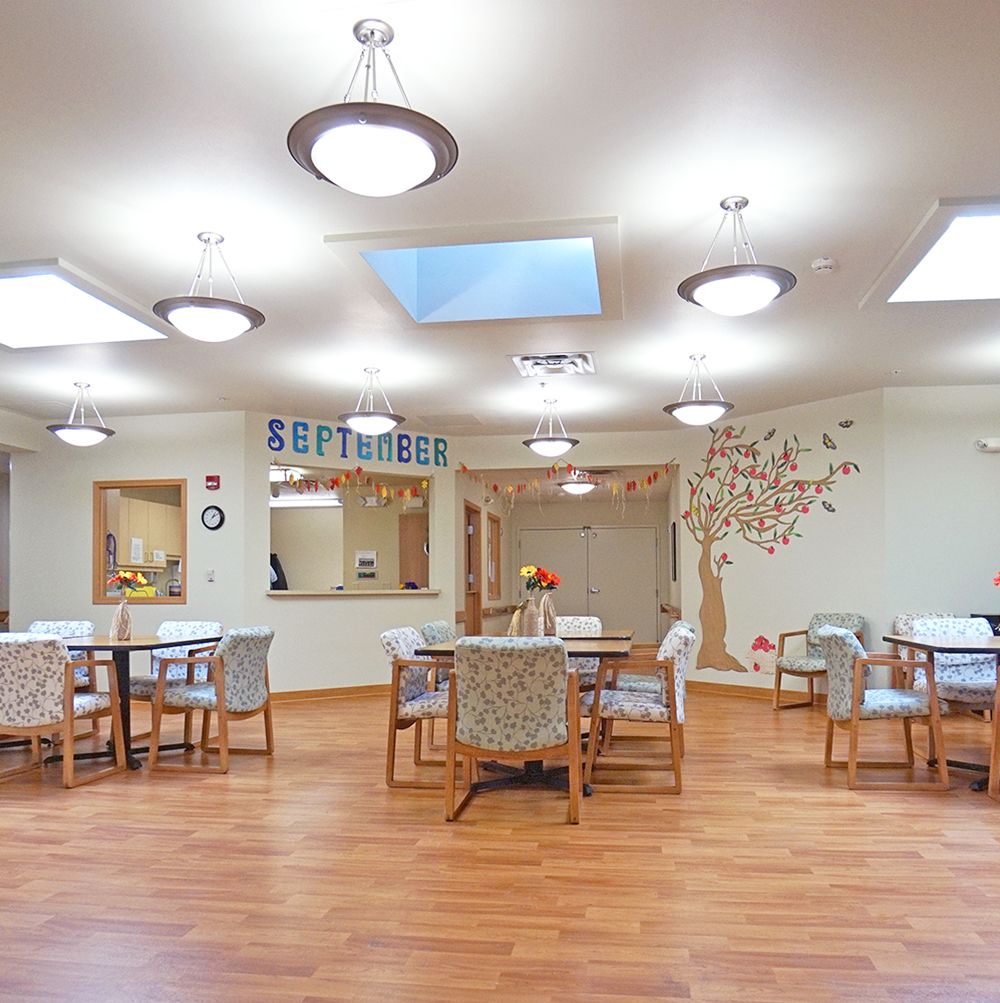
- The facility is clean and safe, with large windows providing abundant natural light.
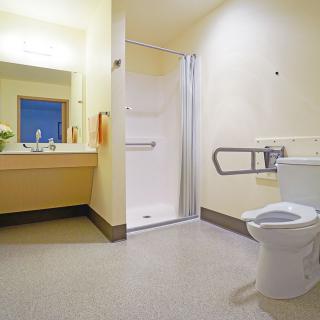
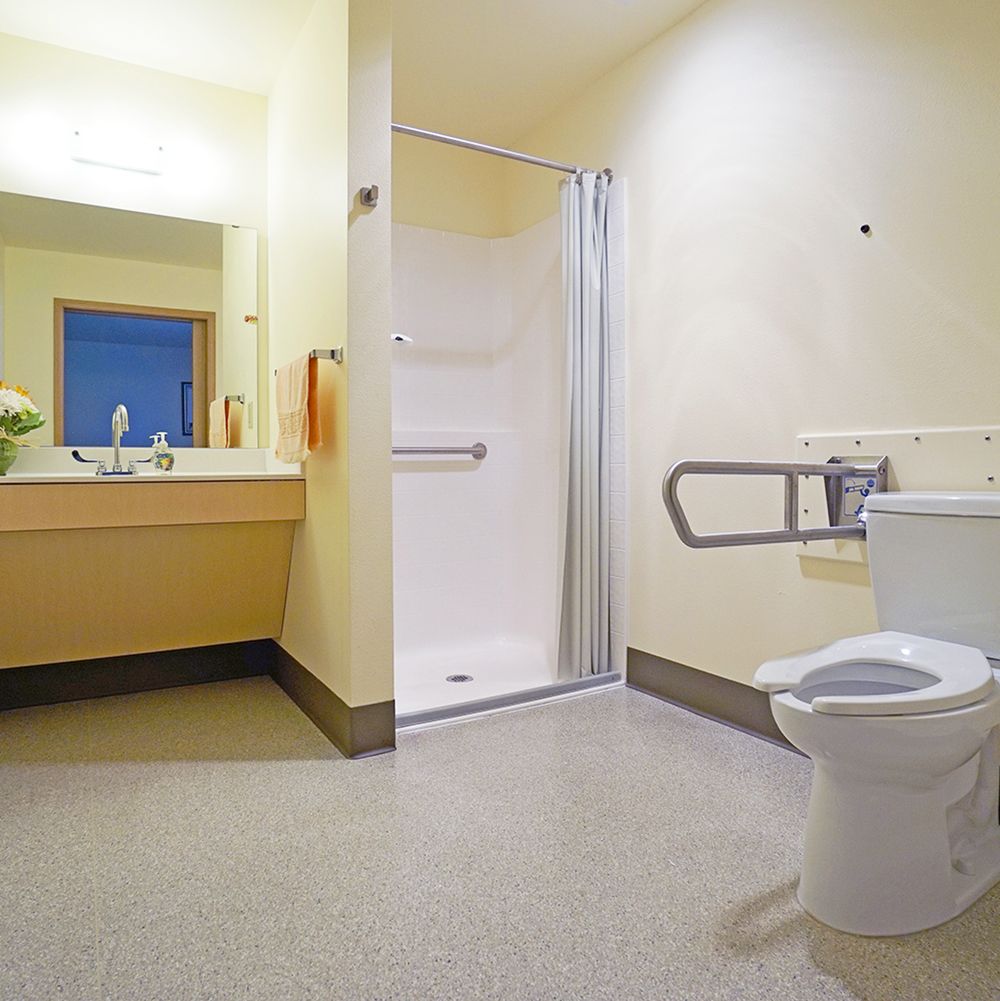
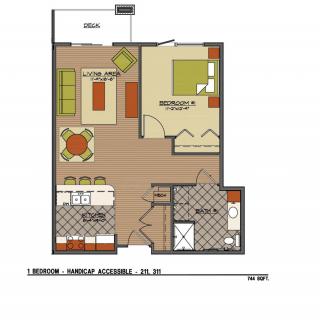
- Bathrooms are large and equipped with walk-in showers.
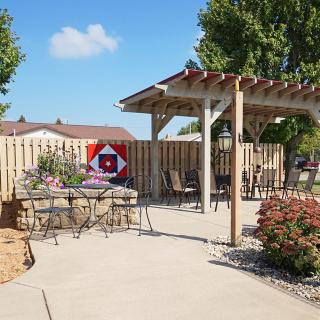
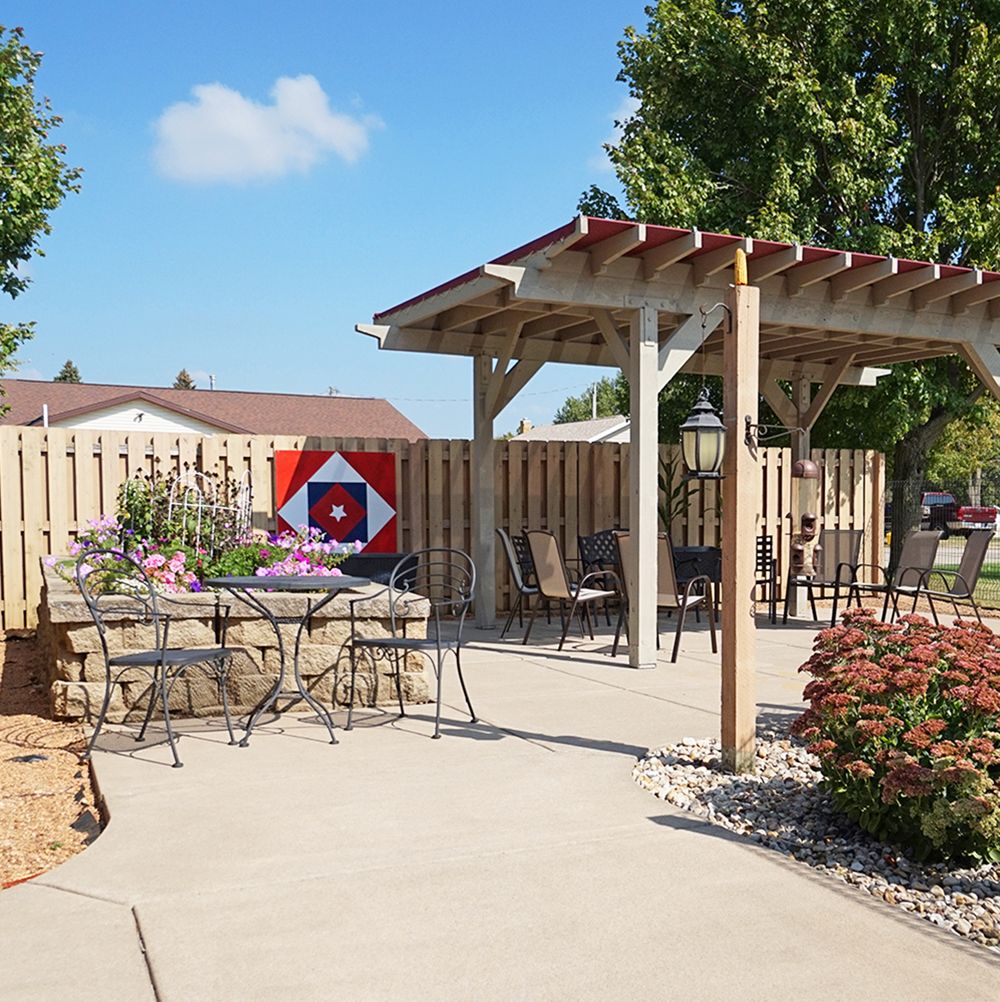
- There is a sheltered gazebo and outdoor space where residents can garden and enjoy seasonal plants.
- The food has been fantastic, with only a few meals not preferred.
- The staff-to-resident ratio is among the best in the state, ensuring good care.
Cons
 The facility is pretty pricey.
- The memory care unit has no nursing, so residents would have to leave to get nursing care.
- There were one or two meals that she didn’t care for.
Review
Park Place Memory Care in Platteville is best suited for families seeking a memory-care-focused environment with a proven emphasis on daily structure, social engagement, and attentive staff. This community benefits residents who thrive on a busy, activity-rich routine and who value a safe, clean setting with ample natural light. The memory-care unit delivers a calm, supervised atmosphere where residents participate in morning exercise, movies, sing-alongs, and regular outings, helping to keep cognitive and emotional needs addressed through consistent programming. The facility’s design, large windows, walk-in showers, and accessible spaces such as a sheltered gazebo, supports independence while minimizing friction for those who require help with daily tasks. Food is a noted strength, and the on-site atmosphere is described as safe, welcoming, and well-kept, all of which contribute to a sense of normalcy for families navigating memory decline.
That said, certain realities warrant careful consideration before choosing Park Place. Those whose care plan requires on-site nursing or continuous medical oversight may want to explore alternatives with a broader continuum of medical services. One of the two reviewed experiences notes that the related assisted-living option does not offer in-house nursing, meaning residents needing regular medical attention would likely need to transfer to another facility. For families weighing costs, the acknowledgment of “pretty pricey” positioning suggests a budget sensitivity that should be weighed against the value placed on high staffing ratios and engaging programming. If peace of mind hinges on immediate access to skilled nursing or emergency medical support, Park Place’s current positioning may fall short.
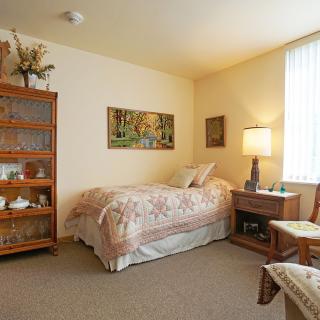
From a strengths perspective, the core pros align strongly with what families often prioritize in memory care. The staff are described as exceptionally caring, responsive, and dedicated to helping residents adapt to their environment. Activity programming is robust and varied, including exercise, themed events, movies, music, and outdoor experiences, all of which contribute to consistent stimulation and meaningful engagement. The environment reinforces safety and comfort: spotless facilities, secure access, and thoughtfully laid-out spaces. The presence of bright, sunny rooms, large bathrooms with walk-in showers, and outdoor areas like a gazebo and garden activities can significantly reduce agitation and enhance a resident’s daily quality of life. Food quality receiving praise further strengthens daily life value for residents.
Yet the main drawbacks cannot be ignored. The most evident con is cost. For many families, price becomes a gating factor, especially when competing options offer similar programming with less financial impact. Another limitation to consider is the lack of on-site nursing in the adjacent assisted-living context, which raises questions about what happens when medical needs escalate or when a resident’s condition requires closer oversight. While the memory-care unit itself is equipped for day-to-day needs and cognitive support, the absence of integrated medical custodianship could necessitate transitions or outside services as care demands change.
The key pros do offset the cons in meaningful ways for the right resident profile. High staff-to-resident ratios translate into more hands-on attention, quicker response times, and greater opportunities for individualized activities, all of which are crucial for memory care. The abundance of structured activities and social opportunities helps maintain routine, reduces isolation, and provides a sense of purpose, which can blunt the emotional and behavioral fluctuations common in memory conditions. A clean, secure, sunlit environment supports physical safety and mental well-being, while the robust dining program and accessible spaces contribute to overall satisfaction and daily stability. In short, for families prioritizing engagement, safety, and a high-touch care approach, the advantages can clearly justify the investment.
For families evaluating Park Place Memory Care, the practical conclusion is straightforward: this community excels for memory-impaired seniors who crave an active, socially rich daily life delivered by genuinely caring staff, in a bright and secure environment. It is less ideal for those requiring consistent on-site nursing or for households with tight financial constraints where the price would compromise other essential needs. Prospective families should explicitly verify the level of medical oversight available on-site, understand how care levels are managed over time, and assess whether the total cost aligns with long-term goals and budgets. Visit with a checklist focused on staffing patterns, daily schedules, medication management, and contingency plans for escalating care, and compare with other campuses that offer integrated medical services. Park Place Memory Care stands out as a practical, capable choice for memory care when the resident’s needs align with its distinctive strengths and when budget flexibility allows for its premium care model.
 17 resident community capacity
 Memory Care
 Cable or satellite TV
 Dining room
 Fully furnished
 Garden
 Housekeeping services
 Move-in coordination
 Outdoor space
 Telephone
 Wi-Fi/high-speed internet available
 24-hour supervision
 Activities of daily living assistance
 Assistance with bathing
 Assistance with dressing
 Assistance with transfers
 Diabetes diet
 Hospice waiver
 Meal preparation and service
 Medication management
 Mental wellness program
 Special dietary restrictions
 Transportation arrangement (medical)
 Transportation to doctors appointments


 A Thorough Discussion of Medications Potentially Linked to Dementia Risk
 Why Do Dementia Patients Sleep So Much? Understanding Oversleeping, Stages, and Care Approaches
 8 Key Indicators That Suggest It May Be Time to Transition from Assisted Living to Skilled Nursing Care