Northside

900 North Fourth Street, New Richmond, WI 54017

For more information about senior living options: (844) 490-3973

4 from 8 reviews
5 stars
6
4 stars
0
3 stars
0
2 stars
0
1 stars
2

Assisted Living

Overall Review of Northside

Pros

  • pro The facility is beautiful with large private rooms for each resident.
  • pro The staff are amazing and provide the best care and support.
  • pro Families feel fortunate and can rest easy knowing their loved ones are well cared for.
  • pro The facility is very clean and well kept, with residents greatly cared for and staff who are thorough.
  • pro The rehab team is wonderful, and the long-term care rooms are spacious and well set up.
  • pro All rooms are private, adequately sized, and can be personalized with built-in knickknack shelves and photos; each room has a private bathroom that is wheelchair accessible with a handheld shower and built-in shower seat.
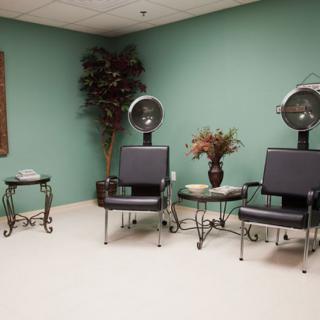
  • pro The facility offers a full range of PT equipment, billiards, planned activities, and a salon.
  • pro The staff walk families through required transitions and tasks, reducing stress and guiding them through the process.

Cons

  • pro My grandfather was starved to death in that place.
  • pro The place is an absolute disgrace.
  • pro There are so many administrators here that the place in theory should be run well.
  • pro They were always short staffed and had poor communication with the different shifts of nurses, and CNAs.
  • pro The State Department of Human Services - Division of Quality Insurance conducted an investigation and found sufficient evidence to confirm violations of state/federal laws.
  • pro The social worker Lisa Lehey was condescending, uncaring, and downright disrespectful.

Review

The reviews about the St. Croix facility in the St. Croix County area present a striking contrast between glowing praise and shocking accusations. On one end of the spectrum, families describe a facility that feels welcoming, well kept, and purposefully designed for comfort and rehabilitation. They emphasize large private rooms, careful attention from staff, and a sense that their loved ones are in capable hands. The property is portrayed as aesthetically pleasing and well maintained, with a range of amenities meant to support both short-term rehab and long-term residency. In these accounts, the staff are repeatedly lauded for their kindness, professionalism, and the depth of care they provide, creating a reassuring environment for families worried about serious health needs.

Readers who speak positively about the St. Croix center highlight not only the physical space but also the operational side of care. The facility is described as clean and orderly, with private rooms that feel comfortable and customizable - including built-in shelves for personal mementos and the ability to decorate walls with photos. The bathrooms are noted for accessibility, equipped with features like handheld showers and built-in seating. The rehabilitation team is singled out for its effectiveness, and the long-term care rooms are described as spacious and well arranged. Such reviews emphasize a holistic approach to well-being, with a spectrum of activities, access to physical therapy equipment, billiards, planned events, and even a salon to support resident quality of life. For families facing post-surgical rehab or a transition from hospital to a long-term setting, these remarks frame the facility as a supportive and capable option.

Another thread in the positive reports concerns the administrative and logistical support offered to families navigating complex care transitions. One family recounts moving a relative from Minnesota to Wisconsin and finding staff who walked them through the process - explaining the steps needed to transfer services and SSI, then delivering a concrete, actionable plan. The relief and reduced stress they describe suggest that the staff can function as a crucial partner during what can otherwise be an overwhelming bureaucratic journey. This aspect of care, in addition to the direct clinical and personal attention, is presented as a meaningful strength of the facility.

Several testimonials underscore the practical benefits of the facility's layout and programming. The presence of a full spectrum of physical therapy equipment, in-house rehab services, recreational opportunities, and social spaces like a salon contributes to a sense of normalcy and engagement for residents. The ability to personalize rooms and to create a familiar, homelike atmosphere can be particularly important for long-term residents or those entering rehab after an illness or surgery. In these accounts, the combination of professional care with a warm, considerate environment is repeatedly cited as a key reason for choosing St. Croix.

Yet, the same reviews ecosystem contains pointed and devastating allegations about care failures. One reviewer starkly claims that their grandfather was starved to death in the facility and states a firm resolve never to place a loved one there. This profoundly negative perspective stands in stark contrast to the other testimonials and reflects an unambiguous, personal tragedy that colors the overall impression of the facility for that family. The emotional intensity and severity of this claim cannot be ignored in evaluating the overall picture of care at the center.

A second, equally detailed negative account focuses on a specific family member's experience with aging and dementia in Long-Term Care. The reviewer describes persistent understaffing, poor communication across shifts, and multiple health deteriorations - significant weight loss, bruising with unknown causes, a pressure sore, pneumonia, a UTI, and an eye infection. The account includes the unsettling detail of video documentation showing CNAs performing peri-care without gloves, and notes consistent periods when their loved one was left without adequate comfort, care, or attention during a particular shift. According to this narrative, an investigation by the State Department of Human Services - Division of Quality Assurance found sufficient evidence of violations of state and federal laws, and the reviewer asserts that their relative was denied basic dignities, including routine toileting and access to preferred foods. The social worker named in the account is described as condescending and uncaring, and the reviewer laments systemic issues that affect residents who may have limited financial resources.

This second family also recounts the broader context: despite numerous administrators at the facility, the lived reality felt undermined by staffing challenges and communication gaps. The reviewer emphasizes that their loved one depended on Medicare and Wisconsin Medicaid, and that dementia and advanced age can complicate care needs. They express deep regret and grief, concluding with a belief that entrusting their loved one to the facility had a lasting, painful impact on their family.

Taken together, the collection of comments paints a complex portrait of the St. Croix facility. There are clear, consistent messages about a beautiful campus with comfortable, spacious private rooms, a robust rehabilitation program, courteous and capable staff, and a strong focus on personalized care and family involvement. These positive voices describe a place where families feel their loved ones receive attentive, comprehensive support and where transitions between care stages can be navigated with professional guidance.

On the other hand, there are powerful, emotionally charged accounts of neglect and harm. The troubling stories move beyond dissatisfaction with staffing or communication to allegations of severe mistreatment, inadequate hygiene, and systemic violations that culminated in investigations and a sense of irrevocable loss. These accounts emphasize the fear and grief that accompany serious health declines in a setting that a family trusted with the care of someone they loved. They also underscore the crucial reality that the quality of care can vary and that oversight, accountability, and proactive safety measures remain essential.

For anyone considering this facility, the reviews suggest a need for careful, balanced due diligence. Visitors and prospective residents should weigh the consistently praised aspects - renovated, spacious rooms, a well-equipped rehab program, engaging activities, and a supportive staff culture - with the stark, grave warnings about possible neglect and regulatory concerns. Prospective families may benefit from direct conversations with multiple staff members, a review of staffing ratios and shift coverage, and a thorough check of recent state inspections and any corrective action plans. In short, the facility appears capable of delivering excellent care in many cases, but there is also a non-negligible history of deeply troubling experiences that warrant serious attention and ongoing vigilance.

Features

Housing

  • 4 resident community capacity 4 resident community capacity

Types of Care

  • Assisted Living Assisted LivingAssisted living facilities provide crucial support and care for seniors who may need help with daily tasks such as medication management, bathing, and meal preparation. These communities offer a safe and comfortable environment where seniors can maintain their independence while receiving the assistance they need to thrive in their golden years.

Amenities

  • Cable or satellite TV Cable or satellite TVCable or satellite TV is important for seniors because it provides entertainment, news, and companionship, helping to combat loneliness and boredom. It also offers a wide range of programming options tailored to different interests and preferences.
  • Dining room Dining roomDining rooms are important for seniors as they provide a space for socialization, connection, and nutritious meals. They offer opportunities for residents to bond over shared meals, foster a sense of community, and promote healthy eating habits. Dining rooms also ensure that seniors have access to well-balanced meals tailored to their dietary needs and preferences.
  • Fully furnished Fully furnishedFully furnished senior living communities are important for seniors because they provide convenience, comfort, and a hassle-free moving experience. Seniors can easily settle into their new living space without the stress of having to buy and move furniture. This allows them to focus on enjoying their new home and community.
  • Garden GardenGardens are important for seniors as they provide a peaceful and therapeutic environment for relaxation, physical activity, and socialization. Being in nature has been shown to reduce stress, improve mood, and promote overall well-being. Gardens also offer opportunities for seniors to engage in gardening activities, which can improve mobility, flexibility, and cognitive function. Additionally, gardens create a sense of community and connection with others who share a passion for plants and outdoor spaces.
  • Housekeeping services Housekeeping servicesHousekeeping services are important for seniors because they help maintain a clean and safe living environment, promote independence, and reduce the risk of accidents or illnesses. Additionally, having assistance with household chores can alleviate physical strain and allow seniors to focus on other aspects of their well-being.
  • Move-in coordination Move-in coordinationMove-in coordination is important for seniors because it helps ease the transition into their new living environment. It ensures that all logistics, such as packing, organizing movers, and setting up utilities are taken care of, allowing seniors to focus on settling in and adjusting to their new home. Having a smooth move-in process can alleviate stress and anxiety, making the transition smoother and more enjoyable for seniors.
  • Outdoor space Outdoor spaceOutdoor spaces are important for seniors as they provide opportunities for physical activity, social interaction, exposure to natural light and fresh air, and a sense of connection to nature. Having access to outdoor spaces can improve overall well-being and quality of life for older adults living in senior communities.
  • Telephone TelephoneTelephones are important for seniors as they provide a lifeline for communication with loved ones, emergency services, and healthcare providers. They offer a sense of security and independence, enabling seniors to stay connected and access assistance when needed.
  • Wi-Fi/high-speed internet available Wi-Fi/high-speed internet availableWi-Fi/high-speed internet is important for seniors to stay connected with loved ones, access online resources, and participate in virtual activities to combat feelings of loneliness and isolation. It also allows them to easily manage healthcare needs, access entertainment, and engage in lifelong learning opportunities.

Care Services

  • 24-hour supervision 24-hour supervision24-hour supervision is important for seniors to ensure their safety, well-being, and access to immediate assistance in case of emergencies or health issues. This constant support provides peace of mind for both seniors and their loved ones, allowing them to age in place with dignity and security.
  • Activities of daily living assistance Activities of daily living assistanceActivities of daily living assistance are important for seniors because they provide essential support with tasks such as eating, bathing, dressing, and mobility. This assistance helps seniors maintain their independence, dignity, and overall quality of life as they age.
  • Assistance with bathing Assistance with bathingAssistance with bathing is crucial for seniors as it helps maintain personal hygiene, prevents infections, and ensures their overall well-being and comfort. It also provides a sense of dignity and independence for seniors who may struggle with this task on their own.
  • Assistance with dressing Assistance with dressingAssistance with dressing is important for seniors because it helps maintain their independence, promotes personal hygiene, prevents accidents and injuries, and improves overall quality of life. This service ensures that seniors can continue to dress comfortably and confidently, despite any physical limitations they may have.
  • Assistance with transfers Assistance with transfersAssistance with transfers is crucial for seniors as it helps prevent falls and injuries, maintains their independence, and ensures they can safely navigate their living environment. It also provides peace of mind for both seniors and their loved ones.
  • Coordination with health care providers Coordination with health care providersCoordination with health care providers is crucial for seniors to ensure proper medical care, medication management, and overall well-being. This collaboration helps prevent overlapping treatments, track progress more effectively, and provide comprehensive support tailored to individual needs.
  • Diabetes diet Diabetes dietA diabetes diet is crucial for seniors as it helps manage blood sugar levels, reduce risks of complications, and improve overall health and well-being. By following a balanced and nutritious diet tailored to their specific needs, seniors can better control their diabetes and enhance their quality of life.
  • Meal preparation and service Meal preparation and serviceMeal preparation and service are crucial for seniors as they may have limited mobility or energy to cook nutritious meals. Having access to healthy and convenient food options can ensure they are getting the proper nutrition needed to maintain their overall health and well-being.
  • Medication management Medication managementMedication management is crucial for seniors to ensure they are taking the right medications at the correct dosages and times. This helps prevent adverse drug interactions, reduces the risk of medication errors, and promotes overall health and well-being. Proactive management also allows for adjustments as needed based on changing health conditions or new prescriptions.
  • Special dietary restrictions Special dietary restrictionsSpecial dietary restrictions are important for seniors because age-related changes in metabolism and health conditions can make it difficult for their bodies to process certain foods. By following a diet tailored to their specific needs, seniors can maintain their overall health and well-being, manage chronic conditions, and reduce the risk of complications such as malnutrition or food interactions with medications.
  • Transportation arrangement (medical) Transportation arrangement (medical)Transportation arrangements for medical purposes are essential for seniors as they may have difficulty driving themselves to appointments or accessing public transportation. Having reliable and safe transportation options ensures that seniors can receive timely medical care and maintain their health and well-being.
  • Transportation to doctors appointments Transportation to doctors appointmentsTransportation to doctors' appointments is crucial for seniors as it ensures they have access to necessary medical care and support for their health needs. Without reliable transportation, seniors may struggle to attend important appointments, leading to potential delays in treatment and health complications. Providing transportation services helps seniors maintain their overall well-being and quality of life.

Dining

  • Diabetes diet Diabetes dietA diabetes diet is crucial for seniors as it helps manage blood sugar levels, reduce risks of complications, and improve overall health and well-being. By following a balanced and nutritious diet tailored to their specific needs, seniors can better control their diabetes and enhance their quality of life.
  • Special dietary restrictions Special dietary restrictionsSpecial dietary restrictions are important for seniors because age-related changes in metabolism and health conditions can make it difficult for their bodies to process certain foods. By following a diet tailored to their specific needs, seniors can maintain their overall health and well-being, manage chronic conditions, and reduce the risk of complications such as malnutrition or food interactions with medications.

Activities

  • Community-sponsored activities Community-sponsored activitiesCommunity-sponsored activities are important for seniors as they provide opportunities for social interaction, mental stimulation, and physical activity. These activities can help improve overall well-being, combat loneliness and isolation, and promote a sense of belonging and purpose among older adults.
  • Scheduled daily activities Scheduled daily activitiesScheduled daily activities are important for seniors because they provide structure, socialization, mental stimulation, and physical activity. Engaging in regular activities can improve overall well-being and quality of life for seniors living in a community setting.

Description

The Northside assisted living community in New Richmond, WI offers a range of amenities and care services to support the residents' daily lives and well-being. The community features a comfortable dining room where residents can enjoy delicious meals prepared and served by the staff. The accommodations are fully furnished, providing a convenient and cozy living environment for the residents.

The Northside community also boasts a beautiful garden and outdoor space, allowing residents to relax and enjoy nature. Housekeeping services ensure that the living spaces are always neat and tidy. Move-in coordination is provided to make the transition into the community as smooth as possible.

For connectivity needs, telephone and Wi-Fi/ high-speed internet services are available throughout the community. This allows residents to stay connected with their loved ones, access information online, or engage in virtual activities.

To assist with daily tasks, trained staff members offer assistance with activities of daily living such as bathing, dressing, and transfers. The staff also coordinates with healthcare providers to ensure that each resident receives appropriate medical attention when needed. Diabetes diets are provided for those who require it.

Transportation arrangements for medical appointments are available to ensure that residents have easy access to necessary healthcare services. In addition, there are nearby cafes, pharmacies, physicians' offices, restaurants, places of worship, and theaters for added convenience and variety in leisure activities.

Furthermore, scheduled daily activities are offered to keep residents engaged and entertained within the community. Overall, Northside provides a supportive environment where seniors can receive personalized care while enjoying various amenities and convenient access to nearby facilities.

Nearby Places of Interest

This part of New Richmond, Wisconsin offers a variety of amenities and services that cater to senior living needs. There are multiple restaurants, cafes, pharmacies, and transportation options within close proximity, making it convenient for seniors to access essentials. Additionally, there are several reputable physicians' offices nearby for healthcare needs. The area also boasts a diverse selection of places of worship for spiritual enrichment. For recreation and relaxation, numerous parks are located within a short driving distance. In case of emergencies or medical care, there are hospitals in the vicinity as well. Overall, this neighborhood provides a well-rounded environment with resources that can enhance the quality of life for seniors looking to settle in the area.

Restaurants

  • Azul Tequila (0.7 miles)
  • McDonald's (0.7 miles)
  • Huey's Bar (0.7 miles)
  • Wild Badger (0.9 miles)
  • China House (1.9 miles)
  • Culver's (2 miles)
  • Royal Buffet Family Re (2.1 miles)

Cafes

  • Not Justa Cafe (0.7 miles)
  • Jewelltown Roastery (4.8 miles)
  • Magpie Coffeehouse and cafe (5.4 miles)
  • Marine Cafe (11.7 miles)
  • Dock Cafe (13.4 miles)
  • Shelly's Northside (14 miles)
  • The Hazelnut Tree (14.2 miles)

Transportation

  • U-Haul Moving & Storage (0.8 miles)
  • U-Haul Neighborhood Dealer (1.7 miles)
  • Outdoor Obsession Taxidermy (3.9 miles)
  • U-Haul (8.9 miles)

Physicians

  • Hudson Hearing Clinic (0.8 miles)
  • New Richmond Clinic (0.8 miles)
  • Associated Eye Care (1 miles)
  • Persing James S MD Psychiatric Consultants of Western Wisconsin (13 miles)
  • Bluestone Physician Services (13.4 miles)
  • Christenson Vision Care (13.5 miles)
  • HearingLife (13.5 miles)

Theaters

  • Old Gem Theater (0.8 miles)
  • St Croix Hilltop Drive-In (11.2 miles)
  • Hudson Cinema 9 (13.6 miles)

Pharmacies

  • Family Fresh Market (1 miles)
  • Herb'n Farm & Apothecary (1.5 miles)
  • Somerset Drug (5.8 miles)
  • Clinic Pharmacy-Osceola (14 miles)
  • Walgreens (14 miles)
  • Walgreens (14 miles)
  • CVS Pharmacy (14.1 miles)

Places of Worship

  • General Conference Of Seventh-Day Adventists (1.5 miles)
  • Faith Community Church (2.2 miles)
  • Saint Patricks Church (7.2 miles)
  • Roberts Congregational Church (9.4 miles)
  • East Immanuel Lutheran Church (10.3 miles)
  • NUIC Parish (11.6 miles)
  • United Methodist Church (11.9 miles)

Parks

  • Willow River State Park (10.4 miles)
  • Square Lake Park (12 miles)
  • William O'Brien State Park (12.4 miles)
  • Jenson Memorial Park (12.5 miles)
  • Castle Park (13.2 miles)
  • Summer Tuesdays (13.4 miles)
  • Teddy Bear Park (13.5 miles)

Hospitals

  • Longhorn Cafe (11.4 miles)
  • Stillwater Good Samaritan Center (13.8 miles)
  • Ladd Memorial Hospital (13.9 miles)
  • Baldwin Area Medical Center (14 miles)
  • Stillwater Health System (14.2 miles)
  • Hudson Hospital (14.2 miles)

Frequently Asked Questions

Where is Northside?

Nearby Communities

Related Resources

  • activities of daily livingComprehensive Insights into Activities of Daily Living (ADLs) and Their Assessment

    Activities of Daily Living (ADLs) are fundamental tasks vital for an individual's independence, particularly in older adults over 85, and include functions like bathing and dressing; assessing ADLs alongside Instrumental Activities of Daily Living (IADLs) helps determine the level of required assistance due to age-related health challenges. Tailored support plans, involving family and community resources, are essential for maintaining dignity and autonomy in assisted living environments.

  • does medicare pay for assisted livingMedicare Coverage for Assisted Living: An In-Depth Exploration

    Medicare does not cover assisted living costs, as it focuses on acute medical needs and short-term care, with exceptions for certain medically necessary services like physical therapy. Individuals must explore other options such as Medicaid, veterans' benefits, or long-term care insurance to manage these expenses effectively.

  • luxury assisted livingYour Comprehensive Guide to Luxury Assisted Living: Elevated Facilities, Amenities, and Costs

    Luxury assisted living offers high-quality senior care in a resort-like environment that combines essential medical support, gourmet dining, and personalized services to enhance residents' independence and well-being. These upscale facilities emphasize holistic health and community-building through customized care plans and social activities, catering to the growing demand for enriched senior living experiences despite higher costs.