
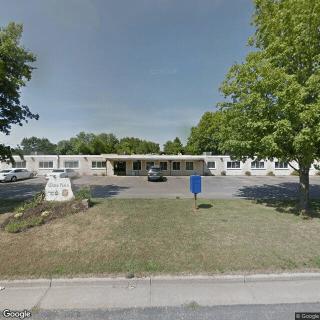
1127 West Eighth Street, New Richmond, WI 54017
To contact a resident: (715) 243-3900
For more information about senior living options: (866) 208-4318
Overall Review of The Deerfield
Pros
 The staff at Deerfield are professionals who perform their duties with love.
- The Deerfield team stands by families every moment, offering compassionate end-of-life support.
- Deerfield is trusted with the care of precious loved ones.
- The staff are consistently helpful, kind, and keep families updated.
- The memory care team at Deerfield provides good care, with long-tenured doctors and nurses showing expertise.
- The Deerfield community has caring staff, a beautiful place, and good meals.
Cons
 They refuse to use the lift to assist residents, implying poor care for those who need help.
- If a family member needs bathroom assistance, they are effectively written off as dead, as bedsores can develop from not getting up and Morphine is used to treat pain caused by the neglect.
- They are described as being fine with assisted death from dehydration, preferring oral morphine to topical in order to sedate the patient.
- Their practices are described as inhumane and have been reported to the state.
- They do not encourage life and will force morphine while not forcing water, effectively hastening death.
- A patient can say no to something like a drug, but they won’t listen; if it’s water, they argue the patient is refusing life.
- There are reports of nurses administering morphine and then leaving the room, not monitoring the patient as required by law.
- The Deerfield offers fewer rooms, dining options, and places to go, making it less accommodating than larger facilities.
Review
The Deerfield in New Richmond is best suited for families seeking a small, intimate senior living environment where a steady, compassionate care team forms the backbone of daily life. It works well for residents who need memory-care support or end-of-life planning near home, and for families who value continuity, the same caregivers and nurses tend to be on site for extended periods, which creates a sense of familiarity and trust. The community’s proximity to a hospital is a practical asset for urgent needs, and the lower price point that comes with a smaller footprint can be a decisive factor for budget-conscious families. Those who prioritize a wide variety of dining venues, a bustling campus atmosphere, or aggressive, hands-on clinical oversight may want to explore alternatives.
On the plus side, the strongest advantages lie in staff dedication and stability. Families repeatedly describe Deerfield staff as professional, kind, and genuinely caring, with caregivers who show up consistently and build relationships over time. This continuity matters deeply for memory care and end-of-life scenarios, where knowing the faces and routines can reduce anxiety for residents and their families. The memory-care wing earns praise for having regular, seasoned staff and clinicians who are familiar with residents’ histories, contributing to smoother daily care and more predictable responses to needs. Additionally, the overall environment, compact, easier navigation, and rooms that provide essential comforts, helps residents settle in more quickly, while price discipline due to the smaller scale appeals to families watching dollars without sacrificing core care.
Yet, not all feedback aligns with the strongest positives. The Deerfield’s smaller size translates into a more limited array of dining options, activities, and shared spaces, which can leave some residents feeling unfinished in terms of social and dietary variety. The campus architecture and room count also mean fewer private or semi-private options and less crowd-derived energy than larger communities. A subset of reviews raise serious concerns about care practices, including mobility support for adults who require frequent assistance, with claims of bedsores tied to insufficient movement, and even distressing allegations regarding dehydration and sedative use in end-of-life scenarios. These reports underscore the necessity of rigorous, ongoing oversight and transparent care practices when choosing Deerfield.
The way the available strengths balance the drawbacks depends on what families are seeking. The consistent, caring staff and intimate setting can offset some limitations for residents who value stable relationships and straightforward routines, especially in memory care where familiarity matters. Proximity to a hospital offers reassurance for families worried about emergent needs, and the lower cost relative to larger campuses makes it plausible to maintain quality care without overextending budgets. However, the weight of the more troubling safety and care-ethics concerns, if unaddressed, can erode trust and daily peace of mind. Prospective buyers should weigh the comfort of a small, close-knit team against the risk of inconsistent monitoring or limited response options in critical moments.
For families considering alternatives, Deerfield is less compelling if a broad amenity slate, rich dining programming, or aggressive safety oversight is nonnegotiable. Those who demand a robust, transparent care culture with strong governance, frequent third-party oversight, or easily accessible specialists may find greener pastures elsewhere. It’s wise to compare state inspection records, read multiple family testimonials, and speak directly with administration about staffing ratios, mobility support procedures, hydration protocols, and pain-management philosophies before committing. If choosing Deerfield, plan for a thorough, multi-stakeholder visit that includes conversations with front-line caregivers, a review of care plans, and a close look at how end-of-life decisions and daily comfort are documented and monitored.
In the end, this community can be a sound choice for families prioritizing warmth, continuity, and cost efficiency in a small, neighborly setting, especially for memory-care residents who benefit from familiar faces and a quieter campus. The decisive steps are clear: verify staffing adequacy for daily mobility needs, request recent surveys or incident logs, and demand explicit, written policies on hydration, pain control, and resident monitoring. If these assurances cannot be provided convincingly, or if the comfort of a broader activity calendar and more expansive dining options is nonnegotiable, then exploring larger, more diversified options nearby is prudent. The Deerfield remains a compelling option when the priority is intimate, compassionate care near home, balanced by a cautious posture toward safety and oversight.
 17 resident community capacity
 1-bedroom apartments
 Condos / townhomes
 Detached homes
 Assisted Living
 Memory Care
 Skilled Nursing Facility
 Activities on-site
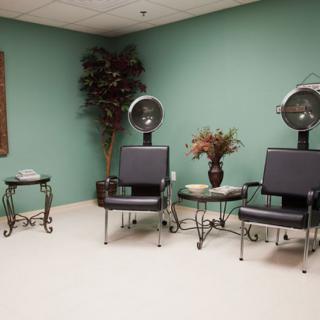
 Beautician on-site
 Cable or satellite TV
 Cafe
Cafe Devotional services off-site
 Dining room
 Financial aid
 Full kitchen
 Fully furnished
 Garden
 General store
 Hiking trails
 Housekeeping services
 Indoor common areas
 Laundry
 Move-in coordination
 Outdoor space
 Party space
 Resident parking
 Respite or short term stays offered
 Telephone
 Wi-Fi/high-speed internet available
 Transportation & parking
 24-hour supervision
 Ambulatory care
 Assistance with bathing
 Assistance with dressing
 Assistance with transfers
 Diabetes diet
 Diabetic care
 Hospice care
 Meal preparation and service
 Medication management
 Mental wellness program
 Physical therapy
 Special dietary restrictions
 Transportation arrangement (medical)
 Arts and crafts
 Cooking club
 Fitness programs
 Games
Games Live musical performances
 Stories
 English



 When to Transition from Assisted Living to Memory Care: Key Indicators, Steps, and Finding the Right Community
 Understanding the Distinctions: Assisted Living and Memory Care Explained
 How to Communicate with a Loved One Living with Dementia: 10 Supportive Strategies