

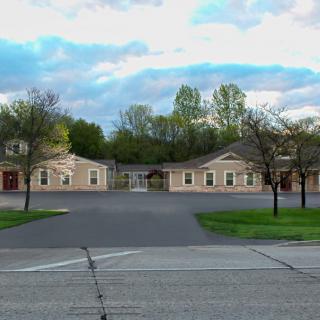
19700 West Cleveland Avenue, New Berlin, WI 53146
For more information about senior living options: (866) 208-4318
Victorian Castle Costs & Pricing
The Victorian Castle offers competitive monthly rates for its accommodations compared to both Waukesha County and the broader state of Wisconsin. For semi-private rooms, residents can expect to pay $4,000, which is notably lower than the county average of $4,369, while still being slightly more affordable than the state average of $3,977. In contrast, private room rates at the Victorian Castle are set at $4,250; this pricing is quite favorable as it remains below the county's figure of $4,205 but slightly above Wisconsin's overall average of $4,339. This positioning demonstrates Victorian Castle's commitment to providing quality living options that balance affordability and comfort within a competitive market.
| Floor plans | Victorian Castle | Waukesha County | Wisconsin |
|---|---|---|---|
| Semi-Private | $4,000 | $4,369 | $3,977 |
| Private | $4,250 | $4,205 | $4,339 |
Memory care communities with a similar price nearby
-
from -$500 / mo

Dolphin Manor
$3,500 / month17.7 miles away -
About the same
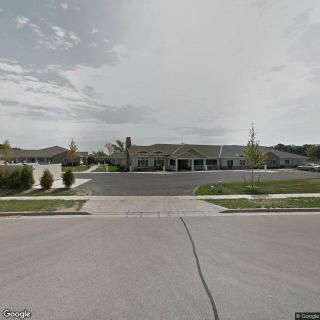
Waterford Senior Living
$4,050 to $5,450 / month16.1 miles away -
About the same

Ellens Home Germantown
$4,000 / month16.2 miles away -
About the same
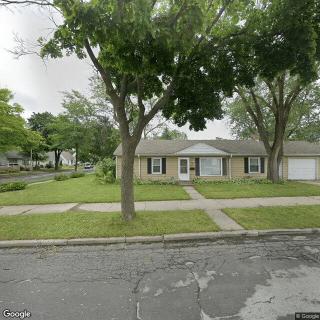
Complete Home Health Care
$4,000 / month12.5 miles away -
from +$275 / mo
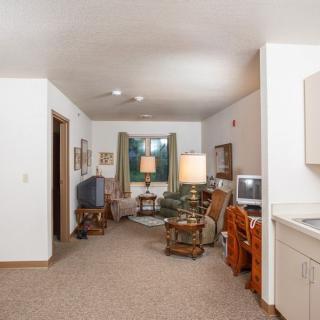
The Waterford at Hartford
$4,275 to $7,400 / month24.7 miles away
Overall Review of Victorian Castle
Pros
 The staff have been described as very positive and supportive.
- Move-in day was well-supported by the Executive Director, Admissions Director, Nursing Director, and Day Staff.
- The on-site staff have been very receptive and positive.
- The staff showed sensitivity and provided support throughout the process.
- The owners are very nice, and the CNA staff and house administrator were caring and attentive.
- The homey atmosphere includes a wooded back yard, screened rear deck, and comfortable furnishings that invite residents to enjoy nature.
- The facility offers activities like crafts, bingo, ice cream socials, and movie nights, contributing to a warm, engaging environment.
Cons
 The facility is by far the worst.
- The executive/management team is the biggest issue.
- They claimed to have dementia expertise but only wanted to fill a bed.
- They broke the BiPAP machine, the resident’s cell phones, and the TV.
- They never cleaned the resident’s room or made his bed.
- They emptied the resident’s half-full shampoo and body wash containers and filled them with water.
- They left the family at the door on a Friday evening and questioned them when they tried to re-enter.
- There were reports of a bed being saturated with urine during visits.
- The reviewer strongly cautions others not to choose this facility.
Review
Victorian Castle is best suited for families seeking a warm, home-like memory-care environment in a rural, wooded setting where staff relationships and a family-style routine can provide genuine comfort. The community shines for residents who thrive on a social, intimate atmosphere: shared meals around a large table, a small-team approach to daily care, and a philosophy that feels more like a home than a hospital. It works particularly for those who value the sense of belonging that comes from a “cottage” or group-home feel, where activities, nature views, and a cozy common area are part of everyday life. It is not the optimal choice for someone needing aggressive medical oversight, strict clinical protocols, or a highly standardized dementia program.
Those who should seriously consider alternatives are families confronting inconsistent leadership or safety questions, and anyone wary of reports that management may overlook critical care gaps. Several reviews highlight severe concerns about accountability, equipment mishaps, and neglectful practices, including incidents that allegedly affected a resident’s medical devices and hygiene. If a loved one requires rigorous dementia-specific protocols, transparent oversight, and dependable, uniform staffing, it is prudent to compare other facilities with stronger documented governance and more consistent outcomes. Also, families prioritizing private accommodations with dedicated bathrooms may find a mismatch here.
The strongest positives, the homey atmosphere, the perceived warmth of the CNAs and house administrator, and the owners’ approachable style, do carry meaningful weight in daily life. When operations run smoothly, families report feeling welcomed, move-in experiences are highly supportive, and long-tenured residents alike enjoy home-cooked meals, social activities, and a calm, communal rhythm. The large rooms and the rural setting offer a sense of space and peace that can translate into a high quality of life for residents who value comfort and convenience over clinical intensity. In short, the pros can deliver real value, but only if leadership, consistency, and real-time problem resolution are consistently strong.
However, the reviews reveal sizable gaps that can undermine the positives: documented lapses in cleanliness, maintenance, and respectful communication, plus serious red flags about how staff handle care and documentation. Odors in bathrooms and the possibility of shared rooms without private baths point to practical concerns that matter for dignity, infection control, and independence. The most consequential risk is inconsistent governance, episodes where operations feel reactive rather than proactive, and where families question whether staff and administrators are aligned around individualized care plans. In such an environment, even a loving, homey setting may not compensate for ongoing safety and quality-of-care doubts.
For families evaluating options, the bottom-line decision hinges on governance as much as atmosphere. Victorian Castle can be a fit for those who prize a welcoming, family-centric routine and are confident in the current leadership’s ability to maintain consistent, attentive care. It is less suitable for those who require stringent clinical oversight, transparent accountability, and guaranteed individualized care protocols. Prospective families should insist on up-to-date, transparent conversations with the executive team and nursing leadership, request current staff-to-resident ratios, and seek specific references from recent residents’ families. Tour the facility with questions about private-room availability, daily care plans, and how housekeeping, hygiene, and equipment maintenance are tracked and resolved. Above all, verify that management’s approach to dementia care aligns with the loved one’s needs, and prioritize a recent, verifiable history of safe, respectful, proactive care.
 8 resident community capacity
 Assisted Living
 Board and Care Home
 Memory Care
 Activities off-site
 Air-conditioning
 Bath tubs
 Beautician on-site
 Cable or satellite TV
 Devotional services on-site
 Dining room
 Fully furnished
 Garden
 Handicap accessible
 Housekeeping services
 Indoor common areas
 Move-in coordination
 Outdoor common areas
 Private
 Private bathrooms
 Telephone
 Wheelchair accessible showers
 Wi-Fi/high-speed internet available
 General Mitchell International (14 miles away)
 24-hour supervision
 Ambulatory care
 Assistance with bathing
 Assistance with dressing
 Assistance with transfers
 Diabetes diet
 Diabetic care
 High acuity care
 Hospice waiver
 Incontinence care
 Meal preparation and service
 Medication management
 Mental wellness program
 Special dietary restrictions
 Transportation arrangement (medical)
 Transportation to doctors appointments
 BBQs or picnics
 Birthday parties
 Day trips and outings
 Live musical performances
 Pet-focused programs
 Trivia games




 Understanding Dementia Through Its Seven Stages: A Comprehensive Look at Progression and Expectations
 A Holistic Dementia Care Guide: Effective Strategies for Memory Support
 Comprehensive Insights into Activities of Daily Living (ADLs) and Their Assessment