Residents describe consistent support through a food pantry.
Several residents say the food pantry helps them get by between paydays and that the items they receive are genuinely useful. Others describe visits as fast and straightforward, with staff or volunteers helping them navigate what to ask for. A few reviews also mention being able to return because the pantry is helpful.
common9 reviews mention this
Donations and a clothes closet
Residents mention donating and receiving clothing as a key service.
Many reviews focus on the ability to donate clothes and on the range of clothing people can get when they need it. Several residents specifically call out the clothes closet or clothing pantry as something they rely on. A few also describe getting helped even when they did not bring items exactly as expected.
common12 reviews mention this
Kind, supportive help stands out
A recurring theme is residents meeting people who are kind and willing to help.
Across multiple reviews, residents describe staff and volunteers as polite, caring, and supportive. Some mention feeling welcomed or treated with respect, and others say they were helped with the resources they needed. A number of the positive reviews highlight volunteers as helpful even when residents were in a tough spot.
caveat5 reviews mention this
Customer service complaints recur
Some residents report rude or threatening interactions.
A smaller set of reviews raise concerns about customer service, including reports of being ignored, treated rudely, or turned away without clear help. One review also describes a volunteer as threatening and says the interaction left them distressed. Another review calls out inconsistent “pick and choose” treatment, and a separate complaint targets attitude during a clothing pantry visit.
common3 reviews mention this
Legal help and practical assistance
Residents mention legal aid and other practical support.
Some reviews explicitly mention legal help, including references to legal aid being available. Others describe staff or the community offering help with practical needs such as bus passes, alongside broader services like job or housing assistance. Residents frame these supports as part of why they visit and reach out for resources.
How we summarize
Counts show how many written reviews mention each theme; a review can touch several themes, and only frequently mentioned themes are displayed.
Features
Housing
4 resident community capacity
Types of Care
Assisted Living
Amenities
Cable or satellite TV
Dining room
Fully furnished
Garden
Housekeeping services
Move-in coordination
Outdoor space
Telephone
Wi-Fi/high-speed internet available
Transportation
General Mitchell International (8 miles away)
Care Services
24-hour supervision
Activities of daily living assistance
Assistance with bathing
Assistance with dressing
Assistance with transfers
Coordination with health care providers
Diabetes diet
Meal preparation and service
Medication management
Special dietary restrictions
Transportation arrangement (medical)
Transportation to doctors appointments
Dining
Diabetes diet
Special dietary restrictions
Activities
Community-sponsored activities
Scheduled daily activities
Nearby Places of Interest
Hospitals
Wheaton Franciscan - St. Joseph Campus (1.3 miles)
Activities of Daily Living (ADLs) are fundamental tasks vital for an individual's independence, particularly in older adults over 85, and include functions like bathing and dressing; assessing ADLs alongside Instrumental Activities of Daily Living (IADLs) helps determine the level of required assistance due to age-related health challenges. Tailored support plans, involving family and community resources, are essential for maintaining dignity and autonomy in assisted living environments.
Medicare does not cover assisted living costs, as it focuses on acute medical needs and short-term care, with exceptions for certain medically necessary services like physical therapy. Individuals must explore other options such as Medicaid, veterans' benefits, or long-term care insurance to manage these expenses effectively.
Choosing between assisted living and nursing homes involves evaluating emotional and financial factors, with assisted living offering independence and support for daily activities at a lower cost, while nursing homes provide intensive medical care for individuals with significant health needs. The decision is influenced by personal preferences, health status, cognitive function, and varying Medicaid coverage across states.
Get PricingAsk A QuestionSchedule A TourContact Senior Advisor
By clicking submit, you agree to our Partner's Terms of Use. You
also consent to receive calls and texts, which may be autodialed, from our Partner. Your consent is not a condition to
using our Partner's service. Please visit our Partner's Privacy Policy for information about their privacy practices.



 4 resident community capacity
 Assisted Living
 Cable or satellite TV
 Dining room
 Fully furnished
 Garden
 Housekeeping services
 Move-in coordination
 Outdoor space
 Telephone
 Wi-Fi/high-speed internet available
 General Mitchell International (8 miles away)
 24-hour supervision
 Activities of daily living assistance
 Assistance with bathing
 Assistance with dressing
 Assistance with transfers
 Diabetes diet
 Meal preparation and service
 Medication management
 Special dietary restrictions
 Transportation arrangement (medical)
 Transportation to doctors appointments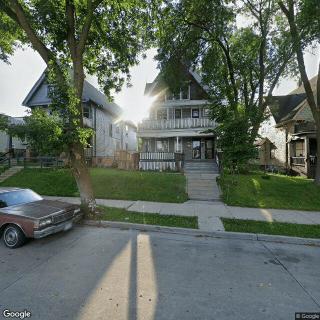
 Specialized diabetic care with strong indoor social spaces and convenient access to numerous nearby amenities.


 Comprehensive Insights into Activities of Daily Living (ADLs) and Their Assessment
 Medicare Coverage for Assisted Living: An In-Depth Exploration
 Choosing the Right Senior Care: A Detailed Exploration of Assisted Living and Nursing Homes