

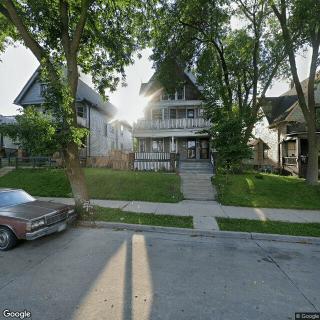
2135 N 39th Street, Milwaukee, WI 53208
To contact a resident: (414) 418-9155
For more information about senior living options: (866) 208-4318
Overall Review of Living Made Easy Homes LLC Site 2
Pros
 He was able to walk using his walker when he was placed there.
- He had mobility with a walker at the start of his stay.
- His early mobility demonstrated his ability to move with assistance.
Cons
 The group home neglected the son.
- When he was placed there, he could walk with a walker, but after a few months he couldn't even get out of bed on his own.
- He became so weak he couldn't sit up in his bed.
- An ambulance was called and transported to freodert hospital.
- He was discharged to a nursing home.
- He was diagnosed with malnutrition and vitamin B deficiency.
- His normal weight was 160 and he weighed 116 at discharge.
- The reviewer warns others not to trust them to take care of loved ones because they won't.
Review
This community is best suited for families seeking a small, home-like group setting where daily life feels intimate and staff familiarity can translate into personalized attention. Site 2 operates more like a house-based arrangement than a large campus, which can foster closer relationships with caregivers and provide a sense of comfort for residents who do not require highly medicalized support. When functioning well, it can offer a stable routine, easier family involvement, and a living environment that feels less institutional than traditional assisted living. The key is recognizing that the model hinges on steady, attentive supervision and responsive daily care within a tight-knit footprint.
However, a clear caveat must be acknowledged: this setting may not be appropriate for residents who need robust medical oversight, intensive nutrition management, or frequent, timely mobilization support. Alternatives should be strongly considered for families whose loved one has complex health needs, significant mobility problems, or a history of nutritional instability. The troubling weight of a serious neglect episode highlighted by one reviewer underscores the risk that a small setting can pose when staffing, training, or supervision falls short. In short, the upside of intimacy comes with a meaningful responsibility to ensure consistent, professional oversight.
In terms of positives, the two five-star experiences imply that, under the right conditions, residents can enjoy attentive, compassionate care, and a secure, familiar living rhythm. The home-like atmosphere can yield more ordinary moments of dignity, routine, and personal engagement than larger facilities. When staff establish predictable routines, residents may benefit from better day-to-day responsiveness and clearer communication with families. Yet these potential advantages are fragile if safety nets, training, supervision, and medical oversight, do not hold up. The contrast between glowing experiences and the severe neglect report creates a critical tension that families must weigh heavily.
The most consequential fault line is safety and accountability. The documented case describes a resident who deteriorated rapidly, requiring ambulance transport and ending up malnourished with vitamin deficiencies, ultimately discharged to a nursing facility. Such a trajectory reveals serious gaps in nutrition monitoring, mobility assistance, and timely medical intervention. This is not a risk to be tolerated or postponed; it is a red flag that demands immediate, thorough investigation. Prospective residents should scrutinize staffing ratios, staff credentials, and the facility’s systems for meal planning, weight tracking, hydration, mobility support, and emergency response. Concrete, verifiable answers are essential before any commitment.
For families choosing to pursue this community, a disciplined due-diligence approach is non-negotiable. Insist on sighting current licensure and recent inspection reports, and obtain copies of the latest care plans for any potential resident. Schedule a hands-on tour focused on staff interactions, responsiveness to needs, and the quality of meals and nutrition management. Request current and past resident or family references, and ask about how grievances are handled and resolved. Demand clarity on what happens when a medical issue arises, including access to on-site or on-call nursing support, weight and nutrition monitoring protocols, and how hospital transfers are coordinated. If these assurances cannot be demonstrated consistently, the prudent move is to look elsewhere.
Overall, Living Made Easy Homes Site 2 should be approached with caution. It may suit families who can demand rigorous, ongoing oversight and who are prepared to engage proactively in care planning, staff oversight, and regular checks. For anyone prioritizing predictable medical supervision, reliable nutrition management, and uncompromising resident safety, stronger alternatives, larger, licensed assisted living communities with transparent staffing and documented quality controls, are advisable. The stark contrast between promising, personalized care and the severe neglect incident means decisions must hinge on proven, demonstrable safeguards rather than hopeful assumptions.
 Assisted Living
 Activities on-site
 Devotional services off-site
 Indoor common areas
 General Mitchell International (8 miles away)
 Ambulatory care
 Diabetic care
 Meals provided



 Exploring the Contrasts Between Assisted Living and Skilled Nursing
 8 Key Indicators That Suggest It May Be Time to Transition from Assisted Living to Skilled Nursing Care
 Vibrant Senior Living: A Comprehensive Guide for Active Older Adults