Residents and families repeatedly describe staff as kind and attentive.
Many reviews focus on how approachable and supportive the staff feels, with residents citing attentive, caring interactions and families saying it helped their loved ones feel at home. Several accounts also mention leadership or specific team members being helpful during care transitions and day-to-day support. A smaller set of reviews is critical of staff responsiveness, including trouble getting tours or calls returned and concerns about delays when help is needed.
common13 reviews mention this
Restaurant-style dining gets frequent praise
Dining is repeatedly described as high quality and enjoyable.
Food shows up often in the reviews, with residents and families calling meals delicious and praising the dining room experience. Multiple reviewers also mention variety—everything from daily meals to special events—along with the sense that meals are well handled. There are also a couple of cautions tied to timing, including one comment that the dining room wasn’t yet open at the time of the visit.
common13 reviews mention this
Activities help residents connect
On-site activities and planned events are a consistent highlight.
Reviews frequently describe the community running a steady mix of activities, including group gatherings, exercise classes, and social events like bingo and happy hour. Several residents mention daily activities supporting friendships and a fuller routine, while others point to creative programming that adds structure to life at the community. A few reviews focus more on the facility experience than activities, but overall the activity calendar is one of the most recurring positives.
caveat4 reviews mention this
Care support includes therapy and help
Some residents describe gaps in assistance at critical moments.
One review describes needing care after a stroke and credits the support received during recovery, including meals and therapy. However, other reviews raise serious concerns about assistance and medication timing, including one account of missed doses and another describing long waits for help when assistance was needed. These comments suggest that while care may be strong for some residents, responsiveness during urgent or routine assistance moments can be inconsistent.
caveat3 reviews mention this
Costs can feel high to families
Several reviewers raise concerns about costs and related fees.
Some reviews characterize the community as very costly, and at least one family also describes disappointment after a service issue, including a policy about notice payments. Another review discusses move-in-related charges and notes that a fee was reduced for their situation, which helped with the decision. Together, the reviews suggest pricing and fee details can be a deciding factor for families.
How we summarize
Counts show how many written reviews mention each theme; a review can touch several themes, and only frequently mentioned themes are displayed.
Features
Types of Care
Assisted Living
Independent Living
Memory Care
Amenities
Activities on-site
Air-conditioning
Beauty salon
Cable or satellite TV
Computer center
Devotional services off-site
Dining room
Fitness room
Fully furnished
Gaming room
Garden
Housekeeping services
Indoor common areas
Kitchenette
Move-in coordination
Outdoor space
Private bathrooms
Restaurant-style dining
Small library
Telephone
Wellness center
Wi-Fi/high-speed internet available
Transportation
General Mitchell International (21 miles away)
Community operated transportation
Transportation arrangement
Care Services
24-hour call system
24-hour supervision
Activities of daily living assistance
Ambulatory care
Assistance with bathing
Assistance with dressing
Assistance with transfers
Coordination with health care providers
Diabetes diet
Diabetic care
Meal preparation and service
Medication management
Mental wellness program
Mild cognitive impairment
Special dietary restrictions
Specialized memory care programming
Transportation arrangement (medical)
Transportation to doctors appointments
Dining
Diabetes diet
Meals provided
Special dietary restrictions
Activities
Activities on-site
Community-sponsored activities
Concierge services
Devotional activities offsite
Fitness programs
Planned day trips
Resident-run activities
Scheduled daily activities
Videos
Nearby Places of Interest
Restaurants
Culver's (0.5 miles)
Qdoba Mexican Eats (0.8 miles)
Arby's (1.1 miles)
McDonald's (1.2 miles)
Hot House Tavern (2 miles)
Su Casa Grande (2.6 miles)
Robert's Frozen Custard (3 miles)
Theaters
Menomonee Falls Cinema Menomonee Falls, Wi (0.9 miles)
Physicians
Town Hall Health Center (2.1 miles)
Advanced Health Care (2.2 miles)
Froedtert Orthopaedic, Sports and Spine Center (2.4 miles)
The features offered by Grace Commons significantly enhance the quality of care for residents with dementia or Alzheimer's disease. With 24-hour supervision, residents receive constant support and security, helping to prevent wandering or accidents. Assistance with activities of daily living--such as bathing, dressing, and transfers--promotes dignity and independence while ensuring safety. Coordination with healthcare providers ensures that medical needs are met promptly, while meal preparation caters to nutritional requirements that may affect cognitive function. Medication management is critical in preventing confusion or missed doses, thereby maintaining overall health. A mental wellness program designed for those with mild cognitive impairment provides tailored engagement, fostering social interaction and cognitive stimulation. Specialized memory care programming addresses unique challenges associated with memory loss, creating an environment conducive to both familiarity and engagement. Additionally, transportation arrangements for medical appointments ensure that residents can access necessary care without added stress or anxiety, further supporting their well-being and peace of mind.
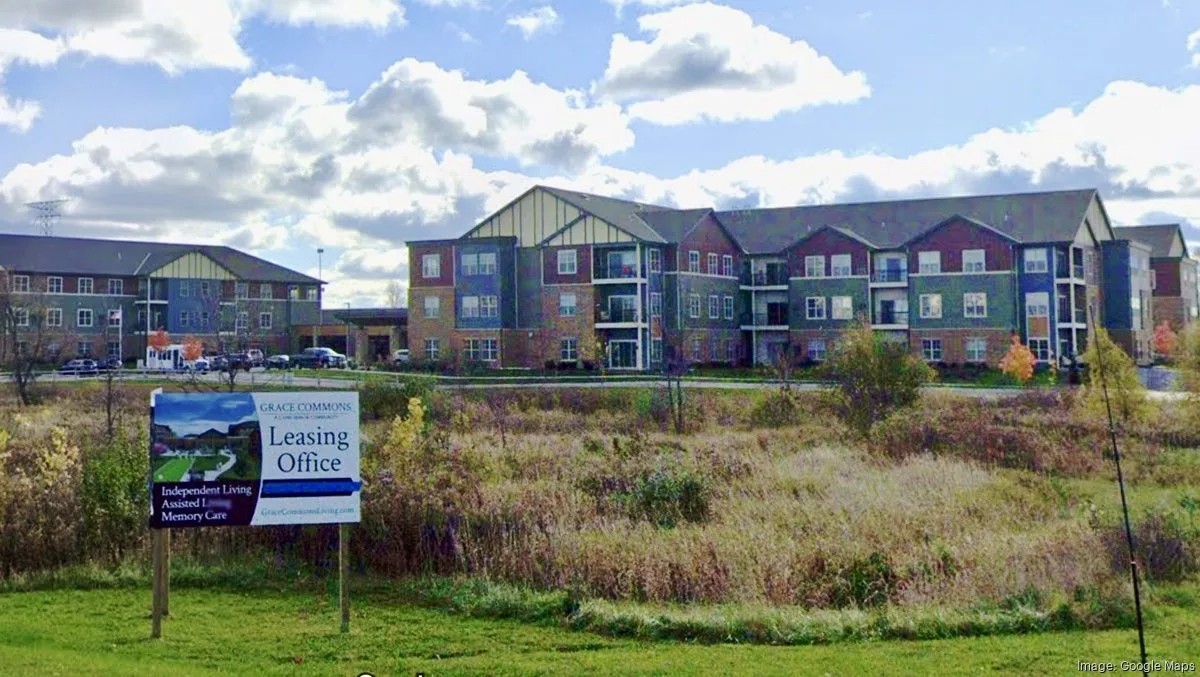
Grace Commons on seniors.fyi includes 6 photos including images showing dining, interior, architecture, landscaping, chandelier, windows, lounge area, seating, and more.
Nearby Communities
Sky Residential Services, Inc.
Menomonee Falls, WI
5 from 1 review
Convenient location with nearby amenities and social opportunities.
Riverview Village Senior Living
Menomonee Falls, WI
3.6 from 111 reviews
$4,430 / month
Warm, welcoming atmosphere with caring staff, good dining, and engaging activities.
Hartfel House
Menomonee Falls, WI
4.4 from 120 reviews
Intimate, small-community living with personalized care.
Messner Manor
Menomonee Falls, WI
3.2 from 5 reviews
Peaceful, convenient location with nearby parks, dining, healthcare, and entertainment.
Vista Pointe
Menomonee Falls, WI
4.2 from 31 reviews
$4,500 to $5,000 / month
Attentive staff, good dining, and a clean, engaging environment.
Next Step In Residential Services Water
Menomonee Falls, WI
4.3 from 27 reviews
Intimate 4-bed board-and-care with 24-hour supervision and personalized care.
The Arboretum
Menomonee Falls, WI
4 from 124 reviews
$1,300 to $2,000 / month
Friendly, caring staff and a strong sense of community with engaging activities.
Highlands at Aero Park
Menomonee Falls, WI
4.7 from 114 reviews
$1,873 / month
Affordable two-bedroom option for 55+ residents with a pet-friendly policy and in-unit amenities (full kitchen, fireplace, ground-floor access) in Menomonee Falls.
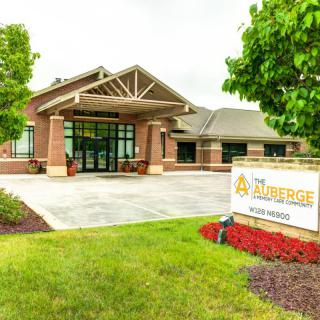
The Auberge at Oak Village
Menomonee Falls, WI
4.5 from 85 reviews
$5,885 to $6,995 / month
Clean, welcoming environment with compassionate staff
The article examines the link between certain medications and increased dementia risk, particularly in older adults, emphasizing that long-term or high-dose use of anticholinergics, benzodiazepines, and other drug classes can exacerbate cognitive impairment. It calls for careful medication evaluation and shared decision-making to mitigate these risks while managing treatment efficacy.
The article emphasizes the significance of establishing a power of attorney for elderly parents to enable an agent to make decisions on their behalf regarding health and finances, especially during cognitive or physical decline. It outlines various types of power of attorney, the importance of consulting legal professionals, and the responsibilities and challenges faced by agents, while also discussing alternatives and common misconceptions.
Caregiver support groups are crucial for providing emotional and practical assistance to those caring for loved ones, offering resources, coping strategies, and a sense of community through various organizations and platforms. These groups help alleviate isolation and burnout while addressing the unique challenges faced by caregivers of individuals with specific conditions.
Fireplace, Natural Light, Seating, Lounge Area, and Modern Interior
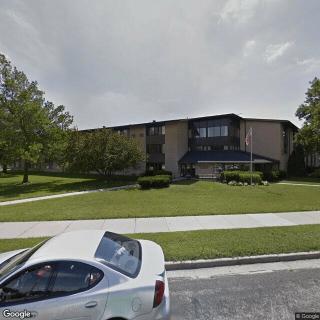
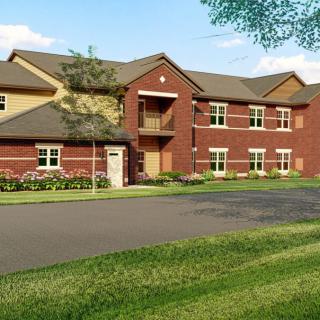
Grass and Apartment Building
Get PricingAsk A QuestionSchedule A TourContact Senior Advisor
By clicking submit, you agree to our Partner's Terms of Use. You
also consent to receive calls and texts, which may be autodialed, from our Partner. Your consent is not a condition to
using our Partner's service. Please visit our Partner's Privacy Policy for information about their privacy practices.










 Assisted Living
 Independent Living
 Memory Care
 Activities on-site
 Air-conditioning
 Beauty salon
 Cable or satellite TV
 Computer center
 Devotional services off-site
 Dining room
 Fitness room
 Fully furnished
 Gaming room
 Garden
 Housekeeping services
 Indoor common areas
 Kitchenette
 Move-in coordination
 Outdoor space
 Private bathrooms
 Restaurant-style dining
 Small library
 Telephone
 Wellness center
 Wi-Fi/high-speed internet available
 General Mitchell International (21 miles away)
 Community operated transportation
 24-hour call system
 Ambulatory care
 Assistance with bathing
 Assistance with dressing
 Assistance with transfers
 Diabetes diet
 Diabetic care
 Medication management
 Mental wellness program
 Special dietary restrictions
 Transportation arrangement (medical)
 Concierge services
 Planned day trips
 Convenient location with nearby amenities and social opportunities.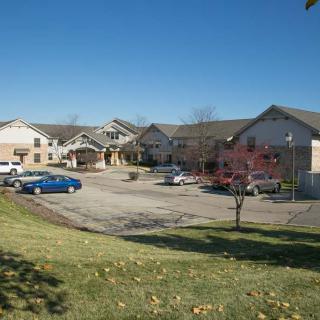

 Medications Associated with Dementia Risk: A Comprehensive Overview
 Guiding Your Journey: Understanding Power of Attorney for Elderly Parents
 22 Remarkable Caregiver Support Groups Available Online and In-Person