
W164 N9470 Water Street, Menomonee Falls, WI 53051
For more information about senior living options: (866) 208-4318
Overall Review of Next Step In Residential Services Water
Pros
 The staff are well trained and friendly, providing quality care to their patients.
- It is a nice place.
- It is very clean and professional.
- The staff are very nice for those who need this type of treatment.
Cons
 The management is horrible.
- The place has gone downhill since last year.
- Floor staff are overworked, stressed, and underpaid.
- The owners care only about money to line their pockets.
- The facility is extremely short-staffed in both day programs and residential.
- The temp service is horrible and provides inadequate care.
- The staff do the bare minimum.
- Multiple NS-owned residential houses had bed bugs, terrible staff, and clients who attack each other; management does nothing.
Review
Next Step In Residential Services Water in Menomonee Falls, WI is best suited for families seeking a clean, professional setting where frontline caregivers are capable and compassionate, and where the resident’s needs are moderate rather than crisis-level. The facility earns praise for well-trained staff in day-to-day interactions and for a calm, tidy environment that communicates reliable care on the surface. For seniors or adults who require assistance with daily activities and benefit from structured routines, the setting can feel reassuring and well-run when staffing levels hold steady.
However, this community may not be the best fit for those who require consistently reliable leadership and a fully staffed operation at all times. Several reviewers describe serious management problems, floor staff that feel overextended, and owners who appear focused on financials over welfare. The tension between a clean, friendly surface and deeper safety issues, such as ongoing staffing gaps, problematic temp help, and reports of bed bugs and resident-to-resident aggression, counsels caution. Families with high medical complexity, behavioral risks, or a need for rapid, accountable problem-solving should consider alternatives.
On the upside, when the care team is fully staffed and engaged, care quality can be high. Reviewers highlight well-trained, friendly staff delivering attentive, respectful care, and a setting that feels clean and professional. The repeated note of “nice staff” and “very clean” carries real weight: residents can experience humane interaction and a well-maintained environment that supports daily functioning. These attributes matter for those who rely on predictable routines and courteous caregivers, and they can make a meaningful difference in day-to-day life.
Yet the strongest positives are undercut by the cons. The most troubling issues include persistent understaffing, compensation and resource strains on front-line workers, and management that seems detached from frontline realities. The presence of bed bugs in multiple houses and episodes of resident conflict with limited management intervention create tangible safety and quality-of-life risks. Relying on temporary staffing compounds variability in care, especially during shifts when the most vulnerable residents need consistent supervision and response.
Families evaluating this community should press hard for transparency before committing. Critical questions should cover staffing ratios by shift, supervisor accessibility, incident tracking and resolution, pest-control history, and contingency plans for short-staffing periods. Tours should observe interaction quality during busy times, speak with direct-care workers about workload and morale, and request references from current residents or their families. A clean facility and courteous care are meaningful positives, but they do not fully offset the consequences of weak leadership and staffing instability.
Bottom line: Next Step In Residential Services Water can be a viable option for residents who value a clean, respectful environment and dependable frontline care when staffing is stable and management is responsive. For families prioritizing steadfast governance, predictable staffing, and stronger risk management, alternatives with proven leadership and safer safety records may be the prudent path. A thorough, in-person evaluation, combining tours, candid conversations, and recent performance indicators, will reveal whether the balance tilts toward reliable everyday quality or toward unresolved systemic gaps that could impact safety and continuity of care.
 4 resident community capacity
 Assisted Living
 Board and Care Home
 Cable or satellite TV
 Dining room
 Fully furnished
 Garden
 Housekeeping services
 Move-in coordination
 Outdoor space
 Telephone
 Wi-Fi/high-speed internet available
 General Mitchell International (20 miles away)
 24-hour supervision
 Activities of daily living assistance
 Assistance with bathing
 Assistance with dressing
 Assistance with transfers
 Diabetes diet
 Meal preparation and service
 Medication management
 Special dietary restrictions
 Transportation arrangement (medical)
 Transportation to doctors appointments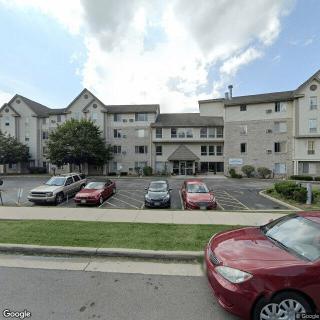



 8 Key Indicators That Suggest It May Be Time to Transition from Assisted Living to Skilled Nursing Care
 Vibrant Senior Living: A Comprehensive Guide for Active Older Adults
 When to Transition from Assisted Living to Memory Care: Key Indicators, Steps, and Finding the Right Community