
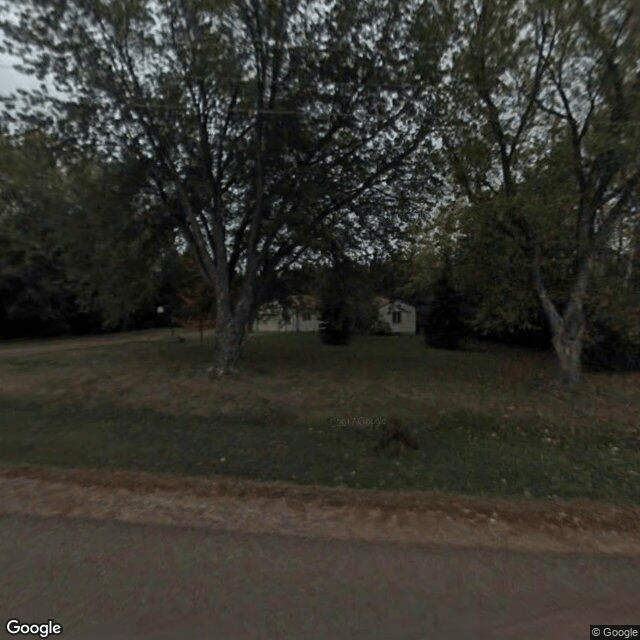
955 E Allman St, Medford, WI 54451
To contact a resident: (715) 748-2114
For more information about senior living options: (866) 208-4318
Care Partners Assisted Living-Medford Costs & Pricing
Care Partners Assisted Living-Medford offers competitive pricing for its residents compared to both Taylor County and the broader state of Wisconsin. For a semi-private room, the monthly cost at Care Partners is set at $3,500, which is above the county average of $3,159 but below the state average of $3,977. When it comes to studio accommodations, Care Partners charges $4,200 per month, slightly exceeding the county's average of $3,771 while remaining within a similar range to the state's average of $3,999. These costs reflect a commitment to providing quality care in a supportive environment that aligns with local market trends.
| Floor plans | Care Partners Assisted Living-Medford | Taylor County | Wisconsin |
|---|---|---|---|
| Semi-Private | $3,500 | $3,159 | $3,977 |
| Studio | $4,200 | $3,771 | $3,999 |
Assisted Living communities with a similar price nearby
-
from -$500 / mo

The Athenian
$3,000 to $3,600 / month14.5 miles away -
from -$600 / mo
Deerview Meadows Medford
$2,900 / month1.2 miles away
Overall Review of Care Partners Assisted Living-Medford
Pros
 The staff are very good to residents.
- There is a variety of activities and a home-like atmosphere.
- Sherry was very kind and made the admission process easy.
- The staff are friendly and caring.
- There are a variety of activities, with something for everyone to enjoy.
- The meals look tasty and healthy.
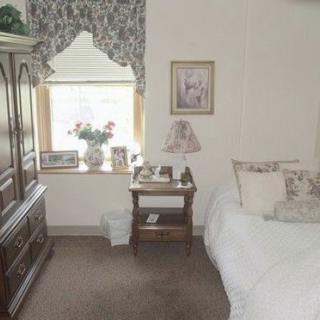
- The rooms are spacious.
- The facility is highly recommended for loved ones.
Cons
 There is no WiFi at the facility.
- The reviewer observed that many residents appeared unhappy and depressed.
- Residents were not smiling and there was little interaction among them.
- The reviewer did not want their mother to be in that environment.
Review
Care Partners Assisted Living–Medford is best suited for seniors who prize a warm, home-like atmosphere and hands-on, approachable care. It appeals to families seeking genuine personal attention, a community where staff to residents is familiar and responsive, and a calendar of activities that feels meaningful rather than clinical. The setting tends to favor quieter, companionship-rich days over high-energy programming, making it a good fit for residents who respond well to steady routines and a smaller-scale, neighborly culture. That said, this is not a glossy, high-tech campus; it is a hands-on, people-first option that delivers comfort through familiarity. Those prioritizing constant, highly energized social scenes or cutting-edge amenities may need to look elsewhere.
On the upside, the core staffing and daily life come through clearly in multiple reviews. The caregiving team is described as genuinely kind and attentive, with residents treated as individuals and brought into activities that cater to varied interests. A consistent thread is the director’s hands-on, compassionate approach that smooths the admission process and helps families feel at ease about placing a loved one. Activities are varied enough to offer something for everyone, and the homey atmosphere is repeatedly highlighted as a strength. Meals are noted as appealing and healthy, and the living quarters are described as spacious, which can meaningfully enhance day-to-day comfort and privacy. Taken together, these strengths create a foundation where residents can settle in and feel cared for.
Yet significant concerns temper the overall picture. A primary drawback is the absence of WiFi, which immediately affects the ability to stream comforting music, stay connected with family, or access familiar digital routines that support emotional well-being. More troubling is a mood issue cited by at least one observer, the impression that residents appeared unhappy, with little visible interaction or smiles during a tour. That kind of atmosphere matters: even with good activities on the calendar, a perceived somber mood can undermine engagement and diminish the intended sense of community. The combination of no online connectivity and a somber environmental impression can undermine otherwise solid day-to-day care.
Despite these drawbacks, the positive elements can offset them for many families, if expectations align. The staff’s warmth and attentiveness, coupled with a director who actively smooths transitions, create a strong, trust-building foundation. When residents participate in a broad slate of activities and enjoy meals that are both tasty and nutritious, daily life can feel purposeful and secure. The generous room sizes help with a sense of personal space and residence pride, which also supports comfort during longer stays. In environments like this, the social climate often improves as new residents settle in and routines become more predictable; the care team’s consistency remains a crucial buffer against potential mood declines.
Potential purchasers should consider alternatives if certain non-negotiables are present. For families who require reliable high-speed connectivity or who rely on music and online programming to enhance mood and stimulation, the lack of WiFi is a decisive gap. Likewise, if a consistently buoyant, highly interactive social climate is non-negotiable, this community may feel too restrained or quiet, especially for residents who thrive on diverse, dynamic engagement. For those seeking a facility with a more technologically integrated program, or with demonstrated, ongoing evidence of vibrant resident interaction and mood vitality, exploring other options would be prudent before making a final choice.
If Care Partners is on the short list, approach it with a practical, informed visit. Prioritize conversations with the director and direct care staff to gauge how moods are monitored and addressed day-to-day. Inquire specifically about plans to restore or improve wireless connectivity, and ask for examples of how activities adapt to residents who may need more encouragement to engage. Observe during peak activity times to verify the level of resident interaction and the social energy of the community. By anchoring the decision in these concrete questions, families can determine whether the strengths, the caring staff, homey atmosphere, and solid daily routine, will be enough to outweigh the key drawbacks, or whether a more energetic, connected environment is necessary to meet the loved one’s needs.
 Assisted Living
 Cats allowed
 Dogs allowed
 Activities off-site
 Air-conditioning
 Beautician on-site
 Devotional services off-site
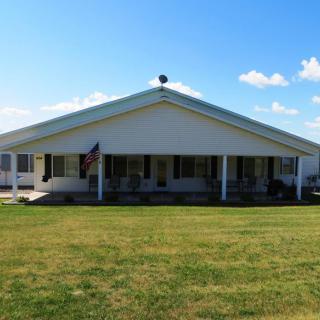
 Ground floor units
 Handicap accessible
 Indoor common areas
 Outdoor common areas
 Respite or short term stays offered
 Wheelchair accessible showers
 Diabetic care
 Incontinence care
 Medication management
 Gluten-free
 Birthday parties
 Live musical performances


 Assisted Living and Memory Care: Understanding Their Core Differences
 Beyond the Bingo Hall: 50+ Enriching Activities for Seniors in Assisted Living
 Understanding the Distinctions: Assisted Living and Memory Care Explained