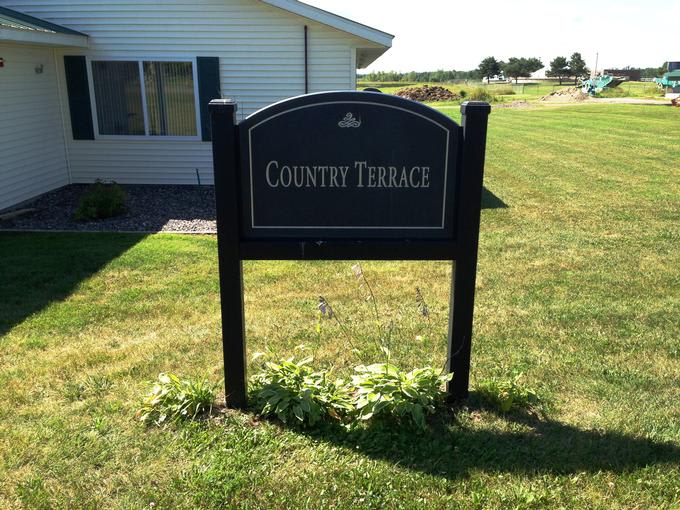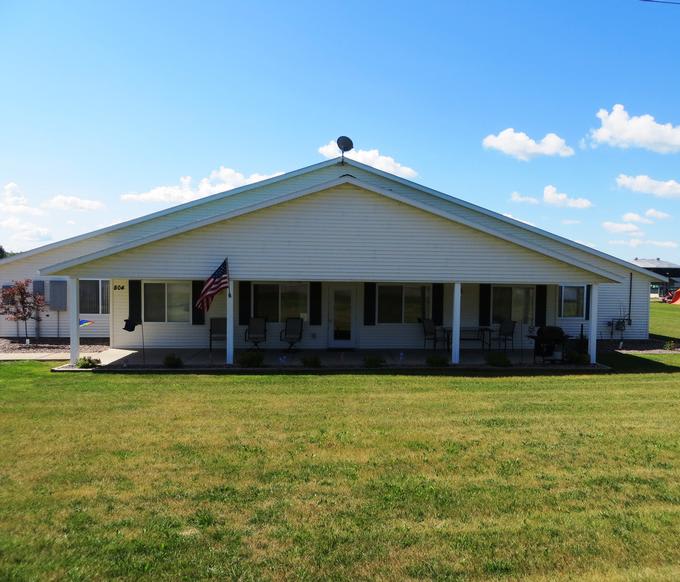
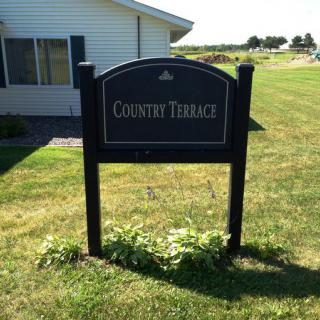

804 Pine St, Stanley, WI 54768
To contact a resident: (715) 644-3444
For more information about senior living options: (866) 208-4318
Country Terrace Assisted Living Costs & Pricing
Country Terrace Assisted Living offers competitive pricing for its residential care options in comparison to both Taylor County and the broader state of Wisconsin. For a semi-private room, residents pay $3,500 per month, which is notably higher than the county average of $3,159 but slightly lower than the state average of $3,977. In terms of private rooms, Country Terrace's rate is set at $4,200 - again exceeding the county's average of $3,474 while remaining fairly close to the state's average of $4,339. This pricing structure reflects Country Terrace's commitment to providing quality care and services tailored to meet residents' needs while positioning itself within the market dynamics of assisted living facilities in the region.
| Floor plans | Country Terrace Assisted Living | Taylor County | Wisconsin |
|---|---|---|---|
| Semi-Private | $3,500 | $3,159 | $3,977 |
| Private | $4,200 | $3,474 | $4,339 |
Senior living communities with a similar price nearby
-
from -$500 / mo
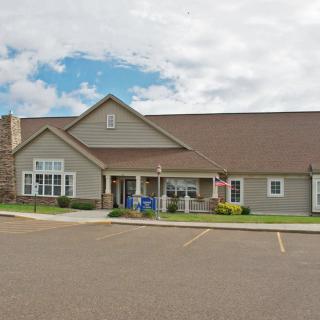
Our House Senior Living - Chippewa Falls Assisted Care
$3,000 to $3,980 / month21.9 miles away -
from -$600 / mo
Comforts of Home - Chippewa Falls
$2,900 to $3,200 / month21.4 miles away -
About the same
Our House Senior Living - Chippewa Falls Memory Care
$3,475 to $3,575 / month21.9 miles away -
from +$250 / mo

Second Springs Adult Family Home
$3,750 to $4,875 / month18.9 miles away -
from +$160 / mo
Stewart Adult Family Home
$3,660 to $4,758 / month0.8 miles away
Overall Review of Country Terrace Assisted Living
Pros
 Country Terrace has locks on the doors and is a good community.
- The staff members are excellent and very friendly.
- Everything about the apartment was clean and suitable.
- The hospital is conveniently located nearby, and pricing is comparable to other facilities.
- The staff at Country Terrace are diligent, kind, and very personable to residents and their families.
- The staff are willing to keep families updated on residents' care.
- Residents are treated like family.
- Family members feel their loved ones are in excellent hands.
Cons
 It was a mistake to place the mother in that facility.
- The staff did not supervise the resident, who walked out repeatedly and fell, despite using a walker.
- The staff had a habit of embellishing how the resident was adapting.
- The facility was a nightmare.
- Upon moving the resident to a facility in Eau Claire, she had a large bruise covering her cheek.
- The facility only offers assisted living, not memory care, which would not work for some residents.
- The director and most of the staff are uncaring, with no activities, no resident interaction, and no snacks offered.
- Staff spend more time on cell phones and smoke breaks than on caring for residents.
- The reviewer would not recommend placing loved ones there.
Review
Country Terrace Assisted Living in Stanley is best suited for families that prize warmth, personal attention, and steady communication from staff, especially for residents who mainly need daily living support and who benefit from a small-community feel. When staff relationships are strong, residents can be treated with a level of kindness and familiarity that eases family members who are geographically distant. The facility’s intimate size can foster regular, ongoing updates and a sense that caregivers truly know the person they’re caring for. However, this advantage hinges on reliable supervision and a safety-first culture, because the strongest praise for staff contrast sharply with reports of safety lapses in other reviews.
This community may not be the right fit for anyone whose loved one requires dedicated memory-care programming or robust safety controls. One reviewer notes the place only offers assisted living, so memory-care needs would likely require a different setting. The presence of door locks and a nearby hospital are practical pluses, but the absence of a formal memory-care unit means families should look elsewhere if wandering risk or cognitive-focused care is a primary requirement. In short, memory-care residents, or those needing intensive, structured cognitive programming, should consider alternatives with dedicated memory units and clearly defined safety protocols.
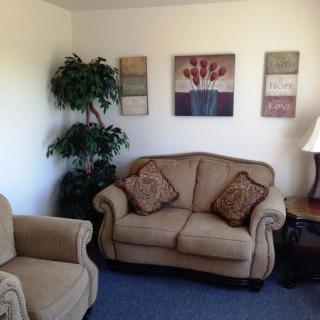
On the upside, the staff consistently earns praise for kindness, diligence, and accessibility. A dementia-focused review highlights staff who are described as patient, attentive, and deeply caring, capable of maintaining family trust even from afar. Clean, uncluttered apartments and reasonable pricing relative to similar communities add to the appeal for families who value straightforward, predictable costs and a clean living environment. The proximity to a hospital, plus the ability to furnish units with family-provided belongings, further strengthens practical appeal for short- and long-term stays where family oversight remains feasible and welcome.
The flip side is substantial and cannot be ignored. Several accounts portray a different reality: reports of residents wandering without adequate supervision and sustaining injuries, coupled with impressions of leadership that feels uncaring and disengaged. Observations of staff spending time on cell phones or smoke breaks instead of resident care paint a troubling picture of daily operations and program breadth. Critical gaps cited include a lack of resident activities and snacks, and a perception that the care culture is not as engaged or resident-centered as expected in a true assisted-living environment. These experiences raise real concerns about consistency, safety, and the overall quality of daily life for residents.
How the positives can offset the negatives depends on prioritization and oversight. For families who can leverage consistently positive staff relationships and rely on transparent, frequent updates, Country Terrace can still be a strong option, especially when safety plans are reinforced and supervision is clearly prioritized. The meaningful dementia-care praise demonstrates that, with the right caregivers and leadership, residents can thrive in this setting. Yet the risk of wandering and the perception of inadequate activities and leadership require thorough due diligence: observe staff interactions, ask pointed questions about safety protocols, and verify how care plans are developed and communicated. In other words, the best-case scenario exists when staff are consistently engaged, safety processes are non-negotiable, and programming is intentional.
For families comparing options, schedule targeted tours with a focus on monitoring routines, activity calendars, and dining life. Ask to speak with current residents or families about daily routines, inquire how often care plans are updated, and request examples of resident engagement, both social and cognitive. Verify the presence of a formal safety plan for wandering, door-control measures, and incident reporting. If memory care remains a future need, insist on understanding the facility’s capacity, transfer pathways, and collaboration with nearby specialists. If those elements are solid, Country Terrace can be a comforting, family-oriented choice; if not, alternatives with stronger leadership, richer programming, and proven safety oversight may deliver more dependable value.
Final judgment: Country Terrace Stanley stands as a practical option for families who prize personal, attentive staff and a homey atmosphere, provided safety and activity programs are actively managed. It is not the right pick for residents who require dedicated memory-care services, rigorous safety protocols, or robust daily programming that keeps every resident engaged. The best path forward involves a candid, up-front assessment of safety practices, a clear plan for memory-care needs if they exist, and direct conversations with current residents about daily life. When those elements align, this community can deliver trustworthy, compassionate care; when they don’t, exploring alternatives with stronger leadership and more vibrant resident life becomes a prudent, necessary step.
 Board and Care Home
 Activities off-site
 Beautician on-site
 Cable or satellite TV
 Devotional services off-site
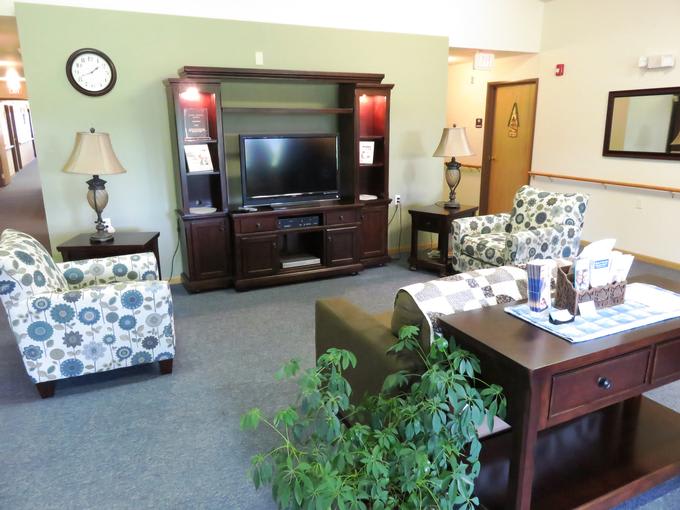
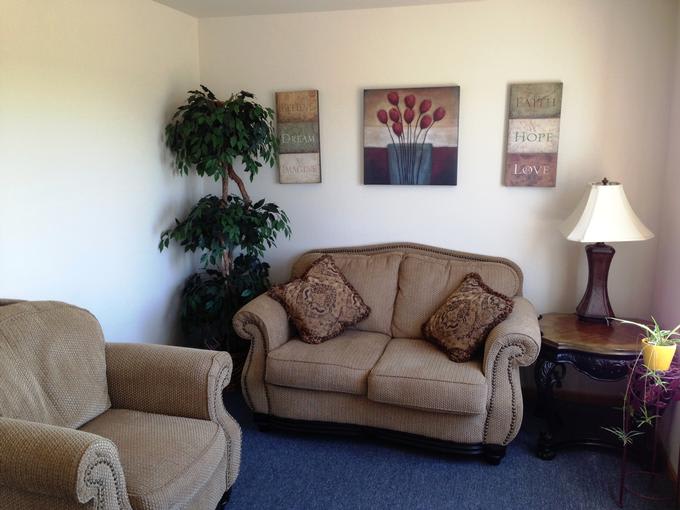
 Indoor common areas
 Outdoor common areas
 Private
 Private bathrooms
 Respite or short term stays offered
 Wheelchair accessible showers
 Wi-Fi/high-speed internet available
 Diabetic care
 High acuity care
 Incontinence care
 Medication management
 Anytime dining
 Art classes
 Cooking classes
 Day trips and outings
 Gardening club
 Live dance or theater performances
 Live musical performances
 Trivia games


 Navigating the Financial Road to Nursing Home Care: In-Depth Guidance and Resources
 Supportive Employee Benefits That Help Caregivers Attain Better Work-Life Harmony
 Top Cars for Senior Drivers and Essential Safety Innovations