
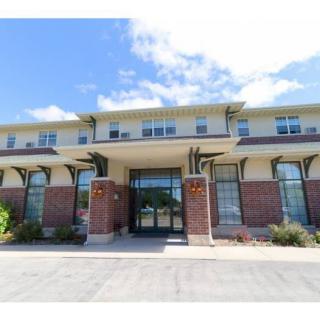
3177 West College Avenue, Franklin, WI 53132
For more information about senior living options: (866) 208-4318


Overall Review of Rem Wisconsin II College Ave
Pros
 Elizabeth Residence in Franklin is an absolutely wonderful place for loved ones to live.
- The nursing and caregiver staff care for residents as if they were their own loved ones.
- The buildings are clean and well kept, and the staff clearly care about residents' comfort and well-being.
- The leadership is strong and the staff go above and beyond to make residents feel comfortable.
- The facility treats residents with respect, compassion, and dignity, and families are welcomed with warmth.
- The nursing staff are amazing and attentive.
- Elizabeth Residence is a wonderful assisted living facility full of caring, compassionate people.
Cons
 A loved one was admitted without medication, including insulin.
- The resident’s medication did not arrive for two days.
- The aides were rough and physically hurt the loved one.
- Administration claimed some aides needed more training.
- The facility appeared to turn a blind eye to mistreatment and showed no desire to treat residents with dignity.
- There was horrible treatment to a resident by several caregivers, captured on video.
- The resident passed away after less than seven days, with lack of medication as a contributing factor.
- Management was no help.
Review
Elizabeth Residence II College Ave in Franklin is best suited for families seeking a warm, person-centered assisted living where staff treat residents like family and the everyday environment feels homey. The community clearly attracts seniors who prize clean, well‑kept facilities, visible attention from nursing and caregiving staff, and leadership that feels accessible and hands-on. It works for residents who thrive on consistent, compassionate interaction, daily routines that emphasize dignity, and opportunities for social engagement in a smaller, intimate setting. In short, this is a place for people who value warmth, personal connection, and a strong sense of community as a core part of daily life.
That said, there are clear reasons some families consider alternatives. For anyone with significant or complex medication needs, or for households where medication management must be guaranteed without fail, this facility warrants extra scrutiny. The most serious concerns cited in the feedback center on medication administration lapses, perceived slow or inadequate responses to problems, and questions about how staff training translates into consistent, gentle care. Potential red flags include reports that life-sustaining meds were delayed and that care staff could become rough, with administration not responding promptly. For those whose decision hinges on airtight clinical governance and transparent accountability, exploring other options or demanding rigorous protocols is prudent.
On balance, the strongest pros here are palpable: a staff culture described as compassionate and attentive, a tidy, updated physical plant, and leadership that appears to push for above-and-beyond care. Families repeatedly highlight thoughtful caregivers, respectful treatment at all hours, and the sense that staff will go the extra mile to make a resident feel at home. This is not a sterile hospital vibe; it is a lived-in setting where daily kindness and personal attention matter. Those advantages matter deeply for long-term comfort, emotional well-being, and grief support, especially for elders who resist impersonal routines. Yet the most severe cons in a minority of cases cannot be dismissed, because medication errors or mistreatment threaten trust and safety in a way that overrides all otherwise positive impressions.
Families choosing this community should demand concrete, corroborated evidence of how medications are managed day-to-day. Inquiries should cover pharmacy partnerships, med-pass schedules, double-check systems, and how MARs are reconciled. Tour planners should request a tour of the medication room, observe staff interactions with residents, and speak with current residents about response times and perceived safety. It is essential to verify 24/7 nursing availability, incident-report processes, and staff-to-resident ratios. If any doubt remains, ask for references, and consider a trial period or staged transition. The objective is to see that the compassionate front-end aligns with dependable clinical governance behind the scenes.
When this balance is right, Elizabeth Residence II College Ave becomes a compelling choice for many seniors and their families: a reliable home-like environment where daily care feels personal and respectful, and where consistent support is matched by genuine warmth. It suits residents who crave social activity, regular interaction with caregivers, and a sense of continuity in routines. It may be less ideal for those whose needs include the highest level of medication precision or for families unwilling to risk episodic lapses in oversight. Those who want a facility with a built-in culture of compassion and a demonstrated track record of treating residents with dignity will likely find this community rewarding, provided the safeguards are in place.
The bottom line is cautious optimism tempered by vigilance. Elizabeth Residence II College Ave delivers on heart and homelike comfort, with many families reporting superb nursing care, cleanliness, and staff who appear to care deeply. The notable exception is a small subset of experiences where medication management and responsiveness were flagged as life-threatening and distressing, underscoring the need for rigorous, ongoing QA and transparent accountability. For families, the decision hinges on ensuring robust medication governance and a clear plan for escalation if standards slip. When those conditions are confirmed, this community can offer a trustworthy, nurturing home; when they are not, alternatives with tighter clinical oversight deserve serious consideration.
 6 resident community capacity
 Assisted Living
 Cable or satellite TV
 Dining room
 Fully furnished
 Garden
 Housekeeping services
 Move-in coordination
 Outdoor space
 Telephone
 Wi-Fi/high-speed internet available
 General Mitchell International (3 miles away)
 24-hour supervision
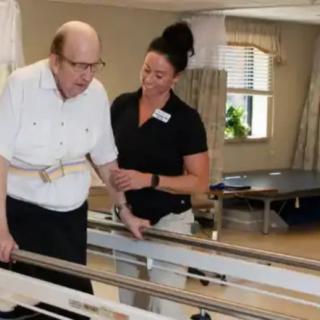
 Activities of daily living assistance
 Assistance with bathing
 Assistance with dressing
 Assistance with transfers
 Diabetes diet
 Meal preparation and service
 Medication management
 Special dietary restrictions
 Transportation arrangement (medical)
 Transportation to doctors appointments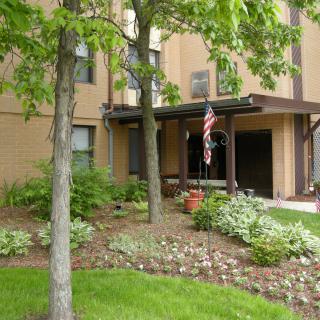



 Comprehensive Supportive Living Arrangements for Adults with Disabilities
 Funding and Affording Assisted Living: A Thorough Overview
 Assisted Living Expenses and Long-Term Care Insurance: A Comprehensive Exploration