
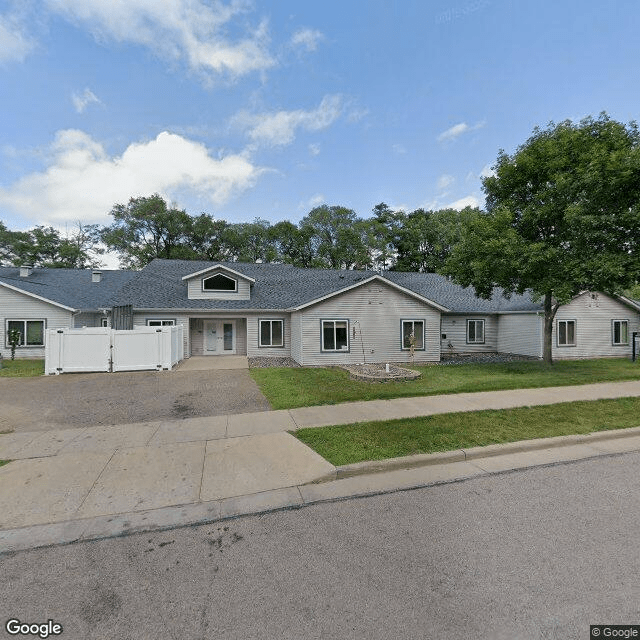
3214 Gala Street, Eau Claire, WI 54703
For more information about senior living options: (866) 208-4318
Overall Review of Grace Woodlands
Pros
 The place is described as awesome, with helpers who are very good with people and get along with everyone.
- There is a great family feel, extending from employees to how the building is set up.
- The place is an amazing place.
Cons
 The reviewer labels Grace Foundation as the worst website they have ever seen.
- The reviewer says the site directed users nowhere.
- The reviewer notes there are no pictures of the building or grounds and no information about the care.
- The reviewer claims the page and foundation page are poorly managed and suggests something is being hidden.
- The reviewer complains that there is no distinction between Alzheimer's care and the general assisted living facility.
- The reviewer argues that the two types of care should not be combined and that the websites should better explain their setups.
Review
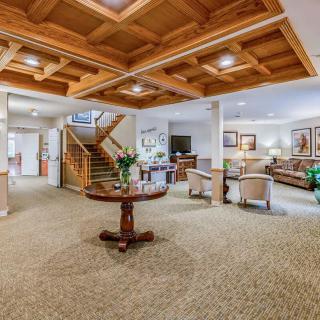
Grace Woodlands in Eau Claire, Wisconsin, is best suited for families seeking a warm, home-like assisted living where staff form genuine connections with residents. The strongest threads in the feedback point to attentive helpers who genuinely get along with people and fit into a cohesive, inviting community. The setting itself reinforces that impression: a layout that feels approachable and a culture that reads as familial rather than clinical. For families that prize personal warmth, consistent interaction, and a sense that staff know residents by name, Grace Woodlands delivers a compelling, low-drama environment that supports daily life with kindness.
Those evaluating options who require crystal-clear online information and sharply defined memory-care distinctions should consider alternatives. A notable critique centers on the site itself, limited photos, scant program details, and descriptions that blur lines between standard assisted living and Alzheimer’s/dementia care. One reviewer labeled the Grace Foundation’s website as confusing and opaque, underscoring a real hurdle for families who want apples-to-apples comparisons before touring. For decision-makers who insist on seeing explicit, easily navigable information online, Grace Woodlands may feel harder to evaluate from afar.
The apparent strengths, especially the staff quality and the family-like atmosphere, partly offset those information gaps. When care teams are skilled at engaging residents and the culture emphasizes connection, families can trust that daily interactions will be positive, social, and safe. The intimate, community-driven vibe reduces relocation anxiety and helps residents settle in with less friction than in more impersonal settings. In practical terms, this means that a prospective resident’s initial experiences during visits or early weeks can reveal a high level of attentiveness and compatibility with personal routines, which matters as much as, if not more than, glossy brochures.
Yet the main drawbacks are concrete and worth weighing carefully. The lack of online clarity about care levels and the absence of explicit distinctions between Alzheimer’s/dementia care and standard assisted living create decision-making friction. Families must take a proactive stance: verify what services are included, confirm the availability of memory-care programs, and understand how care plans are structured. A guided tour should include meeting the care team, reviewing sample care plans, and drilling down into daily schedules, safety measures, and activity calendars. Without these steps, the online impression can mislead or leave essential questions unanswered.
From a practical standpoint, Grace Woodlands appears capable of delivering solid day-to-day life: attentive staff, a warm communal vibe, and a setup that supports social interaction and routine. The mix of five-star praise and the more critical notes suggests experiences vary by individual, but the common thread is that care is grounded in personal attention rather than impersonal processes. Families who value a nurturing, people-first environment will likely find comfort here, while those who need highly structured programming or a transparent, marketing-friendly presentation may wish to explore other options.
The bottom-line recommendation centers on a clear hire-for-fit approach. Grace Woodlands is a practical choice for families prioritizing warmth, staff rapport, and a homelike atmosphere, provided thorough due diligence is conducted around care levels and information transparency. If the primary concern is a well-documented memory-care offering or a meticulously detailed online profile, alternatives with more explicit documentation are worth pursuing. To proceed with Grace Woodlands, schedule a visit, insist on speaking with the care director, request sample care plans, and obtain transparent pricing and inclusions. When those elements align, Grace Woodlands stands out as a reliable, people-centered option in a market where genuine caregiver quality and community feel often drive lasting satisfaction.
 34 resident community capacity
 Assisted Living
 Memory Care
 Activities on-site
 Beauty salon
 Cable or satellite TV
 Devotional services off-site
 Dining room
 Fully furnished
 Garden
 Housekeeping services
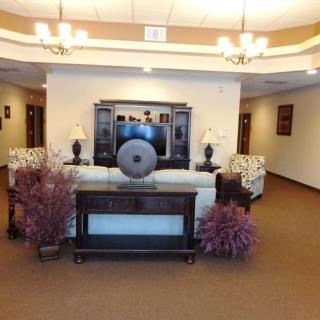
 Indoor common areas
 Kitchenette
 Move-in coordination
 Outdoor space
 Restaurant-style dining
 Small library
 Telephone
 Wi-Fi/high-speed internet available
 Chippewa Valley Regional (3 miles away)
 24-hour call system
 Ambulatory care
 Assistance with bathing
 Assistance with dressing
 Assistance with transfers
 Diabetes diet
 Diabetic care
 Medication management
 Mental wellness program
 Special dietary restrictions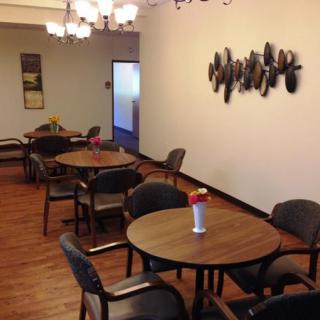

 8 Key Indicators That Suggest It May Be Time to Transition from Assisted Living to Skilled Nursing Care
 Nourishing the Mind: Essential Dietary Approaches for Dementia
 Understanding Dementia Behaviors: Practical Insights and Strategies for Caregivers