
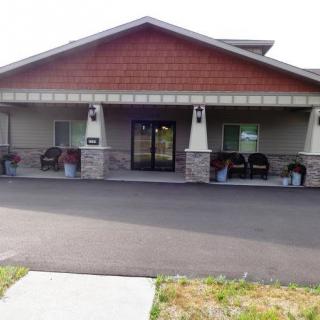
815 Zephyr Hill, Eau Claire, WI 54703
For more information about senior living options: (866) 208-4318
Overall Review of Brotoloc North West Wind
Pros
 Caring staff are willing to talk to residents about anything and help them out.
- Conditions improved over time.
- A strict staff member being fired is seen as a positive change.
- Some staff are described as approachable and supportive when needed.
Cons
 The program manager at Hastings View grew mean toward him in the last year.
- A resident was mean to him and to staff.
- Two staff members were awful; one Timberview staffer was strict about locking up food and other items residents should have access to, and that person was fired.
- Another staff member defended the mean resident and repeatedly jeopardized his medications by potentially giving morning and night meds together.
- The Timberview house makes it impossible to work, as they won’t drive on weekends and most jobs require weekend work.
- There was a person at Timberview who punches residents and staff, and nothing was done about it.
- There are hazards such as a live wire in the boiler room taped to a water pipe.
- During a basement flood, staff watched as residents cleaned up sewage water and did not offer gloves or help.
Review
Brotoloc North West Wind is best suited for seniors who prize personal attention from frontline staff and can tolerate some variability in operations. The community appears most fitting for residents who are relatively independent but appreciate hands-on, compassionate staff when they’re available, and who have a family or advocate to monitor care. Those who thrive on predictability, steady medication management, and a consistently safe environment should enter with tempered expectations and a plan to verify processes on a tour and with current residents.
People who should consider alternatives include seniors with higher care needs or those who require reliable, error-free medication routines and strict safety controls. The reported experiences point to inconsistencies in staff behavior and performance, including medication management concerns and episodes where care standards appeared uneven. Families prioritizing tight supervision, robust incident reporting, and a barrier-free environment for hazards or potential violence would likely be better served elsewhere. For residents with mobility or cognitive challenges, the mixed reliability highlighted in the feedback may translate into ongoing risk.
On the positive side, when staff members are engaged, residents describe talking openly and receiving genuine help. This interpersonal access can translate into meaningful day-to-day support, social connection, and a listening ear during tough moments. The presence of caring individuals who are willing to engage with residents is a tangible asset and can soften the impact of institutional gaps. That care advantage is real, but it is contingent on who is on shift and how well staff supervision and training are executed.
The most weighty concerns center on safety and consistency. Reports of hazardous conditions, live wires in boiler areas, basement flooding, and sewage cleanup with minimal immediate assistance, underscore a pattern of operations that can undermine resident well-being. Medications have also been mishandled at times, including timing conflicts and risky pairings, which is unacceptable in any setting serving older adults. These issues indicate a facility that may struggle to maintain rigorous safety and quality controls, placing residents at avoidable risk and increasing the burden on families to vigilantly monitor care.
Transportation and employment support, once touted as a benefit, appear unreliable in practice. Promises of help with jobs and weekend transportation clash with stories of limited or obstructed access, complicating residents’ efforts to maintain independence or gain meaningful activity outside the facility. This inconsistency reduces the value of the community for motivated residents who want to stay engaged with work or community life, and it magnifies the cost of choosing a place where assistance is not consistently delivered.
In the end, a clear decision framework emerges. For families who can tolerate occasional staff gaps, who value empathetic staff interactions, and who plan to supplement care with strong internal oversight or external advocacy, North West Wind offers a workable option. For those prioritizing safety, flawless medication management, and a consistently hazard-free environment, alternatives with stronger, verifiable safety records and steadier staffing are strongly recommended. A careful, in-person evaluation, speaking directly with current residents, observing staff interactions, and requesting to review recent incident logs and maintenance checks, will determine whether this community aligns with the resident’s risk tolerance and care goals.
 4 resident community capacity
 Assisted Living
 Cable or satellite TV
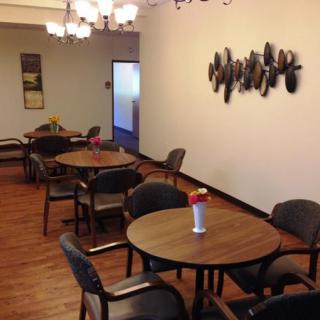
 Dining room
 Fully furnished
 Garden
 Housekeeping services
 Move-in coordination
 Outdoor space
 Telephone
 Wi-Fi/high-speed internet available
 Chippewa Valley Regional (3 miles away)
 24-hour supervision
 Activities of daily living assistance
 Assistance with bathing
 Assistance with dressing
 Assistance with transfers
 Diabetes diet
 Meal preparation and service
 Medication management
 Special dietary restrictions
 Transportation arrangement (medical)
 Transportation to doctors appointments


 Exploring the Contrasts Between Assisted Living and Skilled Nursing
 8 Key Indicators That Suggest It May Be Time to Transition from Assisted Living to Skilled Nursing Care
 Vibrant Senior Living: A Comprehensive Guide for Active Older Adults