
3325 Birch Street, Eau Claire, WI 54701
For more information about senior living options: (866) 208-4318
Overall Review of Care Partners Eau Claire
Pros
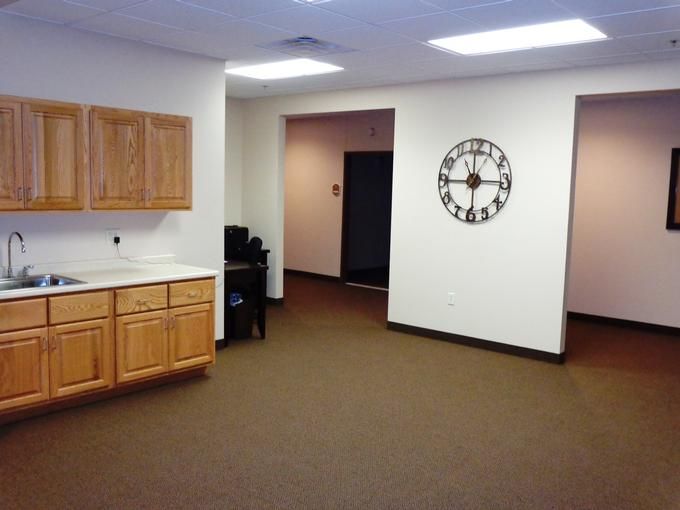
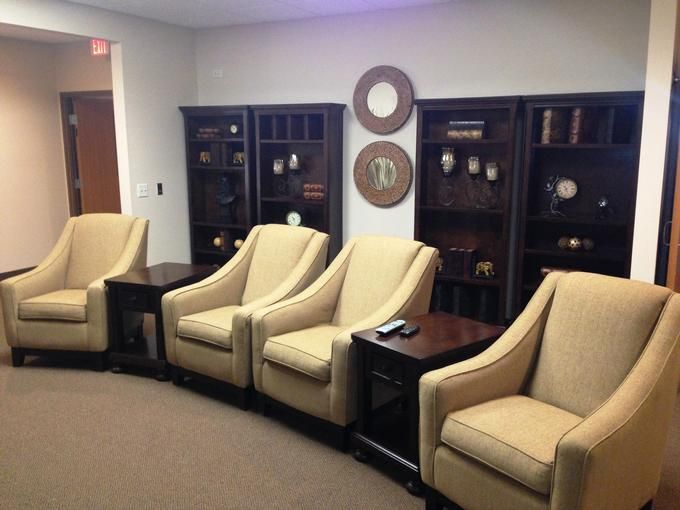
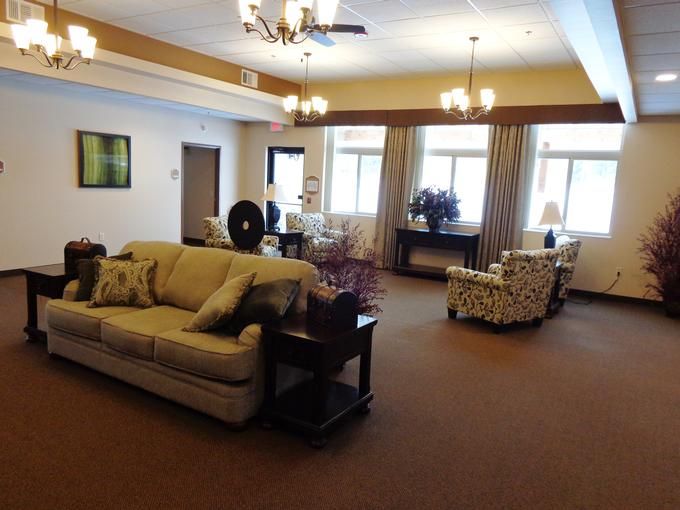
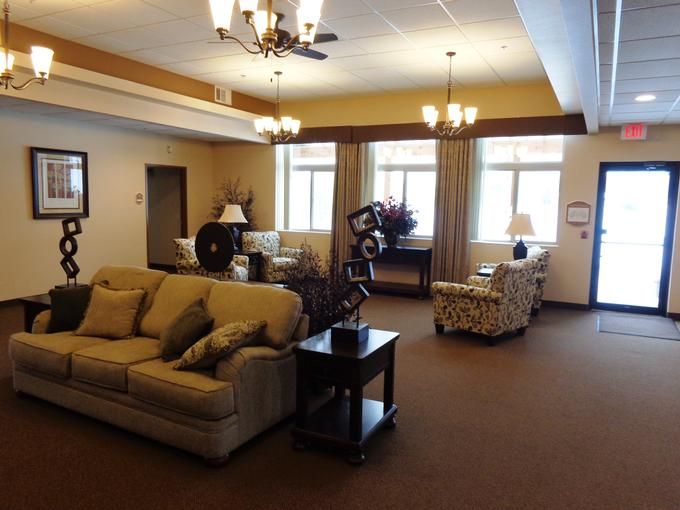
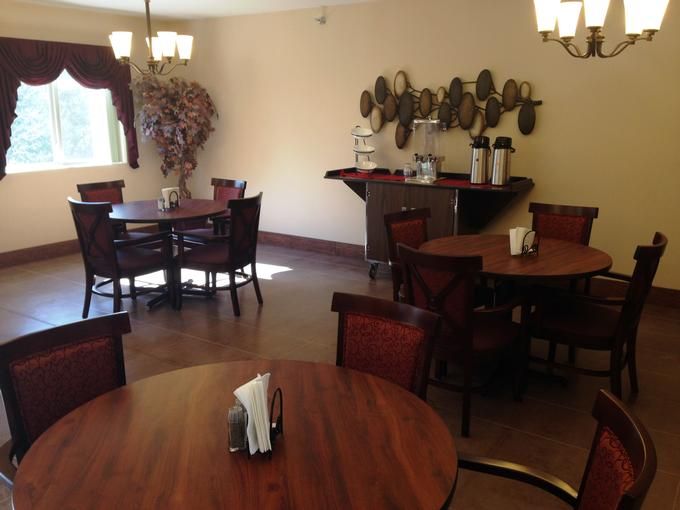
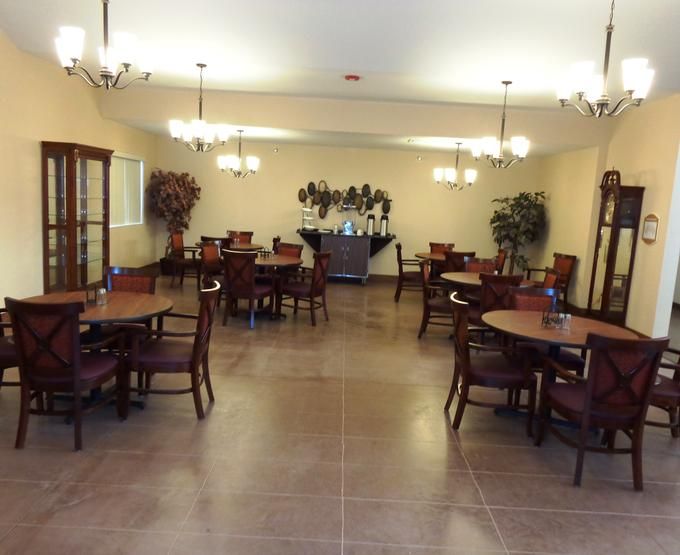
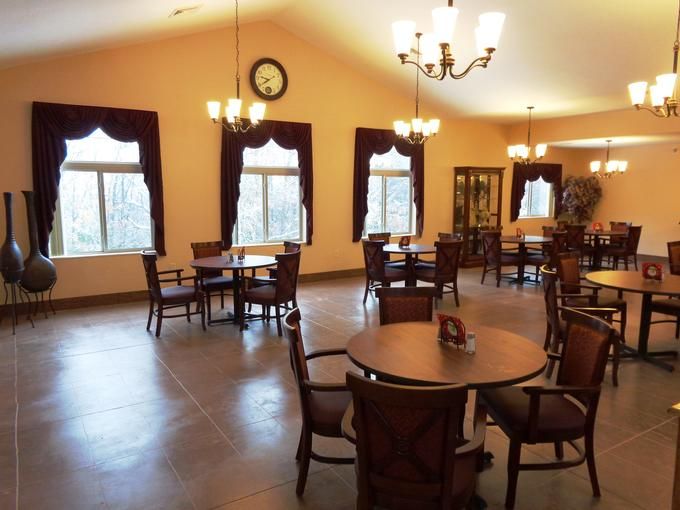
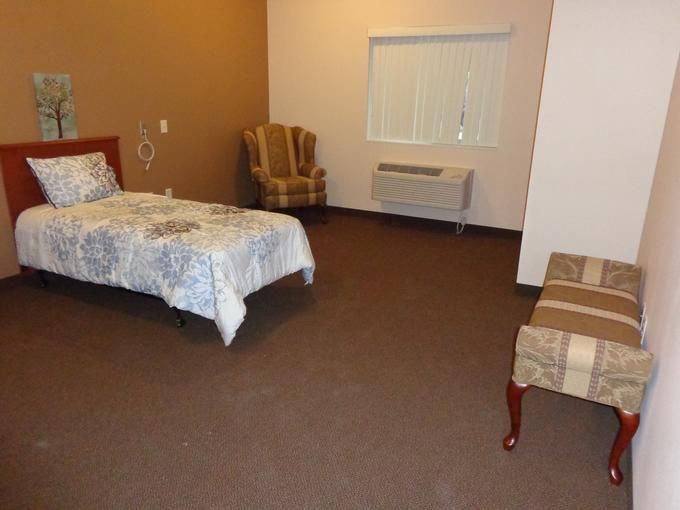
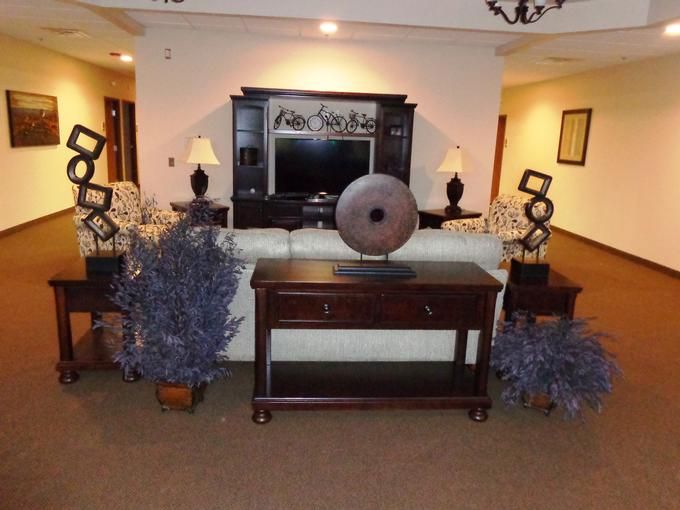
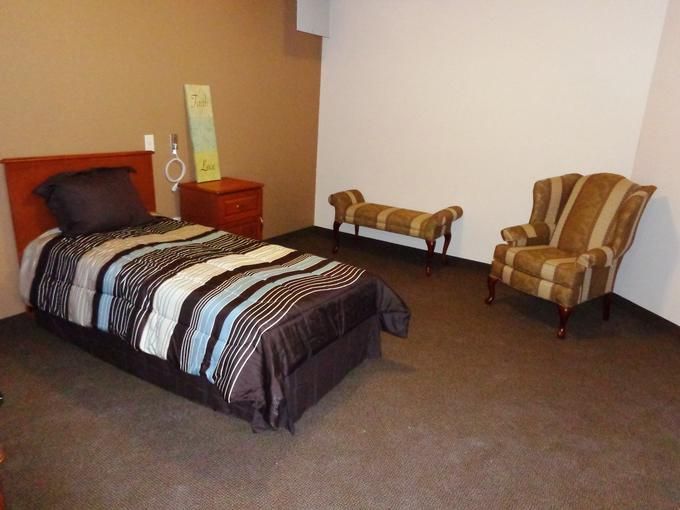
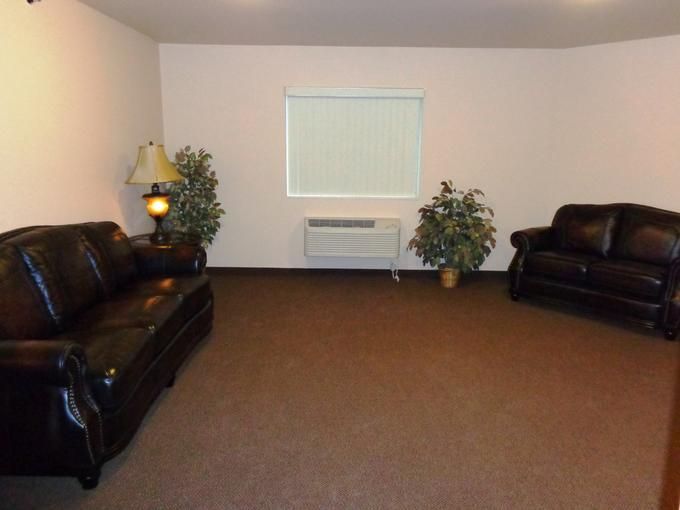
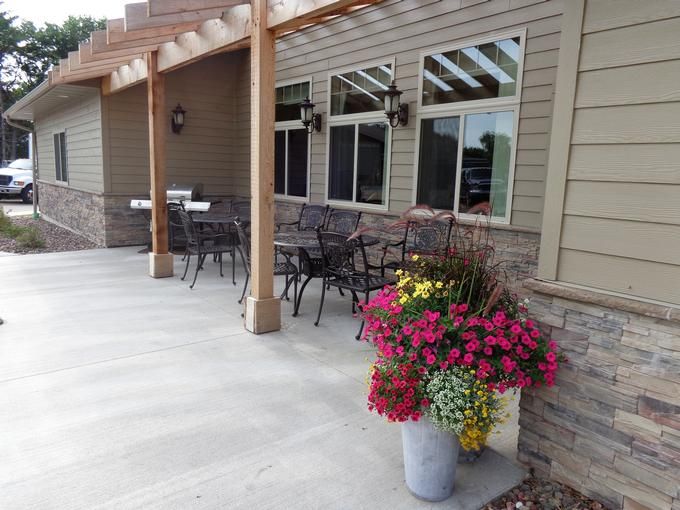
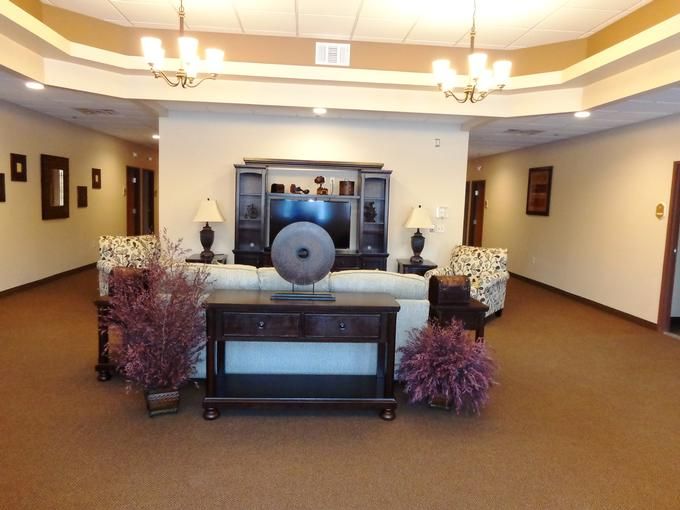
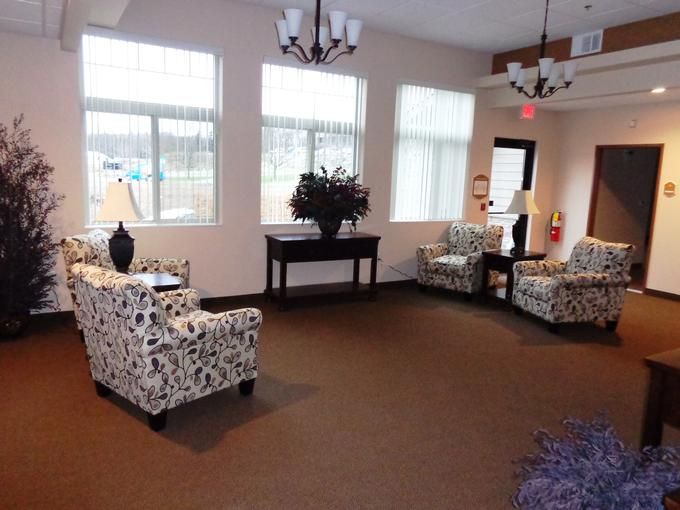
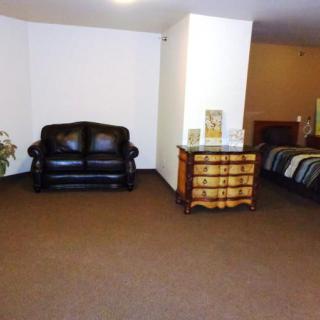
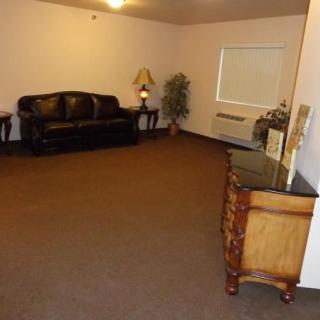
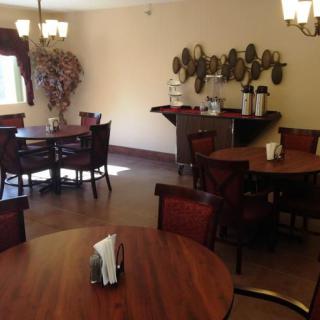
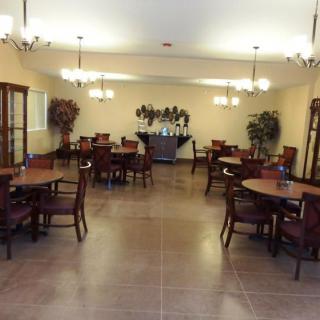
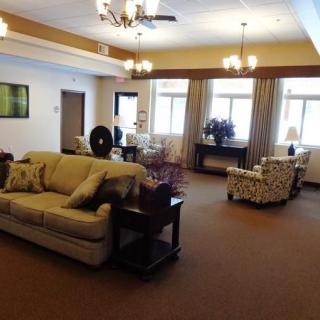
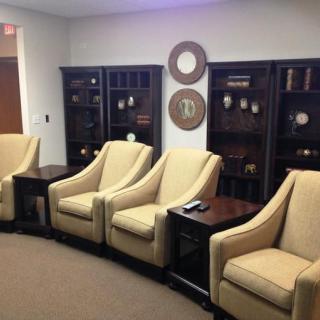
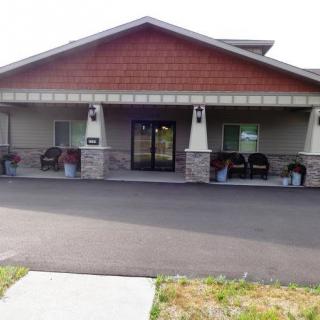
 The facility provides a home-like environment.
- The director, assistant director, and staff have a good sense of humor and a welcoming vibe.
- Care Partners on Birch Street feels like one big happy family.
- The residents love the staff, and the staff love the residents.
- Residents engage in puzzles, painting, crafts, playing music, and singing together.
- The atmosphere when visiting is calm and friendly.
Cons
 Staff weren’t wearing masks, and the director did not seem to have a coherent plan for mitigating Covid-19 risk despite months of warnings.
- Covid ran rampant through the place in 2020.
- The caregivers did not wear masks, and most had tested positive for Covid.
- Staff came to work with Covid and gave residents Covid; unprofessional and reckless.
- Nurses wouldn’t wear masks and were unsanitary.
- During a global pandemic, caretakers did not wear masks and continued to care for the elderly after testing positive; this was irresponsible and reckless.
Review
Care Partners Eau Claire is best suited for families seeking a warm, home-like assisted living environment where daily life feels social and neighborly, and staff interact with residents in a genuinely caring, personal way. This community rewards those who value everyday engagement, puzzles, crafts, music, painting, and group activities, delivered in a setting that feels like a close-knit extended family. The presence of a separate memory care building signals a targeted approach for residents with memory impairment, while the location and overall atmosphere support relatives who want easy visitation and a transparent, accessible care footprint. In short, it works well for seniors who prioritize companionship, familiar routines, and a lively, relational vibe over clinical rigidity.
Those weighing alternatives should consider whether the top priority is medical acuity, consistent leadership, or highly standardized safety practices. For residents with complex health needs or who require top-tier nurse staffing and rigorous oversight, other communities with higher ratios and more formal clinical programs may be preferable. Families who demand a consistently proven track record for risk management, or who want a facility with longer-standing, unwavering leadership, may find options elsewhere more reliable. This is not the choice for families seeking a high-tech, institutionally scaled operation; it is a fit for those who value warmth and social connectivity with a reasonable expectation of everyday support.
On the upside, the strongest pros center on a homey, welcoming culture that clearly resonates with residents. Staff are described as friendly, courteous, and genuinely invested in daily life, people who help residents engage in puzzles, crafts, and music, and who nurture a sense of community among both residents and caregivers. The “one big family” feel, plus a memory care building designed to address specific cognitive needs, creates a compelling niche for families who measure success by happiness, interaction, and meaningful activities. These advantages can offset some operational drawbacks by delivering a consistently positive day-to-day experience for many residents.
The main drawbacks surface as a visible gap between promise and occasional experience. Reviews reveal a stark split in resident and family satisfaction, with some praising warmth and engagement while others caution about leadership clarity and consistency. Past concerns about how risks and safety were managed have left some families wary, influencing overall impressions despite improvements noted after leadership changes. The divergence in reviews suggests that staffing stability, governance, and predictable care patterns are not uniformly experienced day to day, which matters greatly for those evaluating long-term placement for a loved one.
In practical terms, the decision hinges on what matters most in daily life. If a loving, socially active environment with staff who feel like family meets essential needs, Care Partners Eau Claire delivers on that promise with tangible warmth and engaging programs. If, however, proof of steady leadership, uniform safety practices, and predictability in care routines are non-negotiable, it is prudent to explore other options or insist on a candid, current tour and several conversations with the leadership team to gauge consistency today. The contrast between strong social offerings and uneven operational signals means true fit comes down to personal priorities and the ability to verify current conditions in person.
Bottom line: this community shines for families prioritizing companionship and a home-like atmosphere with accessible memory-care support, but it requires careful due diligence for those who need unwavering safety oversight and stable governance. Prospective residents should visit with the new leadership present, review current staffing patterns, speak directly with residents and their families, and scrutinize the activity calendars and daily routines. For families whose criteria tilt toward warm interaction, relational care, and a clearly lived-in community feel, Care Partners Eau Claire is worth a solid look. For those who demand a higher degree of clinical consistency and leadership transparency, alternatives should be actively compared to ensure a future placement that aligns with long-term care expectations.
 34 resident community capacity
 Assisted Living
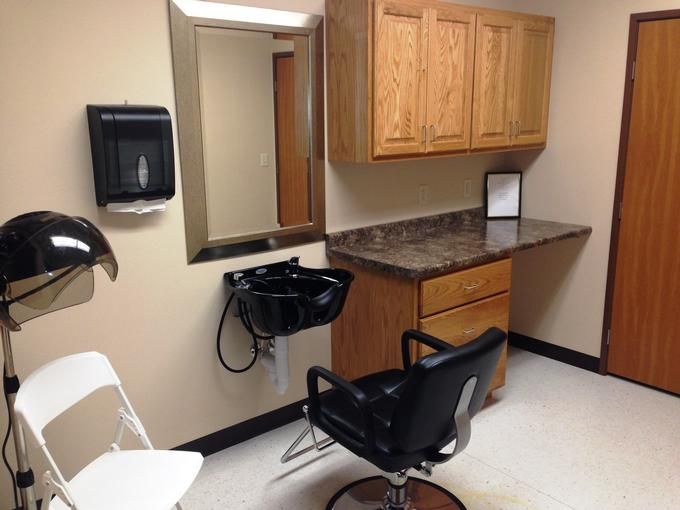
 Beauty salon
 Cable or satellite TV
 Dining room
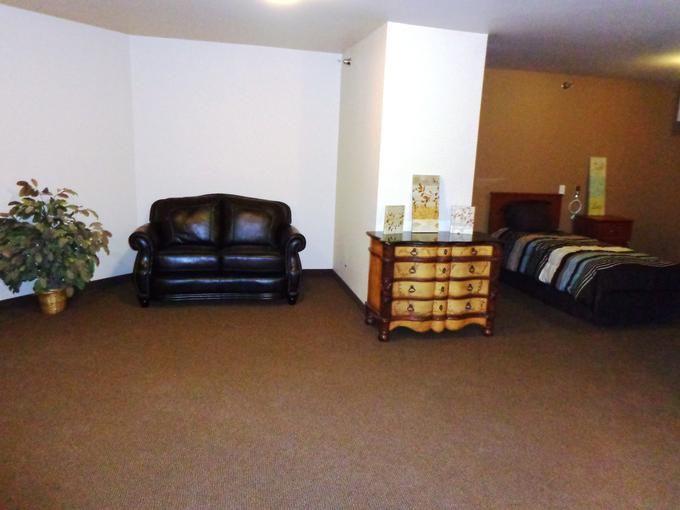
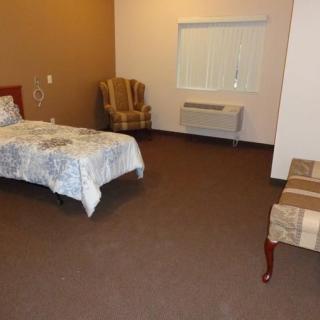
 Fully furnished
 Garden
 Housekeeping services
 Kitchenette
 Move-in coordination
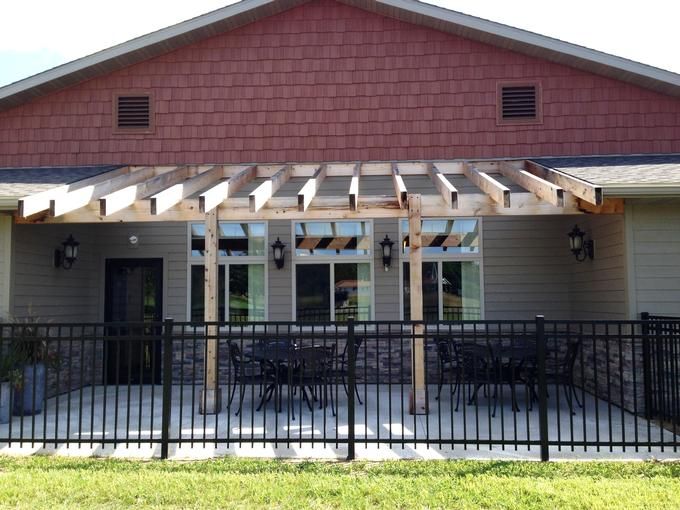
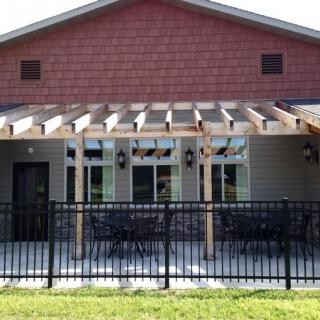
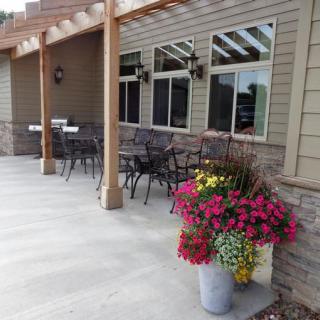
 Outdoor space
 Restaurant-style dining
 Small library
 Telephone
 Wi-Fi/high-speed internet available
 Chippewa Valley Regional (3 miles away)
 24-hour call system
 Activities of daily living assistance
 Assistance with bathing
 Assistance with dressing
 Assistance with transfers
 Diabetes diet
 Medication management
 Mental wellness program
 Special dietary restrictions
 Transportation arrangement (medical)
 Transportation to doctors appointments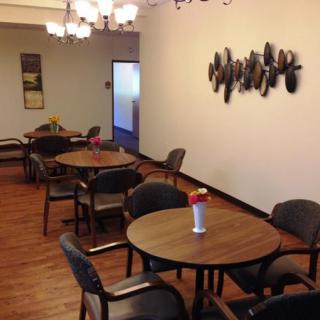


 When to Transition from Assisted Living to Memory Care: Key Indicators, Steps, and Finding the Right Community
 Assisted Living and Memory Care: Understanding Their Core Differences
 Beyond the Bingo Hall: 50+ Enriching Activities for Seniors in Assisted Living