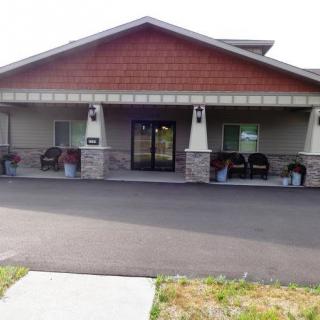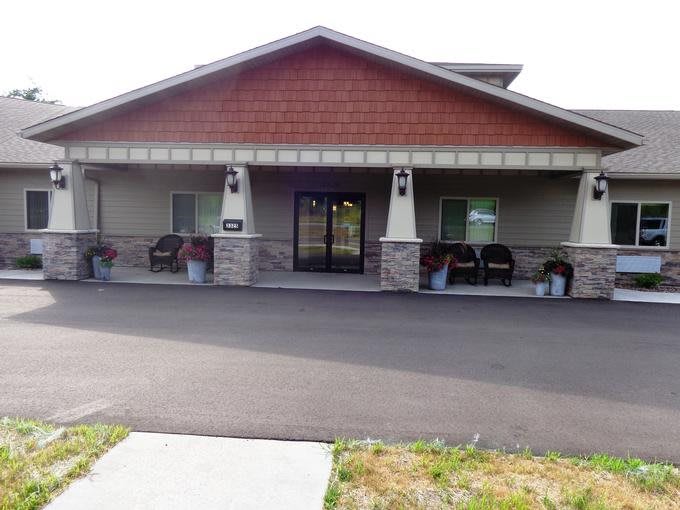
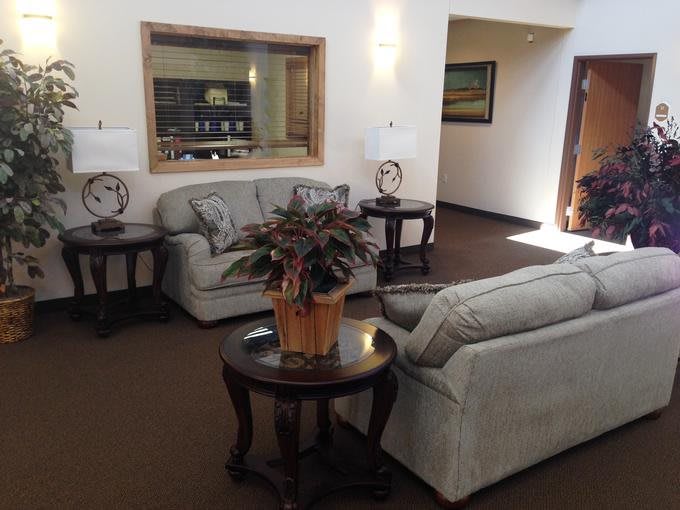
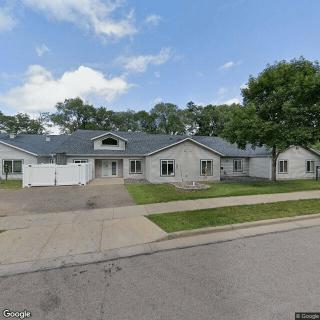
3325/3337 Birch St, Eau Claire, WI 54701
To contact a resident: (715) 514-3709
For more information about senior living options: (866) 208-4318
Care Partners Assisted Living and Memory Care - Eau Claire East Costs & Pricing
At Care Partners Assisted Living and Memory Care - Eau Claire East, the monthly cost for a studio room is $4,700. This price reflects the comprehensive care and supportive environment that residents receive, which includes specialized memory care services tailored to individual needs. When compared to the average costs in Eau Claire County, which stand at approximately $4,023 for similar accommodations, and the state average of $3,999 in Wisconsin, Care Partners positions itself at a premium rate due to its enhanced services and dedicated staff. While the costs may be higher than local and state averages, they are indicative of the commitment to quality care and a nurturing atmosphere for residents facing various levels of cognitive challenges.
| Floor plans | Care Partners Assisted Living and Memory Care - Eau Claire East | Eau Claire County | Wisconsin |
|---|---|---|---|
| Studio | $4,700 | $4,023 | $3,999 |
Memory care communities with a similar price nearby
-
from -$305 / mo
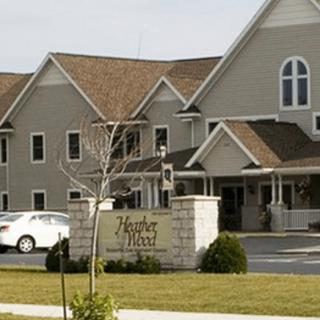
HeatherWood Assisted Living & Memory Care
$4,395 to $5,695 / month2.1 miles away -
from -$850 / mo
Azura Memory Care of Eau Claire
$3,850 / month3.1 miles away -
from +$695 / mo
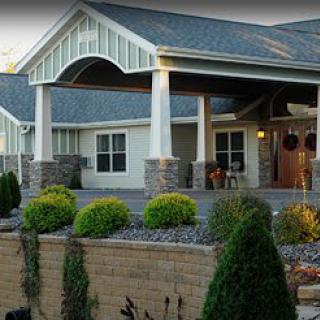
Heritage Court - Eau Claire
$5,395 to $6,195 / month2.6 miles away -
from +$250 / mo
The Classic at Hillcrest Greens
$4,950 to $5,850 / month2.1 miles away -
from -$560 / mo
Our House Senior Living - Eau Claire Memory Care
$4,140 / month3.3 miles away
Overall Review of Care Partners Assisted Living and Memory Care - Eau Claire East
Pros
 The facility offered a home-like environment with a welcoming vibe from the director, the assistant director, and the staff.
- Care Partners on Birch Street feels like one big happy family, with residents loving the staff and the staff loving the residents.
- It is a nice place for those who have to be there, with friendly and courteous staff and a simple-to-find location serving both assisted living and memory care.
- The atmosphere during visits is calm and friendly.
- Care Partners on Birch Street is described by residents as a great place.
Cons
 The staff weren’t wearing masks, and the director did not have a coherent plan for mitigating Covid-19 risk despite months of warnings.
- Covid ran rampant through the facility in 2020.
- The caregivers did not wear masks, and most had tested positive for Covid, endangering residents.
- Staff came to work with Covid and gave residents Covid, which was unprofessional and reckless.
- Nurses didn’t wear masks, and were unsanitary.
- During the pandemic, caretakers did not wear masks and continued to care for the elderly after testing positive; this was irresponsible and reckless.
Review
Care Partners Assisted Living and Memory Care - Eau Claire East is best suited for families seeking a warm, home-like environment where everyday life centers on relationships, companionship, and meaningful activity. This community tends to attract residents who value a genuine sense of family among staff and neighbors, with a palpable emphasis on social engagement, puzzles, crafts, music, painting, and conversational living that keeps residents connected and visibly engaged. Its layout, assisted living paired with a memory-care focus in a separate building, supports a gentle progression for those whose needs may evolve from social daily living to specialized memory support, all within Eau Claire East’s convenient, easy-to-find location.
Those who may want to consider alternatives are families prioritizing unwavering, medicine-oriented precision and rock-solid, long-term leadership continuity. The strongest cautions in the resident feedback point to concerns around infection-control behavior and leadership stability rather than purely clinical programs. For families with a low tolerance for leadership turnover or for whom the perceived risk of transmission is a decisive factor, it pays to compare options with documented, consistent management and a proven track record of proactive health and safety oversight.
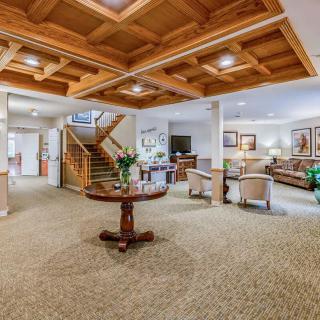
On the upside, the community delivers a distinctly welcoming atmosphere. The staff and leadership are described as approachable, with a humor-laced, easygoing spirit that makes visits feel less clinical and more like a homecoming. Residents actively participate in shared activities, puzzles, crafts, music, singing, and group engagement, that strengthen social bonds and create a shared sense of purpose. The combination of an accessible location and a clearly delineated memory-care area helps families orient around a realistic care path, while the presence of a dedicated memory-care building signals specialized attention for residents with memory-impaired needs.
The most consequential drawbacks center on infection-control perceptions and historical leadership issues. A substantial portion of feedback highlights concerns about mask-wearing practices and broader safety culture, with multiple accounts noting COVID-era lapses and inconsistent planning from leadership in the past. Even as some reviews indicate improvement after a leadership change, the memory of past lapses lingers and can influence a family’s comfort level when evaluating risk, especially for residents with higher vulnerability or those who require heightened precaution.
These pros can offset the cons to a practical extent when the priority is liveliness, familiarity, and social stimulation. For families who want a campus where residents feel known, where staff know residents’ routines, and where daily life emphasizes interaction and enjoyment, the warm environment can compensate for a fair amount of tension around safety culture. The updated directive leadership and the continuing separation of memory care from general assisted living also provide a framework that, if maintained, can translate into more stable programming and clearer accountability, factors that matter as care needs evolve.
In making a decision, a disciplined site visit is essential. Prospective families should observe how staff interact with residents, particularly how they sustain engagement in activities and manage transitions between memory-care and assisted-living spaces. Direct conversations with the current administration about staffing ratios, training, quality assurance, and ongoing supervision will reveal whether improvement efforts have led to consistent, day-to-day reliability. If infection-control culture and leadership steadiness remain unresolved questions, exploring nearby alternatives with a demonstrable, unwavering commitment to safety and continuity is prudent. For those who prize warmth, a strong sense of community, and meaningful daily life, this community remains a compelling option, but only for families comfortable with past safety concerns and the possibility of ongoing leadership refinement.
 Assisted Living
 Memory Care
 Cats allowed
 Dogs allowed
 Activities off-site
 Air-conditioning
 Beautician on-site
 Devotional services off-site
 Ground floor units
 Handicap accessible
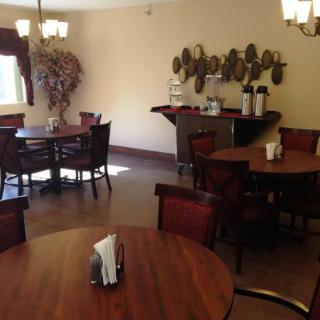
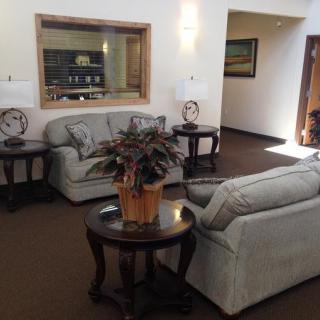
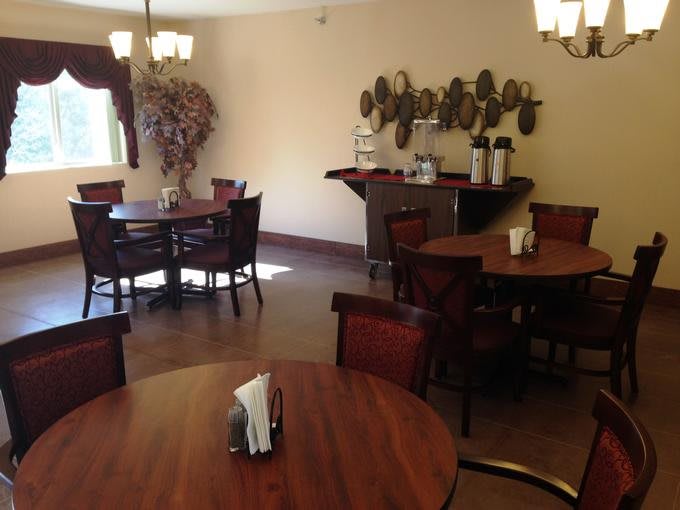
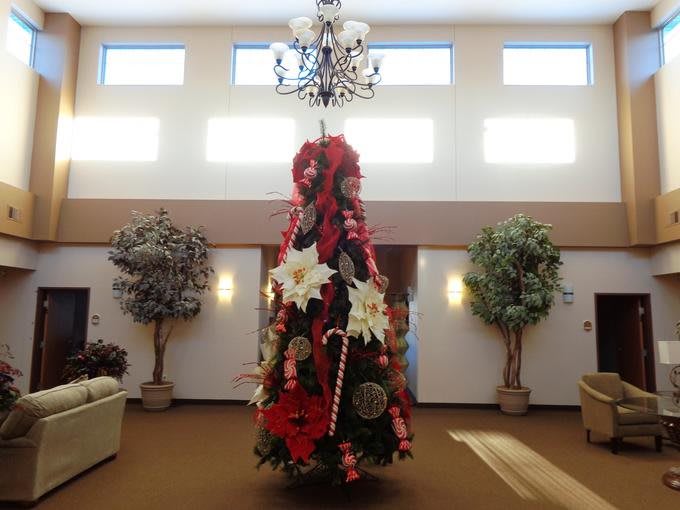
 Indoor common areas
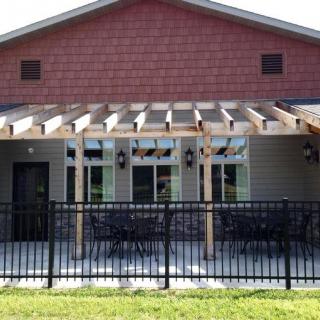
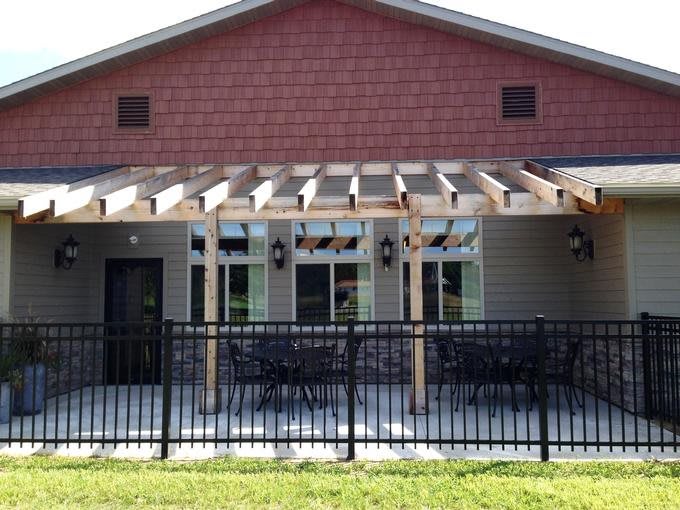
 Outdoor common areas
 Respite or short term stays offered
 Wheelchair accessible showers
 Chippewa Valley Regional (3 miles away)
 Diabetic care
 Incontinence care
 Medication management
 Anytime dining
 BBQs or picnics
 Birthday parties
 Day trips and outings
 Live musical performances

 Nourishing the Mind: Essential Dietary Approaches for Dementia
 Understanding Dementia Behaviors: Practical Insights and Strategies for Caregivers
 When Dementia Sparks Anger and Aggression: Understanding the Connection and Ways to Cope