
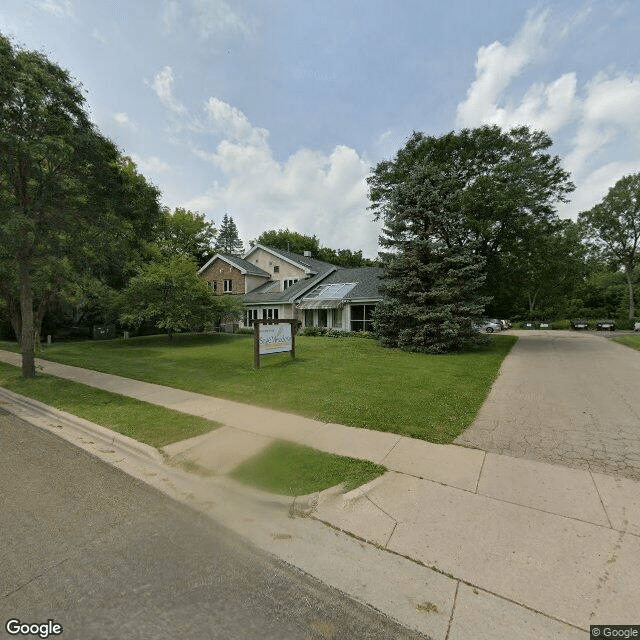
206 N Main St, De Forest, WI 53532
To contact a resident: (608) 846-6999
For more information about senior living options: (866) 208-4318
Overall Review of The Carrington at De Forest
Pros
 The staff are caring and well taken care of, which enables them to provide very good care to the residents.
- Sage Meadows communicates more with families in a few weeks than in the prior months, showing strong family communication.
- The reviewers highly recommend Sage Meadows.
- In the small home setting, the staff are great and handle multiple duties, including cleaning rooms, preparing meals, and organizing activities.
- Observers feel that the staff genuinely care about the residents.
Cons
 It was not easy when mom had to move from assisted living to memory care.
- She was in a place that turned out to be not good at all.
Review
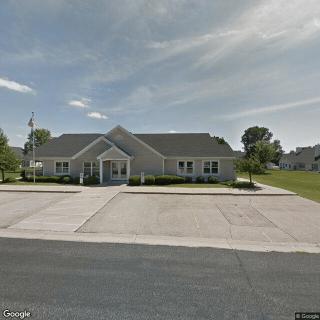
The Carrington at De Forest is best suited for families seeking a smaller, person-centered setting where staff appear genuinely invested in resident well-being and where frequent, clear communication with families is a core habit. The clearest signals from comparable memory-care and assisted-living environments show that when the team understands each resident’s history and needs, and when families receive timely updates, the emotional and logistical strain of aging care eases dramatically. This community should appeal to families who value warmth, hands-on staff engagement, and a home-like atmosphere over grander campuses or highly specialized, large-scale programming.
Those who may want to consider alternatives include families pursuing highly specialized memory-care programming with extensive, mission-critical dementia protocols, or those who require a more expansive campus with abundant on-site medical resources and volunteer activities. If a resident’s needs are rapidly escalating or require intensive one-on-one supervision, a facility with a larger staff pool and more formalized memory-care curricula could be a better fit. In short, this choice benefits those prioritizing a close-knit team and steady communication, but less so those seeking cutting-edge memory-specific interventions or very high staffing ratios.
The strongest positives, staff who project genuine care, frequent family updates, and a small-home feel, tend to offset several common drawbacks in this segment. When caregivers know residents by name, notice shifts in mood quickly, and communicate changes promptly, families gain confidence even amid difficult days. The upside of a smaller footprint is easier oversight and more intimate daily interactions; residents often benefit from consistent routines and meaningful relationships with caregivers who wear multiple hats. Yet this same multi-tasking reality can become a vulnerability if staffing is stretched too thin, potentially diluting one-on-one attention during busy periods and slower response times.
To evaluate The Carrington at De Forest effectively, prospective residents and families should press for specifics during tours: the exact caregiver-to-resident ratios on each shift, how memory-care training is delivered and refreshed, the cadence and channels of family communications, and how care plans are tailored as needs evolve. Ask about how activities are adapted to different levels of cognitive ability, the availability of respite or trial stays, and the process for coordinating medical oversight, medication management, and transport. Look for consistency in staff assignments, transparent scheduling, and a clear point of contact who can translate medical or behavioral notes into practical daily adjustments at home.
Price transparency matters just as much as care quality. Families should obtain a detailed, itemized understanding of base rates, what is included in meals, activities, and transportation, and what triggers add-on charges as care needs shift. Enquire about predictability of costs over time and any policies around level-of-care upgrades, contracts, and move-in credits. The practical realities noted in similar settings emphasize that a plan with clear milestones, regular reviews, and built-in flexibility tends to reduce friction and disappointment when care needs inevitably evolve. A robust trial period or short-term respite option can be especially revealing about how well the community actually delivers on its stated commitments.
In the end, The Carrington at De Forest appears best suited for families who prize a warm, staff-driven environment and transparent, proactive communication, delivered within a compact, home-like setting. For those prioritizing highly specialized memory-care programming or expansive on-site medical resources, alternatives with broader dementia-focused offerings may warrant consideration. The informed choice rests on visiting multiple times, speaking with current residents’ families, and demanding concrete assurances about staffing, care planning, and cost stability. With thorough due diligence, the decision can align closely with a loved one’s temperament, care needs, and daily living preferences, turning what feels like a daunting transition into a manageable, supported next chapter.
 Cats allowed
 Dogs allowed
 Activities on-site
 Devotional services off-site
 Indoor common areas
 Dane County Regional (8 miles away)
 Ambulatory care
 Diabetic care
 Meals provided

 Home Health Care Aides: Understanding Their Role and Supporting Your Family
 Urinary Tract Infections in Older Adults: Comprehensive Insights on Symptoms, Treatment, and Prevention
 California's Form 602A: An In-Depth Examination of Senior Care Assessment