
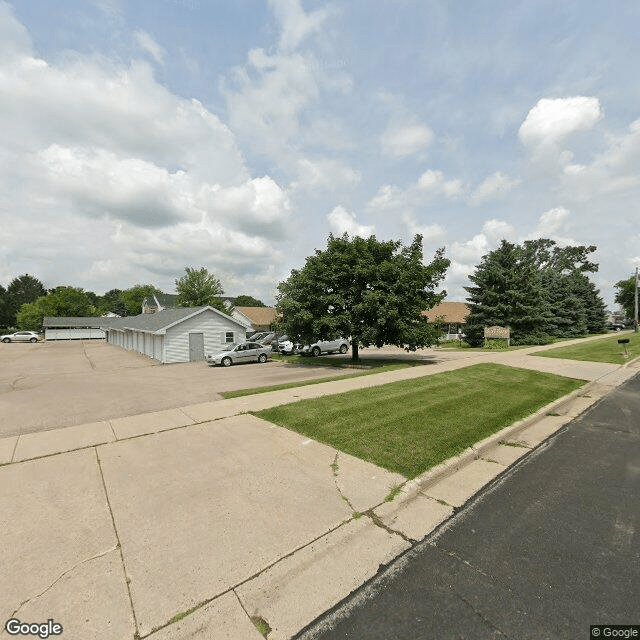
504 Bassett St, Windsor, WI 53532
To contact a resident: (608) 846-8610
For more information about senior living options: (866) 208-4318
Serenity Homes Costs & Pricing
At Serenity Homes, the monthly cost for a studio apartment is notably competitive at $3,400, especially when compared to the broader market in Dane County and across Wisconsin. In Dane County, studio apartments average around $4,418, while the statewide average rests at approximately $3,999. This positioning not only reflects Serenity Homes' commitment to affordability but also highlights its appeal as a cost-effective choice for residents seeking comfort and community without sacrificing quality. By offering more accessible rates than both local and state averages, Serenity Homes emphasizes its dedication to providing value-driven living solutions tailored to the needs of its residents.
| Floor plans | Serenity Homes | Dane County | Wisconsin |
|---|---|---|---|
| Studio | $3,400 | $4,418 | $3,999 |
Memory care communities with a similar price nearby
-
from +$600 / mo
Timberwood Lodge Assisted Living and Memory Care
$4,000 to $4,500 / month16.0 miles away -
About the same
Reynolds Assisted Living Home LLC
$3,500 to $3,750 / month13.3 miles away -
from -$200 / mo
Larson House
$3,200 to $3,700 / month17.2 miles away -
from -$250 / mo
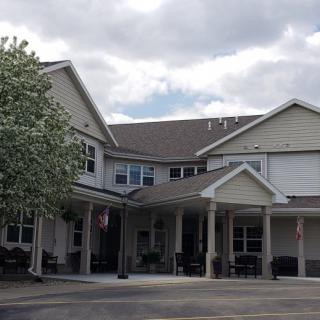
The Meadows of Fall River
$3,150 to $4,300 / month17.2 miles away -
from +$500 / mo
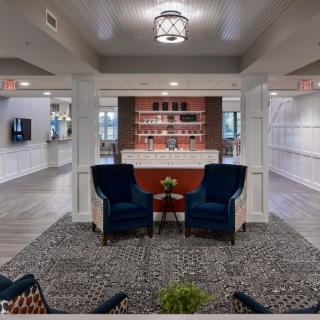
Kettle Park Senior Living
$3,900 to $4,820 / month23.2 miles away
Overall Review of Serenity Homes
Pros
 The staff at Serenity House treats residents like family, offering compassionate care in a small setting.
- Serenity House provides a wonderful, home-like atmosphere in memory care.
- The facility is large and fosters a great community environment, with staff and doctors who are very informative.
- The place is very nice, with friendly staff who are approachable and communicative.
- Residents were happy there, and the staff kept them clean and neatly shaved.
- The facility appears well managed, with trained staff capable of handling dementia-related behaviors.
- The rooms are spacious and residents have positive experiences with the environment.
Cons
 Bruising and abrasions on patients were reported.
- Laundry was put in the wrong patients' rooms.
- Nails were sticking out, and drywall and paint were chipped on the walls.
- Nursing staff were without proper licensing.
- Workers went in and out to sit in cars smoking.
- All residents were parked in front of TVs without interaction.
- The alarm was deafening and did not seem to be fixed.
Review
Serenity Homes in Windsor, Wisconsin is best suited for families seeking a small, home-like memory-care setting where residents receive close, hands-on attention from staff who treat loved ones like family. The model works especially well for those with dementia who benefit from predictable routines, frequent caregiver contact, and a warm, less institutional atmosphere. Across reviews, the strongest signal is a compassionate, personable staff and a setting that feels intimate rather than campus-like. When care teams are engaged, residents appear well-groomed, comfortable, and socially connected, with family members kept informed. This combination of personal touch and a quieter pace is the core strength, making Serenity Homes a natural choice for families prioritizing relationship-building and daily reassurance over flashy amenities.
This is not the right fit for every risk profile. Families needing robust medical oversight, licensed nurses operating under strict protocols, or a campus with extensive clinical resources may prefer elsewhere. Several reviews flag safety and maintenance concerns, including injuries, misdirected laundry, and fixtures in disrepair, suggesting lapses that require vigilant monitoring. A loud alarm, occasional cold or institutional ambience, and inconsistent resident engagement beyond passive TV time further complicate the picture. The presence of a community cat may charm some, but for others it creates allergy risk or personal preference issues that disqualify Serenity Homes. Prospective families should weigh these red flags against the warmth of care offered.
On the upside, the strongest positives center on staff warmth and perceived attentiveness. Multiple reviewers describe a homey atmosphere with caregivers who are easy to talk to, responsive to needs, and capable of maintaining residents’ grooming and dignity. The facility’s smaller size appears to support more individualized attention, and several accounts mention spacious rooms. A sense of competent dementia-management is voiced by reviewers who cite well-trained staff and calm handling of behaviors. When leadership and frontline caregivers are aligned, families feel the care is personal and reliable. The challenge remains ensuring consistent performance across all shifts and days, which depends on steady staffing and ongoing oversight.
Maintenance and environmental factors are mixed. Positive notes highlight clean, neat presentation when staff are present and generally engaged, with residents who are not neglected. Yet other reviews describe chipped furniture, exposed nails, and an intrusive alarm that contributes to an unsettled feel. Some observers perceive a colder, more institutional atmosphere and limited proactive interaction, which undermines the sense of warmth the setting aims to deliver. The disparity suggests Serenity Homes can be well-run in the right circumstances, but sustaining that standard requires ongoing capital investment and disciplined staffing. For families touring the facility, small but real maintenance cues can dramatically shift comfort level and trust.
For families actively considering Serenity Homes, thorough due diligence is essential. Request tours at different times to observe how staff mingle with residents during activities, meals, and routine care. Ask to meet the on-site nurse or medical lead to understand licensing, shift coverage, and how medical needs are monitored. Clarify laundry processes to ensure items return to the correct resident, and inquire about the handling of any injuries or skin issues. Consider the cat policy and any allergy concerns, and review recent inspections or citations. Finally, probe leadership stability and dementia-specific training plans to gauge whether the promising impressions from certain reviews reflect ongoing practice.
In the end, Serenity Homes offers a compelling option for families prioritizing warmth, a home-like memory-care cadence, and close caregiver relationships. The best-case picture features devoted staff, meaningful social interaction, and consistently neat, dignified care. The most significant caveats involve safety and maintenance concerns that surface in some experiences, plus the realities of a smaller campus without the breadth of activity and clinical resources found elsewhere. If warmth, person-centered care, and daily reassurance are paramount, and if staffing stability and facility upkeep can be confirmed through due diligence, this community can be an excellent fit. For those unwilling to compromise on rigorous safety standards or pristine upkeep, alternatives with stronger clinical oversight should be pursued.
 Assisted Living
 Memory Care
 Cats allowed
 Dogs allowed
 Activities on-site
 Beautician on-site
 Devotional services off-site
 Indoor common areas
 Outdoor common areas
 Respite or short term stays offered
 Wheelchair accessible showers
 Dane County Regional (8 miles away)
 Diabetic care
 Incontinence care
 Medication management
 Meals provided
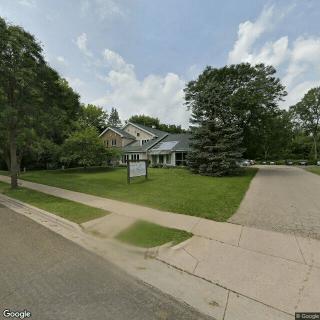
 Understanding the Distinctions: Assisted Living and Memory Care Explained
 How to Communicate with a Loved One Living with Dementia: 10 Supportive Strategies
 Comprehensive Guide to VA Nursing Homes: A Crucial Long-Term Care Resource for Veterans