
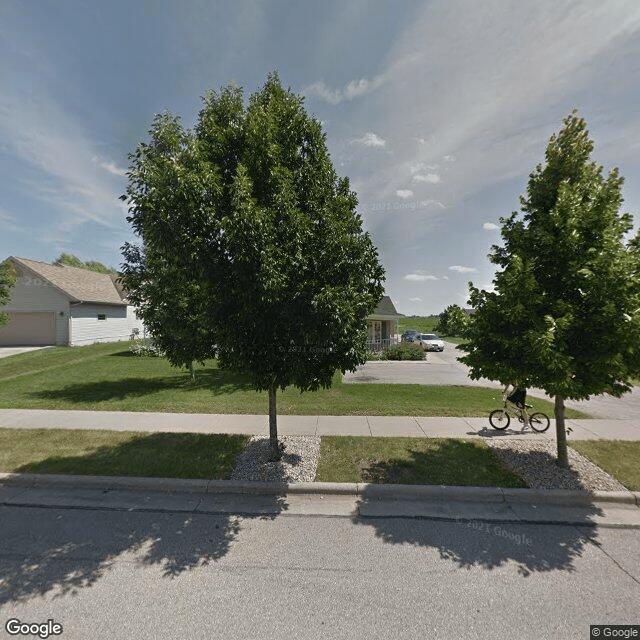
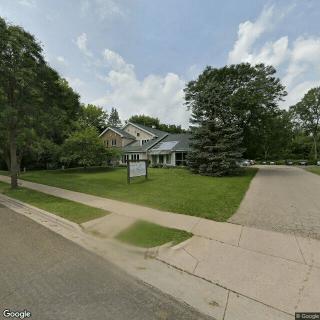
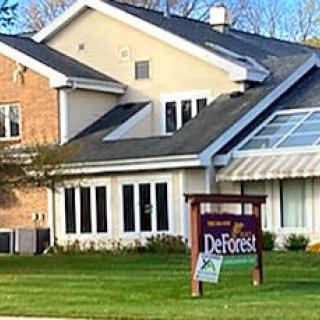
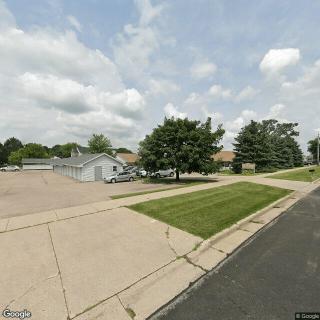
825 Southbound Drive, De Forest, WI 53532
To contact a resident: (608) 441-7080
For more information about senior living options: (866) 208-4318
Raymond House Costs & Pricing
Raymond House offers competitive pricing for its private rooms, set at $3,500 per month, which is notably lower than both the average costs in Dane County at $3,914 and the state average for Wisconsin at $4,339. This pricing structure positions Raymond House as an attractive option for individuals seeking quality accommodations while balancing budget considerations. By providing a more affordable alternative without compromising on care or amenities, Raymond House effectively meets the needs of residents and their families within the local community.
| Floor plans | Raymond House | Dane County | Wisconsin |
|---|---|---|---|
| Private | $3,500 | $3,914 | $4,339 |
Senior living communities with a similar price nearby
-
from +$500 / mo
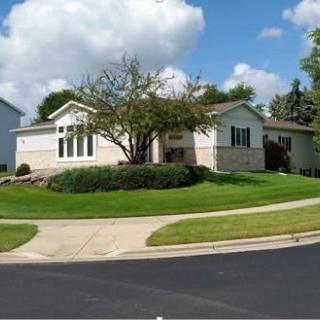
Timberwood Lodge Assisted Living and Memory Care
$4,000 to $4,500 / month14.8 miles away -
About the same
Reynolds Assisted Living Home LLC
$3,500 to $3,750 / month12.1 miles away -
About the same
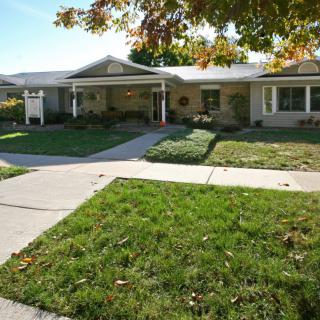
Our House Senior Living Assisted Care - Lodi
$3,550 / month11.0 miles away -
from -$240 / mo
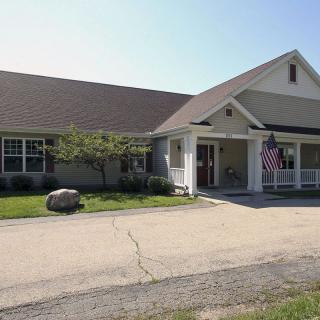
Our House Senior Living Assisted Care - Cambridge
$3,260 to $3,310 / month22.5 miles away -
from -$300 / mo
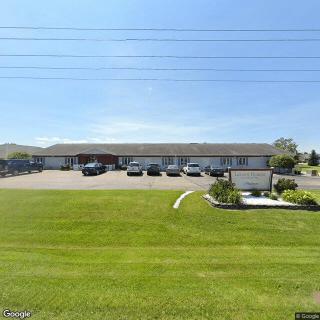
Larson House
$3,200 to $3,700 / month17.6 miles away
Overall Review of Raymond House
Pros
 The facility is described as five stars, with compassion and a warm, family atmosphere.
- The management is fantastic, and the caregivers treat patients with respect and even make them smile.
- Fountainhead Homes has been fantastic for over five years, with care during the Covid-19 pandemic that far exceeded expectations, and staff, management, and owners who deeply care for residents.
- The staff provide wonderfully compassionate care and maintain regular communications with families.
- The homes offer a small, family-like setting (eight residents per home) where the staff quickly learn each resident’s personality, needs, and routines and become like family.
- The homes are family-owned and family-run, allowing them to adjust quickly to changing physical needs while prioritizing residents.
- The environment supports shared meals and activities, with residents able to watch sports together and enjoy outdoor time and exercise.
Cons
 The staff are horrible and neglectful, with overworked, understaffed managers who don’t even have degrees, making it not the place you should take your family.
- Residents will not be well taken care of; management lies, and the full truth will never be revealed.
Review
Raymond House in De Forest is best suited for families seeking a quiet, home-like environment where residents receive highly personalized attention from a small care team. The reviews describe a model consistent with intimate, eight-resident homes that feel like a family setting, with private bedrooms and baths and meals and activities arranged to foster daily normalcy. In this environment, staff members know residents’ histories, preferences, and routines, enabling quicker recognition of changes and more meaningful interactions. For seniors who thrive on consistent, relationship-driven care and a sense of belonging, the setting offers tangible benefits: dignity preserved, daily life organized around familiar rhythms, and ample opportunities for residents to engage with caregivers and peers in a comfortable, non-clinical atmosphere.
Those who may want to consider alternatives are families prioritizing formal oversight, broad clinical programming, or transparent governance. Several reviews raise red flags about staffing levels and management reliability, including claims of overworked caregivers and reports that questions about truthfulness or transparency were not adequately addressed. For families whose peace of mind depends on rigorous staffing ratios, credentialed administrators, and consistent, verifiable reporting, a larger, more structured facility with visible governance may be a safer fit. In such cases, the more traditional assisted living or memory-care communities with documented accreditation and standardized procedures deserve consideration.
The strongest pro of the intimate, small-home model is the depth of personal connection. When care teams become familiar with a resident’s personality, history, and evolving needs, care plans feel tailored rather than generic. Regular communication with families, whether through updates, tours, or direct conversations, helps families stay informed without needing to chase information. The downside to this advantage appears when staffing cannot sustain the workload; even the most well-intentioned team can struggle to maintain consistency, timely response, and proactive monitoring if caregiver-to-resident ratios slip. In that light, care quality hinges on dependable staffing who can maintain the same level of attention across shifts.
To make an informed judgment, prospective families should press for clarity on several operating points. Ask about exact caregiver-to-resident ratios by shift, turnover rates, and staff tenure in the facility. Inquire who supervises daily care, how care plans are updated, and how often residents’ routines are reviewed with families. Seek examples of how communication is conducted, whether through weekly updates, written notes, or digital portals, and insist on a clear process for reporting concerns or incidents. It is prudent to request a walk-through with the on-site administrator and to meet direct caregivers who would be assigned to the resident. These steps reveal whether the home-like promises align with daily practice.
The reviews highlight what works well when the environment remains small and closely knit: residents often have private spaces and a shared sense of belonging; meals and activities can be scheduled in a manner that fosters community engagement, and the staff genuinely knows residents’ preferences. The family-owned cadence, owners and operators who are accessible and invested, can translate into extraordinary, almost familial care, particularly for dementia and end-of-life scenarios where comfort, familiarity, and consistent routines matter most. Yet this same structure can become a liability if staffing is insufficient or leadership gaps permit inconsistent messaging or reliability.
In the end, the decision rests on balancing a cherished, home-like experience against the safety net of strong, transparent governance. For families prioritizing warmth, personalized attention, and a setting where caregivers truly know the resident, Raymond House-like options offer compelling value, provided staffing remains robust and management remains accountable. If the resident’s needs lean toward rigorous clinical oversight, predictable caregivers across all shifts, and formal, verifiable reporting, exploring larger, more regimented communities may be warranted. Tours, conversations with the care team, and a careful examination of staffing plans will determine whether this intimate model delivers the dependable, high-trust care sought.
 Board and Care Home
 Activities off-site
 Indoor common areas
 Outdoor common areas
 Private
 Respite or short term stays offered
 Wheelchair accessible showers
 Dane County Regional (7 miles away)
 Diabetic care
 High acuity care
 Incontinence care
 Medication management
 Meals provided
 Engaging Brain Games and Innovative Apps to Keep Senior Minds Active
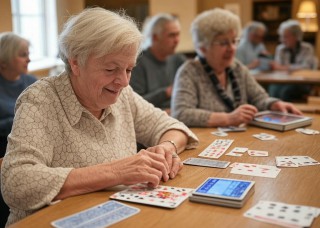 Effective Strategies for Keeping Seniors' Minds Active: A Deep Dive into Brain Games and Apps
 In-Depth Look at the VA Aid and Attendance Program