
303 Lieders Street, Colby, WI 54421
To contact a resident: (877) 784-1643
For more information about senior living options: (866) 208-4318
Overall Review of Midget City Apartments
Pros
 She has been happy living at the Midget apartments for several years.
- For the most part, she has been happy there.
Cons
 The upkeep of the apartment complex is lacking.
- The lawn had not been cut since last fall.
- The hallways are dirty and in need of vacuuming.
- It is unreasonable to expect residents to maintain their apartments given their advanced ages.
- The lack of upkeep has caused distress to the resident.
- There is a concerning discovery of black mold with no evident efforts to address it, raising health concerns for the residents.
Review
Midget City Apartments in Colby, WI is best suited for independent seniors who need a very affordable housing option and can tolerate limited on-site maintenance. The reviews describe a no-frills environment where residents are largely elderly and expected to manage basic upkeep themselves, or rely on a minimal maintenance effort that may not be consistently delivered. For a budget-conscious resident who values staying in familiar surroundings and does not require robust service levels, this complex can offer Sepia-toned stability. It is not a choice for those seeking a spotless, proactively managed environment or regular housekeeping support.
Those considering alternatives should note that serious health and safety priorities may be ill-served here. If mold remediation, consistent cleanliness, reliable groundskeeping, and responsive on-site management are non-negotiable, other options deserve exploration. Prospective residents or their families should also evaluate whether a residence that appears to expect residents to shoulder upkeep aligns with the care needs of someone in their 80s or 90s, particularly when recent concerns about mold and overall property condition have surfaced.
The most tangible upside is continuity: a stable place where longtime residents can stay, maintaining independence in familiar surroundings. For some families, that long-term dwelling, combined with the low rent, can reduce relocation stress and preserve routine. The sense of community among residents who have been there for years can lessen isolation, and the basic apartment format may suit someone who prioritizes autonomy over services. These factors can soften the blow of other deficits, especially for residents who are adept at navigating maintenance issues on their own.
However, the downsides starkly undercut any small upside. The reported neglect of upkeep, lawn care falling behind, hallways needing cleaning, and a culture that appears to place the burden of maintenance on residents, creates ongoing stress and a sense of instability. Most alarmingly, the discovery of black mold with little apparent urgency to address it signals a risk not just to comfort but to health. In a building with elderly residents, this combination of poor housekeeping and slow remediation is a compelling argument to pursue living arrangements with stronger safety and sanitation commitments.
If this option is pursued, come prepared with concrete questions and demands: what is the maintenance response protocol, and what are the typical turnaround times? how is rent allocated between housing and upkeep, and is there an enforceable maintenance schedule? what steps have been taken to address mold, and what monitoring is in place to prevent recurrence? ask about housekeeping services, groundskeeping, and whether there is on-site staff who can assist with basic needs or safety checks. In short, seek transparency and documented commitments to cleanliness, safety, and timely repairs before making a decision.
Bottom line: Midget City Apartments offers an affordable, independent-living path for seniors who prize continuity and can cope with minimal in-house services. The major cons, subpar upkeep, unaddressed mold, and uncertain maintenance responsiveness, tend to eclipse any advantages for most families prioritizing health, safety, and predictable management. For those who require reliable maintenance, a cleaner environment, or assisted oversight, alternatives should be pursued aggressively. This is a place to move carefully into only after validating a solid, written plan for upkeep and mold remediation, and after confirming that the residentā€™s ability to live independently will not be compromised by building conditions.
 Active Adult Communities (55+)
 Cats allowed
 Dogs allowed
 Activities on-site
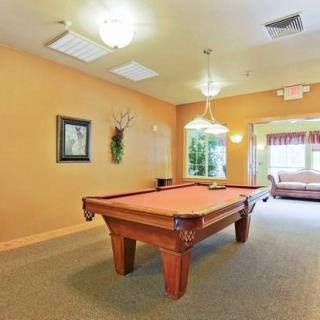
 Indoor common areas
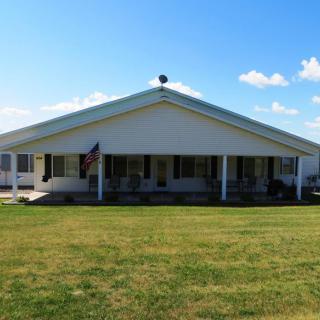
 Outdoor common areas
 Wheelchair accessible showers


 Navigating the Tax Landscape of Caregiving: Credits, Deductions, and Beyond
 Highly Beneficial Low-Impact Exercises for Senior Living Residents
 Is In-Home Healthcare Tax Deductible? Your Comprehensive Guide