
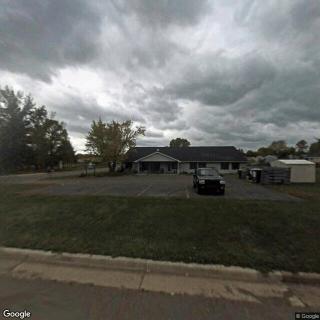
510 West Wausau Street, Colby, WI 54421
For more information about senior living options: (866) 208-4318
Colby Retirement Community Costs & Pricing
Colby Retirement Community offers a competitive pricing structure for its residents, particularly when comparing the costs of its studio accommodations to both Marathon County and the wider state of Wisconsin. At $2,750 per month, the community provides an affordable alternative, significantly lower than the average studio costs in Marathon County at $3,883 and in Wisconsin at $3,999. This pricing position not only enhances the attractiveness of Colby Retirement Community but also allows for a greater focus on delivering quality care and services to residents without compromising their financial peace of mind.
| Floor plans | Colby Retirement Community | Marathon County | Wisconsin |
|---|---|---|---|
| Studio | $2,750 | $3,883 | $3,999 |
Assisted Living communities with a similar price nearby
-
from -$115 / mo

The Waterford at Colby
$2,635 to $5,132 / month1.2 miles away -
from +$450 / mo

Country Terrace Assisted Living-Stratford
$3,200 to $4,200 / month14.0 miles away -
from +$250 / mo
The Athenian
$3,000 to $3,600 / month14.8 miles away -
from +$150 / mo
Deerview Meadows Medford
$2,900 / month16.2 miles away -
from +$150 / mo
Deerview Meadows Marshfield
$2,900 to $3,000 / month18.1 miles away
Overall Review of Colby Retirement Community
Pros
 The atmosphere is great, with many activities for residents and the community, and the staff are excellent.
- The staff are respectful and kind to residents.
- The food is pretty good, and family members have dined with residents on several occasions.
- Meals are generous, with portions that are more than enough.
- There are no major concerns about cleanliness or staff, and families are happy with the facility and would choose it again.
Cons
 Mom says she always gets too much to eat.
Review
Colby Retirement Community in Colby, Wisconsin is best suited for seniors who want an active, social lifestyle within a compact, approachable setting. The atmosphere is welcoming and the calendar is full, with activities that encourage participation, friendship, and a sense of belonging. Families report consistent, respectful staff who are accessible and patient, which matters when daily routines and peer interaction anchor a comfortable transition. This is especially true for couples or residents who prefer staying close to familiar faces in a small town. Those needing advanced medical oversight, memory-care specialization, or upscale accommodations may want to compare other options, as the community leans toward engagement and community life rather than hospital-level care.
Among the standout positives are the people and the programming. Residents describe a lively, friendly environment where activities are plentiful and well-organized, contributing to a strong sense of community. Families consistently praise the staff for their kindness and respectfulness toward loved ones, which translates into dependable day-to-day support. Dining appears reliable, with feedback noting generous portions that residents are comfortable with, even pleasant to share with family during visits. Cleanliness never seems to be a concern, and the overall maintenance of common areas supports a worry-free living experience.
Not every experience lands perfectly, as reflected by a lone one-star rating in the mix. That outlier matters as a reminder that expectations vary, and personal chemistry with staff, pace, or specific care needs can shape satisfaction. Yet across the majority of reviews the positives far outweigh the negatives, and the facility earns a solid overall rating. Potential residents should treat the outside-the-ordinary review as a cue to verify fit in person, and to confirm that the level of care, contact with clinicians, and handling of medications align with family expectations.
Because the strongest advantages are social and relational, the key pros offset potential reservations. A robust slate of activities and consistently considerate staff mitigate concerns about social isolation or neglect, while the dependable dining experience reduces anxiety about daily routines. The messages from families, satisfaction, confidence that staff are attentive, and a sense that the community meets expectations, support a practical conclusion: the combination of engagement and care deliver real value for residents who thrive on interaction and steady support.
However, certain situations warrant alternatives. For seniors requiring specialized memory care, around-the-clock nursing intensity, or a broader array of healthcare services under one roof, a larger or more medical-focused community could be preferable. If independence is a priority and the individual resists group activities, or if preferences skew toward a more modern, resort-like ambiance, other options may provide a better psychological and experiential match.
In sum, Colby Retirement Community offers a sensible, family-friendly choice for those seeking an active, connected retirement in a small Wisconsin town. Its strengths lie in a warm atmosphere, plentiful activities, respectful staff, and reliable daily meals. For families evaluating options, a candid tour, especially on a busy day with programs in full swing, will reveal whether the vibe matches the residentā€™s personality and goals. If the decision centers on companionship, routine, and dependable care within a modest setting, Colby Retirement Community should rank highly; if the need is for intensive medical or memory-care services, alternatives should be explored sooner rather than later.
 24 resident community capacity
 Assisted Living
 Independent Living
 Cats allowed
 Dogs allowed
 Activities off-site
 Beautician on-site
 Cable or satellite TV
 Devotional services off-site
 Dining room
 Fully furnished
 Garden
 Housekeeping services
 Indoor common areas
 Kitchenette
 Move-in coordination
 Outdoor space
 Respite or short term stays offered
 Restaurant-style dining
 Small library
 Telephone
 Wheelchair accessible showers
 Wi-Fi/high-speed internet available
 24-hour call system
 Ambulatory care
 Assistance with bathing
 Assistance with dressing
 Assistance with transfers
 Diabetes diet
 Diabetic care
 Incontinence care
 Medication management
 Mental wellness program
 Special dietary restrictions

 Choosing the Right Senior Care: A Detailed Exploration of Assisted Living and Nursing Homes
 Understanding the True Cost of Assisted Living in 2025: A Comprehensive Guide
 Understanding Medicaid Coverage for Assisted Living: A Comprehensive Guide