New Care Family Services Cedarburg House in Cedarburg, WI

Information last verified:

W54 N519 Highland Drive, Cedarburg, WI 53012

For more information about senior living options: (844) 490-3973

3.7 from 42 reviews
5 stars
27
4 stars
2
3 stars
0
2 stars
1
1 stars
12

Seniors.FYI Elite Community Awards

Top 5% Senior Living Community in 2026

Add this award to your website

New Care Family Services Cedarburg House Costs & Pricing

New Care Family Services Cedarburg House offers competitive pricing for its accommodation options, reflecting a strong commitment to affordability in comparison to broader regional and state averages. For semi-private rooms, residents can expect a monthly cost of $1,800, significantly lower than the Washington County average of $3,809 and the overall Wisconsin average of $3,977. Similarly, private rooms at Cedarburg House are priced at $2,100, which also presents a considerable savings compared to the county's average of $4,783 and the state's average of $4,339. This positioning not only enhances accessibility for families seeking quality care but also underscores Cedarburg House's reputation as an economically sensible choice in long-term care.

Floor plansNew Care Family Services Cedarburg HouseWashington CountyWisconsin
Semi-Private$1,800$3,809$3,977
Private$2,100$4,783$4,339

Overall Review of New Care Family Services Cedarburg House

Pros

  • pro Lindsay is described as the greatest therapist.
  • pro Kimberly, Lindsay, and Cara are outstanding to work with.
  • pro The therapy department is phenomenal and motivates residents to do their best.
  • pro Evan, the executive director, leads by example and is consistently involved with residents and families.
  • pro Leslie, the activities director, keeps residents engaged and active.
  • pro Cory (the business manager) and Lorrie (the social worker) are patient, helpful, and compassionate guides.
  • pro The staff provide care with empathy and dedication, making Cedarburg Health Services feel like home.

Cons

  • pro The facility’s building and equipment are described as run down, dirty, and in need of repairs.
  • pro A resident’s room had a backed-up toilet and a plugged shower drain left unrepaired, creating an unsafe environment.
  • pro Nurses and staff were reported to leave residents unattended in wheelchairs for long periods and ignore call lights.
  • pro Some staff were accused of treating residents like garbage and neglecting basic care such as bathing and hygiene.
  • pro Leadership and responses to concerns were criticized, with delays described as normal.
  • pro Ownership changes allegedly led to a run-down exterior and a lack of overall care.
  • pro At least one reviewer stated they would not recommend the facility to anyone.
  • pro Reports cited safety equipment gaps and understaffing, leading to safety risks for residents.

Review

This community is best suited for families pursuing robust rehabilitation and therapy-driven care, where the path to improvement hinges on an aggressive, hands-on therapy team and visible leadership. It works particularly well for short-term rehab after strokes, brain injuries, or major surgeries, and for residents who thrive under daily structure, active programming, and staff who consistently engage with residents and families. For loved ones who require a pristine, flawless facility with perfect consistency across all shifts, or who need highly specialized memory-care safeguards with near-perfect call-light responsiveness, alternatives deserve consideration. The setting rewards involvement and advocacy; when those elements are present, progress and daily reassurance become tangible.

The strongest positives fall squarely on the therapy and nursing ecosystems. Therapists, named repeatedly as standout contributors, drive measurable gains and motivate residents to press through rehab milestones. The department’s impact is echoed by families who describe therapists as empathetic, dedicated, and integral to their loved one’s recovery. Leadership is also a clear differentiator: the executive director and the director of nursing are frequently cited as accessible, engaged, and willing to roll up sleeves to address concerns or tailor care. The activities director and social services team are praised for enriching schedules, guiding families through enrollment and services, and keeping care plans person-centered. This combination creates a credible, home-like atmosphere where progress often feels personal and tangible.

Yet the record is not one-note. A notable thread of negative experiences centers on consistency and communication gaps, issues that some reviews describe as persistent, despite strong clinical care. Instances of delayed call-light responses, housekeeping lapses, and maintenance shortcomings have punctuated otherwise positive reports. Some families recount concerns about understaffing or uneven care across shifts, including feelings that residents could be neglected or left unattended for extended periods. These reports culminate in a cautionary note: while therapy and leadership are compelling strengths, care quality can diverge by unit and moment, demanding vigilant family involvement and clear, ongoing dialogue with the team.

The pros offset the main cons to a degree, but not uniformly for every resident. When rehab needs dominate, the combination of exceptional therapy staff and engaged leadership creates a robust foundation for measurable improvement and relief for families. The facility’s early-admission responsiveness and the hands-on approach of leaders help families feel heard and supported during transitions. However, safety and day-to-day consistency, especially for memory-care or long-term residents, remain potential gaps. The healed, engaged image painted by therapy wins can clash with reports of inconsistent care in other areas, meaning outcomes may hinge on a resident’s specific needs and the team on duty at any given time.

Those considering alternatives should weigh memory-care safety and day-to-day reliability as top priorities. If a loved one is highly mobile, prone to wandering, or requires stringent memory-care safeguards, the reported gaps in alarms, equipment adequacy, and staff attention may pose unacceptable risk. Families seeking a flawless environment with universal staffing consistency and where every shift mirrors the best moments described in the positive reviews may find credible competition elsewhere. Likewise, if the facility’s physical upkeep or modern infrastructure is non-negotiable, several accounts of maintenance and facility-condition concerns warrant caution.

For an informed decision, prioritize direct conversations with the care leaders and the therapy team, and observe a live interaction in both rehab and common areas. Key steps include requesting current staffing ratios by shift, a clear care plan with defined rehab goals, and a commitment to timely communication with family members. Meet the executive director, the director of nursing, and the social worker to gauge availability and responsiveness. Seek specific references from families navigating similar needs and insist on a trial period or a structured transition plan that includes weekly updates. When rehab potential and engaged leadership align with consistent, open communication, Cedarburg House stands out as a pragmatic, capable choice for families who can lean in and advocate alongside the team, and as a sobering reminder that care quality is not uniformly uniform across every moment.

Features

Housing

  • 4 resident community capacity 4 resident community capacity

Types of Care

  • Assisted Living Assisted LivingAssisted living facilities provide crucial support and care for seniors who may need help with daily tasks such as medication management, bathing, and meal preparation. These communities offer a safe and comfortable environment where seniors can maintain their independence while receiving the assistance they need to thrive in their golden years.
  • Board and Care Home Board and Care HomeBoard and care homes provide a smaller, more intimate setting for seniors who require assistance with daily tasks but do not need the level of care offered by a nursing home. They offer personalized care, meals, and social activities in a homelike environment, ensuring that seniors receive individualized attention and support in their golden years.
  • Memory Care Memory CareMemory care is crucial for seniors as it provides specialized support and services for individuals with dementia or Alzheimer's disease. These programs offer a safe and secure environment where residents receive personalized care, cognitive stimulation, and help with daily activities. Memory care helps seniors maintain their independence, quality of life, and dignity while also providing peace of mind for their families.

Amenities

  • Cable or satellite TV Cable or satellite TVCable or satellite TV is important for seniors because it provides entertainment, news, and companionship, helping to combat loneliness and boredom. It also offers a wide range of programming options tailored to different interests and preferences.
  • Dining room Dining roomDining rooms are important for seniors as they provide a space for socialization, connection, and nutritious meals. They offer opportunities for residents to bond over shared meals, foster a sense of community, and promote healthy eating habits. Dining rooms also ensure that seniors have access to well-balanced meals tailored to their dietary needs and preferences.
  • Fully furnished Fully furnishedFully furnished senior living communities are important for seniors because they provide convenience, comfort, and a hassle-free moving experience. Seniors can easily settle into their new living space without the stress of having to buy and move furniture. This allows them to focus on enjoying their new home and community.
  • Garden GardenGardens are important for seniors as they provide a peaceful and therapeutic environment for relaxation, physical activity, and socialization. Being in nature has been shown to reduce stress, improve mood, and promote overall well-being. Gardens also offer opportunities for seniors to engage in gardening activities, which can improve mobility, flexibility, and cognitive function. Additionally, gardens create a sense of community and connection with others who share a passion for plants and outdoor spaces.
  • Housekeeping services Housekeeping servicesHousekeeping services are important for seniors because they help maintain a clean and safe living environment, promote independence, and reduce the risk of accidents or illnesses. Additionally, having assistance with household chores can alleviate physical strain and allow seniors to focus on other aspects of their well-being.
  • Move-in coordination Move-in coordinationMove-in coordination is important for seniors because it helps ease the transition into their new living environment. It ensures that all logistics, such as packing, organizing movers, and setting up utilities are taken care of, allowing seniors to focus on settling in and adjusting to their new home. Having a smooth move-in process can alleviate stress and anxiety, making the transition smoother and more enjoyable for seniors.
  • Outdoor space Outdoor spaceOutdoor spaces are important for seniors as they provide opportunities for physical activity, social interaction, exposure to natural light and fresh air, and a sense of connection to nature. Having access to outdoor spaces can improve overall well-being and quality of life for older adults living in senior communities.
  • Telephone TelephoneTelephones are important for seniors as they provide a lifeline for communication with loved ones, emergency services, and healthcare providers. They offer a sense of security and independence, enabling seniors to stay connected and access assistance when needed.
  • Wi-Fi/high-speed internet available Wi-Fi/high-speed internet availableWi-Fi/high-speed internet is important for seniors to stay connected with loved ones, access online resources, and participate in virtual activities to combat feelings of loneliness and isolation. It also allows them to easily manage healthcare needs, access entertainment, and engage in lifelong learning opportunities.

Transportation

  • General Mitchell International (24 miles away) General Mitchell International (24 miles away)

Care Services

  • 24-hour supervision 24-hour supervision24-hour supervision is important for seniors to ensure their safety, well-being, and access to immediate assistance in case of emergencies or health issues. This constant support provides peace of mind for both seniors and their loved ones, allowing them to age in place with dignity and security.
  • Activities of daily living assistance Activities of daily living assistanceActivities of daily living assistance are important for seniors because they provide essential support with tasks such as eating, bathing, dressing, and mobility. This assistance helps seniors maintain their independence, dignity, and overall quality of life as they age.
  • Assistance with bathing Assistance with bathingAssistance with bathing is crucial for seniors as it helps maintain personal hygiene, prevents infections, and ensures their overall well-being and comfort. It also provides a sense of dignity and independence for seniors who may struggle with this task on their own.
  • Assistance with dressing Assistance with dressingAssistance with dressing is important for seniors because it helps maintain their independence, promotes personal hygiene, prevents accidents and injuries, and improves overall quality of life. This service ensures that seniors can continue to dress comfortably and confidently, despite any physical limitations they may have.
  • Assistance with transfers Assistance with transfersAssistance with transfers is crucial for seniors as it helps prevent falls and injuries, maintains their independence, and ensures they can safely navigate their living environment. It also provides peace of mind for both seniors and their loved ones.
  • Coordination with health care providers Coordination with health care providersCoordination with health care providers is crucial for seniors to ensure proper medical care, medication management, and overall well-being. This collaboration helps prevent overlapping treatments, track progress more effectively, and provide comprehensive support tailored to individual needs.
  • Dementia waiver Dementia waiverDementia waivers are essential for seniors as they provide critical protections and accommodations for those experiencing cognitive decline. These waivers ensure individuals with dementia receive appropriate care, support, and resources to maintain their quality of life and dignity as they navigate the challenges of this progressive condition.
  • Diabetes diet Diabetes dietA diabetes diet is crucial for seniors as it helps manage blood sugar levels, reduce risks of complications, and improve overall health and well-being. By following a balanced and nutritious diet tailored to their specific needs, seniors can better control their diabetes and enhance their quality of life.
  • Hospice waiver Hospice waiverHospice waivers are important for seniors because they allow individuals to receive specialized end-of-life care and support at home or in a hospice facility. This waiver ensures that seniors can access the necessary resources and services to maintain comfort and dignity during their final days.
  • Meal preparation and service Meal preparation and serviceMeal preparation and service are crucial for seniors as they may have limited mobility or energy to cook nutritious meals. Having access to healthy and convenient food options can ensure they are getting the proper nutrition needed to maintain their overall health and well-being.
  • Medication management Medication managementMedication management is crucial for seniors to ensure they are taking the right medications at the correct dosages and times. This helps prevent adverse drug interactions, reduces the risk of medication errors, and promotes overall health and well-being. Proactive management also allows for adjustments as needed based on changing health conditions or new prescriptions.
  • Mental wellness program Mental wellness programMental wellness programs are essential for seniors as they promote cognitive stimulation, emotional support, and social engagement. These programs help prevent isolation, depression, and cognitive decline, ultimately enhancing the overall quality of life for older adults.
  • Mild cognitive impairment Mild cognitive impairment"Mild cognitive impairment" is important for seniors because it is an early stage of cognitive decline that can potentially progress to more severe conditions such as dementia. Recognizing and addressing mild cognitive impairment can help seniors receive appropriate care and support to maintain their quality of life and independence for as long as possible.
  • Special dietary restrictions Special dietary restrictionsSpecial dietary restrictions are important for seniors because age-related changes in metabolism and health conditions can make it difficult for their bodies to process certain foods. By following a diet tailored to their specific needs, seniors can maintain their overall health and well-being, manage chronic conditions, and reduce the risk of complications such as malnutrition or food interactions with medications.
  • Specialized memory care programming Specialized memory care programmingSpecialized memory care programming is crucial for seniors with cognitive impairments such as dementia or Alzheimer's disease. These programs provide a safe and supportive environment tailored to the unique needs of individuals with memory loss, helping them maintain their independence, dignity, and quality of life.
  • Transportation arrangement (medical) Transportation arrangement (medical)Transportation arrangements for medical purposes are essential for seniors as they may have difficulty driving themselves to appointments or accessing public transportation. Having reliable and safe transportation options ensures that seniors can receive timely medical care and maintain their health and well-being.
  • Transportation to doctors appointments Transportation to doctors appointmentsTransportation to doctors' appointments is crucial for seniors as it ensures they have access to necessary medical care and support for their health needs. Without reliable transportation, seniors may struggle to attend important appointments, leading to potential delays in treatment and health complications. Providing transportation services helps seniors maintain their overall well-being and quality of life.

Dining

  • Diabetes diet Diabetes dietA diabetes diet is crucial for seniors as it helps manage blood sugar levels, reduce risks of complications, and improve overall health and well-being. By following a balanced and nutritious diet tailored to their specific needs, seniors can better control their diabetes and enhance their quality of life.
  • Special dietary restrictions Special dietary restrictionsSpecial dietary restrictions are important for seniors because age-related changes in metabolism and health conditions can make it difficult for their bodies to process certain foods. By following a diet tailored to their specific needs, seniors can maintain their overall health and well-being, manage chronic conditions, and reduce the risk of complications such as malnutrition or food interactions with medications.

Activities

  • Community-sponsored activities Community-sponsored activitiesCommunity-sponsored activities are important for seniors as they provide opportunities for social interaction, mental stimulation, and physical activity. These activities can help improve overall well-being, combat loneliness and isolation, and promote a sense of belonging and purpose among older adults.
  • Scheduled daily activities Scheduled daily activitiesScheduled daily activities are important for seniors because they provide structure, socialization, mental stimulation, and physical activity. Engaging in regular activities can improve overall well-being and quality of life for seniors living in a community setting.

Description

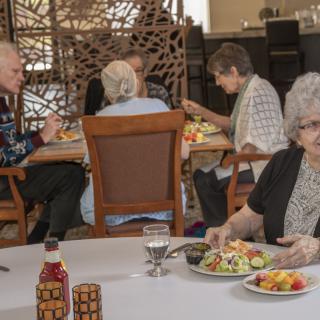
The New Care Family Services Cedarburg House in Cedarburg, WI is an assisted living community that provides board and care home as well as memory care services. The facility offers a range of amenities to ensure the comfort and convenience of its residents. These include a dining room where nutritious meals are served, fully furnished rooms, a garden for outdoor relaxation, housekeeping services to maintain cleanliness, and move-in coordination to assist with the transition.

Residents at the Cedarburg House also have access to facilities such as telephone and Wi-Fi or high-speed internet, allowing them to stay connected with their loved ones. The community provides comprehensive care services to meet the individual needs of each resident. This includes assistance with activities of daily living such as bathing, dressing, and transfers. Coordination with healthcare providers ensures that residents receive necessary medical attention while specialized memory care programming caters specifically to those with memory impairments.

The community also offers a mental wellness program for overall emotional wellbeing. Medication management is provided to ensure proper administration of medications. Meal preparation and service are available along with specific dietary options for those with special dietary restrictions such as diabetes diet. Transportation arrangement for medical appointments is offered, ensuring residents can attend their doctors' visits conveniently.

In terms of nearby amenities, there are several cafes, parks, pharmacies, physicians' offices, restaurants, places of worship, and hospitals close by the community. Scheduled daily activities keep residents engaged and provide opportunities for socialization.

Overall, the New Care Family Services Cedarburg House in Cedarburg, WI offers a comfortable and supportive environment for seniors in need of assistance with daily activities or specialized memory care programming.

Nearby Places of Interest

Parks

  • Cedar Creek Park (0.2 miles)
  • Adlai Horn Park (0.3 miles)
  • Cedarburg Firemen's Park (1 miles)
  • Willowbrook Park (1.2 miles)
  • Lime Kiln Park (1.4 miles)
  • Pine Street Park (1.9 miles)
  • Mequon Rotary Park (2.9 miles)

Restaurants

  • Rebellion Brewing (0.4 miles)
  • Pj Piper Pancake Hse (0.4 miles)
  • The Stilt House (0.5 miles)
  • Maxwell's (0.7 miles)
  • Out & Out Custard & Sandwiches (0.7 miles)
  • McDonald's (0.8 miles)
  • Culver's (1.1 miles)

Cafes

  • Cedarburg Coffee Roastery (0.5 miles)
  • Java House (0.6 miles)
  • Starbucks (0.7 miles)
  • Flipside Cafe & Grill (2.8 miles)
  • Starbucks (3.1 miles)
  • Starbucks (5.6 miles)
  • Panera Bread (5.7 miles)

Physicians

  • Family Vision Center (0.5 miles)
  • Homestead Family Health Center (0.6 miles)
  • Aurora Advanced Healthcare (1.8 miles)
  • Cedarburg Pediatrics - Children's Wisconsin (2.4 miles)
  • Dermatology Associates of Wisconsin SC (2.8 miles)
  • Forefront Dermatology Grafton, WI (2.8 miles)
  • Grafton Eye Center (3.5 miles)

Pharmacies

  • Walgreens (0.9 miles)
  • CVS Pharmacy (1.1 miles)
  • Walgreens (1.3 miles)
  • Aurora Pharmacy (2.9 miles)
  • Walgreens (4.1 miles)
  • Metro Market Pharmacy (5.4 miles)
  • Walgreens (5.7 miles)

Hospitals

  • Ascension Columbia St. Mary's Ozaukee - Cedarburg (1 miles)
  • Aurora Sports Medicine & Rehab (3.2 miles)
  • Aurora Medical Center (3.2 miles)
  • Breastfeeding Support - Ascension Columbia St Mary's Hospital Ozaukee Birthing Center (3.8 miles)
  • Rogers Memorial Hospital (7.5 miles)

Places of Worship

  • Grace Lutheran Church Elca (2.6 miles)
  • Vineyard Community Church (3.5 miles)
  • St Peters United Church of Christ (6.3 miles)

Theaters

  • North Shore Cinema Mequon, Wi (5.3 miles)
  • Saukville Cinema Saukville, Wi (6.2 miles)

Frequently Asked Questions

How much does it cost to live at New Care Family Services Cedarburg House in Cedarburg, WI?
Where is New Care Family Services Cedarburg House?
Does New Care Family Services Cedarburg House provide care for residents with dementia or Alzheimer's disease?

Nearby Communities

  • Westlawn Adult Family Home

    Westlawn Adult Family Home

    Cedarburg, WI

    5 from 1 review
     

    pro Small, intimate setting with personalized care.

  • Cedarburg Health Services

    Cedarburg Health Services

    Cedarburg, WI

    3.4 from 54 reviews
     

    pro Extensive amenities and comprehensive care services (dining, transportation, fitness, mental wellness).

  • McKinley Place Assisted Living Community

    McKinley Place Assisted Living Community

    Cedarburg, WI

    4.1 from 27 reviews
    $4,635 / month

    pro 24/7 supervision and nursing support with comprehensive amenities.

  • McKinley Place

    McKinley Place

    Cedarburg, WI

    4.1 from 36 reviews
    $2,402 to $4,591 / month

    pro Professional, friendly staff; engaging activities; clean, welcoming facility.

  • Will Starr Cedarburg House

    Will Starr Cedarburg House

    Cedarburg, WI

     
    $4,300 / month

    pro Small, intimate setting with personalized care and memory care options.

  • Evergreen Park

    Evergreen Park

    Cedarburg, WI

    2.7 from 6 reviews
    $795 / month

    pro Pleasant environment with appealing features and townhouse options.

  • Village Pointe Commons

    Village Pointe Commons

    Grafton, WI

    4.1 from 75 reviews
    $2,255 to $5,800 / month

    pro Friendly staff in a modern, amenity-rich setting.

  • Lasata Heights Retirement Ctr

    Lasata Heights Retirement Ctr

    Cedarburg, WI

    2.4 from 16 reviews
    $925 to $1,145 / month

    pro Very affordable pricing relative to county/state averages, with close access to dining, healthcare, parks, and places of worship.

  • Hamilton House Senior Living

    Hamilton House Senior Living

    Cedarburg, WI

    4.1 from 58 reviews
    $2,350 to $3,100 / month

    pro Clean, welcoming environment with friendly staff and engaging activities.

Related Resources

  • dementia hallucinationsDementia-Related Hallucinations: Causes, Experiences, and Practical Approaches

    Dementia, particularly Lewy body dementia, often involves hallucinations that can significantly distress both patients and caregivers due to disruptions in sensory processing and neurotransmitter imbalances. Effective management includes compassionate communication, environmental adjustments, and a multidisciplinary approach to care while addressing the emotional needs of caregivers.

  • alzheimer's factsIlluminating Insights About Alzheimer's Disease: Ten Crucial Realities

    Alzheimer’s disease is a progressive neurological disorder that significantly impacts memory and cognitive functions, accounting for 60-80% of dementia cases, with early diagnosis being crucial yet challenging. It involves brain changes like beta-amyloid plaques and tau tangles, influenced by genetic and lifestyle factors, and while there is no cure, symptom management and support for caregivers are essential.

  • list of drugs linked to dementiaA Thorough Discussion of Medications Potentially Linked to Dementia Risk

    Dementia, influenced by aging and certain medications, may be exacerbated by drug classes such as anticholinergics, benzodiazepines, and antipsychotics, which are associated with cognitive impairment. Regular medication reviews by healthcare professionals are crucial for older adults to manage risks and optimize cognitive health.